

 |
  |
Every fishing boat has a personality. Some are spotless. Some are “organized.” Some look like a tackle shop exploded during a small craft advisory.
But no matter what you fish from — center console, skiff, walkaround, bay boat, kayak, or a friend’s boat that always smells like bunker — there’s a short list of safety gear that should be onboard every single time. Not theoretically onboard. Actually onboard. Working. Accessible. Not expired. Not “pretty sure it’s in that hatch somewhere.”
Ten Things No Angler Should Leave the Dock Without
Properly fitted PFDs
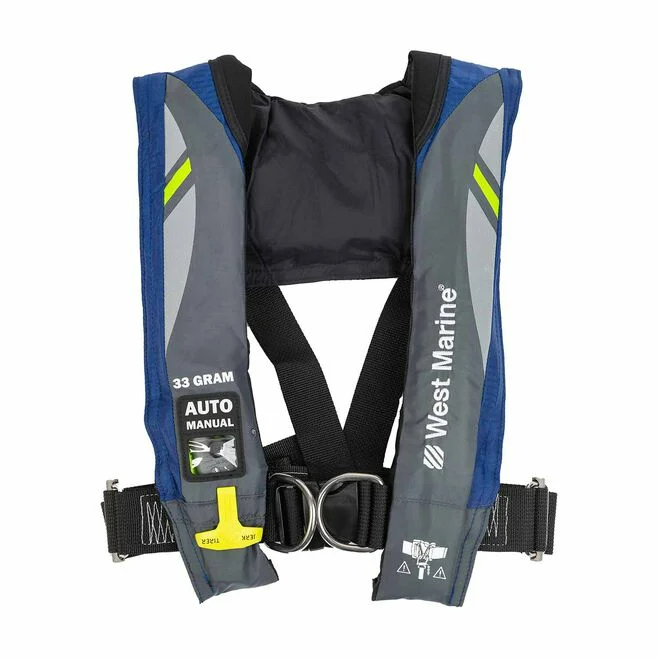
Every person onboard needs a properly fitted, Coast Guard-approved life jacket — and “onboard” doesn’t count if it’s buried under a cooler. The National Safe Boating Council reported that drowning accounted for 76% of recreational boating fatalities in 2024, and 87% of those who drowned weren’t wearing a life jacket. That number hasn’t changed much in years, and the reason is almost always the same.
Inflatables are easy to wear while fishing. Foam vests are simple and bulletproof. Offshore models, inshore models, kids’ sizes, and throwables all have their place. The best one is whichever fits and actually gets worn.
Make sure every person has one before the boat leaves. Not after the fog rolls in.
Shop: Adult Life Jackets & PFDs at West Marine

Handheld VHF radio
A fixed-mount VHF is great. A handheld backup is what saves you when the main radio goes down, the power drops, or you need to call from somewhere other than the helm. For small boats and kayaks, it might be your only radio.
Look for waterproofing, a floating design, solid battery life, and controls you can work with cold hands. Charge it the night before. Turn it on before you launch.
Shop: Handheld VHF Radios at West Marine
Throw rope
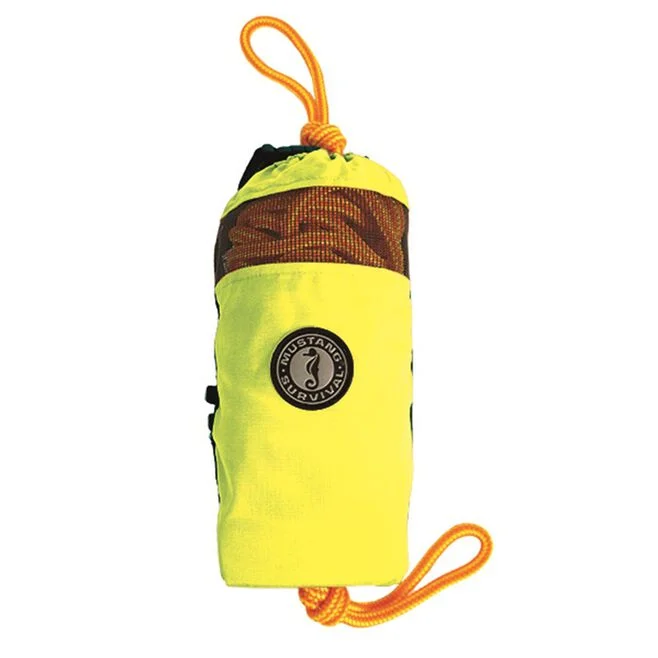
Simple, light, and genuinely useful — a throw rope is one of the best man-overboard tools you can carry. If someone goes in near current, rocks, cold water, or a dock, getting a floating line to them fast matters. A throw bag keeps the rope contained and ready to deploy instead of tangled under the console in a loose coil that no one can find.
Keep it somewhere anyone on the boat can grab it without asking where it is.
Shop: West Marine Water Rescue Throw Bag with 75′ Rope
Flares and visual distress signals
Being safe is one thing. Being found is another.
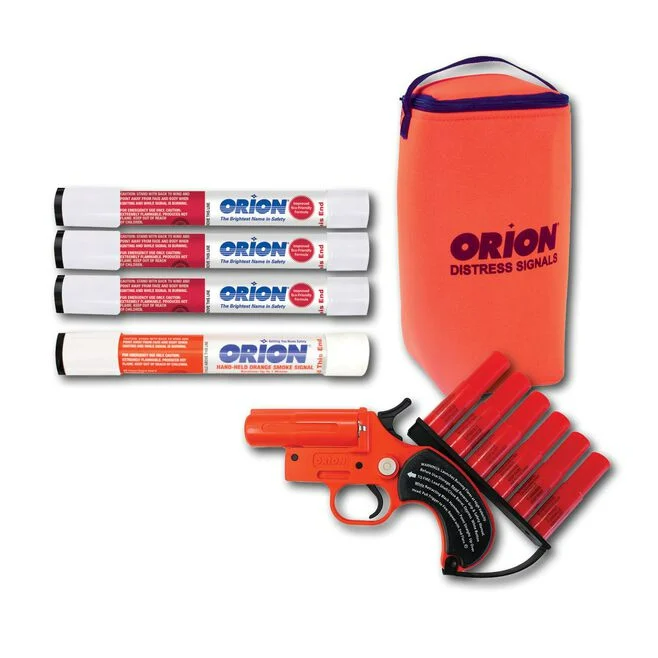
Depending on your vessel and waters, you may be legally required to carry approved visual distress signals — and you’ll almost certainly want them regardless. Red flares and orange smoke are internationally recognized distress signals. Electronic distress options exist too. Either way, check what applies to your boat and waters, and then actually look at the expiration dates. Expired flares are a very specific kind of useless.
Shop: Visual Distress Signals at West Marine
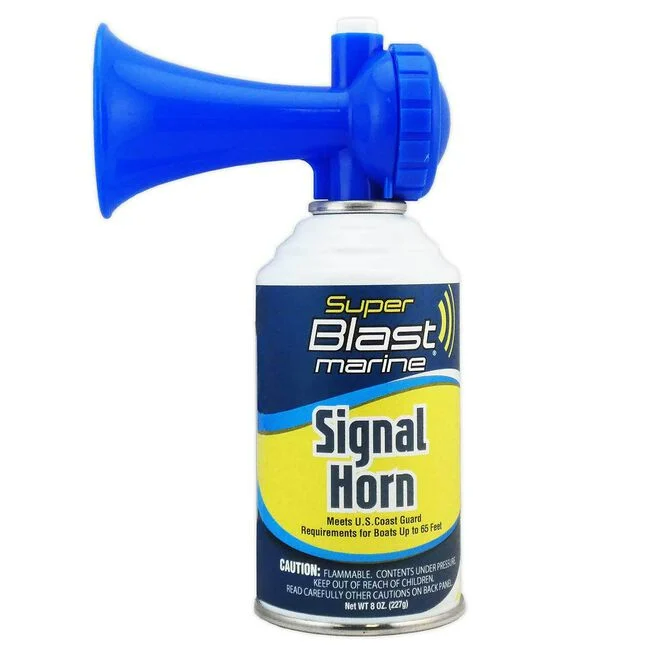
Sound signal
A whistle, horn, or air horn — something that makes noise when you need it. Sound signals matter in fog, heavy traffic, low visibility, and emergencies, and they’re part of federal equipment requirements for most recreational vessels.
If it’s an air horn, test it at the dock. If it’s a whistle, clip it somewhere you’ll actually find it.
Shop: Marine Air Horns & Whistles at West Marine

First-aid kit
A proper one, in a waterproof case — not a sad plastic box that rattles with three Band-Aids and a foil packet of something unidentifiable.
Fishing produces cuts, punctures, burns, sprains, seasickness, dehydration, and the occasional hook situation that gets very quiet very fast. Stock your kit accordingly, and replace what you used last season. That includes the tape you borrowed for something completely unrelated and never put back.
Shop: Marine First Aid Kits at West Marine
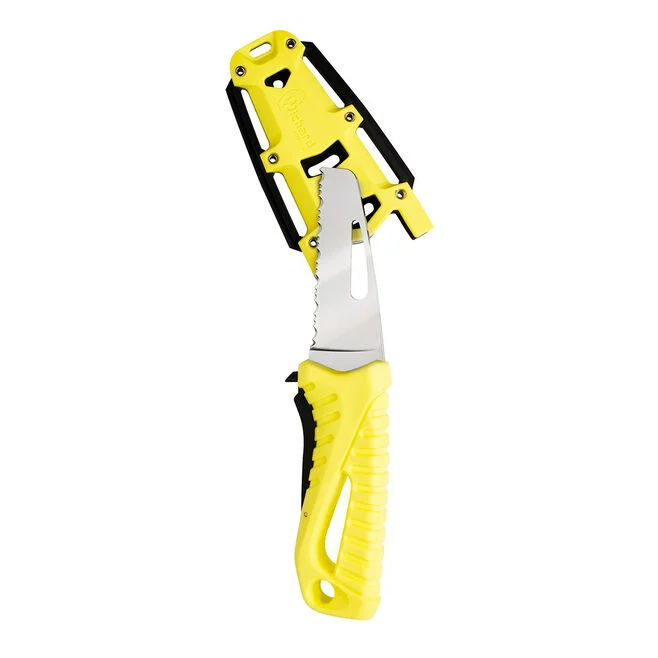
Cutting tools
Pliers, braid scissors, a knife — all of it safety gear, not just fishing gear.
Line around a prop, braid under tension, a tangled anchor line, a hook in a net or a hand — a sharp cutting tool within reach handles all of it. If your pliers are rusted shut, they’re a paperweight. Replace them.
Shop: Fishing Pliers & Line Cutters at West Marine
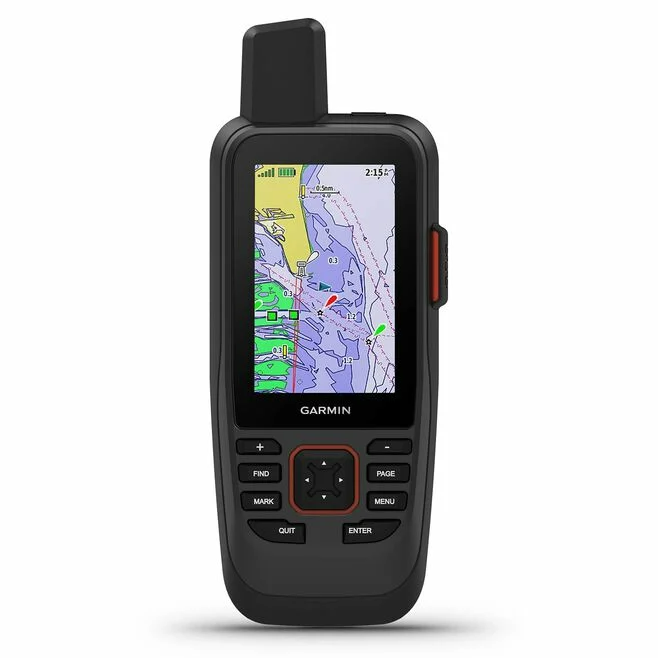
Backup navigation
You need a way home if your main unit dies.
That could be a secondary chartplotter, a handheld GPS, a phone with offline charts in a waterproof case, or a saved track on your Garmin unit. In the Northeast this matters especially — fog, night runs, unfamiliar inlets, and shallow bars don’t reward guessing. Save your home port, ramp, or marina waypoint before you need it, not while you’re trying to find your way back in the dark.
Shop: Garmin Marine Electronics at West Marine
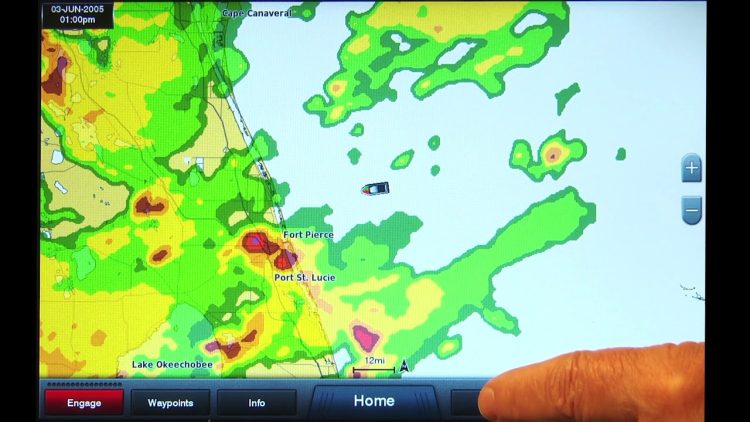
Weather monitoring
Checking the forecast before you launch is a good start. Knowing what’s actually building while you’re out there is what keeps you ahead of it.
Weather moves fast on open water. Thunderstorms can produce lightning, waterspouts, shifting winds, and dangerous seas with very little warning. NOAA issues marine advisories for hazardous winds, dense fog, freezing spray, and short-duration threats — but those alerts don’t help if you’re not watching. Garmin’s SiriusXM-compatible weather receivers pull real-time data to the helm so you’re not making decisions based on a forecast you checked four hours ago.
Check wind, tide, radar, and the ride home — not just the morning launch window.
Shop: Garmin GXM 54 SiriusXM Weather Receiver at West Marine
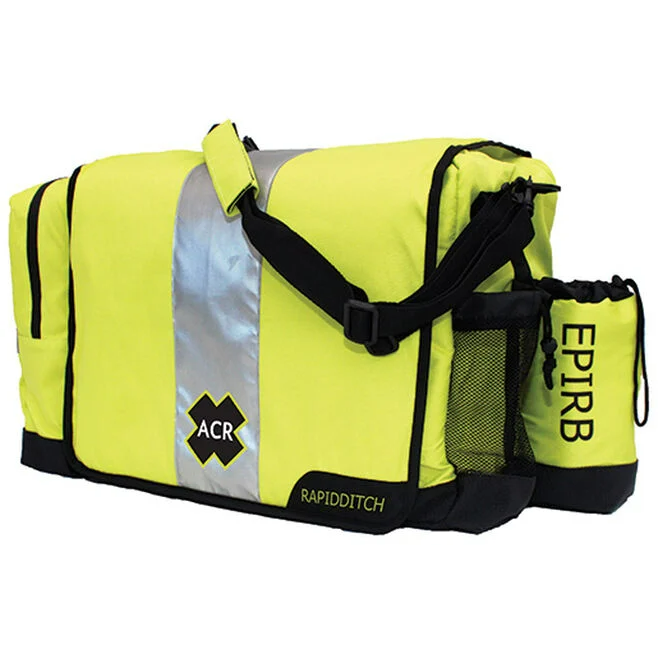
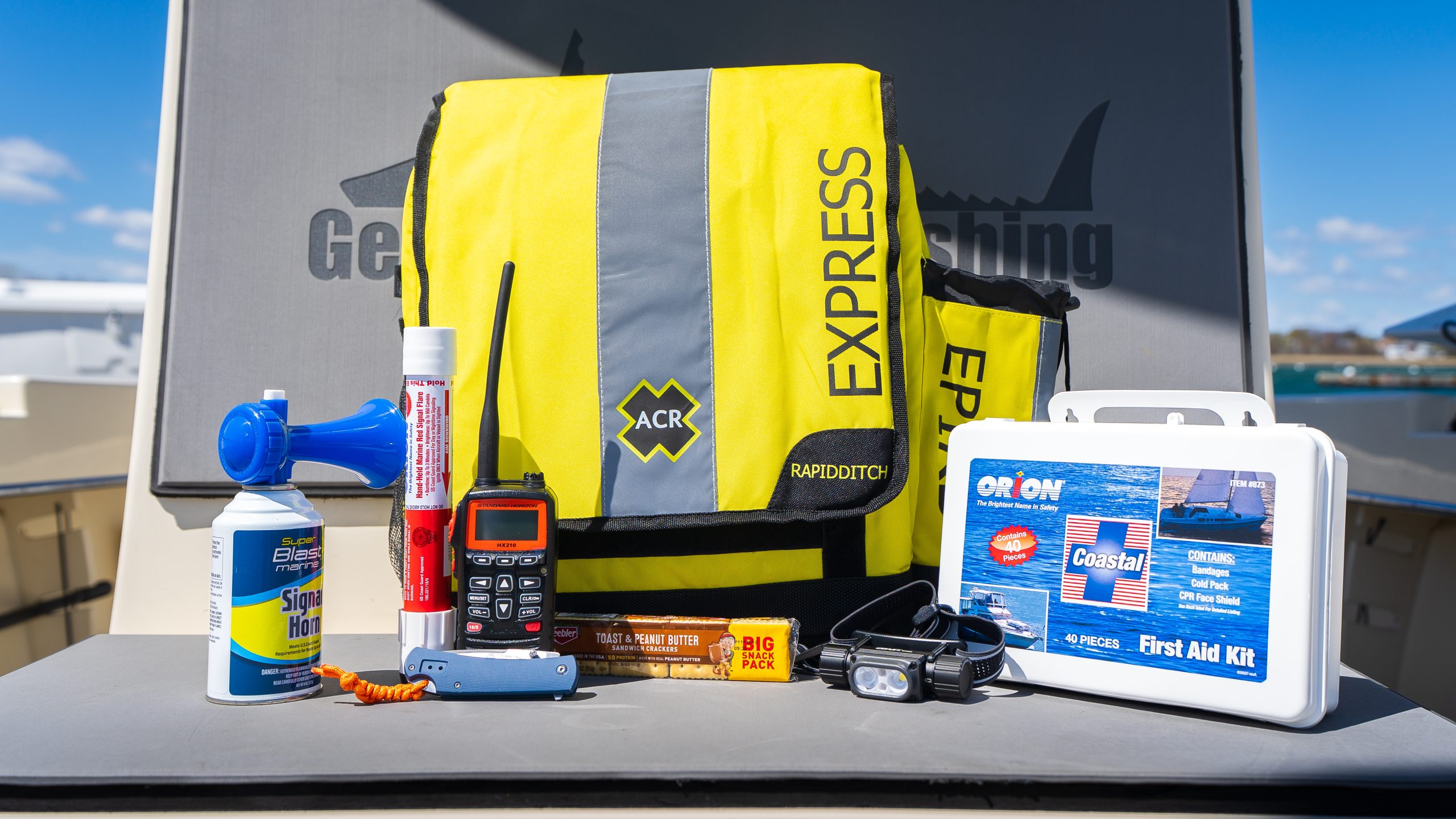
A ditch bag or safety bag
This is where your emergency gear lives: VHF, flares, whistle, light, first aid, knife, batteries, dry backup items. For nearshore trips a simple safety bag may be enough. For offshore, build it out more seriously.
Keep it packed, dry, and somewhere you can grab it fast. If your safety gear is spread across seven different compartments, you don’t have a safety system — you have a scavenger hunt.
Shop: Ditch Bags at West Marine
Bottom line
Check the bag. Charge the radio. Look at the flare dates. Make sure the PFDs fit. Know where the throw rope is. Check the plug. Look at the weather one more time.
None of it is complicated. It’s just easy to skip when everything feels fine at the dock.
The best safety gear is the gear you already checked before you needed it.
Before your next trip, rebuild your onboard safety kit at West Marine.