I always enjoy writing the fishing planners for On The Water because it allows me to sit and reflect on the past season and look ahead in anticipation of what’s to come. Every year, countless lessons are learned—albeit some glaring and some subtle—and tactics are then tweaked in hopes that careful reflection will build stronger, smarter, sharper fishing skills for the year ahead.
Our past fishing season in South Jersey brought a few hiccups, the biggest being the bluefin tuna closure, which cut off our inshore tuna fishery that has experienced explosive popularity in recent years. In addition to this is the uncertain future of striped bass. Hiccups aside, the collective pulse of New Jersey’s saltwater fishing scene in 2025 was fairly strong, with highlights including an excellent fluke bite, the sheepshead bridge bonanza, and a ridiculous offshore yellowfin tuna bite in the fall.
Spring Recap: Migratory Stripers, Sea Bass and Tautog (blackfish)
The 2025 season started with a patchy spring run of striped bass, although parts of Raritan Bay were on fire with 20- to 40-pounders while Cape May saw a better spring run of bass on clams. Most southern New Jersey fishermen had to contend with increased backwater action and fishing pressure, and several locations had more seals than usual. Let’s hope the latter does not become a regular occurrence, as bass and seals do not play well together.
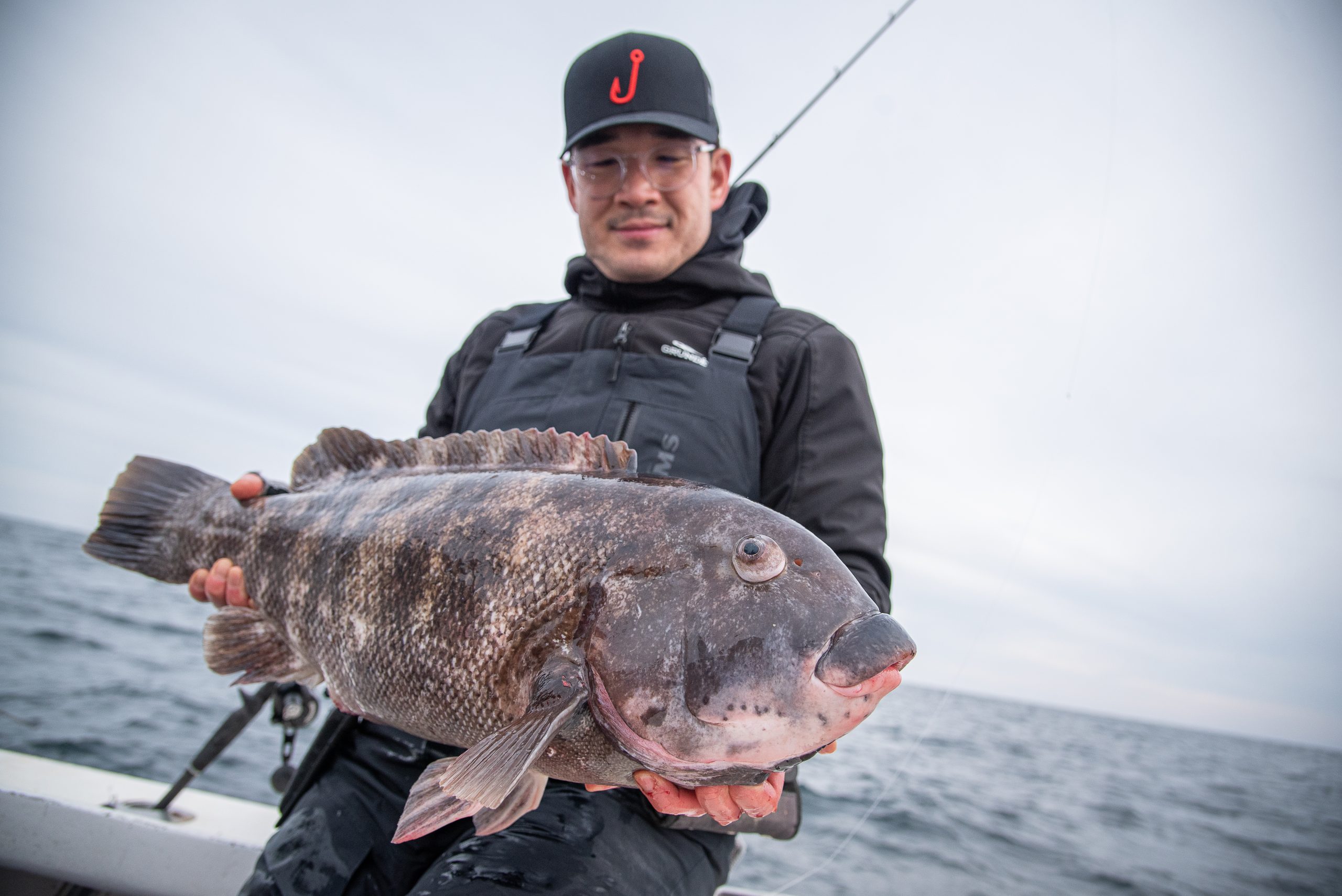
The spring tautog season always starts tough, and 2025 was no different, with prolonged cold water temperatures putting the brakes on the spring tautog bite. Unfortunately, it didn’t improve until the last week of the season. Couple those low water temperatures with a few spring storms, and early-season togging was rough, to say the least. By the time May arrived, the sea bass season proved gangbusters for another year, with plenty of limits to go around the first few weeks, followed by pickier fish for the remainder of the spring. Overall, the fishing was good, and there were plenty of keepers caught.
Season of the Summer Flounder (Fluke)
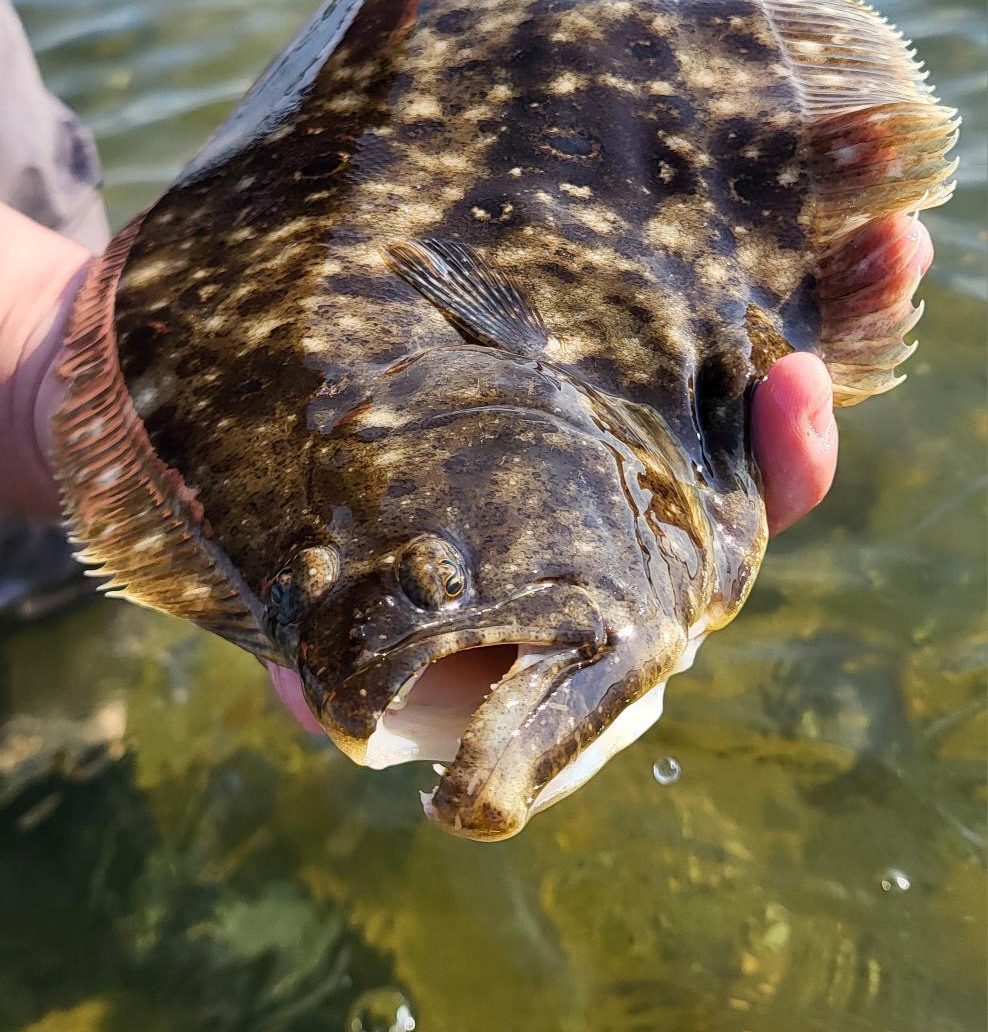
June through August is prime time for what is debatably New Jersey’s most important and popular recreational fish, summer flounder. Fluke are a major driver in the local economy, and the fishery takes a pounding between recreational, charter, and commercial interests, but it seems the biomass can handle it. In 2025, the early fluke season brought an excellent bay bite from Cape May to Barnegat Bay, with the first few weeks of red-hot action on minnows and Gulp baits. As the days and weeks passed, fishing became more challenging in some of our bays as water temperatures climbed. By mid-July, it was downright bathwater warm in parts of Barnegat and Great bays, and, coupled with some heavy south winds, the summer doldrums set in. Then, a few days of northeast wind from mid to late July provided a reprieve, and the ocean bite ignited and remained lit until Hurricane Erin worked her way up the coast around the middle of August. Large hurricane swells temporarily halted the fluke bite, and by the time the fluke recovered, there were only a few weeks left in the season. Keepers were more challenging to find—some reef sites were barren, and many anglers found better numbers 10 to 20 miles offshore. Oddly enough, toward the end of the season, the inlets and bays produced some nice keepers, with fish weighing up to 8 pounds landed on live spot or live peanut bunker. Many anglers recently discovered that a live spot—which produced several fish in the 10-pound range throughout the season—will produce tournament-winning doormat fluke in both Barnegat and Great bays.
Summer Savior: Sheepshead
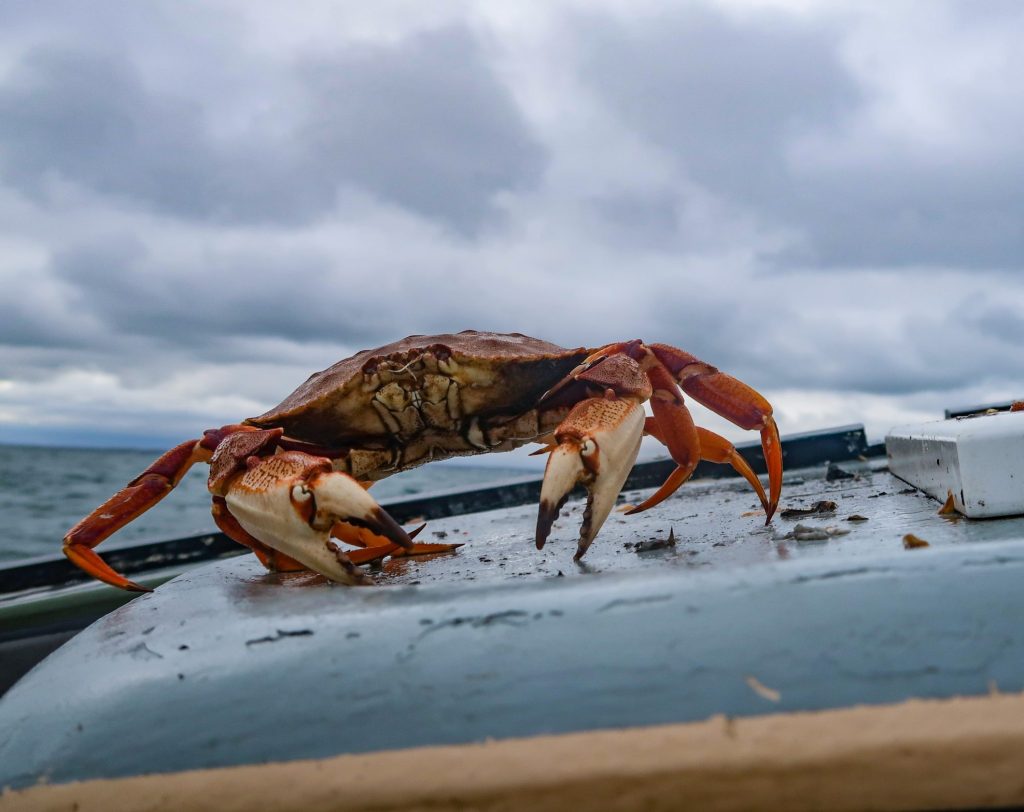
Although the tropical systems impacted our fluke fishery, the southern Jersey sheepshead bite was on fire for the entire season, with a few 10-pound-plus fish released off LBI. But the epicenter of the sheeps ranged from Ocean City to Stone Harbor, where sand fleas, fiddlers, and mud crabs were the tickets to getting bites around the bridges.
Fall Fisheries: Double-Digit Tautog and Jumbo Black Sea Bass
Our fall bottom fisheries kicked off in full swing with excellent togging from the jetties for anglers using green crabs and sand fleas. Sand fleas have proven to be fantastic baits for sheepshead and tautog, not to mention summertime sand beach bass. Early fall yielded shore-caught tog ranging from 3 to 6 pounds, as indicated by the readings of many tackle shop scales. White-leggers were the top baits for boat fishermen searching for larger tog; they produced fish up to 14 pounds, but as always, between the wind and weather, anglers had to pick their days.
As the black sea bass season progressed, the bite slowly shifted further offshore, and by the last few weeks of the season, it was your typical jumbo bassing as fish from New England made their way down to our offshore wrecks.
Final Thoughts: Recreational Bluefin Tuna, Releasing Big Sheeps, and Changing Regulations?
Regulations and fisheries management will be important factors in 2026, as summer flounder and several other species are subject to changing size and bag limits. Many fluke anglers are hoping for a slot size or split season to help some of our South Jersey areas. One noteworthy development is the status quo regulations for striped bass in 2026, following another season of poor recruitment in the Chesapeake Bay.

The recreational bluefin tuna fishery will remain in question, but hopefully it reopens and remains open, unlike the early closure in 2025. On a separate note, 2026 should be another banner year for sheepshead based on how this past season unfolded. It’s rewarding to see a trophy weighed in, but it’s also nice to see anglers on social media releasing a lot of these bridge bruisers. Atlantic City to Stone Harbor has been the epicenter, but don’t count out some of the “bridged” areas further north. It doesn’t hurt to try.
The excitement of a new year carries with it a special level of optimism and goals for the fishing season ahead. Sometimes, the goal is to try a new technique or piece of gear, tackle a different species, or introduce someone new to the fishing scene. One of my personal goals for 2026 is to use more glide baits—particularly New Jersey’s own Stride Baits, made in Somers Point. I was fortunate to secure a few in the fall, and they quickly became my favorite lures to target striped bass. Their action is irresistible, and they elicit phenomenal surface and subsurface strikes. Next year, I look forward to using them during the spring striper run and beyond.
READ MORE