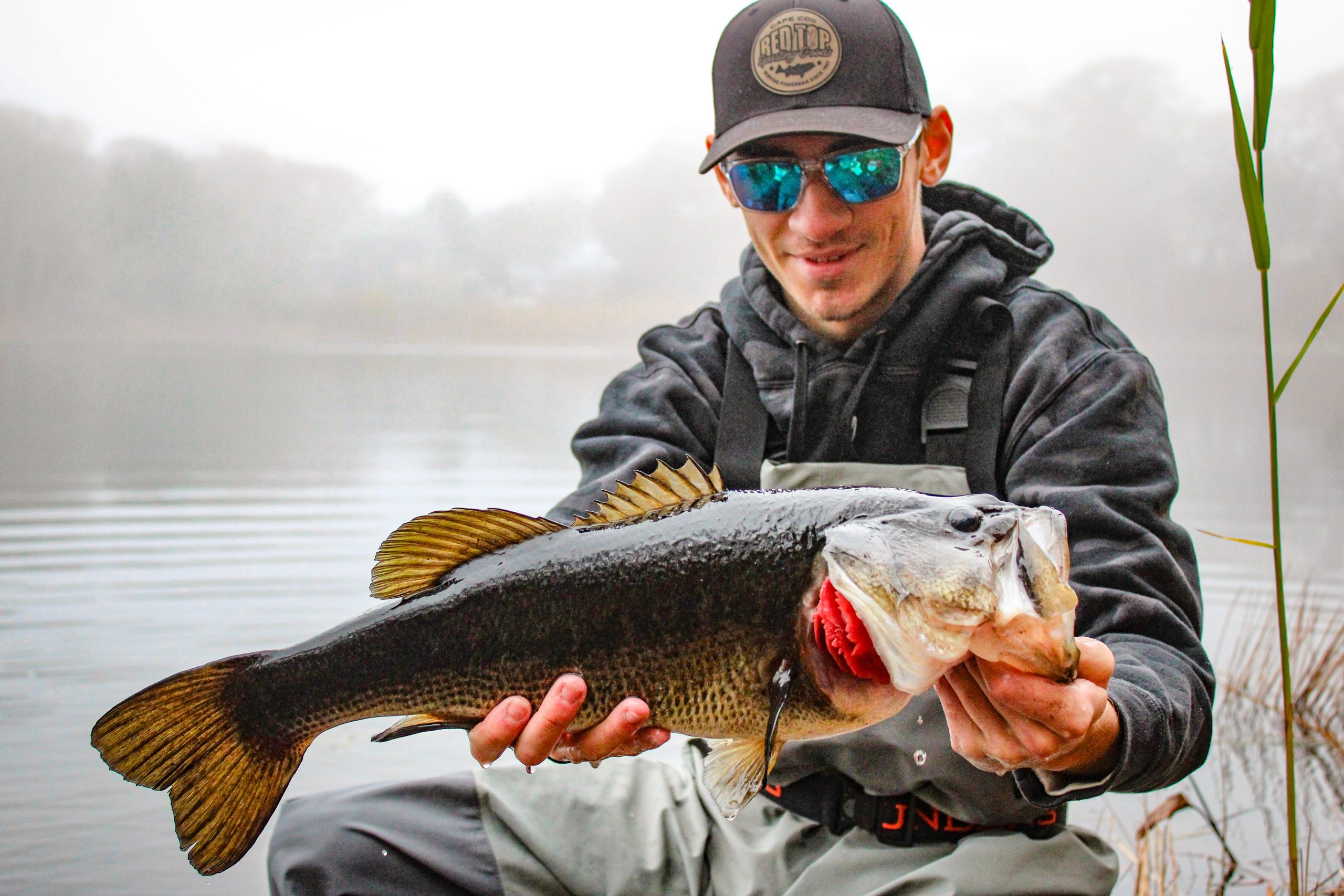

If there’s one time of year that can humble even experienced bass anglers, it’s the fall transition. The calendar says autumn is here and the mornings are cooler, but the bass don’t always seem to follow the script. One day they’re stacked on offshore structures, the next they’re chasing bait up on the bank. Whether it’s the fish themselves or the water they live in, things are constantly in flux. The key to consistent success during the fall transition is understanding that bass are following food, not the calendar.
As water temperatures begin to drop, schools of baitfish start to migrate, and bass won’t be far behind. However, not every fish immediately abandons deep water. You’ll often find bass spread throughout the water column, making versatility the biggest advantage an angler can have. Here are my favorite fall bass baits to keep on the deck as the seasons change.
Top-Producing Fall Bass Baits
Small Swimbaits
No matter the time of year, or where you are fishing, big fish eat little fish. To me, there is no better baitfish imitator than a small boot-tail swimbait. Whether rigged on a jighead or small belly-weighted hook, swimbaits imitate every kind of baitfish available in most water bodies.
During the fall transition, most of the available bait is on the smaller side, products of the spring’s spawn. The key is matching that hatch and finding a swimbait that mimics whatever forage is present. Lots of bluegills? Find something with a broader body profile. More smelt or alewife present? You’ll want something with a more slender shape. The closer you can match the shape and color, the more bass you’ll get to bite.
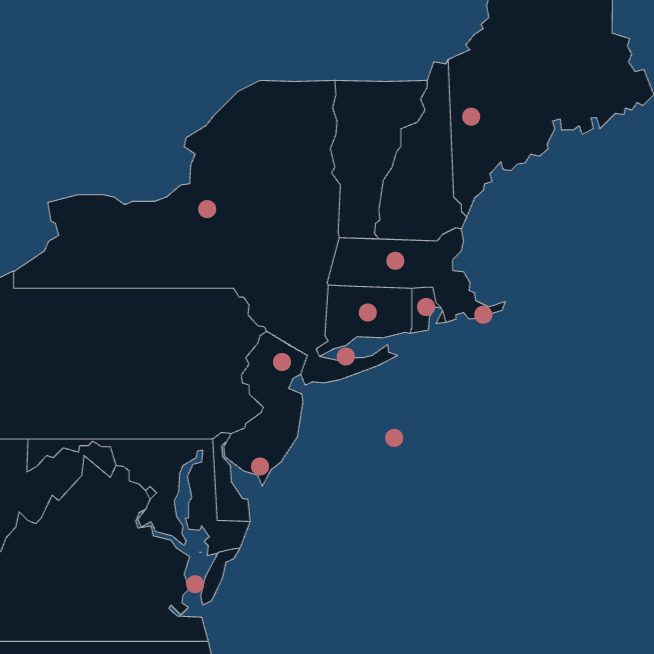
Just about every soft-bait manufacturer makes a swimbait. But for most scenarios, the Keitech Fat Swing Impact and the 6th Sense Party Minnow are my go-to fall bass baits. They both imitate the wide variety of minnow and baitfish species we have here in New York and come in a range of colors and feature an ultra-soft body.

Chatterbaits
Few lures imitate a panicked baitfish better than a vibrating jig. A chatterbait combines flash, vibration, and an erratic hunting action that bass simply can’t ignore during the fall feeding frenzy. It has become one of my go-to baits year-round, but the fall transition is when it really shines.
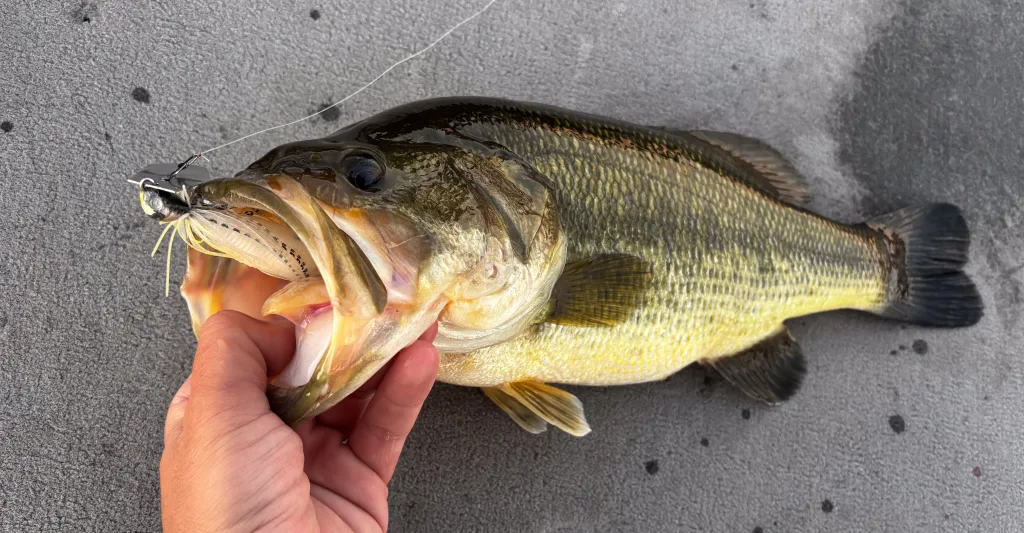
Pair it with a paddle-tail swimbait or even a straight-tailed trailer and fish it around grass edges, shallow flats, and creek mouths. One of my favorite retrieves is a steady wind — no need to overcomplicate things. Knock it into whatever cover you can find — grass, wood, or rock — and let it deflect free to trigger a strike. Those sudden deflections off structure often get following bass to commit. The chatterbait also excels in slightly stained water, where its vibration helps fish locate the bait.
There are plenty of chatterbaits on the market, but the one that works best for me is the Z-Man Evergreen Chatterbait Jack Hammer paired with a Yamamoto Zako trailer. Depending on color, this bait can imitate anything the bass are feeding on, and it comes in a wide range of sizes to fish all depths.
Topwater Walking Baits
Just because summer is ending doesn’t mean the topwater bite disappears. In fact, some of the most exciting fishing of the year happens during the fall when bass pin baitfish against the surface or shoreline. Watching a four-pound largemouth explode on a topwater bait never gets old.
Walking baits excel around schooling fish, especially during the early morning and late evening hours. Keep one tied on anytime you see bait flickering or birds diving. Long casts are critical to avoid spooking actively feeding fish. Long casts are key — getting too close will spook actively feeding fish. A steady walk-the-dog retrieve usually gets the job done, but don’t be afraid to speed it up if bass are aggressively chasing shad. Varying your retrieve and even including pauses will make bass commit to the bait.
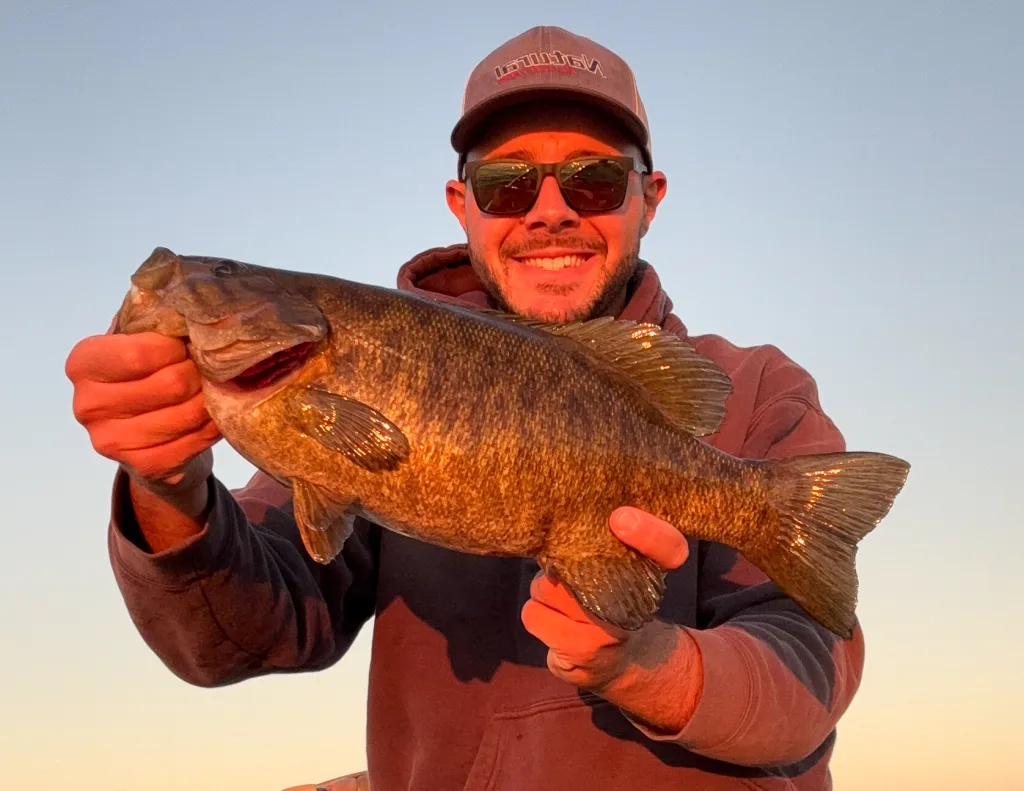
If I had to pick one, the Heddon Zara Spook is always my first choice. Its classic walking action has been catching fish for generations and still produces more topwater strikes than any other surface bait out there.
Jighead/Minnow Combination
Forward-facing sonar has made the jighead and a soft plastic minnow one of the hottest techniques in bass fishing, but it remains incredibly effective during the fall transition even without live sonar. It is the perfect technique to mimic slender, open-water baitfish roaming the middle of the water column.
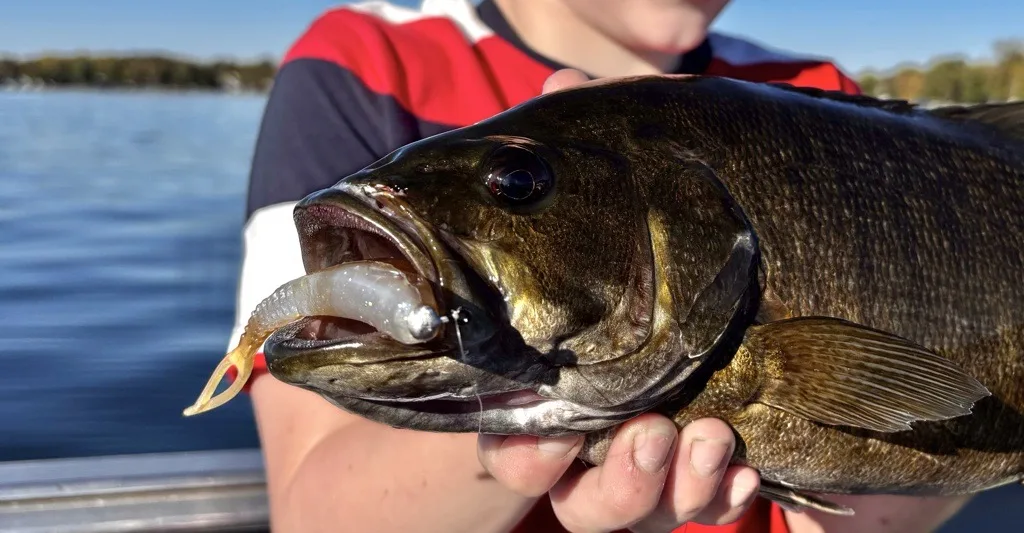
A soft plastic minnow on a jighead perfectly imitates the small baitfish bass are feeding on this time of year. Whether you’re casting at suspended fish, working channel edges, or targeting schooling bass, this presentation consistently produces. Match the size of your bait to the local forage. Most of the time, a 3- to 4-inch soft plastic in a natural baitfish pattern is all you need. A slow, steady retrieve with occasional pauses often outproduces aggressive rod action. You can shake it as much as you want, but I’ve had my best days just doing a straight reeling motion, and the bass follow suit.
Just about every company makes its own jighead-and-minnow combo, but a few definitely stand out. I’m a huge fan of the Northland Smeltinator Jighead designed by Bassmaster Elite Series angler Jeff Gustafson, who is arguably one of the best “moping” (a slow, finesse presentation targeting suspended fish) anglers on the professional tour. Pair that with a Rapala Crush City Freeloader or Mooch Minnow and hold on because bass can’t resist the rolling action of those two baits.
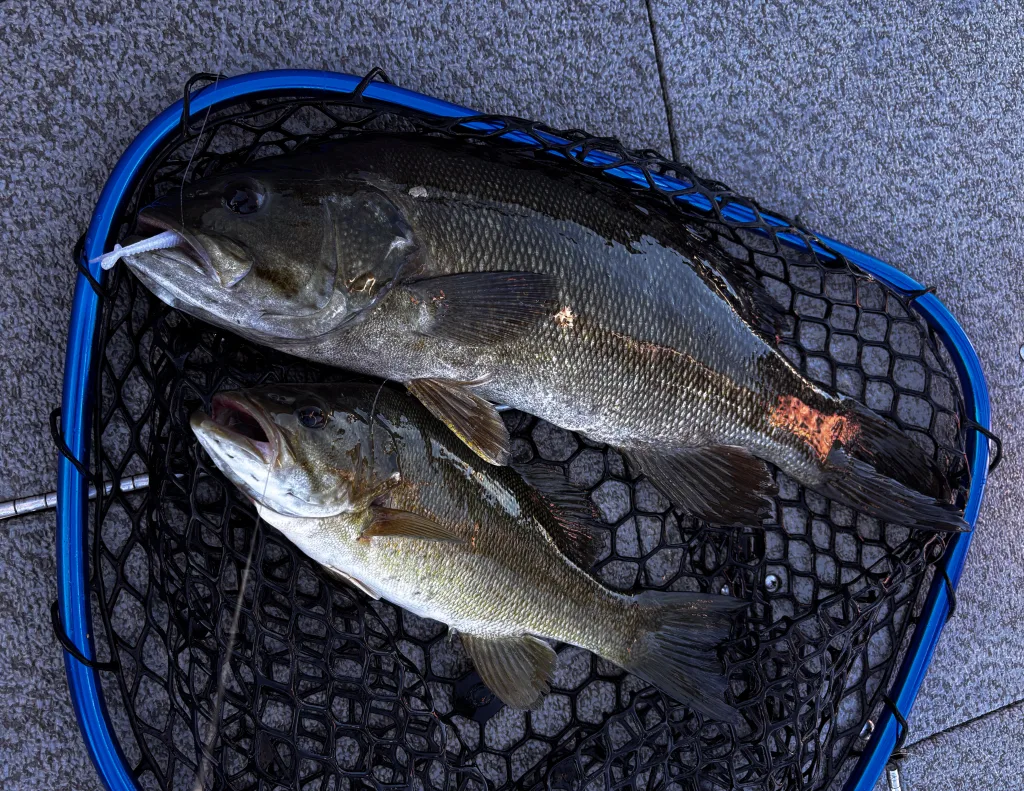
Follow The Bait
The biggest mistake many anglers make during the fall transition is fishing where bass were instead of where they are now. Bass are constantly on the move this time of year, making them hard to pin down. Spots that were holding fish yesterday may be empty today. Staying adaptive and watching for those subtle changes will make or break your day.
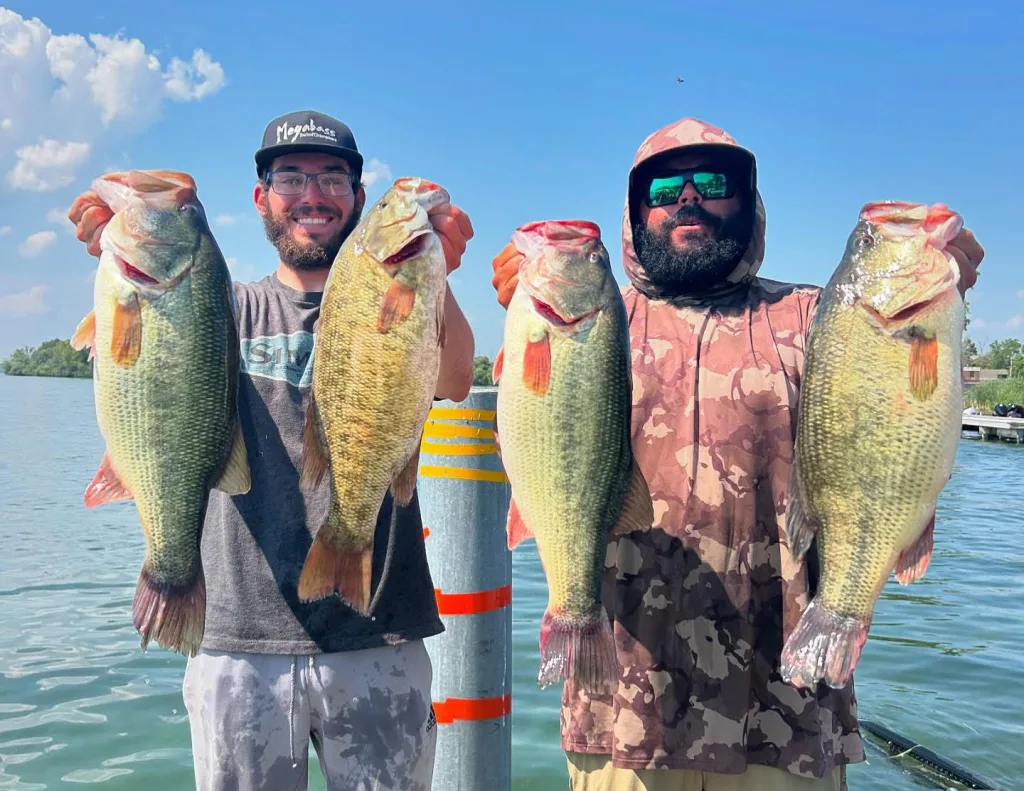
Spend as much time looking for baitfish as you do casting. If your electronics show empty water with little bait, don’t be afraid to move. Bass are constantly on the move this time of year, and finding the groceries usually means finding the fish. Creeks, pockets, wind-blown banks, and areas with current all deserve extra attention. Keep moving until you locate active fish, then slow down and thoroughly work the area.
The Takeaway
Fall transition bass fishing rewards anglers who stay mobile and keep an open mind. Rarely will one lure dominate every day, so having several moving baits ready allows you to adapt to changing conditions.
A swimbait, chatterbait, walking bait, and jighead/minnow cover nearly every situation you’ll encounter this time of year. More importantly, they allow you to efficiently search for actively feeding fish. Once you find the bait, the bass are usually close behind. Stay patient, trust what the conditions are telling you, and don’t be afraid to cover water. The fall transition can seem unpredictable, but when everything comes together, it offers some of the fastest and most exciting bass fishing of the entire year.
READ MORE