
 |
  |
Bad weather doesn’t always show up like a movie.
Sometimes it’s just a darker line on the water. A little pressure drop. A fog bank sliding across the bay. A wind shift that makes your drift feel slightly off. A radar return that looks harmless until it starts building faster than you can run from it.
If you fish the Northeast long enough, you learn one thing: the ocean doesn’t care that the bite is good.
Here are five weather red flags anglers miss, and the gear that helps you catch them early.

Building wind lines
Before you feel the wind, you can usually see it.
Look for darker streaks on the surface, ripples moving across otherwise calm water, or patches of texture that don’t match the rest of the bay. Those are wind lines, and they’re telling you what’s coming before it gets to you. This matters most when you’re fishing open water, running a small boat, or trying to sneak in one more drift around a rip or channel edge.
Garmin’s SiriusXM weather receivers, including the GXM 54, pull detailed weather data directly onto compatible chartplotters, so you can track what’s developing before it shows up on the surface.
If the water ahead looks different than the water you’re sitting in, that’s worth paying attention to.
Shop: Garmin Weather & Chartplotter Tools at West Marine
A fast pressure drop
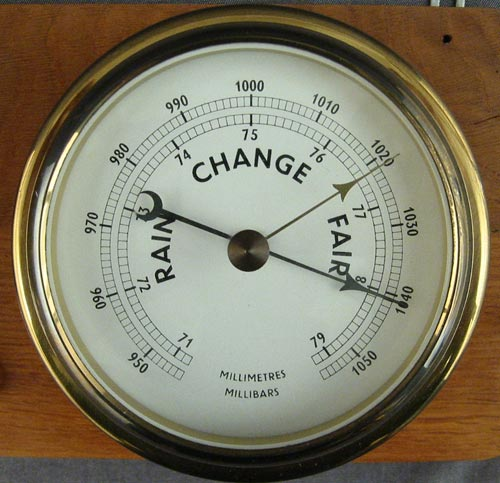
A barometer dropping fast is the ocean clearing its throat.
Pressure changes can signal a front, a squall line, a wind shift, or a developing system. You don’t need to be a meteorologist; you just need to notice when the trend starts moving the wrong way and moving quickly. A slow change is one thing. A sharp drop is another.
Modern marine electronics make it easier to watch that trend in real time, which matters because weather offshore can build faster than it does over land, especially when wind, tide, and sea state start stacking against each other. NOAA’s National Weather Service issues marine watches and advisories for exactly this — hazardous winds, developing seas, and short-duration threats like waterspouts and squall lines.
A falling barometer doesn’t mean panic. It means stop pretending nothing is changing.
Shop: Garmin Marine Electronics at West Marine
Rain bands on radar
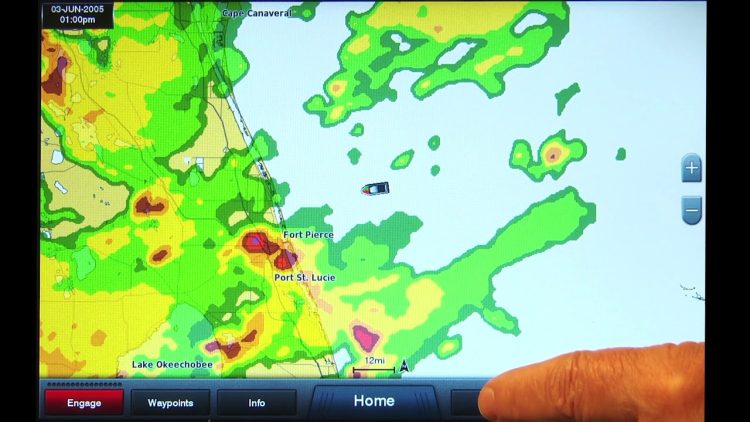
Your eyes are optimistic. Radar is not.
You might look at the sky and think you’ve got time. Your chartplotter might disagree. Rain bands — especially narrow ones that are building or moving fast — can bring gusty winds, reduced visibility, lightning, and ugly sea conditions surprisingly quickly. Thunderstorms over open water can produce shifting winds, waterspouts, and wave conditions that have nothing to do with what the sky looked like an hour ago.
The goal isn’t to run from every cloud. It’s to make the call early, while you still have room to make it. If you’re standing in the cockpit debating whether to beat the weather, you may have already waited a little too long.
Shop: Garmin GXM 54 SiriusXM Weather Receiver at West Marine

Fog sliding in
Fog is a Northeast specialty.
It shows up uninvited, kills visibility, makes every buoy sound farther away than it is, and turns familiar water into a gray room full of lobster pots. NOAA defines dense fog for mariners as visibility under a mile, and it can sometimes drop to just a few feet, faster than you’d expect.
When it sets in, priorities shift: slow down, watch the chart, listen, use radar if you have it, keep the VHF on, and make sure your horn or whistle is within reach. The instinct is to push through because you know these waters. That instinct is where people get into trouble. In fog, slow and obvious beats confident and fast every time.
Shop: VHF Radios at West Marine
Swell direction or sea texture changes
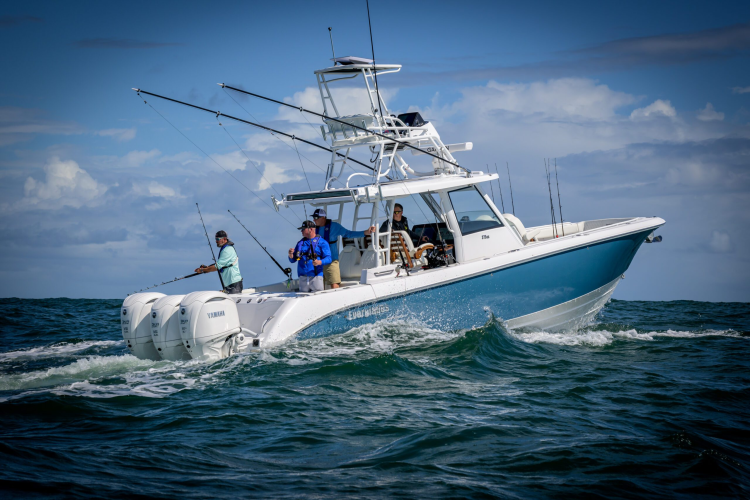
Sometimes the red flag isn’t wind or rain. It’s the ride.
A new swell angle. Mixed chop you didn’t have twenty minutes ago. A tide change running against the wind. A beam sea that snuck up on you. That’s when the boat starts acting different — the bow stuffs, the drift shifts, and the run home suddenly looks a lot less fun than the run out.
Garmin’s weather receivers and compatible chartplotters can display marine condition data that helps you evaluate what’s building around you before you commit to a long run. But electronics don’t replace looking outside the boat. They just give your judgment more to work with.
If the boat is riding wrong, don’t wait for it to get worse before you make a move.
Shop: Garmin Marine Weather Tools at West Marine
Bottom line
Most bad weather days start as fishable days. That’s what makes them dangerous.
The sky looks okay. The bite is good. The crew wants to stay. The run home should be fine.
Pay attention to the subtle stuff — wind lines, pressure drops, radar returns, fog, changes in the sea texture. Use the tools you have. Trust what the water is telling you. Make the call early.
The fish will be there another day.
Learn more about marine weather and navigation tools from Garmin products at West Marine.