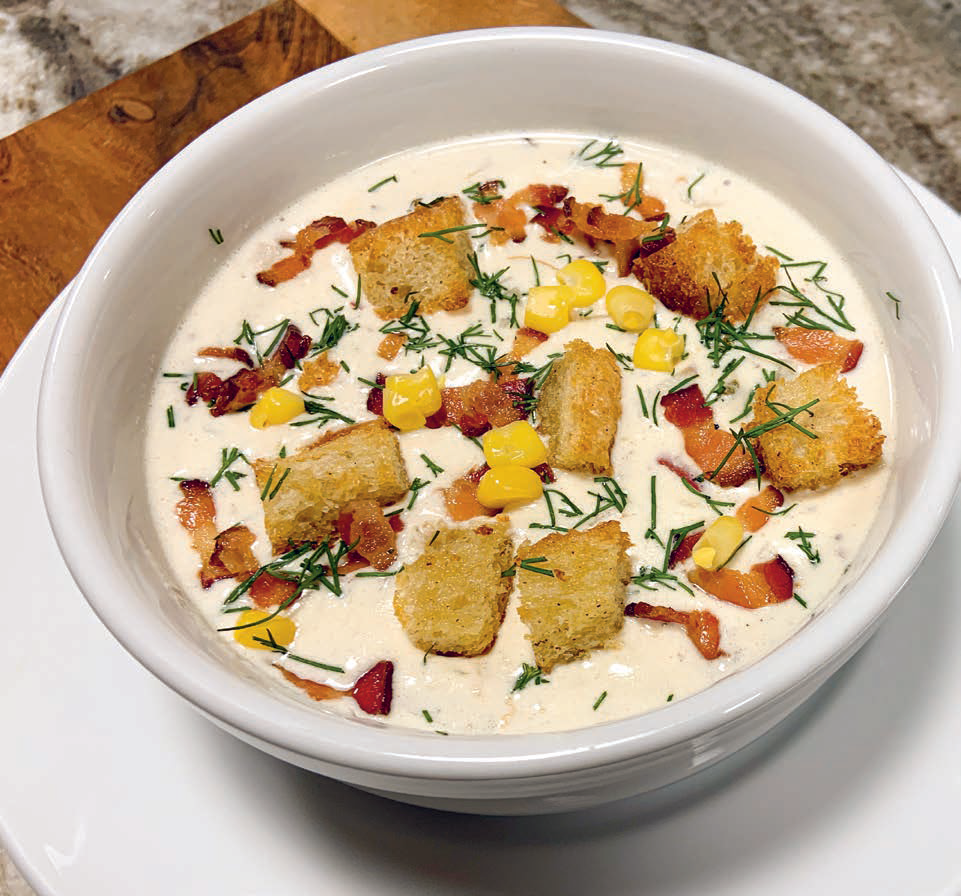

Cold nights, a waning fishing season, and dwindling opportunities to enjoy fresh seafood you caught and gathered yourself. But don’t give up yet. Here are some of the best options available to Northeast anglers looking for a hearty meal to help them ease into the offseason.
Fried Calamari

Where to Catch:
Squid linger around lighted piers and docks into December, with the Cape Cod Canal being one of the most reliable places to jig up a bucketful in the late fall.
Recipe:
1 pound squid tubes and tentacles
1 cup rice flour
1 cup flour
1 tablespoon white pepper
1 tablespoon paprika
1/2 tablespoon garlic powder
1/2 tablespoon chili powder
1/2 tablespoon salt
1.5 cups buttermilk
1 egg
Canola oil for frying
Lemon wedges
Pickled banana peppers
Instructions
Cut the squid tubes into ½-inch rings and slice the tentacles in half lengthwise.
Whisk the egg into the buttermilk and add the squid. Let it soak in the refrigerator for a half hour (the buttermilk will tenderize the squid).
Whisk together all the dry ingredients in a large bowl.
Remove the squid from the buttermilk mixture and strain it through a colander.
Put the dry ingredients into a gallon zip-close bag, add in the squid, and vigorously shake until well coated.
Toss it in the freezer for about 20 minutes.
Add the oil to an electric deep fryer until it’s about half full. Set the temperature to 365 degrees and wait until the oil comes to temperature.
Remove the squid from the freezer and put it in a large bowl, tossing it around again in the flour mixture until it’s well coated.
Set the pieces on a baking sheet, making sure they don’t clump together.
Once the oil is hot, add a handful of squid at a time to the frying basket and immerse in the hot oil.
Cook it for exactly one minute. Do not try to get it golden brown, as by that point, it will be overcooked and rubbery.
Remove the fryer basket, let excess oil drip out, place the calamari on a metal drying rack, and sprinkle with a bit of salt.
Add the banana peppers to the remaining flour mixture and toss until coated.
Fry the pepper rings for about 2 minutes.
Place the calamari on a platter, top with the fried pepper rings, and Garnish with lemon wedges and marinara or another dipping sauce.

Pancetta-Wrapped Bay Scallops

Where to Gather:
Assuming you’re properly licensed for the state or town where you plan to do your scalloping, you can find these most delicious of bivalves among eel grass meadows in bays and sounds. The deeper you’re willing to go, the better your odds of finding scallops that escaped the more casual shellfishers.
Recipe
5 to 8 large fresh bay scallops per person
1/4 pound sliced pancetta (or thinly sliced bacon)
Maple syrup
Lime juice
Black pepper
Instructions
Pop the shucked bay scallops in the freezer for about 8 minutes to help keep them from overcooking.
Cut the pancetta into 3/4-inch strips.
Wrap a piece of pancetta around a scallop and use a toothpick to seal it up.
Place the wrapped scallops on a greased baking pan with the pancetta facing upward.
Add one drop of maple syrup and one drop of lime juice to each one
Hit them with just a few cracks of ground black pepper.
Place the tray under the broiler and cook for about 3 to 6 minutes.
Seared Haddock in Garlic Cream Sauce

Where to Catch:
Headboats from Boston North will be ferrying fishermen toward productive grounds for haddock throughout the late fall. In addition to haddock, cusk, redfish, and pollock all come over the rails on these trips, and all can be substituted into this hearty, tasty recipe.
Recipe
4 6-ounce fillets of the catch-of-the-day
2 tablespoons olive oil
1 tablespoon unsalted butter
Spice Rub
3 tablespoons flour
1 teaspoon salt
1 teaspoon chili powder
1/2 teaspoon pepper
Lemon Garlic Cream Sauce
3-4 cloves garlic, minced
1 cup chicken broth mixed with 1 tablespoon cornstarch
1/2 cup heavy cream
1 tablespoon cornstarch
1 teaspoon fresh thyme
1 teaspoon fresh rosemary, diced
1 to 2 tablespoons lemon juice (to taste)
Fresh parsley for garnish, chopped
Instructions
Pat the fish dry with paper towels and sprinkle on the spice rub.
Preheat a cast-iron skillet on medium heat for 8 to 10 minutes. Once the handle is hot to the touch, add the oil and butter, then wait one minute.
Add the fillets, skin side up, and cook for 3 to 4 minutes until browned.
Flip fillets over, then cook an additional 2 to 4 minutes (depending on thickness).
Remove fish to a warmed platter.
Add garlic and sauté for 30 seconds.
Add the chicken broth/cornstarch mixture and bring to a light boil.
Next, add the cream, lemon juice, thyme and rosemary.
Reduce heat to low and simmer until slightly reduced, about 4-5 minutes.
Season with salt and pepper to taste and add more lemon juice if desired.
Plate the fish and spoon sauce over the top, then garnish with parsley. Serve with rice, potatoes, or pasta.
Oyster Po’ Boys

Where to Gather:
Depending on where you live, gathering oysters on your own could be extremely simple. Some towns, like Falmouth on Cape Cod, raise oysters in pens to help clean the backwaters, then spread them throughout certain areas where licensed shellfishermen are free to gather a peck.
While raw oysters with a hit of lemon and a splash of hot sauce are all some folks require, frying them up and preparing an oyster po’boy is the type of treat that staves off winter cold.
Recipe: Fried Oysters
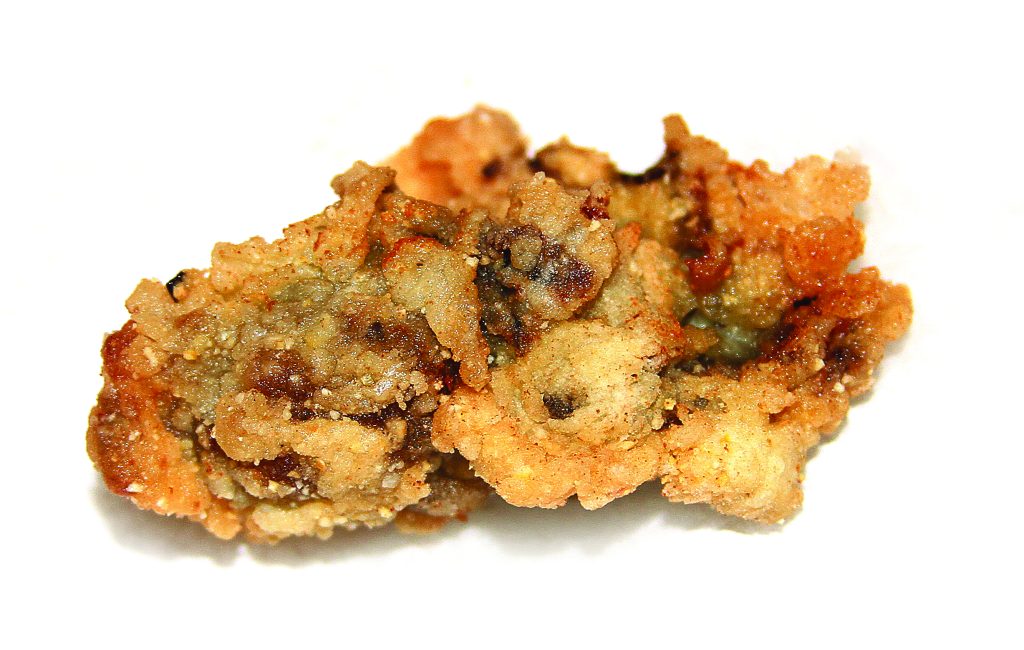
4 dozen oysters, shucked
1 1/2 cups milk
2 tablespoons evaporated milk
1 tablespoon water
1/4 teaspoon cayenne pepper
2 eggs
1 cup all-purpose flour
1/2 cup cornmeal
1/2 teaspoon
black pepper
Kosher salt
Vegetable oil, for frying
Instructions
Drain the oysters and place them in a bowl, cover with milk, and let soak for 15 minutes.
In a medium bowl, whisk together evaporated milk, water, cayenne, and eggs.
Put the flour, cornmeal, black pepper, and salt into a brown paper bag, close it, and shake to mix.
Heat at least 3 inches of oil in a deep fryer to 360 degrees.
Drain the oysters from the milk and dip them in small batches in the egg mixture, then place in the paper bag.
Close and shake until oysters are fully coated.
Fry in batches of about a dozen, turning once, until golden brown, about 3 minutes.
Remove to a paper towel and dust with salt.
Recipe: Oyster Po’ Boy
4 dozen fried oysters
4 (6-inch) fresh sub rolls
Spicy remoulade sauce
4 leaves romaine lettuce
Lemons
Cut each roll in half horizontally, leaving it attached along one edge.
Slather a generous amount of spicy remoulade on the inside.
Place a lettuce leaf on it and fill generously with oysters.
Squeeze fresh lemon juice over the oysters just before serving.
Spicy Remoulade Sauce
1 1/4 cups mayonnaise
1/4 cup stone-ground mustard
1 clove garlic clove, smashed
1 tablespoon pickle juice
1 teaspoon hot sauce
1 teaspoon horseradish
1/4 teaspoon cayenne pepper
1/4 teaspoon paprika
Place all ingredients in a food processor and blend until smooth.
Chill until ready to serve.
Fish Chowder
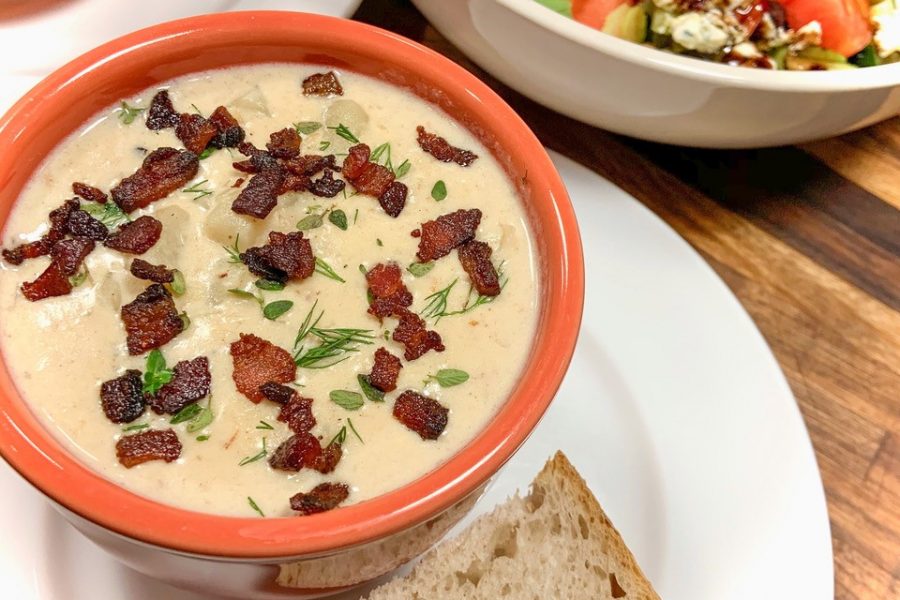
Any hearty white fish can be incorporated into chowder, but given the time of year, tautog tends to be the main ingredient of New England anglers making their own fall comfort food. Haddock and pollock can also work.
Recipe
3 cups fish broth
1 pound tautog fillets, skinned
1 pound red bliss potatoes, cubed
1 large yellow onion, diced
½-pound bacon, minced
2 sprigs fresh dill
2 sprigs fresh thyme
1 10-ounce can evaporated milk
1 1/2 cups whole milk
2 to 3 tablespoons butter
2 to 3 tablespoons flour
Salt and pepper to taste
Instructions
Dice up the bacon and add it to a large stock pot.
Cook the bacon over medium heat until crispy and all the fat has rendered out.
Scoop out the bacon bits and set them aside on a paper towel.
Drain out excess bacon fat but leave about a tablespoon in the pot.
Add onions and cook them over medium-low heat until translucent, about 10 to 15 minutes. (If the onions are starting to stick to the bottom of the pan, add a spoonful of fish broth to help soften them up.)
Once the onions are cooked through, add potatoes and mix them around.
Add enough fish stock to just cover the potatoes, cover, and simmer on medium heat for 12 to 15 minutes, until the potatoes smash up when pressed against the side of the pot. Add more fish stock if necessary to keep the potatoes submerged in liquid at all times.
Add fillets, reduce heat to low and cook, covered, for 10 minutes.
Once the fish begins to fall apart, turn the heat off and add evaporated milk.
In a separate saucepan melt 2 tablespoons of butter on medium-low heat and work in 2 tablespoons of flour with a spatula.
Mix it together until it forms smooth, bubbly paste.
Add milk, increase the heat to high and stir constantly until bubbles emerge, just before boiling point.
Remove from heat and continue to stir for a few minutes, and then pour it into the chowder pot.
Cover the pot and let the chowder rest for at least a half hour, or if you have the time, up to 2 hours.
Garnish with bacon bits when serving.
Recipe: Fish Stock
1 pound fish racks, fins and scraps
3 bay leaves
1/2 cup onion, chopped
1/2 cup celery, chopped
1 sprig fresh dill
1 sprig fresh thyme
Pinch of salt and pepper
6 cups water
Combine all ingredients in a stock pot.
Add the water, cover the pot and crank up the heat.
Once it comes to a vigorous boil, lower the heat to medium-low and cook covered for at least an hour, or until the liquid has reduced by about one half.
Strain thoroughly and set aside.

Maple Balsamic Glazed Trout

Where to Catch:
Of course, not every late-season catch and cook has to originate in saltwater. The ponds and rivers are teeming with hungry trout this time of year, especially the ones that benefitted from a fall stocking. Head out with your stringer, and your favorite trout catcher, and bring home a couple of the best-eating freshwater fish we have in the Northeast.
Recipe
4 trout fillets, skin on
Salt and ground black pepper
1 green onion, diced
2 tablespoons chopped fresh parsley for garnish (optional)
For the glaze:
1 1/2 tablespoons good balsamic vinegar
1 1/2 tablespoons maple syrup
1 1/2 tablespoons fresh lemon juice
1/2 teaspoon sriracha
2 teaspoons olive oil
1 teaspoon cornstarch
Instructions
Preheat oven to 400 degrees.
For the glaze, whisk together all ingredients in a small sauté pan.
Cook on medium heat until it reaches a boil, then remove from heat. The cornstarch will thicken it as it cools.
Line a baking sheet with foil and coat it with cooking spray.
Add the fillets, then sprinkle with salt and pepper.
Brush on half the glaze and top the fish off with the diced green onions.
Roast for 10 to 12 minutes until the thickest part registers 145 degrees
Drizzle on the remaining sauce and garnish with chopped parsley.
READ MORE