There is no stronger connection between two people than one that has been bonded by water. Whether you chase finned creatures in the salt or the fresh, there is likely someone you are uniquely connected to because they taught you how to fish. It could be a father, an uncle, a mother, brother, or another family member. That unique person may also be a mentor you met on the beach, at a stream, on a party boat, or at a fishing pier. They may be a friend, similar in age, who happened to be an outdoorsman before you found your calling on the water. I can tell you with certainty—there will be a day when that person is no longer with you, and there is no way to adequately prepare for the sense of loss that will accompany their passing.
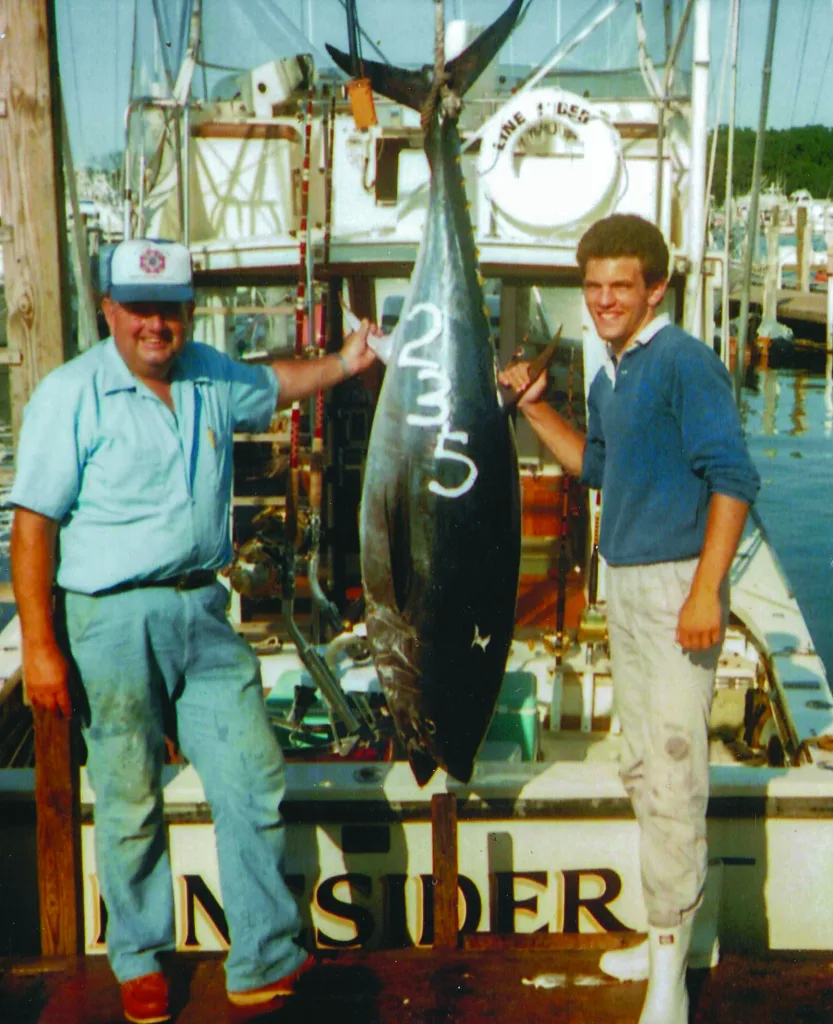
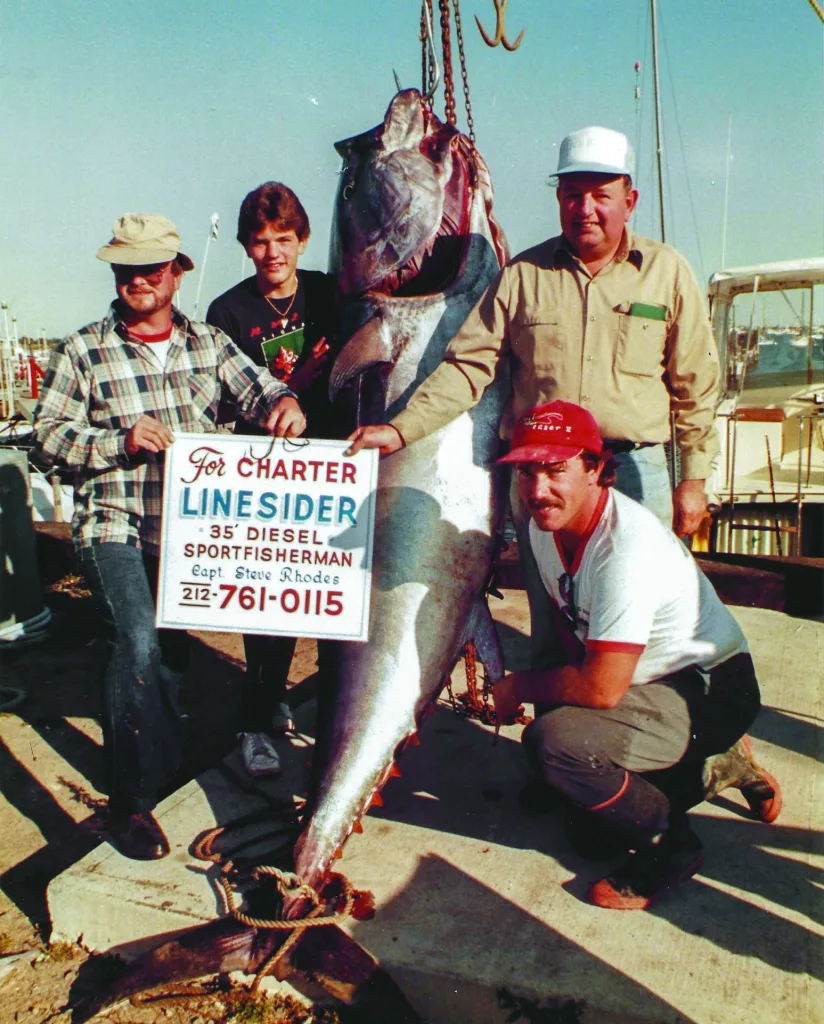
I was blessed to be born into a family that lived fishing. Friends of mine tell me that I have salt water in my blood. My grandfather, father, and two uncles designed their own walkaround 36-foot flybridge sportfisherman in 1969, the year that I was born. They took their boat, PIPP, to Rhode Island and won the United States Atlantic Tuna Tournament in 1971. During my teenage years, I worked for my father on his charter boat. On days I wasn’t working for him, I worked for my uncles on their party boat. I continued spending my life on the water with my father at every opportunity, logging more than 10,000 hours with him chasing tuna, marlin, sharks, and every inshore species from Nova Scotia to New Zealand. On February 2, 2025, he crossed the bar for the last time. The one who had taught me how to fish was gone, yet nobody had taught me how to deal with his loss.
People who hunt and fish tend to be adventurers who don’t easily share their emotions. We tend to find it difficult to open up and express what we are feeling. Psychologists have stated that the most significant sense of loss shaping a man is the loss of his father. I believe that the sense of loss is amplified exponentially if the person you lose is the one who taught you how to tie knots, read the water, unhook a fish, release it, and appreciate the beauty in every sunrise and sunset. When the one who mentored you is gone, you are left staring into a chasm of despair that was once filled with meaning and purpose. How do you regain your balance? I don’t think there is a perfect answer. My advice is to get out on the water and fish.
I faced challenges to find the motivation to prepare my boats for the season last spring. Routine tasks that would have normally taken minutes took hours instead. My crew came to my aid and took on a bigger role sanding and painting the bottom, climbing scaffolds and polishing the hull, completing routine engine-room tasks, and launching our boats. At every twist and turn last spring, I had a rough time not being able to consult my father. He had been by my side building Legacy at Henriques Yachts 25 seasons ago. My father was a retired Chief Marine Engineer from the FDNY’s largest fire boat with a treasure trove of knowledge. He had answers to every question on how to best keep the boat running in top shape for over two decades.
When our 35-foot Henriques Express and classic 1971 21-foot Boston Whaler finally hit the water in April, I felt a huge sense of relief. That feeling was quickly replaced by a sense of being adrift. I had lost my desire to chase striped bass during the spring run on Raritan Bay. This was the species that fueled a shared passion with my father, and we had caught and released thousands of bass over the last three decades. I did a few trips with my sons on our Whaler during frigid April days and we caught our share, but the fire was lacking. For the first time in my life, I felt rudderless on the backyard waters I had fished for over 50 years.
April turned to May and the early season bluefin tuna were notable by their absence in the northern New Jersey waters. With a glass-calm weather forecast, I knew our best chance for spotting bluefin pushing water on the surface and connecting was on Mother’s Day. My wife declared that I better get on the water to help clear my head and that my two sons were welcome to share the day with me chasing bluefin. With the lack of reports, I decided not to invite any additional friends for the trip. My usual crew of experienced tuna fishermen were never too excited about a day on the water that would likely turn out to be an early season boat ride.
As I pushed the throttles to cruising speed toward the end of Manasquan Inlet, I could see that the forecast was spot-on and we had a flat ocean ahead of us. The last time I had traversed the inlet the previous November, most boats were heading back in early after absorbing a beating from a strong nor’easter. I had moved my trip back four hours, hoping the seas would ease a bit. My gamble paid off as we faced a rough ocean that was manageable, but not comfortable, to fish in. My crew and I landed a memorable 65-inch bluefin that afternoon. My 20-year-old son, John, was on the rod and the bluefin was his personal best. Little did I know that it would be the final fish landed on Legacy before my father’s passing.
I flew to Florida the morning after the November bluefin trip to visit my father in the hospital. When I showed him the photos and videos, he beamed with pride at what we had accomplished. Now, six months later, I was at the helm of Legacy with my thoughts drifting back to days when I could consult my father on where to start fishing, the lures to use, and the day’s overall strategy. My mentor was gone, and this was the first trip on the boat where we had spent the last 25 seasons together. Emotions were running high.
We ran to a series of lumps in the shipping lanes where we had connected several times the prior fall. The greasy-flat ocean showed no signs of life. I spoke with several of my friends, who reported seeing little bait and only a few schools of dolphins. We decided to look further offshore. After two more hours of seeing no life over a 10-mile area, I eventually found a small patch of birds. John climbed into our marlin tower as we approached the first sign of good life we had seen all day. My younger son, Hunter, and I then saw flashes from about four to six bluefin in the 60- to 70-inch class eating tiny rain bait from our position at the helm. John shouted down from the tower, “I saw at least twenty in the school!”
I swung the boat hard to port to put our top-producing spreader bar over the school. The center rigger quickly shuddered with a huge knockdown. I spun around, expecting to see the 70VSW reel connected to the bar screaming. It was silent. John leaped down from the tower, grabbed the rod that he had personally built, and started to jig the spreader bar, similar to the way that you would jig a bucktail while trolling for striped bass. Swirl on the bar! Miss! Another swirl and miss!
John was relentless in his approach. It seemed as though time stood still as the bluefin kept missing the hook bait. Would we miss our best shot on this day? My heart was in my throat with each missed pass. After about the seventh monstrous swirl, the bluefin finally decided to commit and smashed the hook bait in a tremendous surface bite. Game on!
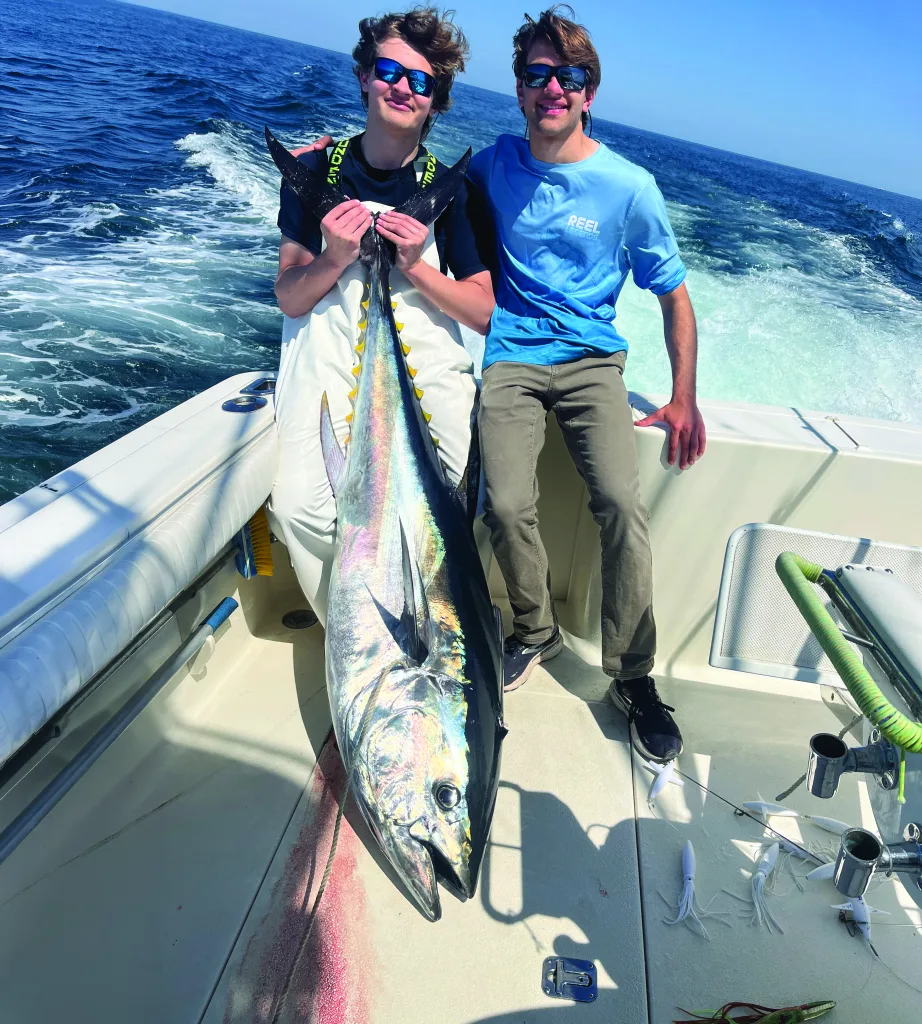
Both John and Hunter fought the bluefin from our fighting chair and eventually decided to hand the rod off to me after an hour of fighting time. Early spring bluefin seem to fight with a lot more resolve than fall bluefin. After 20 minutes on the rod, I had the fish to the leader only to see that the 400-pound snap swivel had somehow opened during the fight, likely from the bluefin’s tail hitting it. John grabbed the leader below the open swivel, handed it off to me, and then landed a perfect dart shot right under the bluefin’s gill plate. Hunter captained the boat during the critical time when I was on the rod and did an expert job keeping the bluefin off our port stern corner. We were thrilled that the three of us had landed a 70-inch bluefin on this memorable first trip since my father’s passing.
On the 20-mile ride home to the inlet, a cataclysm of emotions swirled through my head. I was elated that my sons and I had landed one of the first bluefin of the season. I also realized that there would be no sharing of photos and videos with my father later that day. I yearned to hear him say those words that brought more joy to my sons and me than anything else he would ever tell us, “I am so proud of the three of you.”
While at the helm, I had a flashback to a challenging day at the hospital last November when my father and I were watching Top Gun:Maverick. In one scene, the character Iceman, unable to speak and nearing his death, types into his computer some of his final words to Maverick “It is time to let go.” My father and I exchanged a somewhat nervous glance towards each other at the conclusion of that scene, perhaps with a shared understanding that his sands of time were running low. During the ride home with the bluefin on the deck, I realized that I faced a similar scenario. It was indeed time to let go of the emotions that had been haunting me since my father’s passing.
After clearing the inlet and getting close to our marina, I took the boat out of gear to let an elderly couple who were kayaking pass in front of us. We all heard a loud bang under our starboard stern corner—the starboard shaft had broken at the propeller after 25 seasons. My father was a maintenance guru and always said, “You can’t see inside the stainless steel of a shaft; it will break when it is ready to break.” Although disappointing, I was just thankful that the shaft broke close to home and not on the way out or while we were 20 miles offshore, battling the bluefin. In the game of fishing, we all need to take the highs alongside the lows with equal measure.
We all have different experiences and memories from sharing time on the water with the mentors who taught us how to fish. I was fortunate to experience a lifetime of sunrises and sunsets, tournament wins and state records, storms, long runs in the fog, adventures in exotic foreign locations, and simple days in our skiff on the bay with my father for over 50 years. We had plenty of shared disappointments and shared redemptions. What can we do to move forward when those days inevitably end? I am reassured that my father is with me in spirit every time I step foot on Legacy, re-rig old bunker spoons that he hand-crafted, tie knots he taught me, and walk the docks with my sons because of our shared love of the sport. He is there in the crest of the whitecaps, in the flight of the shearwater, in the hum of the diesels, and in the roar of the wind.

The passing of close friends that I fished with had always been challenging for me. As my father got older, I grew to appreciate every moment with him. He fished into his 80s and was an inspiration for many of his peers to keep doing what they loved. On his last tuna trip, he was at the helm when Hunter landed his first bluefin. On our last sharking trip, we got a beautiful mako and then tagged and released a thresher shark over 450 pounds. His final striped bass trip produced a 50-inch fish on one of his custom bunker spoons for John. We last traveled internationally in 2012; at age 75, my father was at my side in Prince Edward Island when I caught and released an estimated 1,100-pound bluefin on 80-pound-class stand-up tackle, realizing our shared lifelong goal to land a grander bluefin.
My father’s mass card is displayed at the helm of Legacy with three simple words below it: “Father, Mentor, Friend.” My late friend, Captain Larry Festa, had a similar tribute to his father on his boat and I thank him posthumously for the idea. I can’t look at the helm without being reminded that my father’s influence will always be with my crew and me. I do hope that my fellow fishermen find the same peace of mind when they walk the beach, the stream, the pier, or the decks of the boats where their mentor shared their teachings and magic. My sons and I continue to chase the fish of our dreams, content in knowing the salt water that bonds us still beckons us all toward another horizon, pulled by the endless memories of the ones who came before us.
READ MORE