
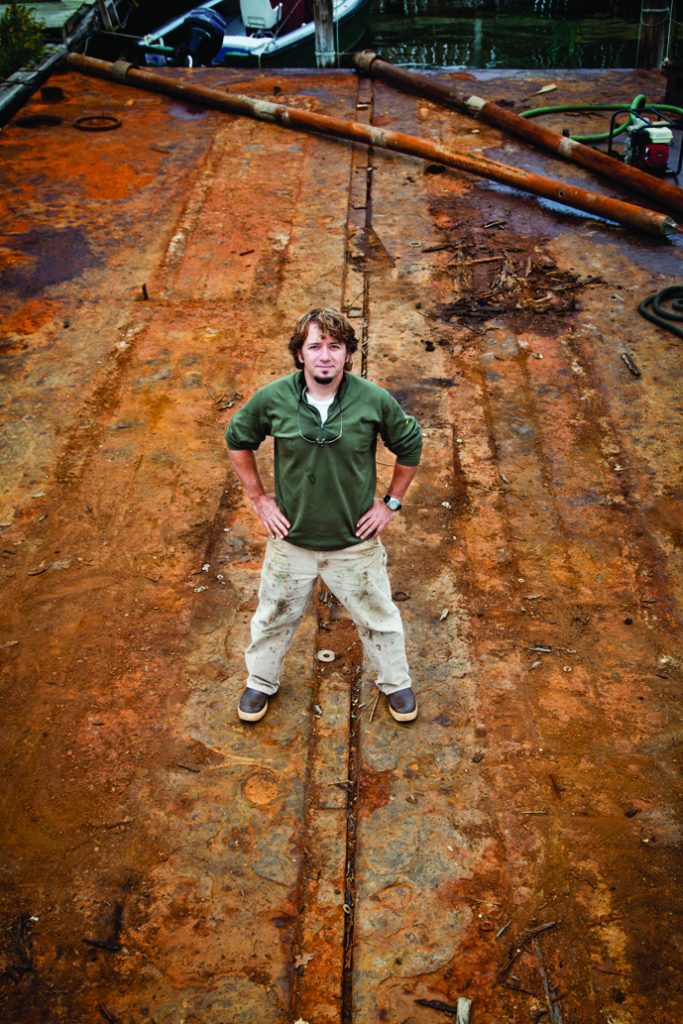
Chris Wojcik, by his own admission, is seeking redemption. Others might call it cosmic justice.
After watching his massive horseshoe crab sculpture unceremoniously fall off a barge and shatter on the ocean floor off the New Jersey coast in 2012, the president/CEO of Animal Exhibits and Design in Bay Head, NJ, is contemplating a new, larger underwater project. This time around, he plans to place a 60-foot-long, 30-foot-high lobster sculpture as an artificial reef for anglers and scuba divers in New Jersey waters, hopefully within the next year.
Wojcik believes it could be the largest underwater sculpture in the world—depending on how artist Jason deCaires Taylor’s numerous sculptures around the world are measured—but it will certainly be the largest underwater lobster sculpture in the world.
The massive sculpture is also designed to drive awareness for what he calls “underwater or diving tourism” to the state, along the same lines as divers’ dream destinations such as John Pennekamp Coral Reef State Park in Key Largo, Florida, or Truk Lagoon in Micronesia (which is halfway between Hawaii and the Philippines).
Some of the other benefits associated with underwater sculptures is diverting scuba-diving activity from fragile reefs, as well as eventually creating important habitat for marine life. And as any angler who fishes New Jersey waters will tell you, where there are artificial reefs or structure, there are fish … lots of fish.
“Once again, Chris has come up with an awesome idea and I’m all for it,” said Peter Clarke, the head of New Jersey’s Artificial Reef Program and a fisheries biologist. “This new sculpture can create multi-dimensional awareness for our program, underwater tourism, and what leaving a legacy looks like.”
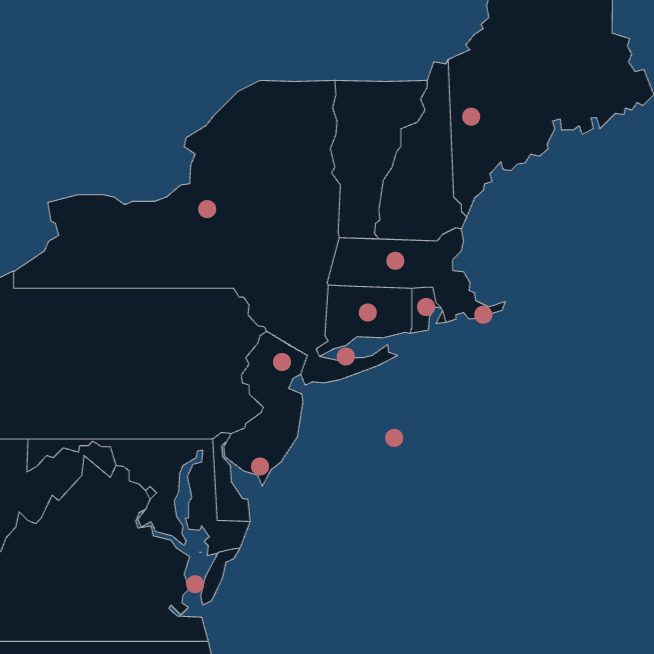
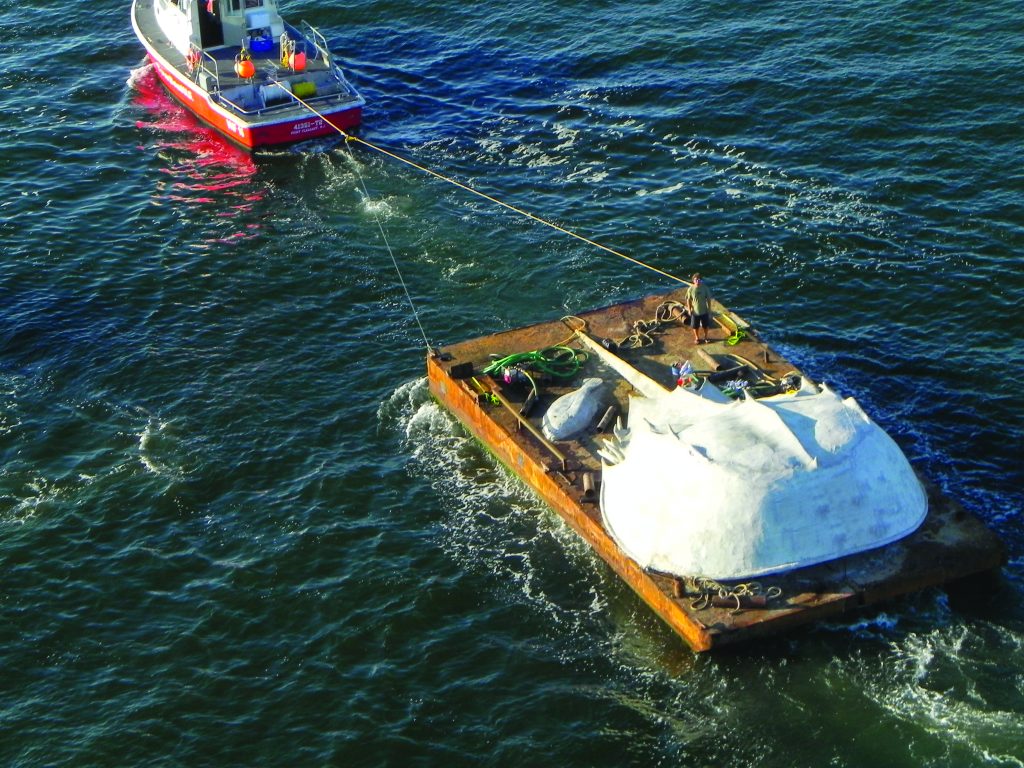
It’s taken Wojcik a while to get over the events of August 2012, when his horseshoe crab sculpture, which was 50 feet long and weighed approximately 113,000 pounds, was dropped off a barge and became a pile of concrete rubble in 80 feet of water. The fractured sculpture still lies off the Axel Carlson Reef near the Manasquan Inlet and serves as a home for marine life, but that’s cold comfort for Wojcik.

“It was a major disappointment, but I guess I’m a fairly easygoing guy,” said Wojcik, whose company has designed more than 200 aquarium exhibits and zoo installations around the US. “That said, I could definitely use some redemption. I want to leave something beautiful on Earth that people who fish, divers, and others can enjoy for decades and centuries after I’m gone.”
Besides running a company that creates artistic underwater and above-ground environments for destinations including the Monterrey Bay Aquarium and the Bronx Zoo, Wojcik has been a scuba instructor for 37 years and is an adjunct professor in the Marine Sciences department at Monmouth University in Long Branch, New Jersey.
“This potential project combines my love for education and fabrication,” he said. “It’s been ruminating in my mind off and on for the last five years, maybe longer.”
The lobster sculpture would be a major addition to New Jersey’s Artificial Reef Program, which currently features 17 sites from Sandy Hook in northern New Jersey to Cape May in the southern part of the state. What makes it so appealing to Clarke is that, at its core, the lobster sculpture would provide desirable vertical structure and become another habitat for 150 species of marine life, including fish, crustaceans, corals, and invertebrates.
The plans call for the sculpture to be built on a donated barge and once completed, both the barge and the attached sculpture would be strategically sunk, potentially near the same site as the ill-fated horseshoe crab.
“It’s exactly what we’re looking to add with our artificial reef program,” Clarke said. “The fact that it’s going to have an artistic element to it and attract anglers and divers is a major bonus.”
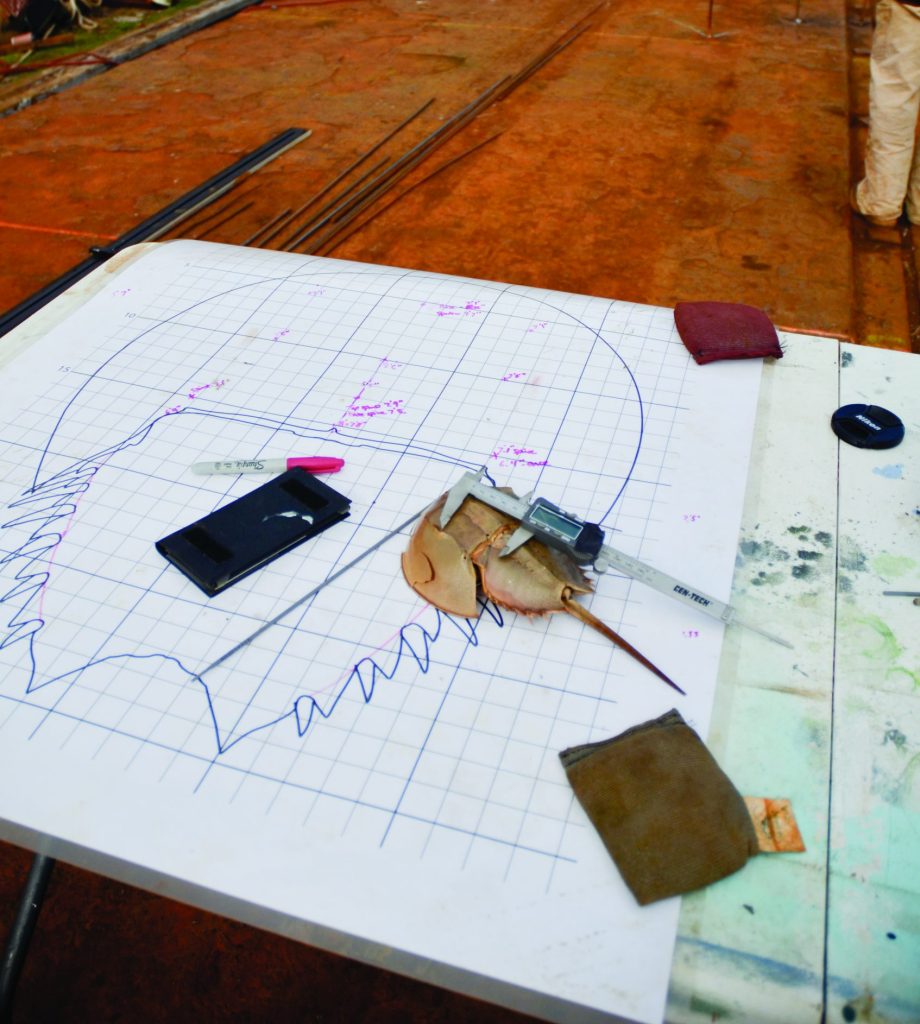
Wojcik estimates the lobster sculpture will cost approximately $300,000 and take eight months to a year to build. He added that creating the legs and claws of the lobster are expected to be the most intricate, time-intensive part of the project.
While there have been conversations with potential supporters/investors around the state, Wojcik said: “I’ll start as soon as the funding is in place. The challenge is finding the right balance of building the lobster sculpture while managing my company’s day-to-day work, which pays the bills.”
He added that while his preference is to place his sculpture off the New Jersey coast, he’s open to the possibility of another state (or country) stepping up. ”If another location with clearer [water] visibility emerges, I’d be open to a discussion,” he said. “My vision is for as many people as possible to experience the sculpture and the story behind it. It’s important.”
Dave Migdal is a writer/angler based in Long Branch, N.J.
READ MORE


