

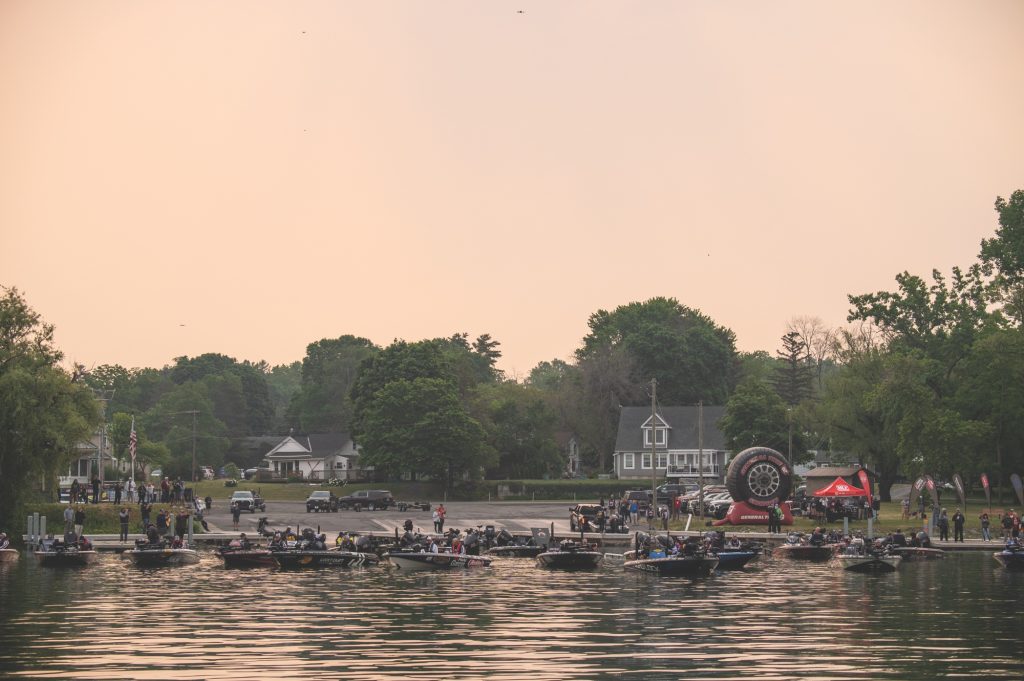
It’s 6 a.m. on Cayuga Lake. Anglers on the Bassmaster Elite trail are nursing Thermoses of hot coffee to shake off the pre-sunrise chill as Garrick Dixon sits quietly among the fleet with his camera in hand. He skipped the cup of Joe and instead drinks in the pre-takeoff sights, smells, and sounds through his lens. Spectators speak in hushed tones as the best bass fishermen in the country tinker with jigs and jerkbaits, double-check their knots, and map out their spots for Day 1 of the tournament. In 15 minutes, their poker faces will disappear as a chorus of engines roar to life and competitors peel away from Frontenac Park at Union Springs. Until then, Dixon continues to shoot in peace on the longest Finger Lake’s dimly lit eastern shore. This is his element.
If you’ve followed the Bassmaster Elite Series over the past 10 years, you’ve seen Dixon’s photography. From shadowy pre-dawn scenes at the launch to portraits of exuberant anglers proudly hoisting their catches on pro bass fishing’s biggest stage, he’s captured nearly every aspect and angle of the sport. He knows bass fishing like the back of his hand.
Growing up in Syracuse, New York, Dixon spent much of his childhood on Onondaga, Oneida, and Cayuga lakes with his father and grandfather. “I didn’t play sports until high school because I was too immersed in hunting and fishing,” he said. Bass fishing was (and still is) not only his favorite hobby, but his way of life. “When we went fishing on my parents’ boat, they tied my Snoopy rod to my arm. I was physically attached to it.” Although he’s a dedicated bass angler at heart, these days, he’s more attached to his camera than his rod and reel.
While studying graphic design at Northeastern University from 2009 to 2012, Dixon picked up a camera for the first time. “I found that by taking my own photos, I could really improve my design skills,” he said. Before long, he was more invested in photography than design. Like bass fishing, life behind the lens consumed him—so much so that he started his own business before graduating. “Bass fishing was far behind other sports in terms of commercialization, and all I knew was that I wanted to merge my two greatest interests into a career.” In a short period of time, Dixon established his lane.
His first client was Alex Langer of The Flying Lure, a unique, “As Seen On TV” bass bait made famous by its ability to glide, or “fly”, away from the angler and into tight quarters as it falls. When Bassmaster Magazine was publishing a writeup on Langer and his collection of original Ranger boats, they tapped Dixon to photograph the 16-foot bass rafts. “I drove out of Boston, met Alex, and shot the boats with my friend on a few small lakes near Framingham,” Dixon said. He landed a couple of spreads in the issue and, from there, business began to boom. First, he was contracted by Strike King to help grow their social media presence. He then started traveling for tournaments with the Elite Series and Fishing League Worldwide to shoot lifestyle and product images for tackle brands. Eventually, he even began photographing the awards ceremonies. “I followed someone like Kevin Van Dam or Brandon Palaniuk to their competition locations, get the photos edited and uploaded to the Bassmaster site, and then return to shoot the awards,” Dixon said. “This was before Bassmaster LIVE, so most people didn’t know what these tournament destinations looked like. I tried to capture it for them.”
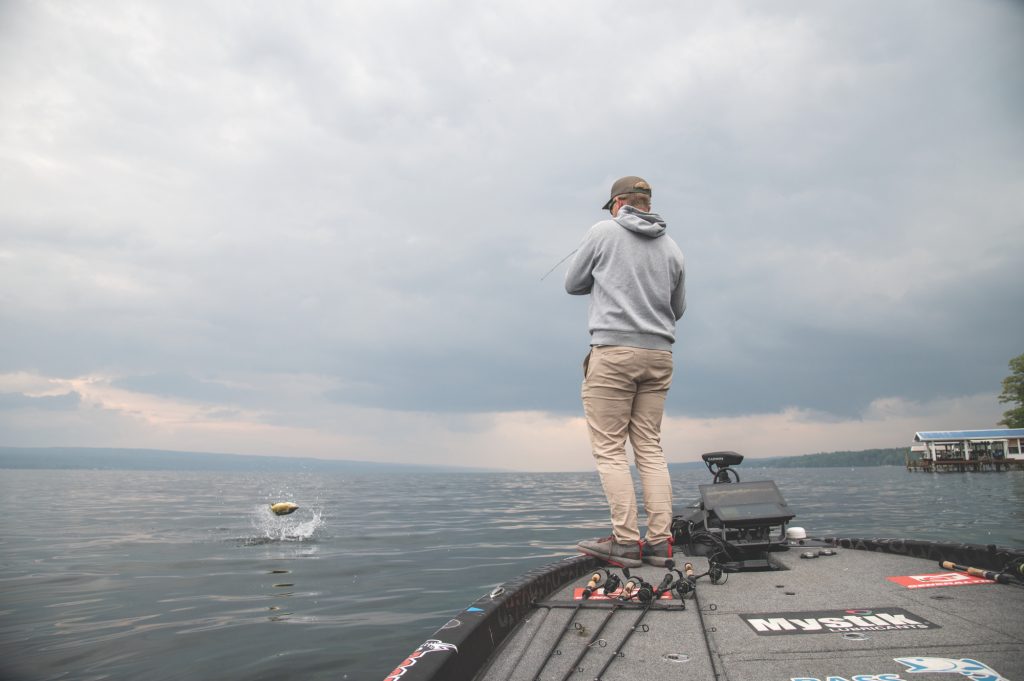
Tournament coverage blended his knowledge of fishing with the best practices for capturing action shots without disrupting active anglers. “Interrupting a fisherman for a photo is the last thing I want to do. There’s a lot riding on winning—truck payments, bass boat expenses, rent and mortgage payments—so avoiding interference forced me to get creative with different angles and perspectives,” said Dixon. “There’s an eco-tourism component to shooting tournaments. I want to show off the lake, the community involvement, the town—all the things that make it a destination. It’s not just about the fishing, but the fishery and the surrounding environment as a whole.”
Showcasing the tournament setting, the energy, and the action was first half of the job, and Dixon relied on shooting in high-dynamic range (HDR) to improve the overall quality of his work. Because HDR expands the range of contrast, brightness, and color, it leads to more vibrant and detailed photos in less-than-ideal lighting and weather conditions. The second half of the job was editing. Coupled with his photography skills, Dixon’s unprecedented editing style amplified shadows, sharpness, and contrast, bringing an exciting and inherently cool new look to the world of bass-fishing media, which desperately needed a makeover.
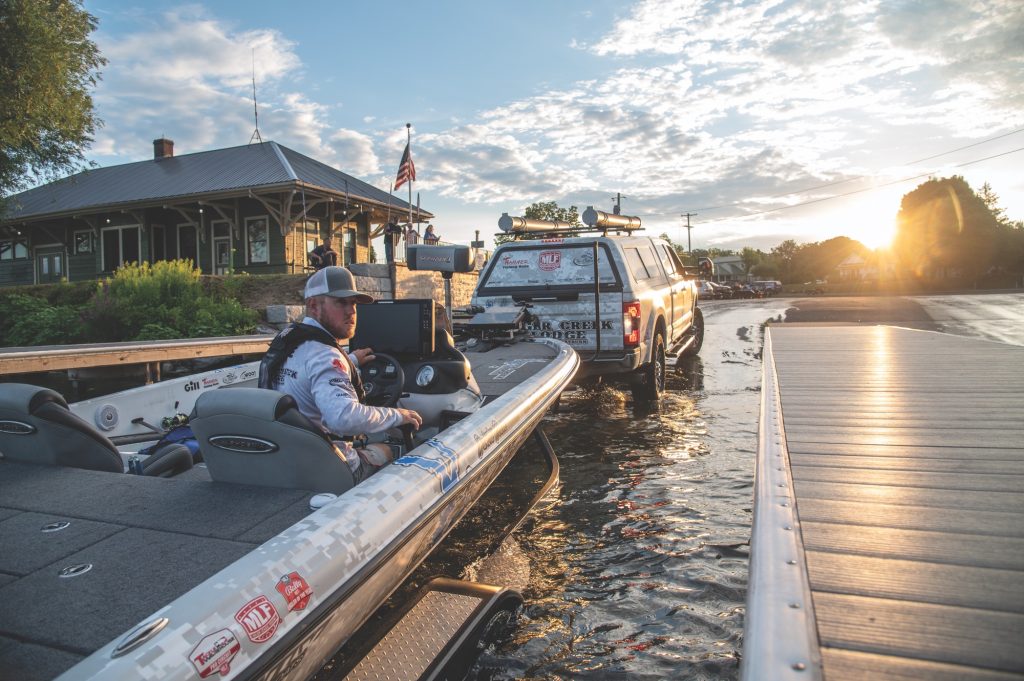
“Bass-fishing photography, at the time, had a very bright, sunny, and mystical feel to it. So, when I brought this grungy, rugged vibe to the scene, it was entirely new; nobody had seen bass fishing captured in that context.” By blending his editing and design skills with the freedom HDR granted him, Dixon could shoot in extremely low light—like during takeoff—and clearly capture parts of the tournament that other photographers stayed in bed for. “When editing a photo that was taken in poor lighting, I dialed back the highlights but pumped up the shadows and colors to reveal minute details. Enhancing those features made different pieces of the photo that would have otherwise looked dark—as they did to the naked eye—visible.” By shooting in HDR and taking a new approach to editing, Dixon birthed an edgy, funky style that tackle manufacturers wanted to see in their promotional content.
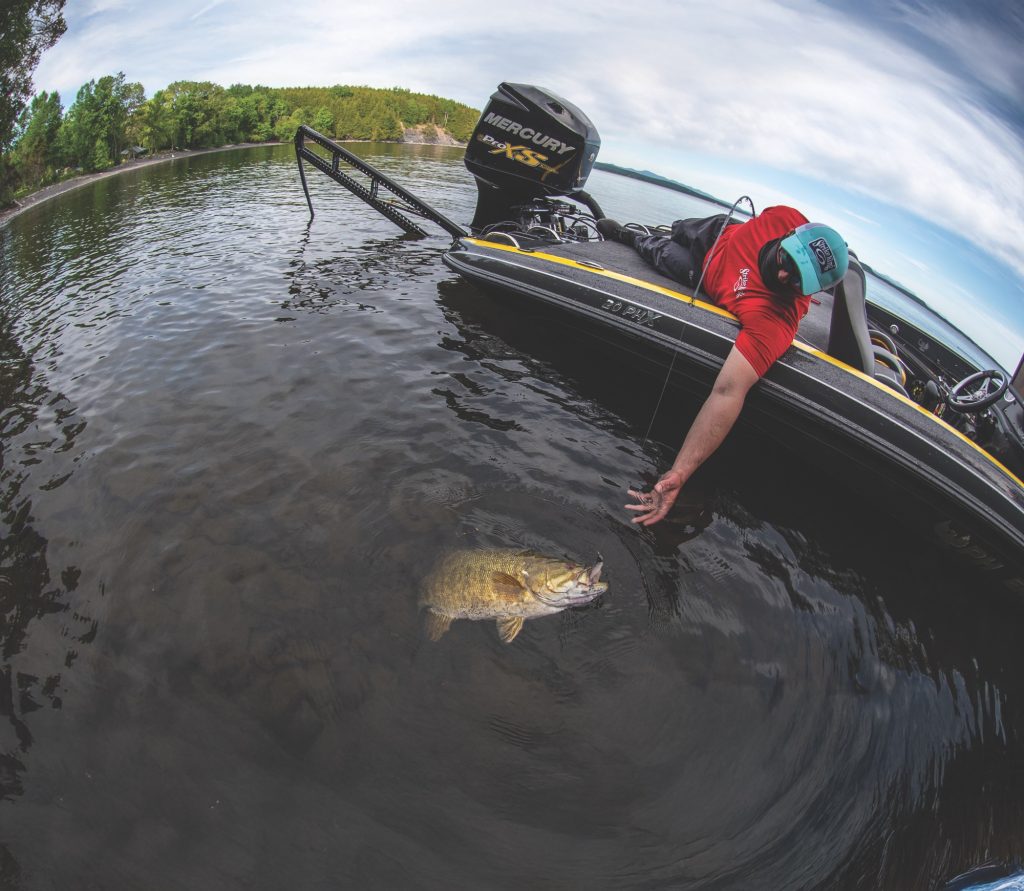
As fishing brands caught wind of Dixon’s work, it marked a major shift in the way we see bass baits and tackle advertised today. Gone are the days of bright and undersaturated grip-and-grin poses. “I like to tell unique stories through photography. To do that, I can’t rely on one kind of shot that everyone has seen,” said Dixon. “Even if the photos are showcasing a new reel or lure, I want to put together a narrative by shooting different angles that capture the angler, the product in action, and the scenery. It all paints a picture that makes a viewer think, ‘I want to be there, doing that.’”
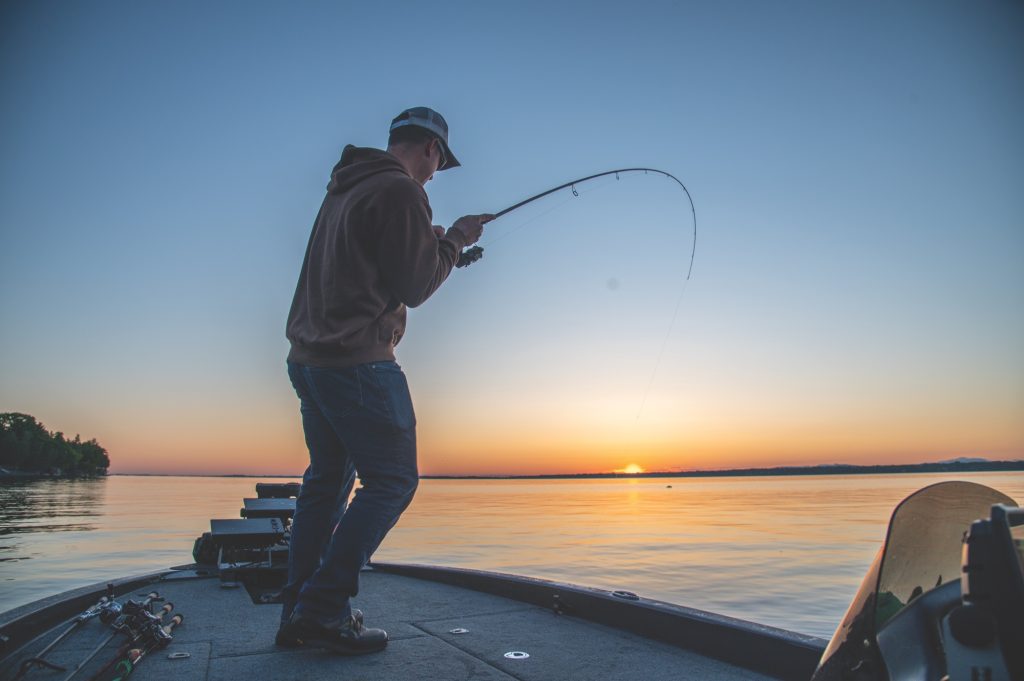
These days, Dixon is gathering content for six tackle brands under the Lunkerhunt umbrella. “I’m still producing high-level content, but I’m traveling much less than I did on the tournament circuits, which is nice since I have a child at home,” he said. “Instead, I’m training and managing a team of anglers and photographers in the US and Canada to help generate content that we can create remotely for these different brands.” He provides his network of photographers and anglers with direction and guidance to help their work stand out to fishing media and tackle companies, which has broadened his scope of work to cover other gamefish that have national appeal, like walleye, panfish, and trout. “I’m excited about these new opportunities because they will limit my travel and keep me on the water pursuing different species.”
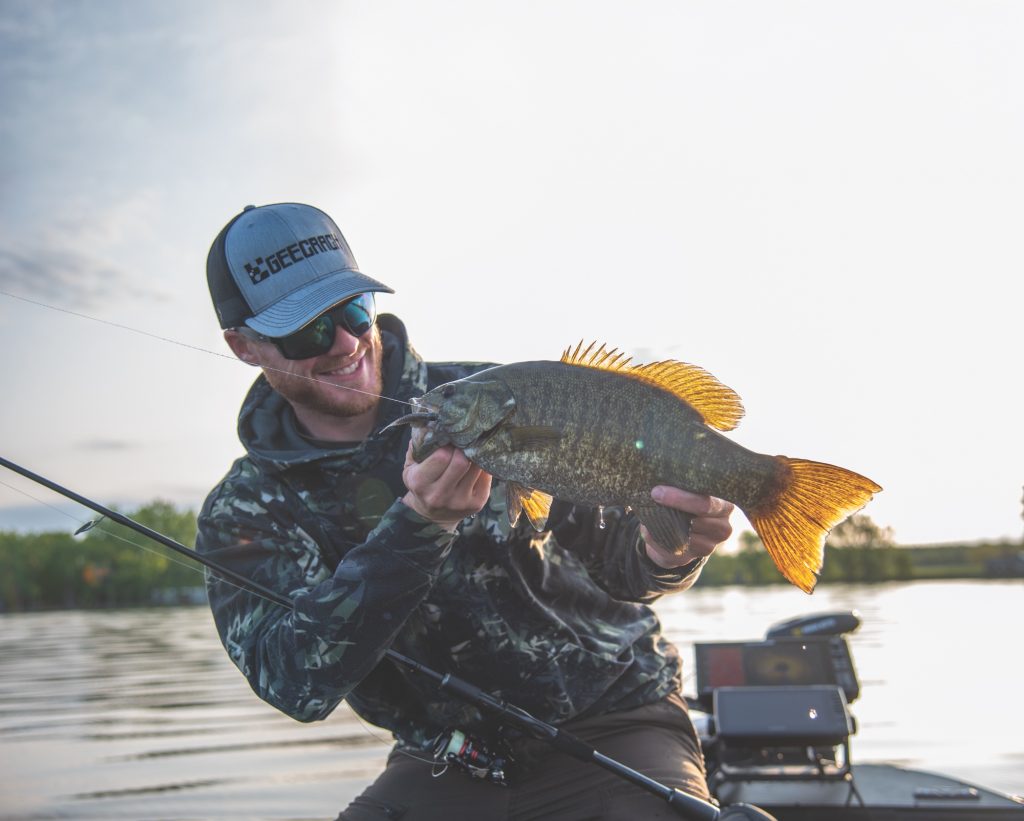
The next time you’re scrolling on Instagram, skimming through Elite Series coverage, or perhaps flipping through this magazine, take note of any low-light, backlit shots that lure you in—they just might be the work of the Northeast’s own pioneer in bass-fishing photography.
READ MORE


