
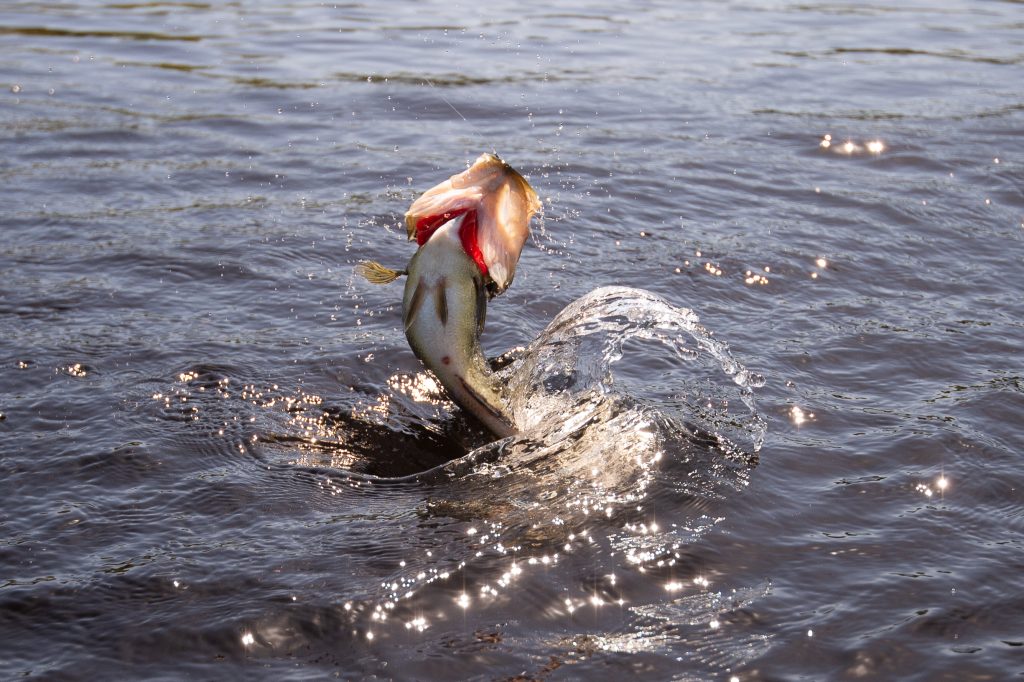
Summer largemouth bass fishing isn’t always about chasing bites on big lakes or reservoirs all over God’s creation. For most anglers, especially shore bound ones, some of the best summer bass fishing you’ll ever have is right in your local ponds. Half-acre farm ponds, neighborhood park ponds, even those under-the-radar ponds located in front of your local supermarket or town hall, can be goldmines for big largemouth during the hottest months of the year—especially if you know how to approach them correctly.
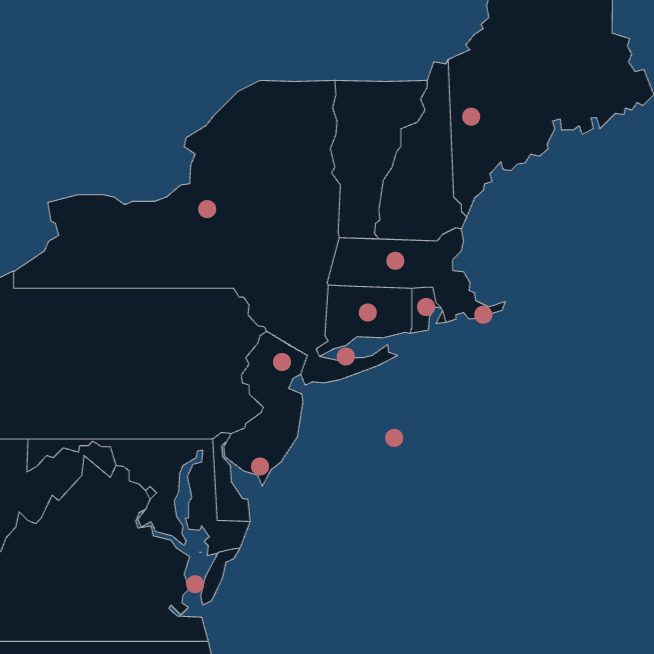
During my early years of bass fishing, almost all of my fishing was done within small ponds around Long Island, southern New York, and the Five Boroughs of New York City. Wherever you live, odds are you have a pond near you and guaranteed it’s loaded with bass. Over the years, I’ve experimented a lot to see what lures and techniques catch big largemouth in these small, often weed-choked puddles. Here are some tips and tactics that I’ve found to work best amid summer heat.
Picking the Right Times
Let’s face it, most suburban ponds and city lakes aren’t very big, so you don’t need to make bass fishing an all-day affair. These approachable ponds and lakes are perfect for a little stroke before or after work, after dinner, or prior to your kid’s little league game. If you noticed any similarities between those times, they all take place during periods of low light. Especially in summer heat, the fish shut down during the middle of the day. In small ponds, where the water warms up fast and oxygen levels drop, bass can get lethargic during that mid-day period of high sun and peak temperature. Getting out there early in the morning until about 9 a.m., or in the evening just before dusk, are the prime times when you’ll receive more bites. These cooler windows find the bass more active, especially near the surface or in shallow cover.
Finding the Best Cover
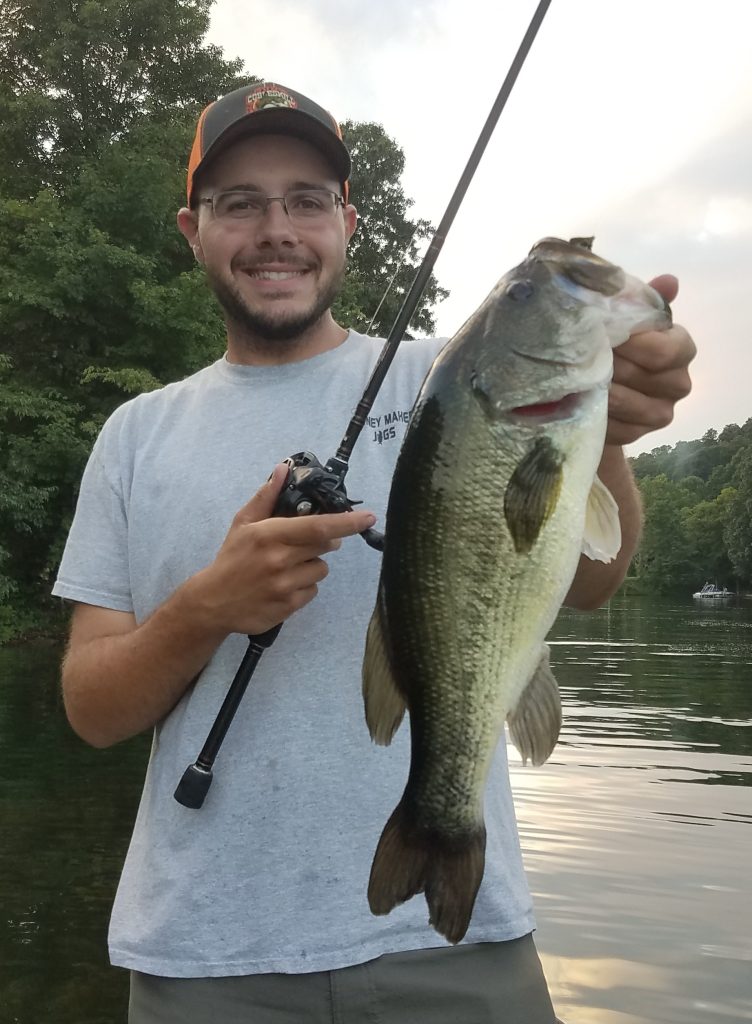
Usually, in small bodies of water, bass don’t have the space or the depth to retreat into more comfortable water. Many of these places are less than 10 feet deep, so the fish have limited options as to where they can go to hunker down. Of course, being a shore angler, you are also limited by how far you can cast and how much water you can cover. These are the best types of structure/cover to look for in shallow bass ponds.
Pond Banks
Don’t overlook the bank itself! A lot of small park ponds don’t have much structure in them at all, so the banks provide spots for largemouth to ambush prey as well as hide out. Move slowly and softly when beating the bank to avoid spooking fish right under your nose.
Overhanging Trees & Bushes
Many small ponds and lakes have trees that overhang the water’s edge. They provide great shade and cover for both bass and their prey, like sunfish. Working lures around dense trees and shrubs, like Dogwoods and Willows, are your best bets for a bite.
Lilly Pads & Algae Mats
Because these little bodies of water tend to be extremely shallow, vegetation growth makes up a lot of their cover. Don’t hesitate to use a strong rod and heavy line to pull fish from these often overgrown ponds; you’ll need the beefed-up gear to get them out of the thick stuff.
Top Baits For Big Summer Largemouth in Small Ponds
Besides locating cover and choosing the right time to get on the water, proper bait selection is the last “barrier” that stands between you and a five-pound largemouth from your local lake. It’s all about making the right decisions and paying attention to your surroundings. If you hear bluegills popping in the weeds, throw something to imitate a bluegill. The same goes for seeing frogs, minnows, perch, mice, whatever it may be. Matching the hatch is going to make all the difference between getting bit or getting skunked.

Don’t overthink it. The more you overanalyze bait selection, the fewer bites you’ll get because you’ll be in your head the whole time. Here are some of my favorite baits for pond bass in the summer.
Topwater Frogs
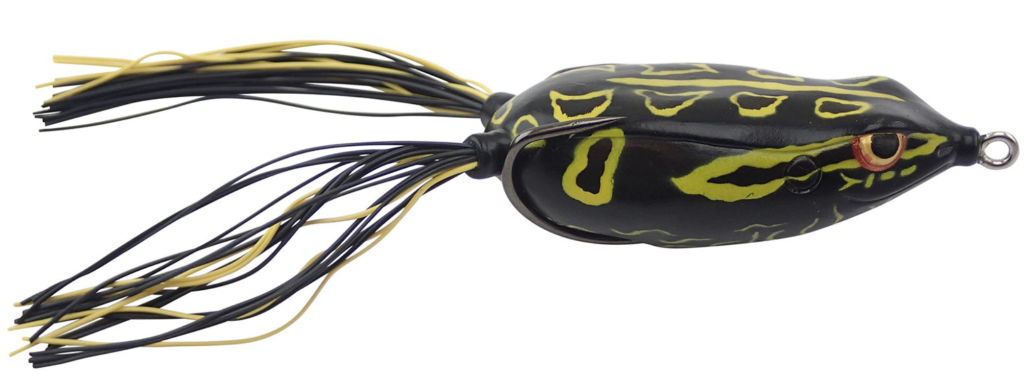
Whether it’s a hollow-bodied or soft-plastic frog, these topwater baits can be fished around dense cover with ease. They’re not made just for grass and lily pads; they come through all kinds of cover extremely well and make for some incredibly explosive eats. Some frogs pop, some have prop-style legs, and others are just meant to be dragged over vegetation. My favorite frogs are the Spro Bronzeye Frog and the Zoom Horny Toad.
Chatterbaits

These baits swim easily through aquatic plants and wood, but are reeled subsurface (horizontally) through the water column. Moving baits, especially in a pond with thick vegetation, don’t usually excel. But when fished effectively with short casts tight to cover, they can pay big dividends. My top-producing chatterbait is a Z-Man Jackhammer in a color that closely resembles bluegills or golden shiners living in the pond.
Skirted Jigs

There is not a time that I will leave my house without a jig tied on. It’s a bait that I have so much confidence in for largemouth in any body of water. For smaller ponds, I like to stick to lighter, more compact jigs to match smaller forage like juvenile bluegills and crayfish. The best jig I’ve found is a Keitech Model 1 Casting Jig paired with a BaitFuel Paca Chunk. This is a tried-and-true jig that catches big largemouth everywhere because the smaller profile draws strikes from heavily pressured fish.
Yamamoto Senko

What’s pond fishing without the trusty ol’ reliable Senko? It’s a “do nothing” bait that is extremely versatile and can be rigged in a variety of ways. My favorite presentation for summer largemouth is a 5-inch, Texas-rigged Senko because it comes through cover extremely well and is an easy way to present a bigger profile.
Keep It Simple & Fun
The best part about beating the pond banks in the summertime is you don’t need a boat, sonar, or fancy gear. A few rods, a couple packs of baits, and a pair of polarized sunglasses will get you where you need to be to catch fish all summer. It’s how a lot of us got started growing up and it’s still one of the best ways to enjoy the sport of bass fishing. The less you overthink things like presentation and lure selection on the water, the better time you’ll have. After all, this is supposed to be fun!
Always spend some time scouting out new ponds on satellite maps and don’t be afraid to knock on a few doors if you see something juicy. Some of the best bass I’ve ever caught came from ponds that most people drive past every day. The smallest, overlooked pockets of water always have the biggest bass hiding out in them, and more often than not, they receive little to no fishing pressure.
—
Summer bass fishing in ponds is all about timing and simplicity. Get out early (or late) when the sun is low, fish smart, and consider trying something different — whether it’s a new body of water or a lure you don’t normally fish. These little ponds hold big surprises, especially when the summer sun is blazing and the big lakes and rivers are overcrowded.
Get out there, get back to your roots, and enjoy the kind of fishing that reminds you why you fell in love with bass in the first place.
READ MORE


