

Every fishing trip begins with high expectations. When a trip happens only every 2 or 3 years, brings together 10 guys and involves a float plane, expectations are monumental.
The conversation starts in December. In January, we review our piles of brochures, pore over websites and draw circles around blue splotches on Canadian province maps. In February, we exchange emails with lodge owners, asking important questions like, “How many Master Angler pike were caught on the lake last year?” and less-important questions like, “Does the cabin have an indoor toilet?”

In March, we visit sportsmen shows and interview a few select outfitters as if we’re vetting vice-presidential candidates. By April, the decision is made. From hundreds of possibilities, we choose a body of water that we believe will supply us with the fishing trip of a lifetime. The deposit is sent, and from that point it’s a four-month race to accumulate lures and tack items onto an already ambitious grocery list.
Every time we plan a fly-in fishing trip, we tell ourselves, “This will be the one.” We’ve done our research. We’re more experienced than last time, more prepared and better equipped. This trip will be the fishing trip of a lifetime.

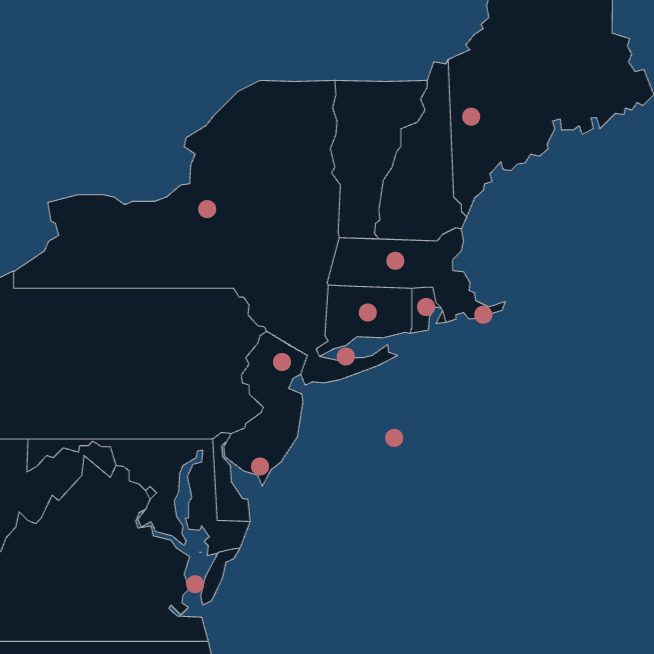
For a group of anglers all originating from Buffalo, New York—in other words, Buffalo Bills fans—getting your hopes up year after year despite past disappointment is second nature.
Besides, what chance is there that history will repeat itself? That a record-breaking August cold front will have us fishing in sleet? That a freak mayfly hatch will stuff the walleyes to their bulging eyeballs? That the remnants of a tropical hurricane will stream up from the Gulf of Mexico and dump rain for 72 straight hours?
Looking back on a dozen or so trips, I can’t say the fishing ever quite met our (mostly realistic) expectations. Some lakes were just busts, others held promise but terrible weather prevented us from giving the fishing a fair shot. Still, we’ve never regretted any of the trips. No matter where we went, the beer was cold, the food tasted better than it ever did anywhere else, and the experience was memorable, for both the good and the bad.
So, we plan another fly-in fishing trip every few years, try a different lake, different outfitter, different area of Canada, from Quebec to Saskatchewan and every province in between. And it has become tradition that at the end of each trip, as we break down the rods and pack away the lures, we reflect on previous trips—the good memories that evoke smiles and the bad experiences that, thanks to the passage of time, make us laugh.
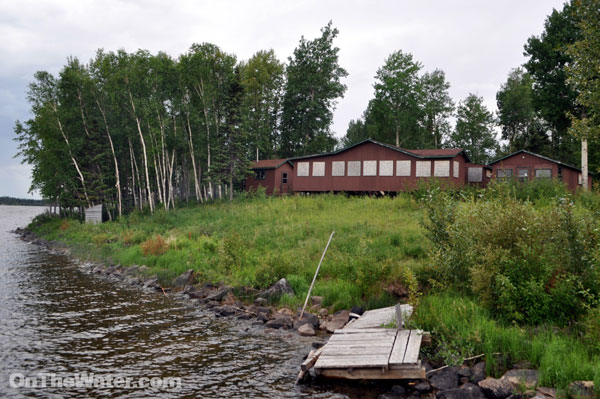
This year, however, would be different. Hunting for the next great adventure, I discovered the out-of-date website for Edmund Lake Lodge in northern Manitoba. A call to the phone number listed above the 2009 rates connected me to Greg Dick, the owner of a comfortable, fully-modern fish camp on nearby Gods Lake, and he told me a story that sounded like fishing urban legend: Edmund Lake Lodge, a well-known lodge that once hosted dozens of anglers at a time on one of the best trophy pike lakes in Canada, had gone out of business. Its dining hall and cabins were shuttered, and for several years its pike have been unmolested, left to grow big and multiply and, I assume, completely lose any fear of fishing lures. Now, Greg is offering it as a fly-out option for guests of his lodge. Only the original owner’s residence is habitable, explains Greg, and if we want to squeeze our group into its three bedrooms and fend for ourselves for five days, it’s all ours.
On a Thursday morning in late August, our entire group assembles at the Winnipeg airport. The group includes fathers, sons and brothers, neighbors, co-workers, and friends who go back to middle school. Over the 30 years since my father organized his first group Canadian fly-in fishing trip, the cast of characters has changed slightly with every trip, to the point where now he is the only one left from the original group that fished together in the 1980s. However, the promise of an essentially unfished lake loaded with monster pike was an easy sell, and as such there are no new faces this year—every one of us was on the previous trip three years prior.
We transfer our tackle boxes, rod cases and duffel bags to a chartered propeller plane that flies due north for 90 minutes before touching down on the gravel landing strip at remote Elk Island. While our gear is unloaded from the wheeled aircraft and carted down to the float-plane dock, we step inside the 50-year-old lodge and meet with Greg to fill out fishing licenses and pepper him with questions about the fishing. On previous trips, this would have been an opportunity for the lodge owner to let us in on some details that he had had chosen not to share over the phone, such as: “Well, lake levels are at a record low, so the fishing has been a little tough.” Or, “The bite’s been a little disappointing lately, but maybe the high winds forecast for the next few days will turn things on.” Greg, however, doesn’t crack. He remains laid back and confident that the pike fishing will be excellent, and makes no attempt to temper our enthusiasm as we scan the lodge’s 6-foot-wide tackle wall, anxiously recognizing our last chance to buy more fishing tackle.
A de Havilland Canada Beaver is a single-engine, propeller-driven, all-metal bush plane. Production ceased in 1967, but hundreds of Beavers are still in service, outfitted with pontoons and flying across the Canadian skies carrying supplies, passengers and sportsmen into areas where all-weather roads don’t go. The cabin of the Beaver is about the size of a family minivan, but narrower, with a lower ceiling. With one passenger in the jumpseat next to pilot, we can fit three more onboard, so it requires three roundtrip flights to get all of us, our groceries and our gear to Edmund Lake.
Float planes require a running start to break their pontoons free from the lake’s surface tension. It’s always a thrilling moment when the plane lifts into the air, not just because the “end of the runway” is a fast-approaching shoreline lined with tall trees. It’s the “this is really it” feeling that comes with lift-off, marking the official start of a trip we’ve talked, thought and dreamt about for months. Cruising altitude is less than 10,000 feet, low enough to spend the entire flight looking down at nameless lakes and see sandy beaches, rocky points, sunken islands and weedbeds, imagining which spots might hold walleyes and pike.
After the pilot shows us how to keep the generator running, points out the gas tanks and pushes away from the dock, we’re completely on our own. There are no other cabins on the lake, no other people. It’s the best part about outpost fishing–we are our own cooks, our own guides. We make the schedule, decide whether to stay out and eat candy bars for lunch when the fishing is hot, or to wait out a rainstorm by heading in at noon to light a fire, eat spaghetti and drink Canadian Club. We divide ourselves among the aluminum boats, start the outboard motors and are completely free to decide where to fish and what to throw.
Edmund Lake is huge by outpost standards, 12 by 12 miles, studded with islands and rocky reefs, and ringed by marshy bays. We’ve studied maps of the lake for months, making mental notes of potential hot spots where bays open onto the main lake, rivers flow into basins, and clustered islands create dramatic structure, but from water level, the number of directions to go is overwhelming. What we know is that we have to find the cabbage weed.
I’m not sure what pike do for the seven-plus months that these far-north lakes are covered in ice, but in the weeks immediately following ice-out, the largest pike in the lake, the spawning females, all gather in the sun-warmed shallows and back reaches of bays, earning their “gator” nickname by lying motionless in 2 feet of water. These prime weeks are coveted by repeat guests who enjoy sight-casting bunny-strip flies and unweighted soft-plastics to 40-inch-plus pike.
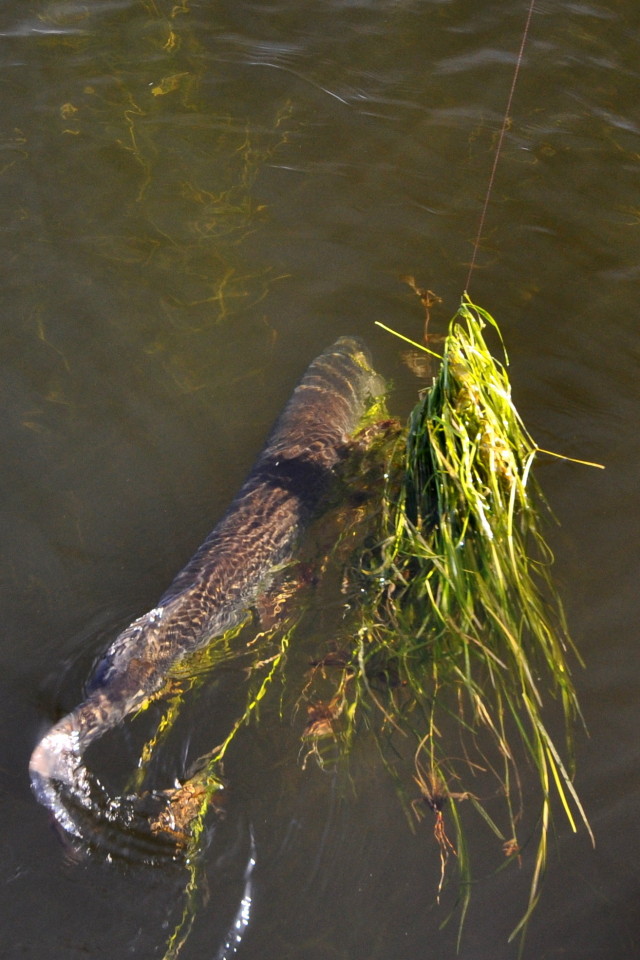
The summer months have a reputation for tougher fishing, because the big pike leave the shallows and disperse into main-lake weedbeds in deeper water where they can ambush suckers, walleye and smaller pike. Stick to the thick, reedy weeds in the shallow bays and you’ll only find the 18-inch “hammer handle” pike that can tolerate warmer water. To find the big pike, we have to locate the cabbage weed, which grows as long stalks with healthy green leaves that rise from the bottom in 8 to 10 feet of water and reach just below the surface.
On the first day, despite planning to stick together on the unfamiliar lake, we scatter to all corners of the map, unable to resist exploring any river, island or bay that has a name. When we reconvene at the cabin that evening to share stories, we’ve all caught good numbers of pike, but no one has connected with any monsters. Standing around the cabin’s dining table, a map of the lake spread out war-room style, we start to narrow down productive areas, focusing on a particular section of the lake that had some promising weedbeds.
On past trips, this would be the point when a cold front sweeps in overnight and we awake to driving rain and white caps on the lake between us and the spots we want to fish. This year, the second day dawns without the slightest breeze to move the few fluffy white clouds in the sky as we wind our way across the lake in a five-boat flotilla. By midday, we’ve located several massive patches of cabbage weed that are loaded with remarkably aggressive pike with the unsettling habit of following lures all the way to the boat before striking. On each cast, my father and I watch our lures approach the boat and expect to see a pike trailing behind more often than not. Slowing the retrieve, speeding it up, or changing direction all work to trigger strikes.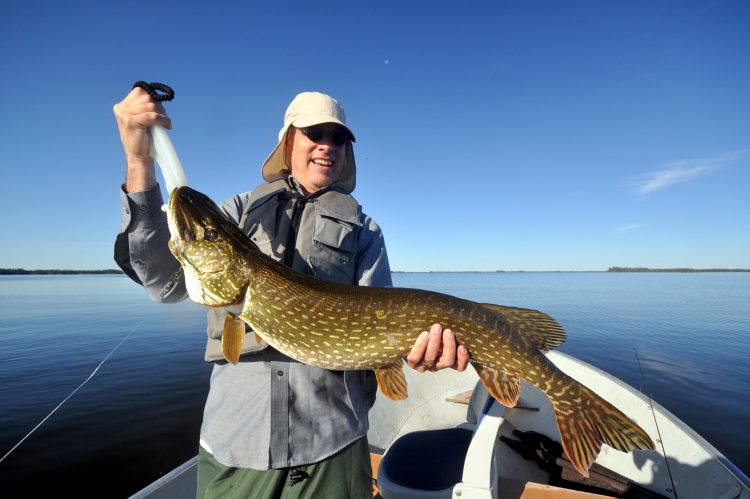

We start catching pike so fast that we don’t bother counting. Fishing in the stern, I watch a pike follow my lure to the boat and then suddenly charge toward the bow, rocketing out of the water and grabbing the lure my dad had left dangling in the air while he set his rod down against the side of the boat. He grabs the rod just before it flips into the water and proceeds to land the first fish he’s ever caught on a lure without making a cast. Later in the day, I’m watching a small pike, about 20 inches long, follow just behind my spinner when suddenly a pike at least twice its length T-bones it and slowly sinks away with the smaller pike crosswise in its jaws.

The pike fishing is so incredible that my dad turns to me and admits being nervous that any moment he is going to wake up and realize he was only dreaming about a trip still yet to happen.
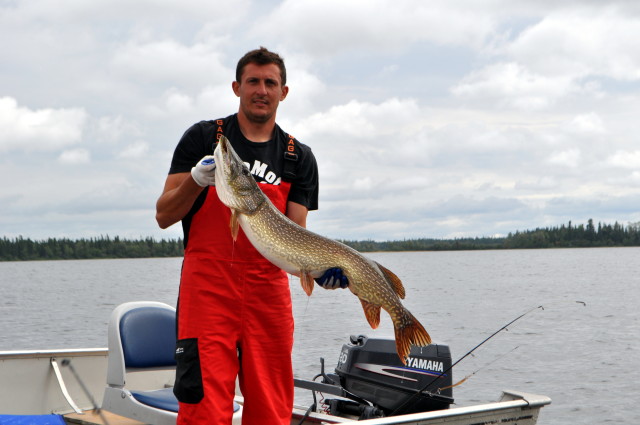
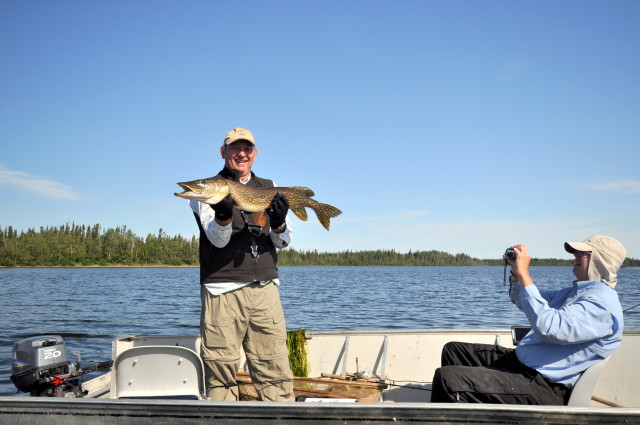
On our last night, we reflect on the past four days of fishing while breaking down the rods and reels. There is no denying that it has been the best pike fishing anyone in our group has ever experienced. Nearly everyone in the group has landed a pike over 41 inches.
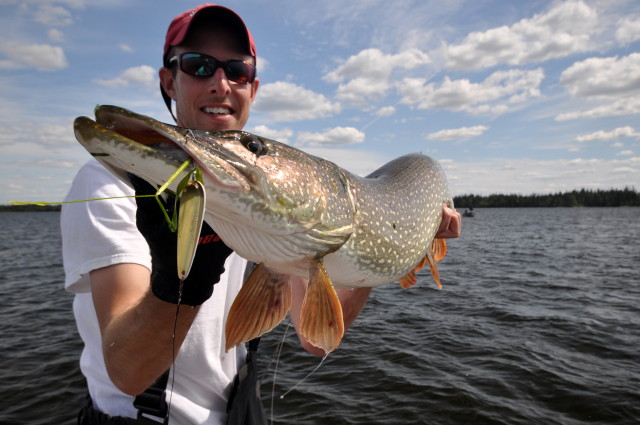
My dad landed five, and I brought another three into the boat, including a 45-incher, the biggest pike I’ve ever caught. We pass around digital cameras and smartphones, comparing photos while doing our best to finish the bourbon, Labatt Blue and Canadian chocolate bars (anything else we could leave for the next group). It’s the traditional end-of-trip storytelling session, with one big difference: for once, we don’t have to sit around and laugh about past trips.
More Info:
Contact Greg Dick
Elk Island Lodge
Gods Lake, Manitoba




Great story!
I have to say, though, that the pike at Edmond Lake have always been ferocious! My son and I fished there in 2003, when it was a full service lodge. It was the most amazing fishing trip I ever had! We lost count of how many pike over 40 inches we caught in the 4 days we were there. My largest was 49 1/2 inches with a 24 inch girth. Roger lost a $250 rig when a pike did the same thing that you describe. We weren’t as fast as your dad! On the last day of the trip, at the end of the day, I told the guide “3 more casts, and I’ll call it a trip.” I’m not kidding, I caught a 40 inch or better pike on all 3 casts! The guide looked at me and said ” you want to go for a 4th cast?” I said NO!
I mean it ,that was the trip of a lifetime!
Interested in scheduling a trip in ’17.
Please provide info. on max group size, travel details, etc…
Thank you
Looking at last week in may 1at week of June. 3-4 people.
I’m going in August. How was your trip?
Our group would be small 3-4 only.
Edmund is usually booked for the year. I’m going to The Main Lodge (Elk Island) 6/16 to 6/24. Then back to Edmund 7/30 to 8/7. Your best bet is to go to Elk Island with 3-4 people. Gregg has a has two nice bigger boats with 60 HP motors that will handle 3 fishermen. ‘You can then do a one day fly out to Edmund to see if you like it. You can E-Mail me if you want more details.
We are going back to Edmund and come in on August 10- right after you. Would like to discuss by e mail your strategies.
Have you fished up there before at Edmund? We are going to be there before you this year from 7/6-7/15. Talked with a few people but the more info to get the better, if you have any places we should start our fishing. We have fished all over Canada, but this is the first trip that I am taking my two sons…looking forward to a great trip.
d
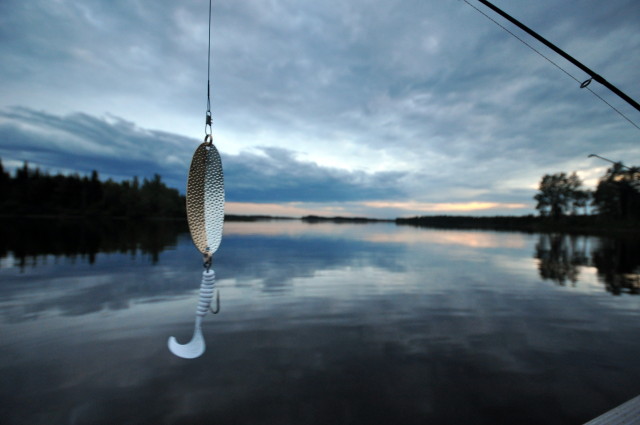
As per the story- I fished it in 93 and then in 2013. Key is to find the cabbage weed in the deeper water and get your lures right over the tops so the pike shoot out from the weed cover to grab it. did not use any minnow plugs as we use only single hook barbless- i.e. spoons with trailers were the main lure, especially the williams wobbler 5 diamond as shown above.
thanks, hoping the cabbage will be in by the time we get there. Heard that they still had ice as of last week, so not sure. we have plenty of Williams and johnsons. Thanks for the info…hope you have a great trip. I will let you know how we do.
For More Info, Contact Greg Dick of Elk Island Lodge on Gods Lake
1-888-559-6633
info@godslake.ca
Looking at 2019! 3 high school buds looking for a great trip. I fish Lake Erie from April to October and I have had my fair share of 30″ eyes and looking into getting some nice gators and hopefully some eyes for shore lunch. Send me some info and I will get back with you. Tight lines!