


Although spring sunshine can quickly bring air temperatures up into shortsleeve territory, the water in our lakes, rivers and along our Northeast coast remains icy cold well into June. That cold water isn’t just uncomfortable if you should take an unplanned dip – it can be deadly.
When a human is immersed in cold water, survival time is not measured in hours or even minutes, but often in seconds. It may sound counterintuitive, but very few people involved in cool or cold-water emergencies actually die from hypothermia.
Hypothermia is a drop in the body core temperature, which is a function of temperature and time. Most drowning victims in cold water are dead long before hypothermia sets in. The reason for this is a phenomenon called cold shock.

Cold Water Immersion
Falling into cold water causes instantaneous effects called cold water immersion. A significant percentage of people, even those with swimming skills and water experience, begin actively drowning from cold-water immersion in a matter of moments. The impairment of mental and physiological functions is so intense that it is critical to be prepared.
Cold-Water Gasp Reflex
The first and most critical stage of cold-water immersion is the cold-water gasp reflex. When thrust into cold water, a human will gasp uncontrollably in an involuntary physiological response. (Most of us have had this happen, such as when stepping into a cold shower or jumping into cold water.) This condition is extremely hazardous and is a major contributor of drownings in cooler water. A victim begins to hyperventilate, which increases panic and compounds their inability to breathe.
The Mammalian Dive Reflex
Cold-water immersion’s second stage is the mammalian dive reflex, and it also has a rapid onset. When the body cools, capillaries constrict as blood is drawn from the extremities and shunted to the body’s core. This restricted blood flow rapidly affects fine dexterity. Simple tasks, such as pulling the toggle of a life vest or grasping a lifeline, become impossible.
Swimming Failure
The next stage of cold-water immersion is swimming failure, which can occur before or during clinical hypothermia. The restriction in the body’s blood flow from the dive reflex starves the larger muscle groups, weakening the victim. The inability to swim leads to drowning,
What You Can Do
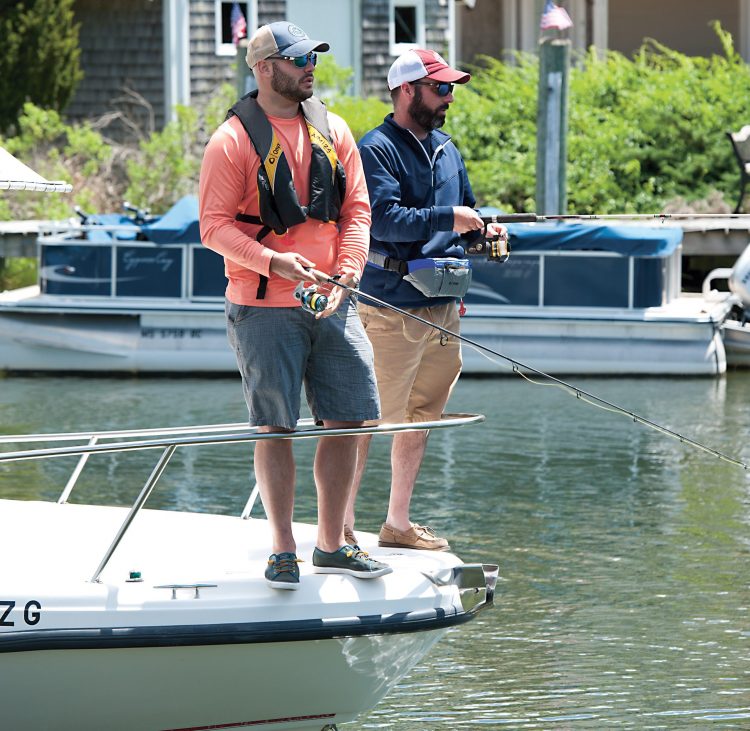
To overcome the cold-water gasp reflex, hold your breath and try to keep from inhaling for as long an interval as you can. Do not try and perform any other actions until your breathing is under control. Most importantly, always wear a proper personal floatation device (PFD) and know how to use it. The best PFD is one that you’ll wear at all times. Try it on and read the manual. The opportunity to understand how your PFD works is when you are high and dry, not during an emergency.
Content sponsored by Onyx Outdoors.
Stay safe everyone. Make smart decisions with other peoples life in your hands.