
As fall weather creeps in, bass fishing starts to take on a whole new energy. Cool mornings, dropping water temperatures, changing leaves… I get the jitters just thinking about it! Early fall is one of my favorite times of the year to throw a crankbait. But how I fish a crankbait will change a lot depending on whether I’m working it in a winding river or a wide open lake. Bass behave differently in these two environments, and refining your strategy can be the difference between a handful of bites and a full day of steady action. Let’s discuss different cranking techniques for both waterbodies.
Why Crankbaits Shine in Early Fall
Early fall is a transition period. Bass are shaking off the lazy, oxygen-starved habits of late summer and beginning to feed more heavily as baitfish move shallow. Herring, shiners, and other baitfish start migrating into creeks, coves, and current edges, and bass instinctively follow. A crankbait perfectly mimics those small baitfish while covering water efficiently, which is critical when bass are spread out due to mixing water during fall turnover.
Crankbaits also let you adjust depth and speed to match not only how active the bass are, but the forage they’re chasing. However, there are different factors that dictate how to effectively fish crankbaits in rivers and lakes, and that’s when strategy comes into play. Where and how you fish them requires specific tactics to get bit.
Crankbait Fishing in Rivers
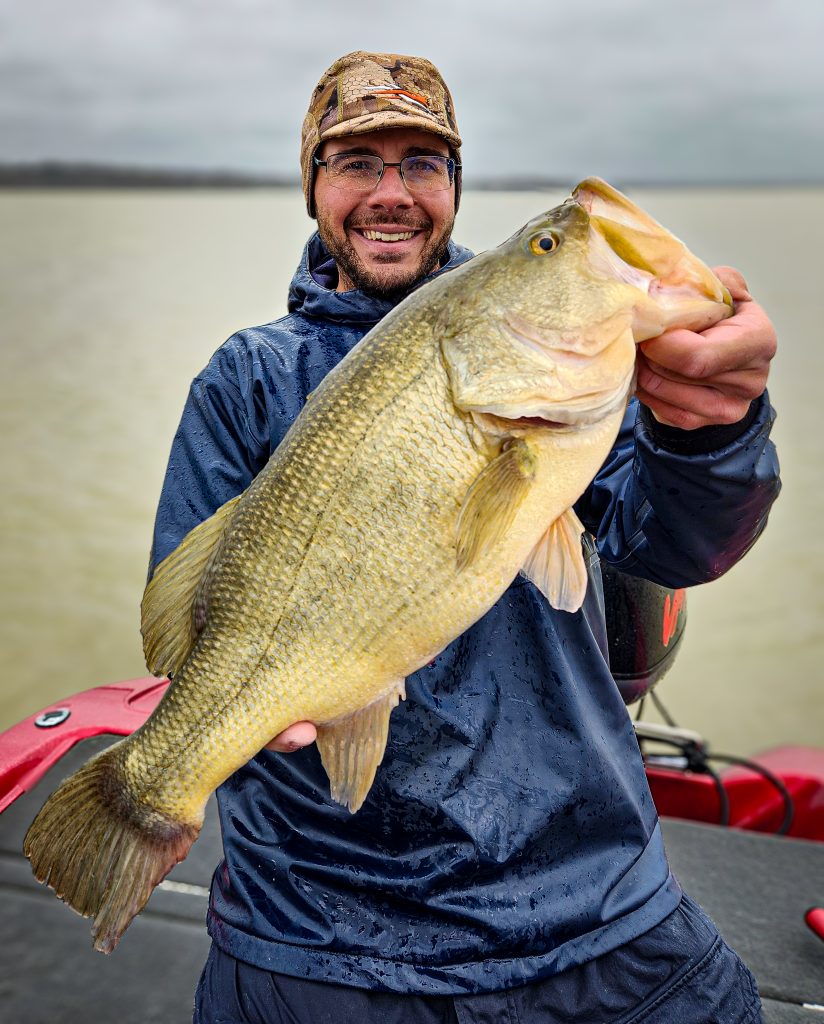
Rivers bring current into the equation, and that changes everything. Bass in rivers don’t roam about randomly; they’re current-oriented, like trout. They use eddies, seams, and slack water zones to ambush bait. In early fall, bass in rivers often stay close to structure that breaks current but also provides them access to baitfish that are migrating upstream.
Here are a few places to target bass with crankbaits in rivers, and the tactics you can use to produce big results.
Current Breaks
In rivers, I throw crankbaits along current seams, dams, and behind large rocks or logs that create a calm spot. Bass will sit in the slack water behind these breaks and dart out from structure to grab a bait passing by. A medium diving crankbait with a 6- to 10-foot range diving range works great because it gets down into the strike zone but still swims through current with a natural wobble.
Technique: Speed & Deflection
Current speed is one of the most overlooked aspects of fall crankbait fishing in rivers. Current adds movement to the bait, so I often reel slower than normal to compensate for the extra swimming action. Also, trying to quarter the current is important to create a natural presentation. If the bait is moving too fast or too slow, a fish will be less apt to strike at it. To break up the retrieve, I’ll bump it off rocks, stumps, and riprap to trigger reaction strikes. Deflection is a huge advantage in rivers. Bass react instinctively when a bait suddenly darts off structure or changes direction in moving water.
Color Choice in Rivers
Moving water is never the same exact color every day. Rivers can run a little stained, especially after early fall rains. To combat low visibility, I lean toward brighter-colored crankbaits like chartreuse with blue back, firetiger, or craw patterns with orange bellies. These stand out better in off-color water and give bass a clear target.
Key River Spots in Early Fall
- Wing dams and bridge pilings
- Rock transitions where chunk rock meets sand or gravel
- Outside bends with undercut banks
- Mouths of feeder creeks where bait is piling in
When I find these areas, I’ll work my crankbait methodically, often making multiple casts at different angles until I trigger a bite. Trying various crankbait styles is important too. Square bill, coffin bill, and round bill crankbaits will all deflect cover in their own unique ways. The shape of a crankbait can also factor into how it swims through current.

Crankbait Fishing in Lakes
Lakes present a whole new puzzle in early fall. Without current dictating fish position, bass will more closely follow bait migrations. Shad and other forage start moving toward the backs of creeks and coves, and bass can be anywhere along their route. Covering water becomes the name of the game.
Follow the Baitfish Migration
In lakes, I use crankbaits to intercept bass along migration highways. These areas include points, channel swings, and secondary points leading into coves or creeks. A crankbait lets me quickly cover those features until I locate where the schools of baitfish (and the bass following them) are stacking up.
Depth Control is Critical
Unlike rivers, where the fish are glued to current breaks, bass in lakes can suspend off deep points, hold on ledges, or cruise shallow flats. I keep a selection of crankbaits with different diving ranges for any of these scenarios, from squarebills that run 3 to 5 feet for shallow wood and rocks, to deep-divers that swim 12 to 16 feet when fish pull away from banks and ledges. Matching your lure’s running depth to where the baitfish are holding is often the difference between getting bit and just casting around.
Crankbait Colors & Water Clarity
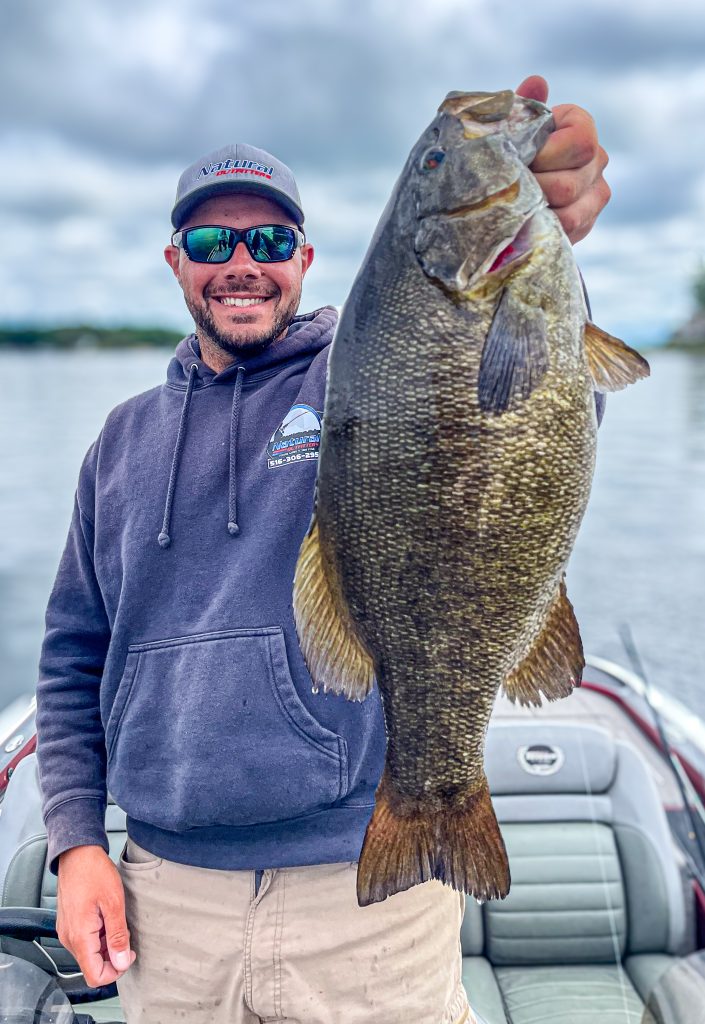
Lakes tend to have cleaner water than rivers, especially in early fall before turnover muddies things up. As a result, natural shad patterns, ghost colors, or translucent baits shine. In clear water, bass are more likely to scrutinize your presentation, so subtler finishes tend to outfish gaudy colors. However, in off-colored reservoir waters, I’ll still throw chartreuse or bright-bellied craw patterns, especially around rocky points.
Key Lake Spots in Early Fall
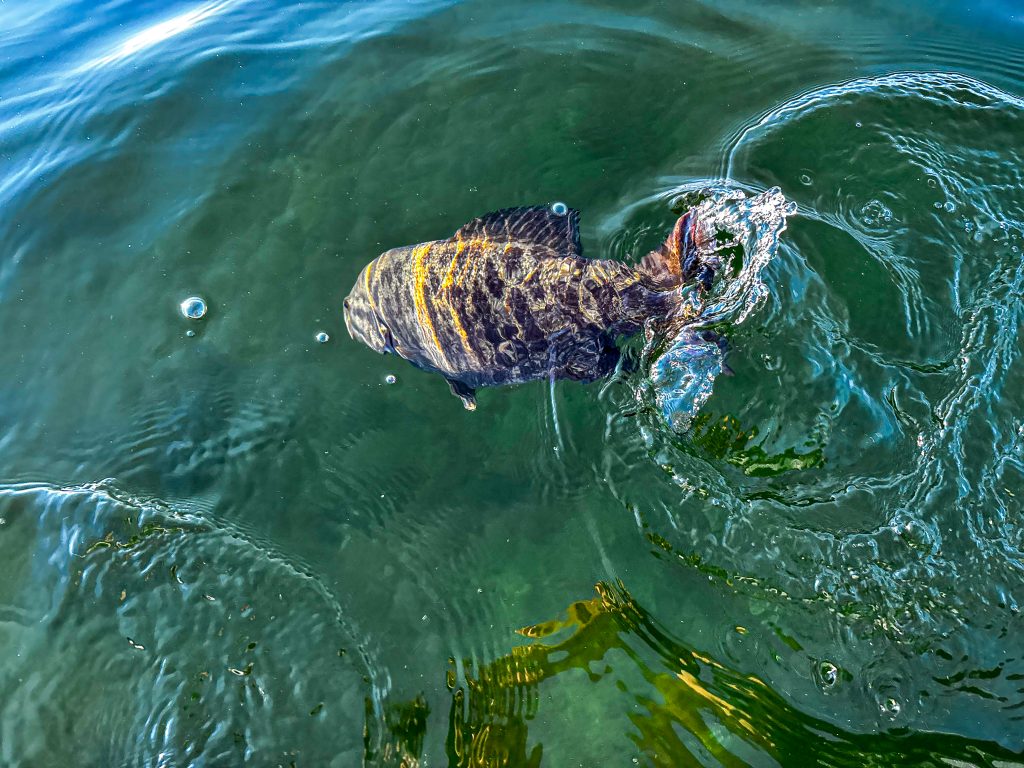
- Main lake points leading into creek arms
- Secondary points halfway back in creeks or coves
- Shallow flats where shad are corralling bait
- Rocky banks and riprap near marinas or dam faces
In these areas, focus on your lure’s swimming action and covering water. Bass are following food and your crankbait is a search tool to find them. Once you connect with a school, you can often load the boat in a hurry. It may take a while to locate active fish, so keep changing up your presentations to figure out what the bass prefer, and take note of their responsiveness to each style of crankbait. It will make all the difference.
Rivers vs. Lakes: The Big Differences
To sum it all up, rivers demand precision. Bass are pinned to current breaks, and crankbait success comes from hitting those sweet spots and using deflection to trigger bites. Slow down and pick apart key current-related spots, and use brighter colors to account for low visibility.
Lakes, on the other hand, demand coverage. In the fall, bass are less structure-oriented and closely follow bait migrations, so you need to understand baitfish movement and fish crankbaits at varying depths to intercept schools on the move. Speed up your retrieve a bit, fan cast in areas that are likely to harbor schooling baitfish, and reach for more natural color patterns.
—
Whether you’re on a river or lake, early fall is arguably the best time of year to fish a crankbait. Bass are hungry, baitfish are on the move, and crankbaits match the hatch perfectly while letting you cover water. The key to success is understanding your environment and how the bass will respond to your presentation. Rivers call for precision; lakes call for persistence. Master both, and you’ll find yourself putting more (and bigger) bass in the boat this fall.

READ MORE


Great article again this month my Nick Petrou. Love the info on Fall fishing, crankbaits and water temps. Thoroughly enjoyed it! Keep them coming!