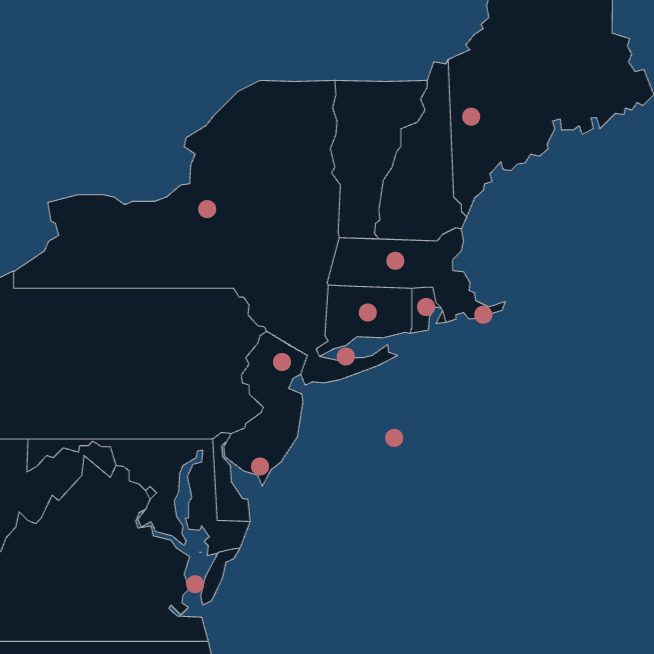

Located off the coast of Rhode Island, Block Island is known as one of the premier fishing destinations on the East Coast. Its rich waters and diverse marine environment offer a wealth of opportunities for anglers, particularly when it comes to striped bass. Fishing for stripers around Block Island in May and early June is an unforgettable experience. These months mark the peak of the striped bass migration, when fish are abundant and active, creating excellent conditions for a fantastic fishing experience. In this article, we’ll dive into the specifics of fishing for striped bass around Block Island during these months, including the best techniques, hot spots, and tips for success.
Migrating Bass and the Sand Eel Buffet
May and June are notable months since they coincide with the peak of the migration. Plus, there is minimal boat traffic on the fishing grounds during this time. As striped bass move into the waters around Block Island and the mainland of Rhode Island, the fish are on the hunt, searching for food—creating ideal fishing conditions for anglers. Huge clouds of sand eels surround the island and provide an endless bounty. The early season provides some of the most explosive top-water feeds and light-tackle jigging and casting action we see all year.
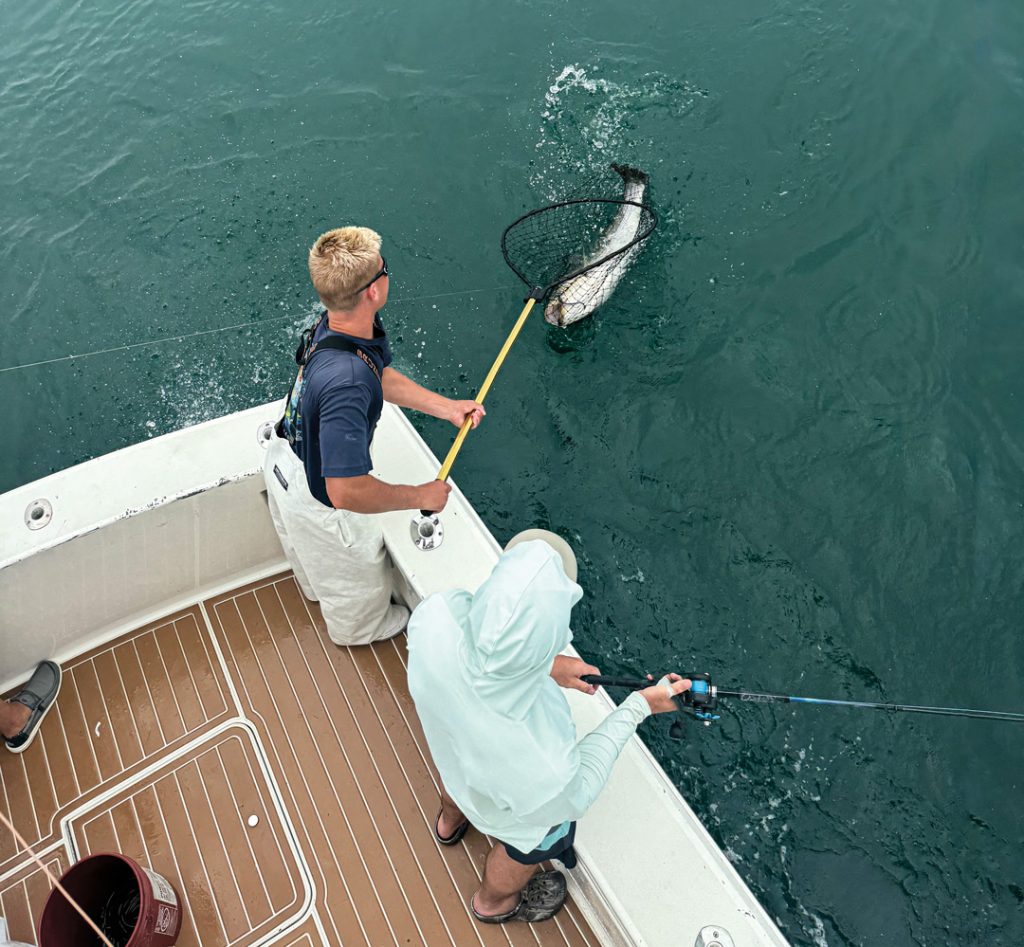
Block Island is considered one of the best locations for striped bass fishing in New England—in my opinion, it’s the best on the planet. It’s common to have a mixed bag of schoolies, all the way up to 50-pound-plus fish on a single trip. We’ve had days where we’ve landed over 100 striped bass in all different sizes.
The waters around the island are rich with baitfish, sand eels, mackerel, and menhaden, and the island’s coastline provides a range of different fishing environments, from shallow coves, reefs, rock piles, rips, and deep ledges. The island’s location and unique coastline structure mean that nutrient-rich waters flow through the area, attracting both baitfish and larger predators that feed on them.
Time and Tides
The best times to fish for striped bass around Block Island in May and June are during the changing tides, or the max tidal flow. Flood tide or ebb tide, it doesn’t matter; if the tide is moving, the bass will be actively feeding. I find the flood tide more productive on the south side and southwest corner of the island in the early season since the tide pushes sand eels over the reef where the bass use the structure to ambush their prey—particularly around the full moon.
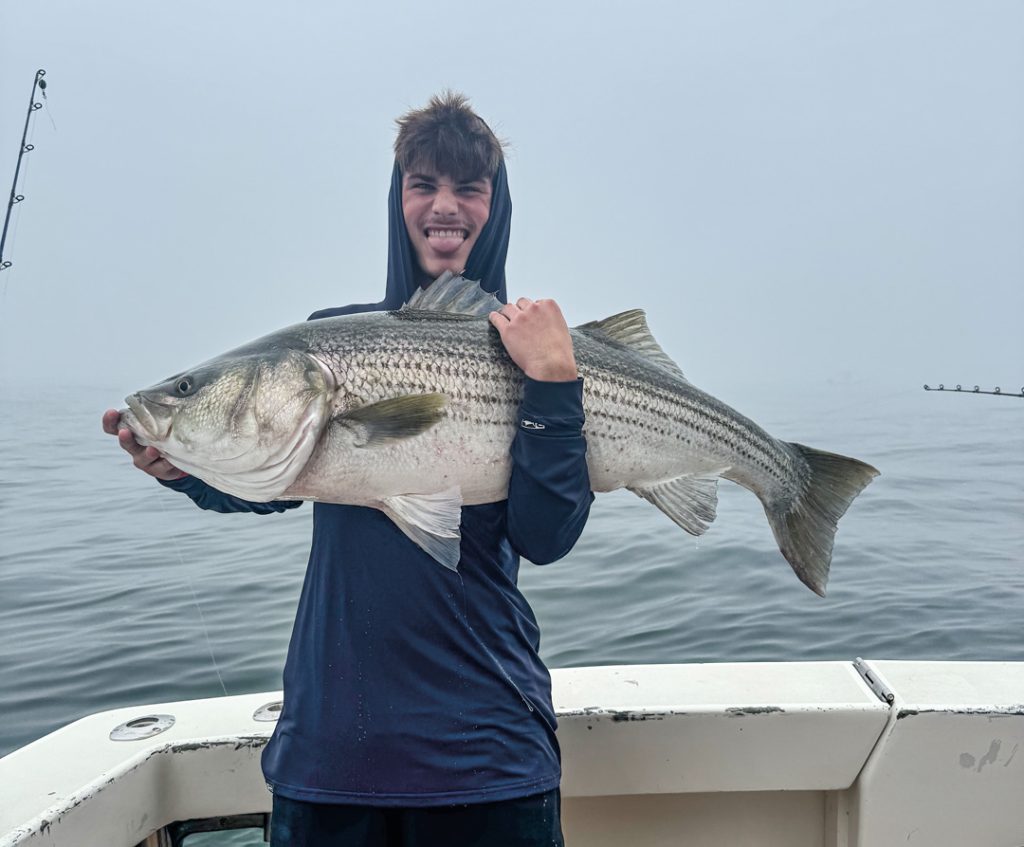
Striped bass are highly sensitive to tidal movements, and they typically feed more aggressively when the current is running. Early mornings and late evenings are prime times, as these are the cooler, low-light hours when striped bass are most active, but don’t count out a tide that falls in the middle of the day. I’ve had plenty of successful trips maximizing the tidal flow at midday. Understanding the tides and different fishing locations around the island can make the difference between having a successful trip and merely going for a boat ride.
Finding Early Season Stripers
The waters surrounding Block Island have multiple prime fishing spots that draw striped bass in the spring and early summer. When the tide is moving, be on the lookout for birds gorging on sand eels. Nine times out of 10, there are bass underneath pushing the bait to the surface.

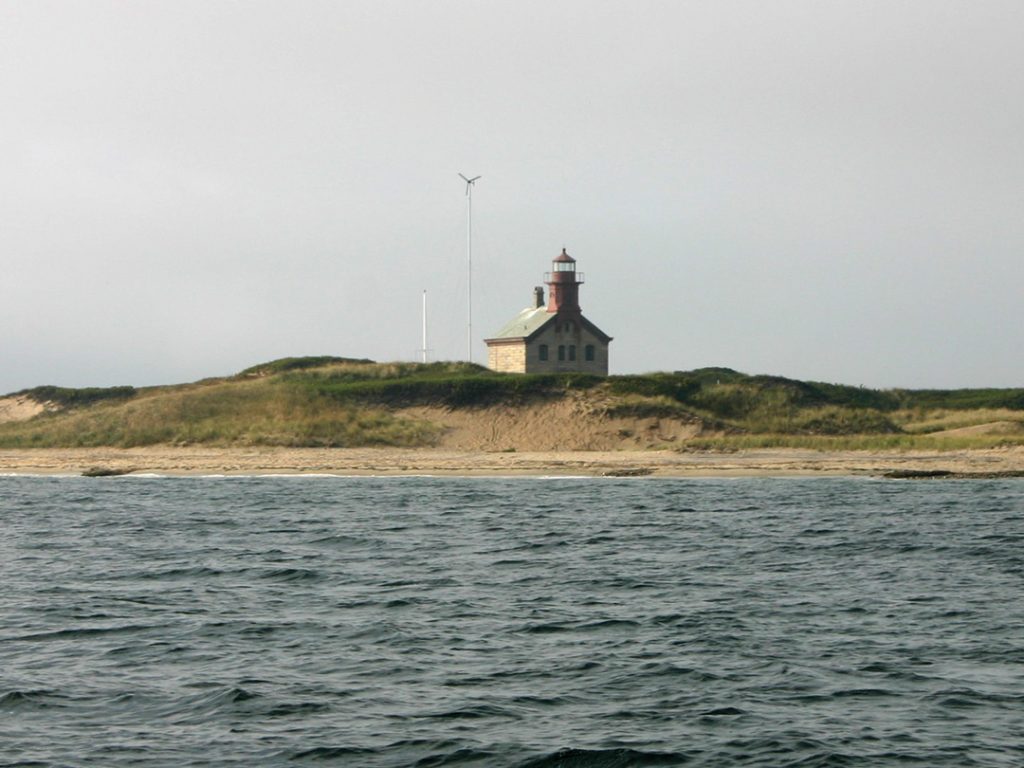
One of these spots is the North Rip, a large sandbar located on the northern tip of the island. This area is particularly productive early in the season because it’s where the waters from Long Island Sound meet the open ocean. The strong tidal currents, combined with deep drop-offs, create an ideal feeding ground for striped bass. You’ll find plenty of activity here by drifting over the sandbar. At the North Rip, I position the boat up-tide of the sand bar and let the current push the boat over the sandbar. At this point, I have my crew set up for vertical jigging and casting. This spot is productive during both the flood and ebb tides, but I’ve found that the ebb tide is more productive, with more fish and more aggressive feeding.
Located on the southern side of the island, the Southwest Ledge is another prime fishing location. It offers rock piles, boulder fields, humps, and fast-moving currents, attracting large numbers of baitfish. These conditions make it an excellent spot for catching stripers. Early on, as the incoming tide pushes sand eels on top of the reef, acres of striped bass can be seen under diving terns and gulls. These feeding frenzies can last for hours, providing incredible action.

Again, the one thing I’ve learned from fishing Block Island over the years is that if the tide is moving, the bass are feeding. Don’t be afraid to take a ride and go look around. The southwest corner from Lewis Point to the southeast lighthouse always has bait, birds, and fish working early in the season.
The Southwest Ledge can be fished using similar techniques as the North Rip. Although we do fish with live eels in late June through October, earlier in the season, the bass are all over artificials, so no need to spend the money on eels.
Top Techniques for the Block in May
Although many techniques will produce fish, the early season is prime time for sight-casting and vertical jigging because huge schools of bass can be found 360 degrees around your boat! That being said, yes, you can catch them on the troll using umbrella rigs, but why would you? If you have spinning gear or a fly rod, get ready for some incredible action.

We use all light-tackle spinning gear while targeting stripers around Block Island throughout the season, regardless of the size-class of fish, such as the Daiwa Saltist MQ reels paired with Jigging World Nexus and Night Ranger rods, and 30-pound-test J-braid topped with 4 feet of fluorocarbon leader.
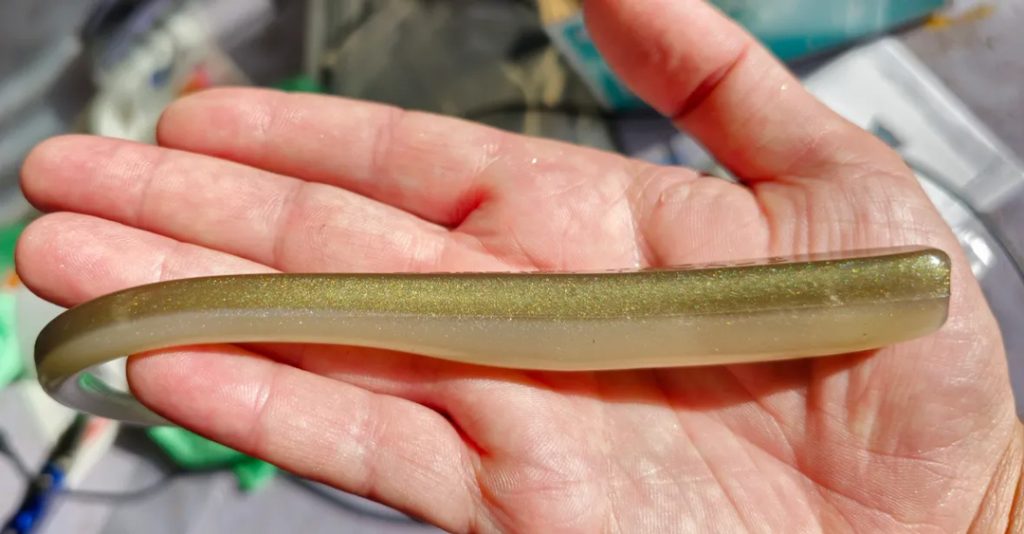
Lures like Gravity Tackle soft plastics mimic sand eels and are absolutely deadly on bass throughout the season. A soft plastic resembling an eel can be trimmed down or cut smaller to mimic the natural bait (sand eels) the bass are feeding on. These soft baits have incredible action and can be fished either by vertically jigging or casting and retrieving. I use 2.5- and 3-ounce heads as they’re heavy enough to throw far while casting and can also get deep enough while vertical jigging.
Any type of metal jigs, diamond jigs, and epoxy jigs are also a sure thing. Vertical jigging with diamond jigs is another way to get bites. Surface lures such as poppers and Docs will get blown up regularly while sight-casting to fish under birds.
Fishing for striped bass around Block Island in May and June offers anglers exciting and productive opportunities to experience some of the best fishing the Northeast has to offer. The island’s rich waters, diverse fishing environments, and the peak of the striped bass migration create ideal conditions for a memorable fishing experience. Whether you’re a novice or an experienced angler, it offers a wealth of opportunities to land these powerful and prized fish.
With the right techniques, gear, and local knowledge, you can maximize your chances of success. So, pack your gear, book a charter, and get ready for quite an experience.