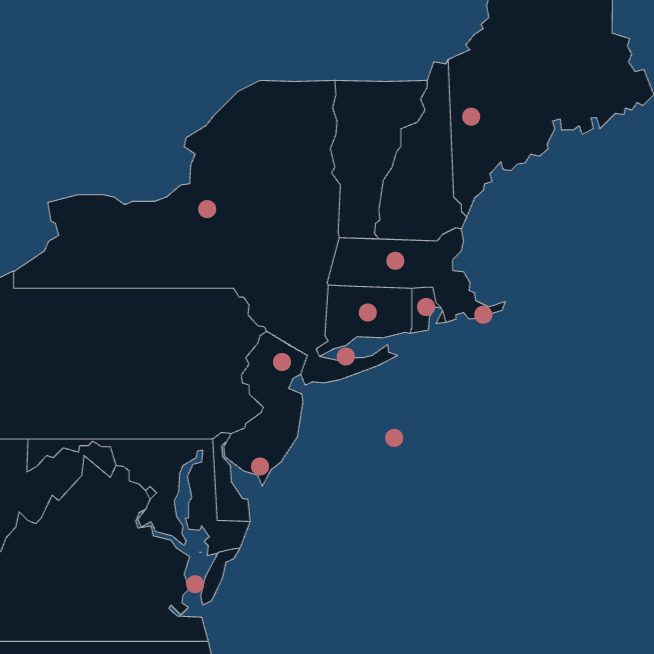

Maryland & Chesapeake Bay Fishing Report
- Largemouth bass and snakeheads patrol diminished grass beds.
- Trout stocking continues.
- Stripers over 30 inches are caught on jigs in the Eastern Bay.
- 20 to 30 pounds blue catfish feed in the Patuxent River.
- Chain pickerel and white perch are active in the rivers.
- Flounder are caught around ocean inlets, and sheepshead take sand fleas off of the jetties.
Reel Chesapeake Fishing Report – Annapolis, MD
The Reel Chesapeake Fishing Report is written and compiled by writer and media professional, James Houck. Find the full report here, at reelchesapeake.com.
The full moon approaches Saturday with strong tides, the forecast calls for calm winds and waves the next two days, and water temperatures remain in the mid-to-low 60s. This makes for prime feeding conditions in the middle Chesapeake Bay region, especially at night. The daytime bite between sunrise and set could be tougher though. By early next week, a cold front will push westward into the region and small craft advisories may be needed.
Reports from many recreational anglers and several charter captains have focused on a great jigging bite in the Eastern Bay vicinity for striped bass upward of 30 inches. This week has seen a very good bite between Bloody Point and Poplar Island and into the EB. Anglers have been jigging up fish by working 1- to 2-ounce heads with 5- to 7-inch plastics (BKDs, paddletails) below the bird blitzes in 20- to 40-foot depths. Skirted jigheads can offer the fish a more enticing look and you may want to enhance the offering with ProCure or garlic Spike-It. Anglers have also found success in shallower water around Thomas Point and the lighthouse, especially at dusk with topwater plugs.
The Bay Bridge pilings continue to offer a mid-20-inch class of stripers, with consistent catches by means of live-lining spot. Finding spot, however, has been a bit of a trick with the temperatures continuing to dip and the baitfish becoming scarcer. Of note, black sea bass have been in the mix for a few anglers rigged to catch bait, so targeting them with bottom rigs could be a nice alternative to finicky striped bass. (Side note: I personally worked the shoreline at Sandy Point State Park last Wednesday evening, casting Smack-Its and Salt Pros, hoping for a rogue striper to hit. The only fish caught was a small Atlantic needlefish who outdid himself going for a lure he had no business trying to eat. Go figure.)
In the middle Bay rivers (Magothy, Severn, South, Chester, Miles/Wye, Choptank), anglers should plan to work the shallow shorelines, sandbars, and structure during morning and evening hours for schoolies. Poppers, walkers, and jerkbaits have been go-to lures lately. Areas with adjacent, sharp dropoffs are excellent target areas, so check your charts. Swim-jigging 1/4- to 1/2-ounce bucktails (tipped or not) around deeper docks/piers/pilings can also produce larger river stripers.
Those fishing the rivers accordingly this week have been catching more and more pickerel. The fish are becoming increasingly active, especially in the creeks and coves. Numerous Severn River pickerel have been entered this week into the Severn River Rod & Keg Club’s annual derby, though none larger than about 21 inches to date. More and larger fish will start feeding with abandon when water temps approach 55F. By then, expect the white perch bite to all but have completely died. Until then, you can still pick them off in the creeks and downriver in deeper water. By late-fall, the white perch will have moved into deeper Bay locations to overwinter.

A brute species that’s bulking up right now is the blue catfish. Reports from the middle Patuxent (Jackson’s Landing vicinity and south) have been dynamite, with numerous 20-pounders caught, and a few nearing 30 pounds. Fish-finder rigs holding bottom with lead and a 8/0 circle hook with fresh cut bait is simple and effective. Dropping into a hole, usually found at the bends in rivers, can be the ticket. Once the bait scent is picked up, blue cats (and channels) will swarm toward it. Hang on! Other known havens for the blue cat include the mouths of the Middle, Patapsco, Magothy, and Choptank rivers. The Potomac river in the D.C. vicinity is also prime habitat.
Largemouth bass, crappie, and panfish are still in fall feeding mode. A near 6-pound fish was just pulled from the Annapolis Waterworks Park impoundment. There are a few bigs in this water. Frogs pulled across dying vegetation or working weedless flukes, worms, and the like could draw strikes from bass. Near cleaner (no veg) banks, rocks, and laydowns, try pulling small square-bill crankbaits across the structure. This is a prescription for just about any water in the region holding bass. Aggressive feeding strikes can be exciting. Good luck!
View the full Reel Chesapeake Fishing Report, written and compiled by writer and media professional James Houck, at reelchesapeake.com.
Angler’s Sport Center Fishing Report – Annapolis, MD
The Angler’s Sport Center fishing report is compiled and written by Anglers Team Member, A.J. Lewis.
Upper and Middle Bay
The Susquehanna River is providing excellent fishing for blue catfish right now, some of the best fishing anglers have seen all year! With these invasive fish, you can keep as many as you’d like with no size limit on them, so anglers are filling freezers with their tasty meat. The most effective baits are cut baits such as alewife or soft crab.
With the cooling water temperatures, baitfish are beginning to leave tidal rivers all around the upper and middle Bay areas. Anglers are having huge success near the mouths of tidal rivers as the striped bass target schools of peanut bunker being swept out with the tide! Most anglers are catching stripers on soft plastics like swim shads or while trolling.
The dropping water temperatures have not effected the white perch fishing though! Anglers are still catching perch in large numbers using small spinners and spoons around shallow structure. For the bigger white perch, a good old Chesapeake Sabiki Rig or bottom rig tipped with live or artificial bait will do the trick.
South Bay
In the south Bay, cooling waters have anglers catching striped bass all along channel edges and the mouths of the southern bay rivers! Areas around Tangier and Pocomoke Sound are excellent places to try for multiple species of fish such as striped bass, speckled trout, and even red drum! Spot are beginning to thin out in the bay as the water temperatures continue to cool, but anglers are still catching them on bottom rigs here and there.
The Angler’s Sport Center fishing report is compiled and written by Anglers Team Member, A.J. Lewis.
Maryland DNR Fishing Report
Maryland DNR Fishing Report is written and compiled by Keith Lockwood, fisheries biologist with the Maryland Department of Natural Resources.
Freshwater Fishing
The fall trout stocking program continues, providing plenty of fun trout fishing. Each stocking is posted on the trout stocking website by afternoon, once the stocking crew has finished. This information can be found on the trout stocking website.
Anglers are enjoying good fishing opportunities for a mix of largemouth and smallmouth bass, yellow perch, trout, walleye and northern pike at Deep Creek Lake. The upper Potomac is still running low and clear this week, presenting opportunities for shoreline and small boat fishing for smallmouth bass. Root beer colored tubes are one of the more popular lures being used.
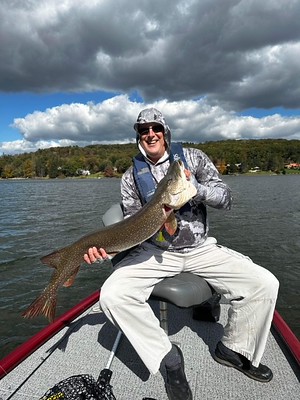
Largemouth bass in Maryland are in a typical fall mode of behavior, aggressively feeding to build up body stores. The cooler water temperatures have them roaming freely in a variety of aquatic environments. Anglers will find largemouth bass feeding longer throughout the day. Grass beds are diminishing due to shorter periods of daylight and as these grass beds break up, the crayfish and baitfish hiding in them must find a new place to stay safe and secure for the winter. Largemouth bass will be patrolling the transition waters between the shallow grass beds and deeper cover.
Spinnerbaits, jerkbaits, jigs, and crankbaits that resemble crayfish are excellent choices for casting. In tidal areas, a low ebb tide will often have largemouth bass holding close to the outside perimeter of spatterdock fields and grass beds. Largemouth bass will also be found holding near sunken wood or similar structure, waiting to ambush prey. Whacky rigged sticks or soft plastic worms work well as do soft craws.
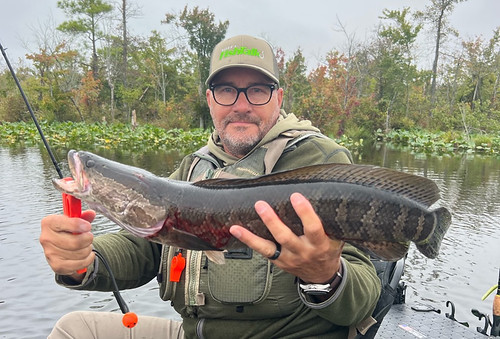
Northern snakeheads are being forced out into more open waters as thick shallow grass beds decline. Fallen shoreline brush, sunken wood, and fallen treetops are becoming preferred spots for snakeheads to hold. Casting white paddletails and chatterbaits with large soft plastic creature baits attached are popular baits. Dead sticking a large minnow under a bobber in open water while casting can often pay dividends.
Fall is an excellent time of the year to fish for crappie. They can be found schooled up tight to deep structure. Marina docks, old piling fields, fallen treetops, sunken brush, wood, and bridge piers all tend to hold crappie. Small minnows or a marabou jig under a slip bobber is a great way to fish for them.
Atlantic Ocean and Coastal Bays
Surf anglers continue to enjoy good fishing for kingfish, which are being caught on pieces of bloodworm and artificially-scented bloodworm baits. Bluefish are being caught on finger mullet or cut mullet; flounder and blowfish are being caught on squid. At night, large red drum are caught and released on cut mullet. Stingrays are part of the deal when fishing with large baits.
At the inlet, some nice slot-size striped bass are being caught by anglers casting soft plastic jigs or drifting cut bait. Sheepshead can still be found near the jetty rocks and the Route 50 Bridge piers, and they are being caught on sand fleas and pieces of peeler crab.
Cooler water temperatures and reduced daylight are forcing flounder to head for the inlet and offshore spawning waters. The channels leading toward the inlet are the place to fish and thanks to reduced boat traffic, a safer place to fish. Large Gulp baits and fishing with live finger mullet, spot, or peanut bunker are catching the largest flounder. There is some fun striped bass catch and release action taking place at the Route 90 Bridge. Anglers are catching striped bass measuring less than 28 inches by casting paddletails and soft plastic jigs.
Anglers headed out to the offshore wreck and reef sites are enjoying excellent fishing for black sea bass and a mix of triggerfish and flounder. Those targeting flounder are finding them near wreck and reef sites and lumps out to the 30-fathom line. Small dolphin are also being found from the 30-fathom line out to the canyons.
At the canyons, anglers are finding a mix of yellowfin tuna, wahoo, and dolphin. Those who are fishing the depths for swordfish are finding a few. Deep-drop anglers are also finding a mix of blueline and golden tilefish.
Maryland DNR Fishing Report is written and compiled by Keith Lockwood, fisheries biologist with the Maryland Department of Natural Resources.