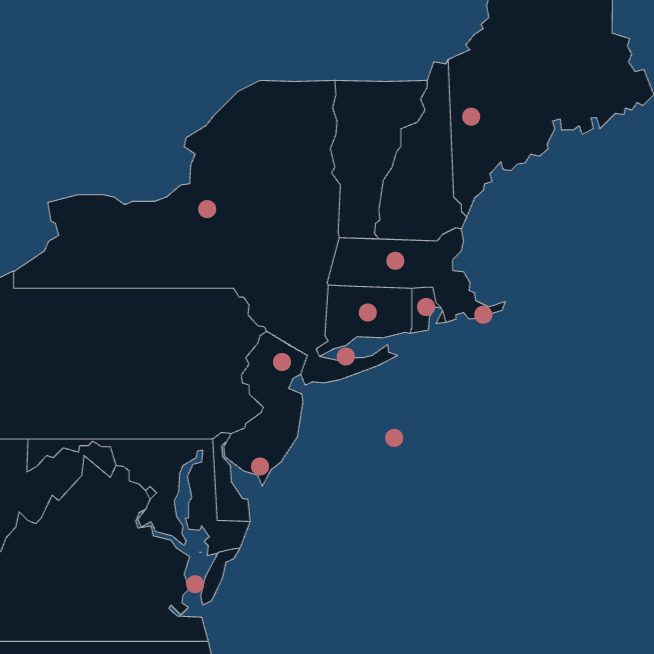

Long Island and NYC Fishing Report
Captain Kenny Schmitt of the Angler Fleet (@anglerfleet) out of Port Washington reports: “I’m seeing more and more fish and longer feeding windows. The warming waters are making them slightly less picky and more willing to eat. As for blackfish, the fish are here and the temperatures are teetering on what we need to get them to move around and eat. It will be nothing like the fall bites, but it will be a good opportunity to catch your personal best tog. You just won’t find the quantities of them like you do in the fall.”
Mark at Cow Harbor Bait and Tackle in Northport reports: “There are fish to the west—way west by the city. Locally, it hasn’t happened yet. Folks are hitting the trout stocked ponds. Blackfish season is open, but not many folks are fishing for them. The guys who have are fishing bridge pilings, rock piles, and piers.”
Justin Braun at Port Tackle (@porttacklecompany) in Port Jefferson reports: “The shop is ready, we’re fully stocked on your favorite products. Stop in and pick up some minnow-style plugs, a new rod, or even some leader. We have everything you need and we’re excited to be here in Port Jeff. As a reminder, we have a grand opening the 25th! Stop by and join in the excitement.”
Joseph R (@nothingeverchanging) reports: “Well, it’s April, and it’s no secret to anyone that stripers have hit the NY/NJ area in a big way. Most people are still standing shoulder to shoulder on the rivers largely because of a few widely publicized and burned bites on social media. But if you take a moment away from the hype and explore some other “typical” areas, I think you’d be likely to find some quality fish in a quieter setting. Raritan Bay is full of bass—it has been for some time—and they are filling in more and more each day. Don’t let a few cold nights and a skunk or two deter you from trying, or throwing your hands up and concluding that “they’re not here yet”. They’re here, and you know exactly where…just go fish it. This is not the time of year where you’re going to find sustained bites that go on for hours, allowing you to run to a spot after an overly excited buddy’s phone call. You’re going to need to put in some time and just be there when it happens. With that said, I have been finding some decent action at some fairly specific and short windows. Two hours before high tide, and roughly 3 hours before low tide have been the productive windows at most locations I’ve fished in the past week, and will afford you 45 minutes to an hour of action that you must capitalize on. The harsh winter and recent erratic weather has water temps sitting a little lower than I would prefer for this week, and you should likely still be treating these fish as winter bass with low and slow presentations. Put your poppers away… for now. Torturously slow-rolled swimming plugs have been the ticket at night when the fish feel a bit more comfortable and are venturing into shallower water and closer to the surface. Light, slow-moving soft plastics, cruised just above the bottom, have been best for daytime fishing when the fish tend to be holding a little deeper. Although the fish are scattered about, there hasn’t been much action out front, at least as far as surf fishing goes. I would still be focusing on back bay locations, coves, harbors and river mouths in and surrounding Raritan Bay for your best shot at bass. Warmer temps coming next week should get the fish fired up and, hopefully, ignite a little more widespread action in the area.”
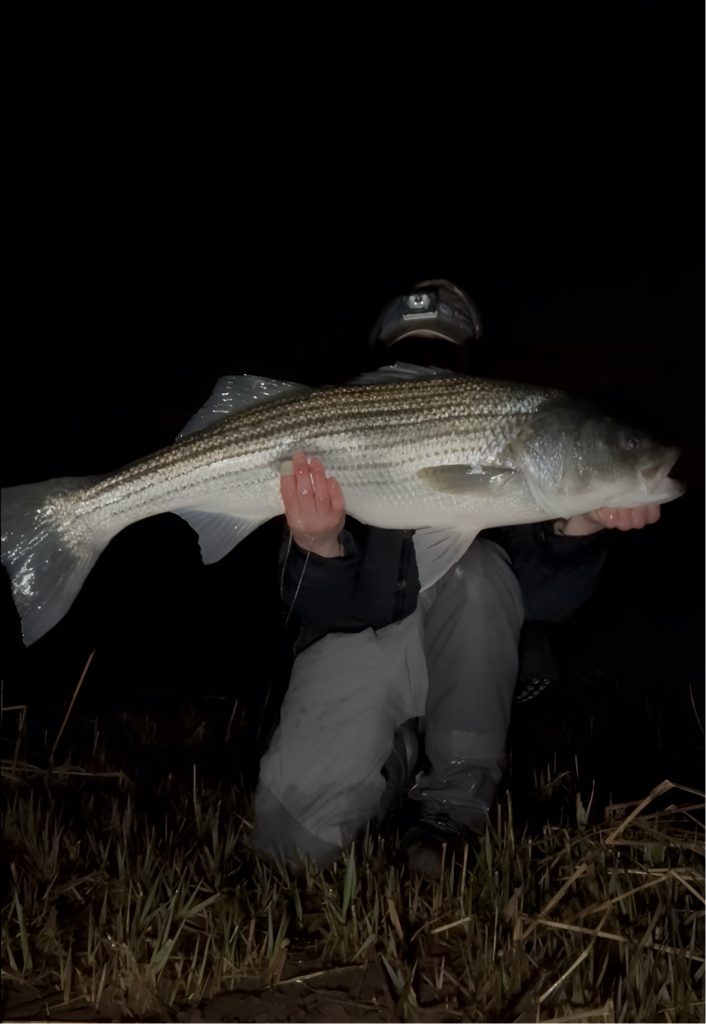
Andrew Bernat (@tactical_bassin26) reports: “A late-season cold snap has tightened its grip on the region, and with it, the early spring saltwater action has taken a noticeable step backward. What had been a slowly building bite over the past week has now regressed into a far more scattered and inconsistent bite, leaving many anglers scratching their heads and covering water for fewer results.
The primary factor behind the slowdown is temperature. That brief stretch of warming conditions that began to push life into the shallows has been halted, sending water temps back down just enough to disrupt the fragile early season bite. As a result, much of the bait—primarily spearing and killies—that had started staging in open water has pulled back into the stability of rivers, creeks, and tidal outflows. Areas that were holding schoolie bass just a few days ago, particularly shallow mud flats, bay edges, and outflow zones, on the dropping tide have thinned out. The fish haven’t disappeared entirely, but they’ve become far less concentrated and far more lethargic. The few bites that are coming are requiring a more technical approach—smaller profiles, slower presentations, and a focus on any moving water that still shows signs of life.
Outgoing tide continues to be the most productive window at night, but even that bite has slowed to a crawl. Fish that were previously willing to commit to small soft plastics and light plugs are now following rather than committing to the strike. And when they do eat, it’s often extremely subtle rather than aggressive. Patience is key right now. This is no longer a numbers game, but a hunt for opportunities.
In the meantime, many anglers have opted to pivot.
To stay tight during the slowdown, I spent time inland with my good buddy Sean (@long_island_fishing_guy), exploring some of Long Island’s freshwater and the move paid off in a big way. While the trout bite has been slow at best, likely due to similar temperature-related hesitation, the bass and walleye fisheries have been on fire under the current conditions. Bass are feeding aggressively, especially during low-light periods, with fish keying in on small baitfish and staging along drop offs, submerged structure, and warmer pockets. Slow-roll and slight twitch presentations have been effective, but there have also been windows where fish are willing to chase, offering an aggressive touch to the grind. Walleye, on the other hand, have been the standout. Actively feeding and far less pressured, they’ve been providing steady action, especially during early mornings. Small jerkbaits have been producing consistent hookups. It’s a reminder that while one fishery may slow down, another can be hitting its stride.
For now, coastal anglers are in a holding pattern, waiting on that next stretch of stable weather to bring things back to life.”
Nick Cherkas (@surfcasting_the_island) reports: “As anticipated, the pace of this early spring has coincided with how last year’s run played out. A bone-chilling winter accompanied by induced cabin fever made for a late start before the first signs of life appeared in my local waters. Expect a lot of hours to be put in for very little reward, if any. Stripers ranging from schoolie-size up to high-teens (at most) have been active. I believe many of these fish are holdovers. By the next moon, we should see more (and larger) fish making their way toward and into the Hudson River and nearby bays.”
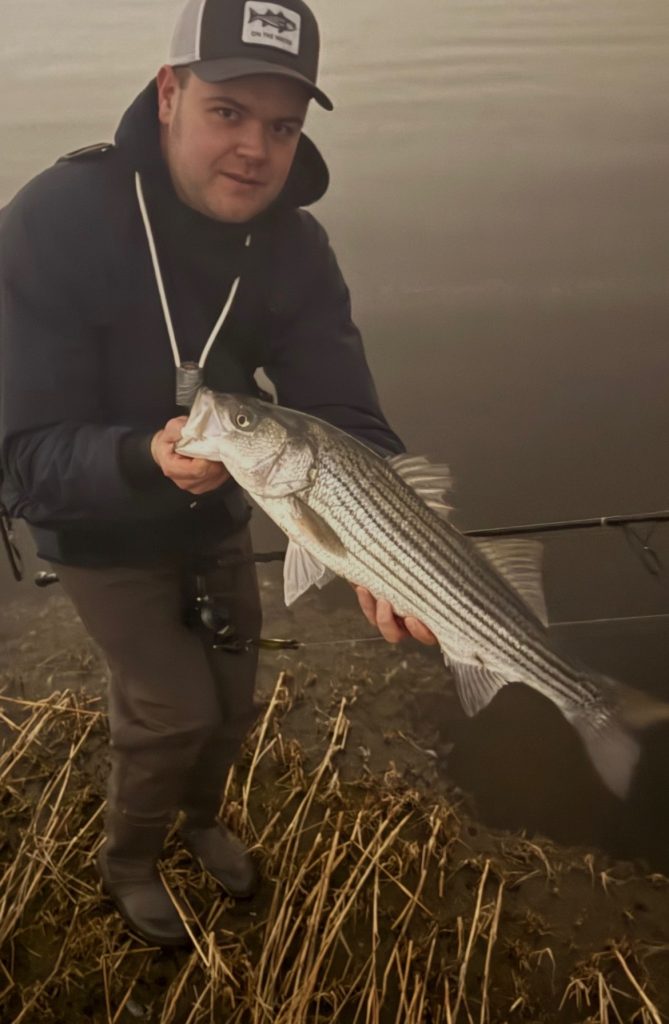
Captain Jess Rogers of Gypsea Charters out of Brooklyn reported: “After a long, cold winter we are back fishing! We have been targeting blackfish, although the bite has been slow with some keepers coming up. As the water continues to warm, the bite will heat up. The Little Gypsea sails every day for blackfish and the Gypsea II will begin fishing on the 15th for stripers.”
View this post on Instagram
-
Want to get in on the bite? Find an OTW-approved Charter Fishing Captain around Long Island and NYC
Captain Rob of North Fork Adventures out of Southold reports: “There are holdover bunker and bass deep in the back creeks of the Eastern Sound. We have quite a ways to go before things pick up; there are short tog around, but they are super slow. I think the end of April should be great, and big spring porgies should come in right around then. Every year, the fish suddenly come in overnight! The Western Sound is coming to life, so those fish should move over to us soon.”
Bill Falco (@fishlongisland) at Chasing Tails Bait & Tackle in Oakdale reports: “Me and the boys have been on the grind for freshwater fish before the big stripers show up in our waters, and it’s been very productive. Lots of solid largemouth bass, pickerel, walleye, and crappie. This time of year, everything is charged up and very hungry from a long winter. Slower moving lures like jerkbaits, spinnerbaits, paddletail swimbaits, and jigs are still best. Panfish like bluegill, yellow perch and crappie are all over the small jigs. A lightweight jighead paired with a 3-inch soft plastic always does the trick for me. The lighter the rod, the better. In the salt and brackish water, the white perch fishing is still going very strong, and some nice schoolies are coming out of the local rivers. The perch are all about tiny jigs—soft plastics, or marabou. Fish ‘em light, or ultralight for maximum fun. Striped bass are eating basically the same things, just size up a bit. Soft plastic swimbaits and shads are a killer option for this time of the season. I’ve been throwing 4-inch paddletail swimbaits and having great fun with the residents.”
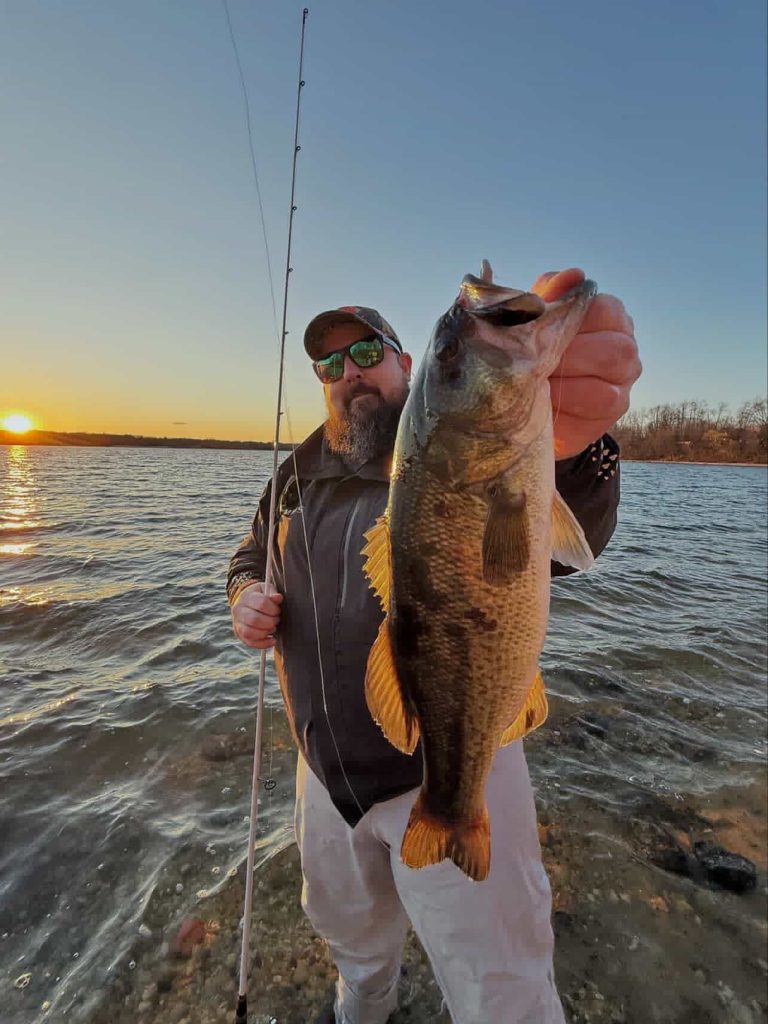
Sean Conway (@long_island_fishing_guy) reports: “The freshwater scene is hot, and the night bite has been extremely productive. Everything from walleye, crappie, smallmouth, and largemouth are feeding and they seem to be all mixed in with each other.”
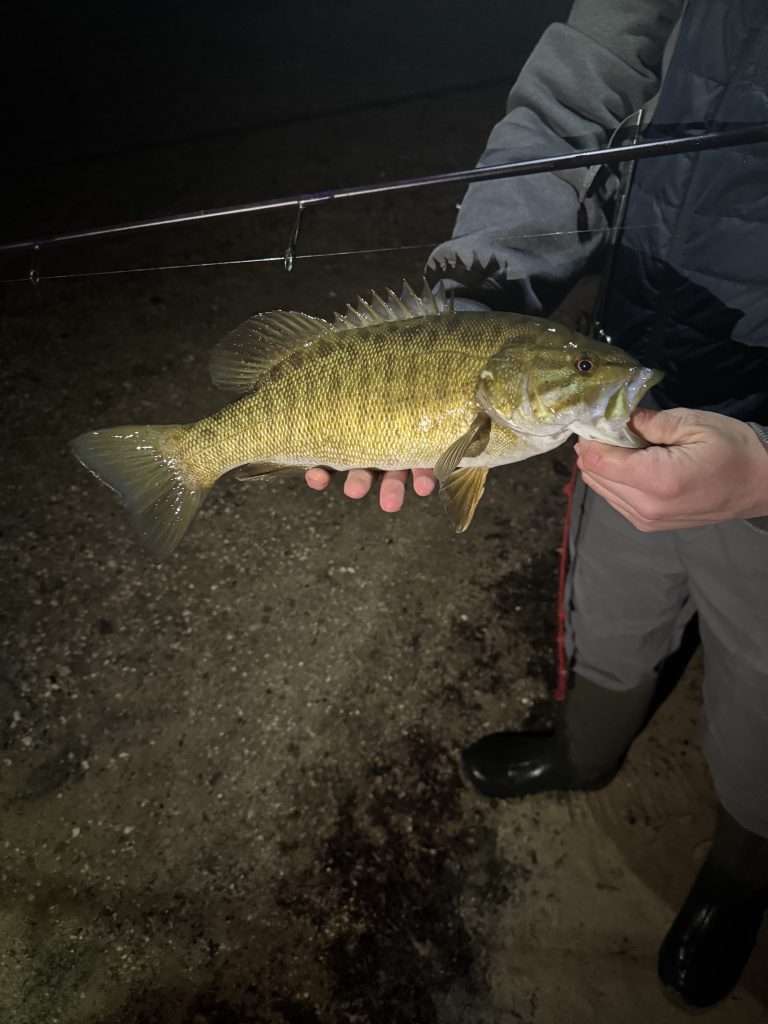
Nick Cancelliere (@nick_onthewater) reports: “Last weekend I went fishing knowing I had a good shot at a fish. Water temperatures didn’t break 50 but they were in the upper 40s, the sunny weather and bird activity was a good sign that the fish might be active. As I worked the back bay, I spent an hour jigging channel edges and trolling soft plastics. Once I transitioned to shallow water, the temperature began to rise; 10 feet off the bank in 4 feet of water I came tight to a striper on a Rapala X-Rap. The fish clobbered the lure on the pause and thrashed in place without peeling much drag, and I was smiling ear to ear because I had caught my first striper of 2026. From there, I knew it was time to put my new Stride glide to the test. It took me a few casts but, once again on the long pause, a striper inhaled my lure and began thrashing on the surface. The fish are still lethargic due to the cold, so low and slow is the name of the game. Shallow mud flats are the key! Good luck everyone.”
The Author’s Experience
On Saturday, I fished North NJ with my buddies Colin, Desmond, and Kenny. The bite was very tide dependent. While we marked plenty of fish in the morning on the incoming tide, the bite was nonexistent. That said, during the outgoing tide in the late afternoon, the water temperature went up and the fish cooperated on small 1- to 1.5-ounce shads in chartreuse and white. Additionally, we picked away on the fly with a 500 grain sinking line and heavy jig half and half. The key was dragging the bottom nice and slow and popping the fly ever so slightly. We managed 15 fish overall on Saturday.
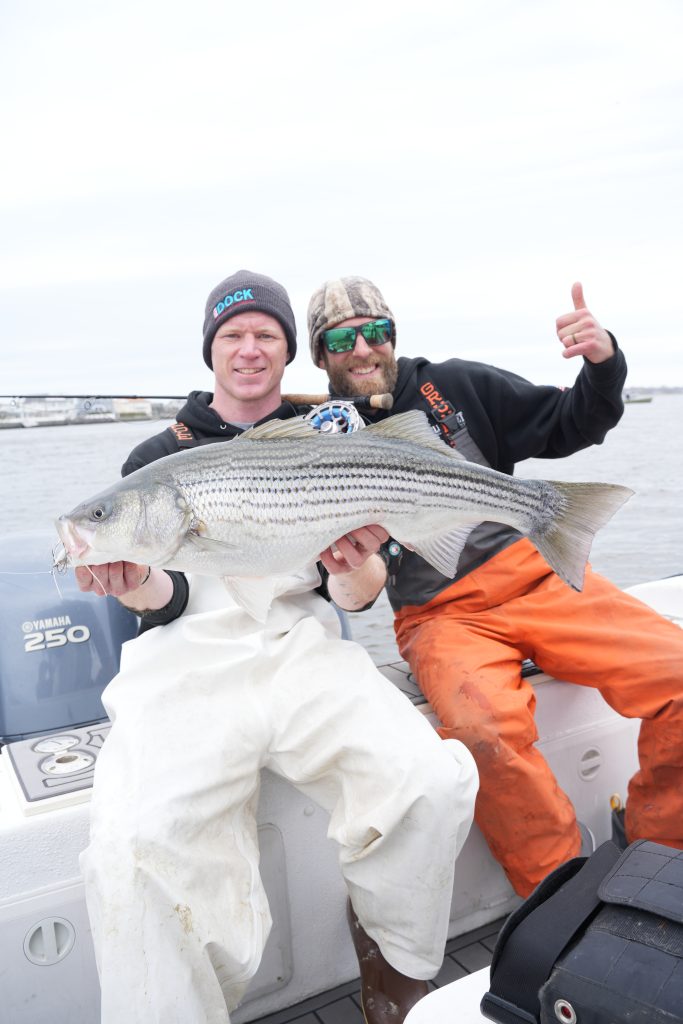
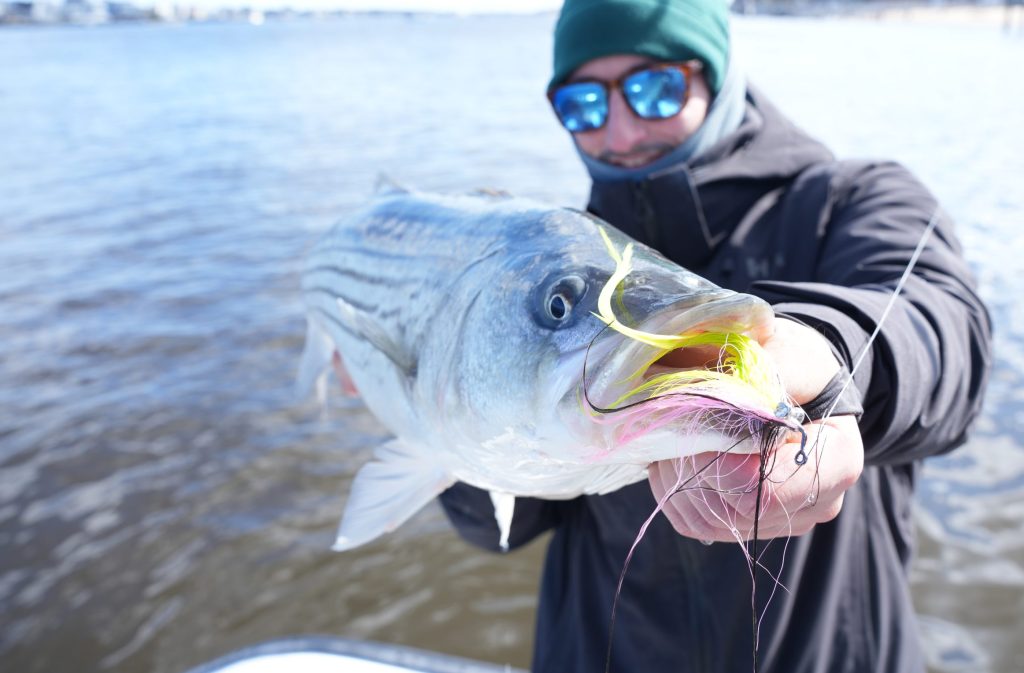
Fast forward to Monday, Colin and I went back out from 7 AM to 10 PM. The day started slow, windy, and cold. But the fish seemed to be located right where we left them. As we began our first drift we marked piles of fish glued to the bottom. At approximately 9 AM we came into our first fish on the fly—a healthy 26-inch schoolie. We steadily picked away at fish until about 7 PM at which time, the screen changed from small marks to large pronounced “checkmarks”.
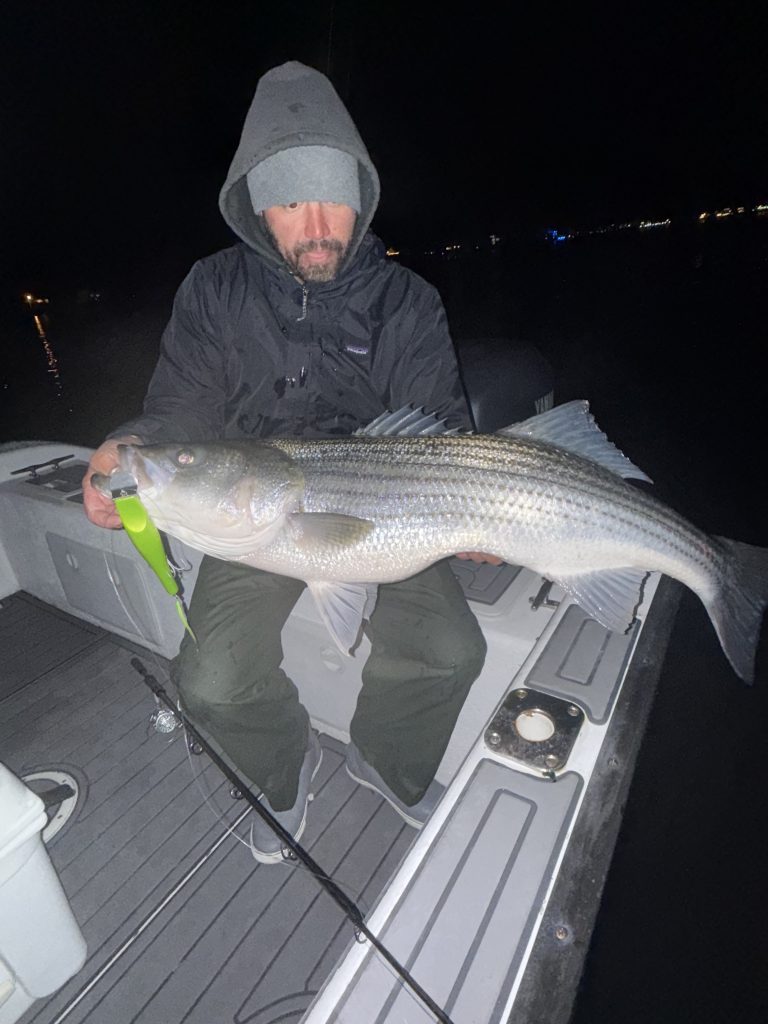
When the sun went down, the night bite was epic. The fish began crushing large gliders and metal lips. The class of fish switched from 10-12 pounds to 20-25 pounds. Every drift we marked large bass underneath the boat. Casting and retrieving slowly and methodically was the ticket. The fishing is extremely hot at night right now, but with a drastic drop in temperatures, I’m curious to see how the bite goes. It might take a second for the fish to reacclimate.
Long Island & NYC Fishing Forecast
The April full moon came and went! It’s safe to say our striped friends are back. The backside of the full moon seemed to deliver more than the frontside. It’s good to be back chasing fish… I thought I was going crazy for a bit. Now, the deep Western Sound holdovers are waking up more and more by the day. The night bite this time of year is always more conducive than the day bite. The key is to fish on warmer nights when fish activity is high; colder nights can shut a bite down. If you’re looking to come tight, you can’t go wrong with a minnow-style plug. If you’re looking for the right fish and you’re not afraid to skunk, a shallow-running metal lip or Bluff bunker swimbait just under the surface can drum up some extra-large fish. In years past, my buddy Andrew Bernat and I have pulled fish in the 20- to 30-pound class in early April on some monster metal lips.
Keep in mind that the warmest water temperatures and highest volume of available bait will be found deep in the Western Sound. Based on what I’ve seen, a motherlode of bunker should be making their way through the city and into surrounding bays any day now, which could light up the fishing big time.
It’s great to be back in the saddle, losing sleep, and chasing the fish of a lifetime. You never know when you’re going to hook that one big fish that’s going to take you for the ride of your life, and that’s what it’s about!
Cheers to spring 2026, ladies and gentlemen.