
Maryland and Chesapeake Bay Fishing Report
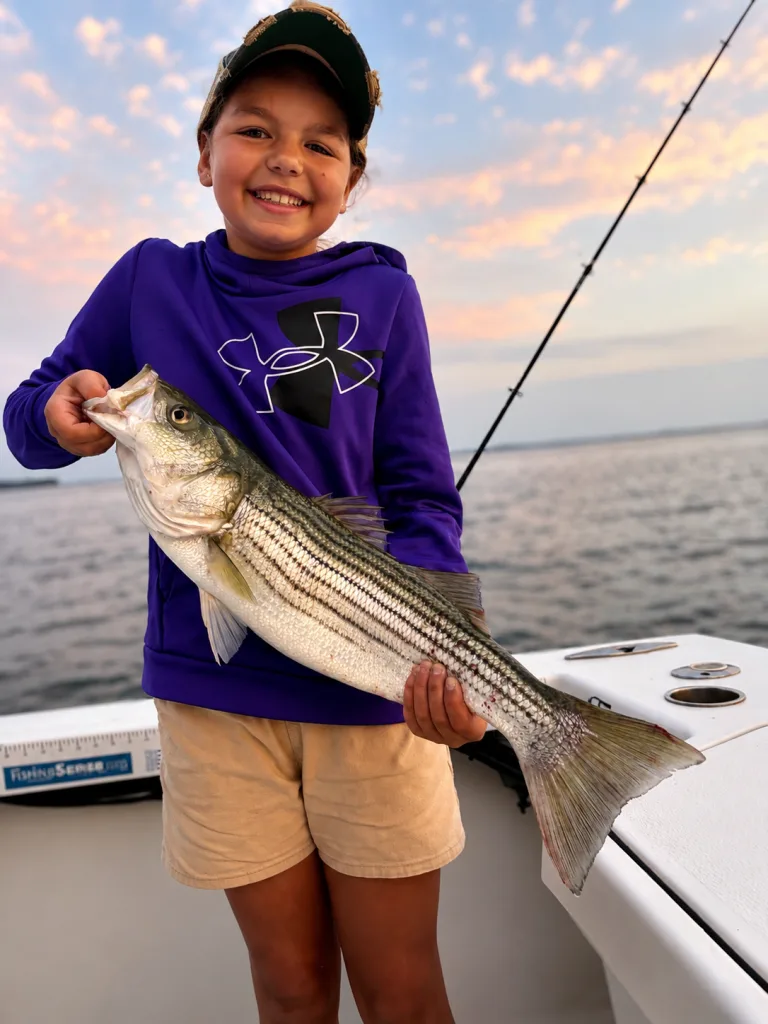
Captain Jamie Clough of Eastern Shore Light Tackle Charters said the topwater striped bass bite shows no signs of slowing down yet—it is, in the captain’s words, “insanely good” right now. Early morning and late evening, when the sun is lowest, are the best windows for surface action. Casting white or red/silver spooks and working them with a super slow and steady retrieve has been the key to getting bites during the low-light hours of the day. The skipper said there is a lot of small bait in shallow, most of which appears to be silversides, and that is keeping the bass active and feeding despite warming water temperatures and exceptional visibility due to the clear water conditions. To get in on the topwater bite while it’s hot, head to ES Light Tackle Charters Facebook page for trip rates and contact info.
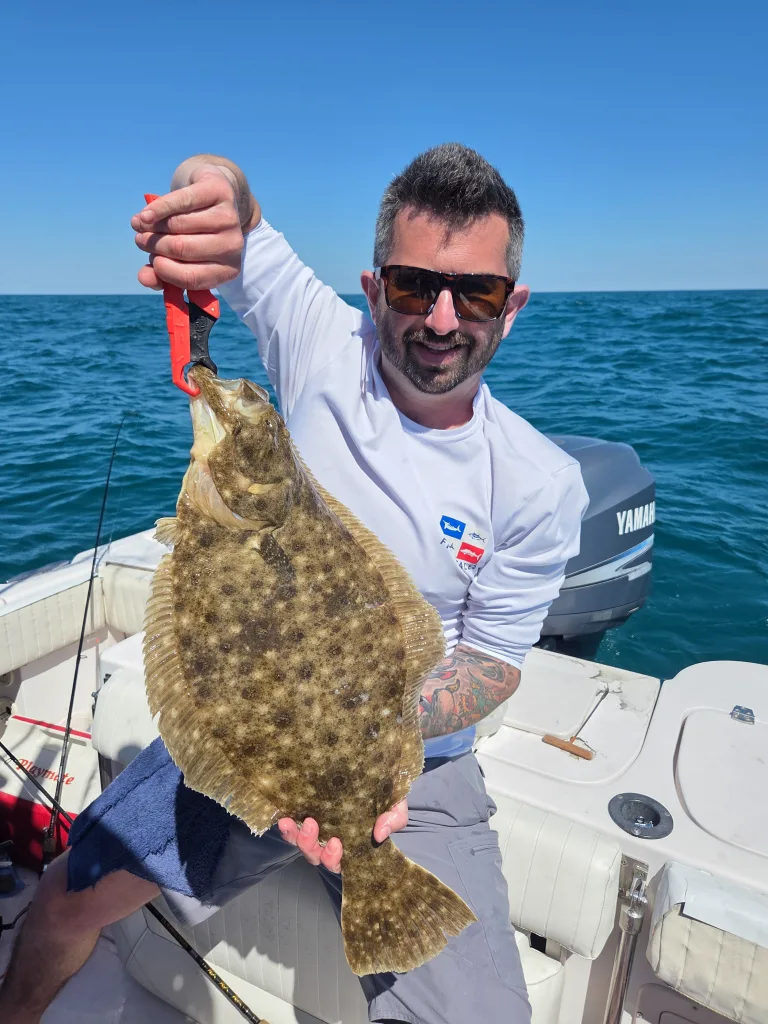
Taylor Bakke of Always Bent Fishing OC said the sheepshead bite continues to improve around Ocean City as more fish move onto inshore structure. In addition to sheeps, local anglers are still picking away at stripers in the backwaters, from the bridges to the marshes. Bluefish are mixed in with the bass, but not in numbers. Flounder fishing, he added, has been very good in the coastal bays and around the inlet. Meanwhile, surf fishermen are pulling in red drum. However, there are more sharks being caught on the beaches now and they are interfering with the drum bite, so bump up your leader material or start using wire to avoid breaking off rigs. Offshore, he said, the yellowfin bite has gone quiet and now it’s mostly bluefin tuna chewing in the canyons, but they have yet to move into the midshore and inshore areas where anglers used to seeing them this time of year.
View this post on Instagram
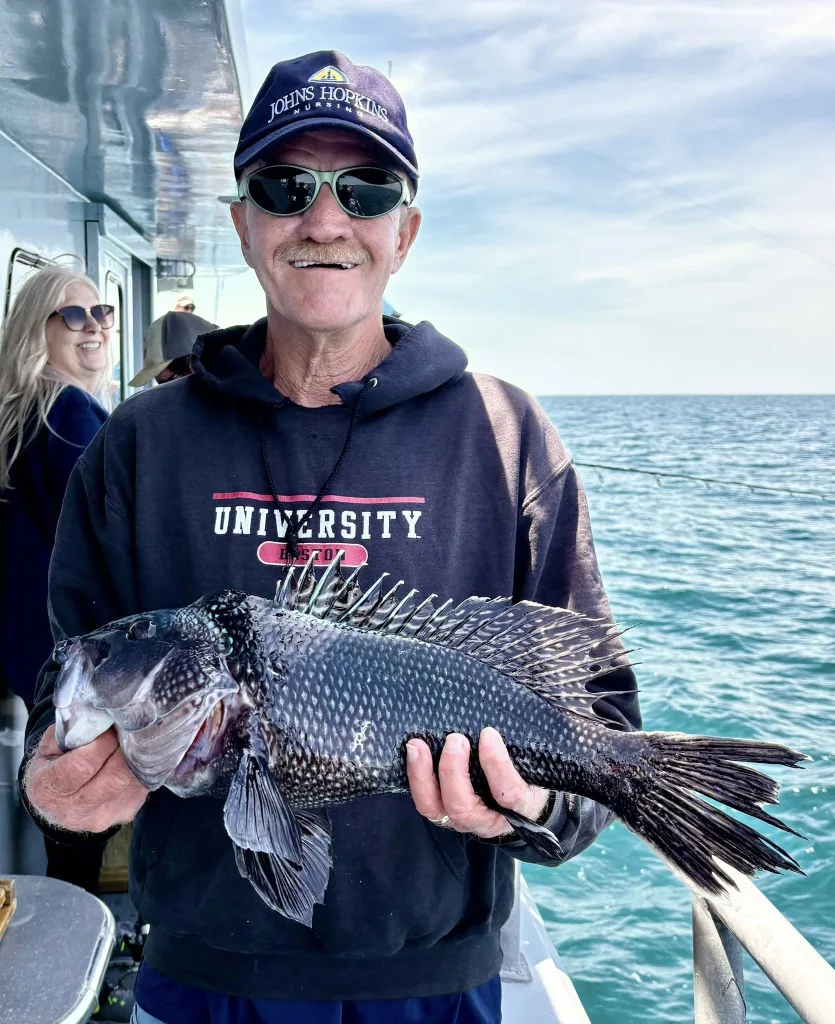
Captain Monty Hawkins of Morning Star Fishing out of West Ocean City reported decent sea bass fishing overall this week, and some days it has been a real pick. Last Friday’s trip saw sporadic on-and-off action, with some drops yielding a steady bite marked by plenty of throwbacks with a few large keepers mixed in. Everyone went home with dinner, but they had to work for their fish. On Saturday, anglers aboard the Morning Star had quick shots at fish early on in each drift, but with the skipper hardly marking much on his sounder, he concluded that the fish must be holding tight to structure—a behavior they exhibit when ambushing sand eels or butterfish. The pattern repeated throughout the outing, which required constant moves to cover different pieces of bottom in order to put together a good catch. Sunday’s trip was devoted to flounder (fluke) fishing, and despite picking up a few flatties at nearly every location for the past week, they were met with a very slow bite. However, the fish they did catch were mostly keepers, and some nice ones at that. Back on the water on Tuesday, the crew was met with a disappointing sea bass bite on reef structure that once held loads of them. While everybody went home with some meat for the table, only one angler reached his limit and the pool-winning fish came up right at the buzzer. They’ll continue to sail for sea bass in the weeks to come, so call 443-235-5577 to make reservations and head to their website for more information.
Anglers Sport Center Fishing Report – Annapolis, MD
Written by Anglers Fishing Manager & OTW Columnist, Alex Gallardo-Perez.
The upper Bay region is settling into its early-summer pattern, and fishing structure during the early morning can produce some striped bass. Anglers are also finding schools of bass along the edges of the shipping channels. The Patapsco River has produced good numbers of striped bass, with most anglers either trolling the channels or marking schools of fish and casting jigs to them. The shallow-water bite in the Chester River has been good as well, while mornings and evenings in Eastern Bay have been the best times to fish topwater and subsurface baits around shallow-water structure.
Down south, bluefish have started to show in good numbers, and some anglers have found them south of Solomons Island. Trolling Clark spoons behind planers has been a good way to cover water and locate fish, while casting small metals has been effective once bluefish are seen pushing bait to the surface.
Maryland DNR Fishing Report
Maryland DNR Fishing Report is written and compiled by Keith Lockwood, fisheries biologist with the Maryland Department of Natural Resources. Read the full DNR report here.
Middle Bay
he Bay Bridge Piers continue to provide good fishing for striped bass this week. Anglers are anchoring up-current and drifting live spot, cut bait, or soft crab baits back to the pier bases. The first set of eight-legged bridge piers on the east side of the bridge tends to mark the 30-foot drop-off sweet spot for drifting baits back to the bridge piers. The rock piles are not to be overlooked either. Other anglers are experiencing good luck casting soft plastic jigs, bucktails, and paddletails to the pier bases in shallower areas of the bridge.
The Kent Narrows has been a good place to fish for striped bass for the last couple of weeks. Boats have been drifting in the current and jigging with soft plastics for striped bass. Fishing for white perch has also been good in the Kent Narrows. Eastern Bay, the Poplar Island breakwater, and the shallower waters of the lower Choptank and Little Choptank rivers. These are good places to cast poppers and similar topwater lures as well as paddletails during the morning and evening hours. The Bay shorelines on the western side are also providing good shallow water fishing. The cownose rays have arrived in force and can be pesky when they stir things up or get snagged. Jigging in the deeper waters is also a good way to target striped bass.
Live-lining for striped bass is becoming very popular as spot become more available. Many of the hard-bottom areas are holding small spot, croaker, and some white perch. Pieces of bloodworm on a bottom rig is what it takes to catch spot. The channel edge near Buoy 83 south to the False Channel is good for live-lining. On the western side of the Bay, Thomas Point is providing some live-lining and jigging success for striped bass. Bluefish are becoming more common and have been chewing up soft plastic jigs and live spot. Anglers are reminded that they must use non-offset circle hooks when targeting striped bass with live or cut bait.
Trolling is another option for striped bass anglers along the channel edges. Umbrella rigs, tandem rigged bucktails, and swim shads are common baits. Placing a Drone spoon or two in a trolling spread is a good way to target bluefish.
Lower Bay
Anglers in the lower Bay have several species of fish to choose from and a wide variety of locations to fish. Striped bass are being found in the shallow waters of the Bay and tidal rivers. The grass beds along the marshes of Tangier Sound, the Hoopers Island area, and locations on the western side of the Bay such as the St. Marys River are all good areas to cast topwater lures and paddletails. Most anglers are targeting striped bass, but speckled trout and bluefish can be part of the mix. Poppers and Zara Spooks are favored topwater lures. Water temperatures are now in the low 70s and anglers need to be diligent in practicing the best catch-and-release techniques to help conserve striped bass populations.
Jigging and live-lining is popular along the channel edges of the lower Potomac between St. Georges and Piney Point and St. Clements Island, along with various channel edges and 30-foot edges off Cedar and Cove points. Anywhere striped bass can be spotted suspended along the deep edges is the place for action. Bluefish will be muscling in on the action. As more spot become available, live-lining is taken center stage when targeting striped bass. Everyone has been talking about the water clarity for some time now. The lack of rainfall in the Chesapeake watershed has created very clear water conditions and many are switching to fluorocarbon leaders. Salinity values are also higher, so perhaps the Spanish mackerel and cobia will show up sooner this year.
The mouth of the Patuxent River, Cornfield Harbor near Point lookout, Cobb Island, Tangier Sound, and Hoopers Island are just a few places where spot can be found. Croakers and white perch will often be in the mix as well. The croakers tend to be of just legal size by an inch or so. Bloodworms are the most popular bait for spot, peeler crab will work for croakers and white perch, but bloodworms will catch them all.
Large red drum are providing exciting catch-and-release action in many areas of the lower Bay. During the morning and evening hours they can be encountered in the shallow waters of Tangier Sound and near Point Lookout and Hoopers Island. The deeper waters of Tangier Sound, near the Target Ship and Middle Grounds are good places to look for red drum. Watching for disturbed water and slicks or keeping an eye on a depth finder is how most anglers are finding them. Dropping soft crab baits to them or jigging are popular ways to catch them. There are also some black drum in the area. Be quick with those soft crab baits; there are a lot of cownose rays in the Bay this month.
Atlantic Ocean and Coastal Bays
The surf fishing scene at Assateague Island is starting to settle into a typical summer pattern. Kingfish are reported to be in the surf and clearnose skates are ever present. Anglers fishing large baits are catching and releasing a mix of striped bass and red drum and some inshore sharks. Bluefish tend to be the most common fish anglers are catching this week. Anglers are reminded if they are catching protected sharks, such as sand tigers, that the shark must remain in the water. Bringing it up on the sand for pictures – like sitting on them or holding their mouth open – is all very illegal by federal law.
At the Ocean City Inlet and Route 50 Bridge area, bluefish and striped bass are being caught by casting soft plastic jigs or drifting cut bait. Sheepshead are becoming more common around structure and are being caught on sand fleas. Flounder are always moving through the inlet, and the channels leading away from the inlet are excellent places to fish for them. Boat traffic is increasing so be careful when drifting in the channels.
Striped bass are being caught near the bridge piers of the Verrazzano and Route 50 bridges during the morning and evening hours. Casting soft plastic jigs and paddletails near the pier bases is the best way to target the striped bass. Most of the striped bass are a little short of the 28-inch minimum, but now and then one will be in the 28-31 inch slot.
Fishing for black sea bass has been good at the offshore wreck and reef sites. Limit catches are not as common as they were earlier in the season, but most anglers can catch enough for a couple of meals. Flounder can be part of the mix if targeted.
The offshore fishing at the canyons for yellowfin tuna and dolphin has been spotty at times and not all anglers are coming back to the docks with impressive catches. That could change in a day. Many captains are taking some time from trolling for deep drop fishing for golden and blueline tilefish to provide something to take home.
Maryland DNR Fishing Report is written and compiled by Keith Lockwood, fisheries biologist with the Maryland Department of Natural Resources. Read the full DNR report here.