
Maryland and Chesapeake Bay Fishing Report
Captain Jamie Clough of Eastern Shore Light Tackle Charters said he’s back to running charters with Capt. Mike Gardner this week and the topwater bite continues to be outstanding. According the the skipper, the bass are staging in areas of hard structure and high current, and while the fish will eat throughout the day during different stages of the tide, the low-light hours around dawn and dusk remain most productive. Water clarity, he added, is at an all-time high. He’s never seen it this clear. At times, they have been able to spot fish 10 feet down in the column. Captain Jamie thinks the crystal-clear conditions are due to a combination of the bay freezing over last winter, a lack of rain in the spring, and oysters doing their job filtering the water. In any case, sight-fishing opportunities have been exceptional and although it is easier to spook the fish, his recent charters have been catching plenty of bass on Lonely Angler Zipsters. ES Light Tackle Charters has openings coming up, so head to their Facebook page for contact info and rates to inquire with Capt. Jamie about availability.
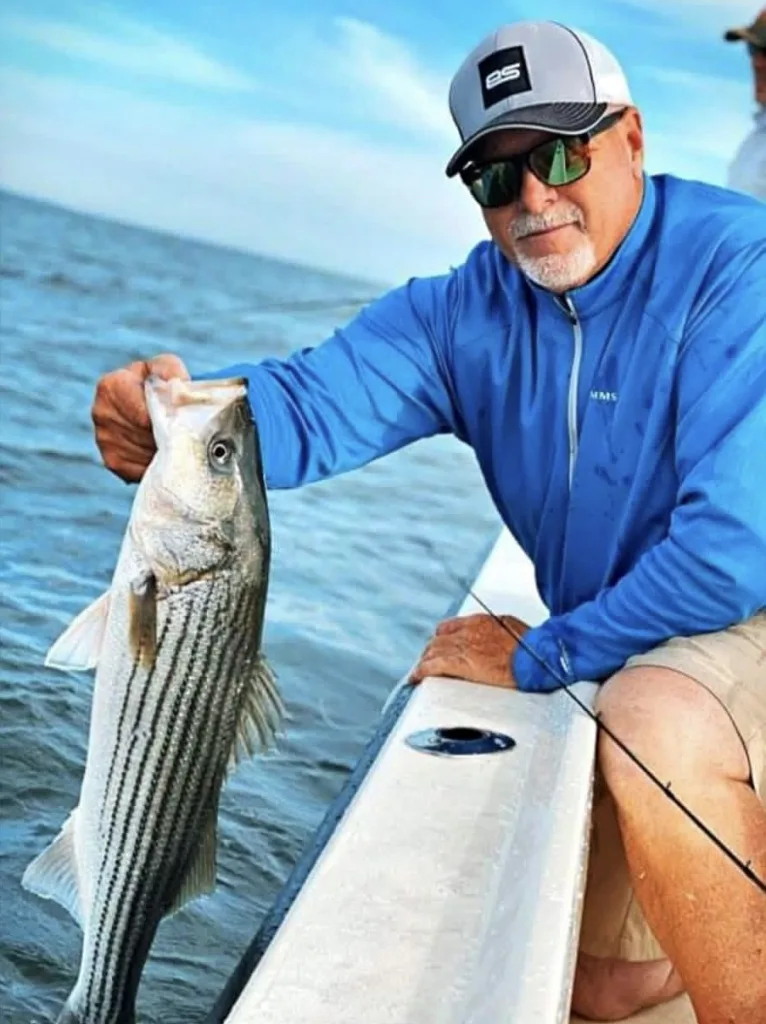
From Ocean City, Taylor Bakke of Always Bent Fishing OC said that local anglers are still picking away at slot and over-slot striped bass in the backwaters. Sheepshead, he added, have arrived in numbers following some warmer weather and water temperatures. The action has been much more consistent for anglers targeting them along the jetty rocks and bridge pilings. Bottom fishing for flounder has been good both in the backwaters and at the wrecks, and sea bass are in the mix for anglers heading out front. And although there’s plenty happening inshore, the offshore scene is beginning to draw more attention. This week, Bakke said, they finally started to see some tuna and mahi coming back to the docks and marinas in Ocean City. All the tuna, both bluefin and yellowfin, have been caught out deep in the canyons, with some boats running between 70 and 90 miles east to find the right water. There were tons of small bluefin caught on Wednesday and today—a handful of vessels managed to land double-digits. Yellowfin tuna, he said, were out there earlier this week for one day and gone the next, and only a few boats were able to connect in the short window they were around. The tuna bite is only going to improve as offshore ocean temperatures rise and the fish become available closer to home, but for now, early summer fishing is in full swing out in the bluewater at the canyons.
View this post on Instagram
Captain Monty Hawkins of Morning Star Fishing out of West Ocean City reported good fishing on the sea bass grounds this week with some keeper fluke in the mix, although limits were tough to come by for most anglers regardless of whether they were jigging, tipping rigs with artificials like Gulp, or using boat bait. Sunday’s trip yielded some quality fish and several anglers on the rail managed double-digits of sea bass. On Wednesday, there were three nice flounder caught to start the day, but after that it was all sea bass and only one limit on a light rail. There were plenty of fish well above keeper size, and despite marking them for most of the day, it was a pick. The skipper said they were keyed in on sand eels. Thursday brought the nicest sea and weather conditions of the Morning Star’s season thus far, but according to the captain, the bite was, in a word, unpredictable. They marked piles of fish and dropped down with little to show for it, but when they marked a small pack of sea bass, anglers were reeling in double headers. It was a tough bite overall, and only one angler reached double digits. The Morning Star will continue to run dedicated sea bass trips, except for Sunday June 7th, which is a flounder-specific outing. Call 443-235-5577 to make reservations and head to their website for more information.

Maryland DNR Fishing Report
Maryland DNR Fishing Report is written and compiled by Keith Lockwood, fisheries biologist with the Maryland Department of Natural Resources. Read the full DNR report here.
Middle Bay
The Bay Bridge piers continue to draw striped bass and anglers this week. The 30-foot edge on the east side of the bridge is a good location to live-line spot or drift baits back to the pier bases. A good running tide is always important. Casting bucktails and soft plastic jigs near pier bases is always fun and productive. Bluefish have moved into the region, and some soft plastics are returning to anglers missing vital body parts.
Water temperatures in the middle Bay are in the upper 60s and are ideal for striped bass. The shallow water fishery for anglers casting a variety of topwater lures and soft plastic paddletails has been a real standout this spring and now anglers have complete access to all the tidal rivers. Eastern Bay along with the lower Choptank and Little Choptank rivers have been standouts lately.
Jigging along the edges of the region’s channels has been popular when striped bass can be spotted on depth finders. Trolling with umbrella rigs or tandem rigged bucktails is productive along channel edges and a great way to cover a lot of water when in search of striped bass. The channel edges from Bloody Point south past Buoy 83 to the False Channel area have shown to be excellent places to troll or jig. Bluefish are in the mix so placing a Drone spoon or two in a trolling spread is worth the effort.
Fishing for blue catfish in the Choptank River is good this month. In some areas the blue catfish are spawning and will often be found near sunken structure. A variety of cut baits and scented baits work well in the deeper sections of the river from the town of Choptank to Denton.
Lower Bay
There are a lot of fishing opportunities in the lower Bay this week. All tidal waters are open to striped bass fishing now. Striped bass are being caught by anglers in a variety of locations and methods.
The shallow water fishery for striped bass is very good during the morning and evening hours in the lower Potomac, St. Marys River, the Hoopers Island waters, and Tangier Sound. Casting topwater poppers and Zara Spook type lures have been very effective over grass beds. The first speckled trout are also part of the mix, along with bluefish and large red drum.
Jigging along channel edges and deeper waters has been an effective way to catch striped bass, bluefish and large red drum. The channel edges in the tidal rivers and bay are the places to look for the action. Soft plastic jigs in the 5-inch to 6-inch size range are being used for striped bass and bluefish and larger soft plastics for the large red drum. The channel edges near the Target Ship, Buoy 72, the lower Patuxent River near the Route 4 bridge, and the lower Potomac River from the Route 301 bridge to Point Lookout are very productive.
When you can spot them on depth finders, black drum and red drum can be caught by fishing soft crab baits. The area around the Target Ship has been a productive area for fishing. The Point Lookout area and Tangier Sound have also been good places to fish for large red drum
Trolling umbrella rigs and a mix of tandem rigged bucktails are working well along the 30-foot edges of the major channels and points. Now that bluefish are part of the equation, running a couple of Drone spoons in a trolling spread is a good idea.
Spot and croaker continue to move into the region this week creating increased fishing opportunities. The spot and croaker tend to be small, but the spot are perfect size to live-line for striped bass. White perch are often mixed in. The lower Patuxent River, Tangier Sound, and the Hoopers Island area are all good places to find all three species. White perch can also be found in the shallow waters of the tidal rivers and creeks, often near structure and prominent points. Fishing grass shrimp or pieces of bloodworms on a simple bottom rig works well in deeper water and small lures in shallow waters.
Atlantic Ocean and Coastal Bays
Surf anglers are enjoying the last of the large striped bass as they pass by Maryland beaches on the way north. Large cut baits of menhaden or mullet are favored baits and large red drum and bluefish can be part of the mix. Clearnose skates and sand tiger sharks will also enjoy those baits. A few black drum are being caught on sand fleas and there are the first reports of kingfish in the surf.
At the inlet, anglers casting paddletails and soft plastic jigs are enjoying a lot of fun action with striped bass and large bluefish during the morning and evening hours along jetty rocks, bulkheads and bridge and dock piers. Most of the striped bass being caught fail to meet the 28-31 inch slot but some do. At night, drifting cut bait in the inlet from the jetties and Route 50 Bridge has been an effective way to catch striped bass and large bluefish.
Flounder continue to move through the channels leading from the inlet into the back bay areas. Traditional baits work well, but some of the largest flounder are being caught on pink or white Gulp baits. Striped bass are being caught at the Verrazzano and Route 90 bridge piers during the morning and evening hours by anglers casting paddletails and soft plastic jigs. Some do make the 28-inch minimum length.
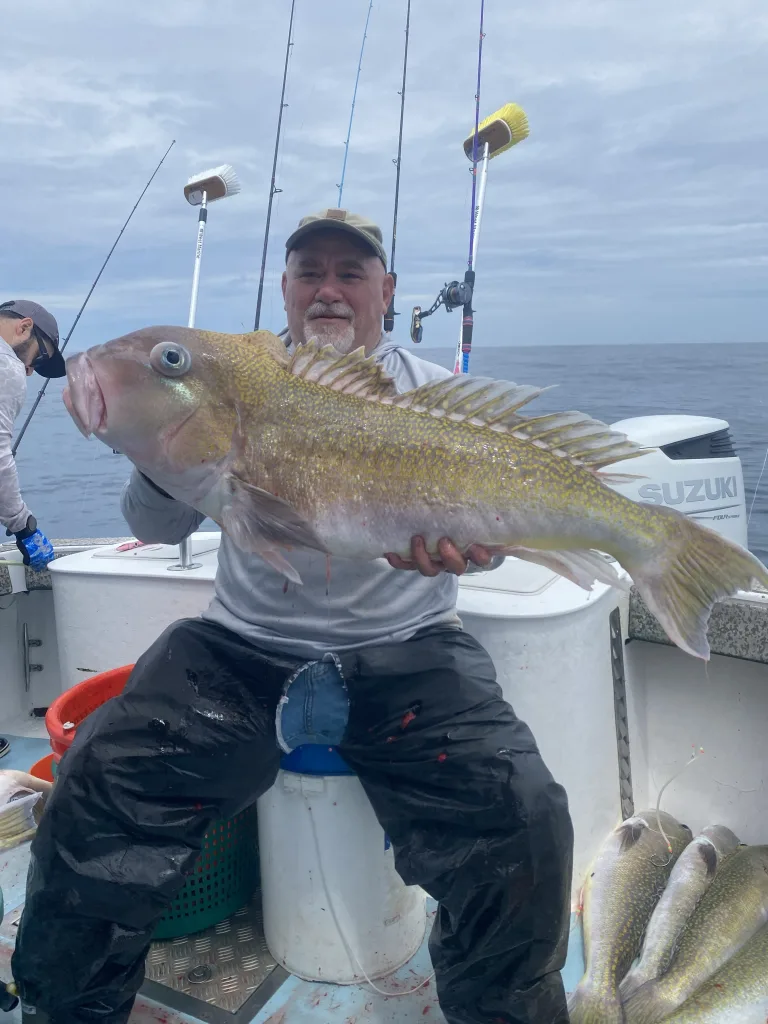
Outside the inlet at the offshore wreck and reef sites, anglers are being treated to good fishing for black sea bass. Limit catches are not uncommon and traditional baits and jigging are popular ways to fish. Farther offshore at the canyons, anglers who are trolling are catching dolphinfish and a few yellowfin and bluefin tuna. Deep drop anglers are bringing golden and blueline tilefish back to the docks.
Maryland DNR Fishing Report is written and compiled by Keith Lockwood, fisheries biologist with the Maryland Department of Natural Resources. Read the full DNR report here.