
Maryland and Chesapeake Bay Fishing Report
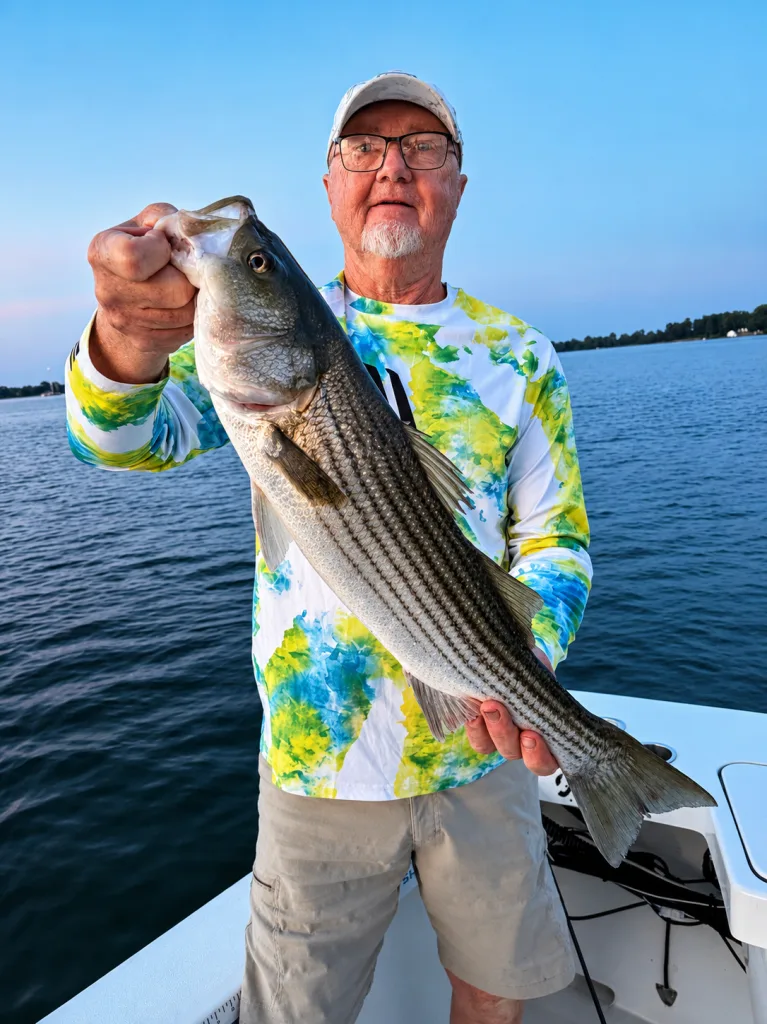
Captain Jamie Clough of Eastern Shore Light Tackle Charters reported that despite the recent uptick in temperatures, not much has changed since last week. He and Captain Mike Gardner are running the same program for their charters—searching for striped bass in shallow water with low-profile topwater plugs. Spook-style baits, worked slowly and methodically, continue to produce the most consistent results, and low-light conditions in the early mornings and evenings (around dusk) are prime time. The skipper said they are focusing on areas that are no deeper than 3 feet and receive cover from sunlight throughout the day. Locating shorelines with trees that provide some shade, and casting plugs tight to the bank or working the shadow lines, has been an especially effective approach. As temperatures rise with the heat wave this weekend, Capt. Jamie does not anticipate their technique changing much. Head to the ES Light Tackle Charters Facebook page for trip rates and contact info. to inquire about their upcoming availability for striped bass charters.
From Ocean City, Taylor Bakke of Always Bent Fishing OC said the big news around town for the past week is the red-hot bite in the canyons, where anglers are catching good numbers of both yellowfin and bigeye tuna on trolling gear, and it’s not showing any signs of slowing down. A few of yellowfin were taken on jigs, but they seem to be deep and scattered between different canyons, so trolling has the most effective method to locate them. Locally, on the inshore front, shore fishermen are doing very well catching sheepshead from the jetties, and there are red drum being caught in the Assateague Island surf on chunked baits. The summer flounder bite remains reliable from the bays and inlet out to the reef sites, where black sea bass are also in the mix. Meanwhile, bluefish and under-slot striped bass are rounding out the catch for anglers casting and jigging plugs and soft plastics on the inside, with better action occurring after dark, or around dawn and dusk depending on the tide. Additionally, the tautog season reopened yesterday, July 1, with a daily limit of 2 fish measuring 16 inches or more, per angler. Bakke said the jetty fishermen targeting sheepshead have been releasing a ton of tog as bycatch lately, so he expects to see or hear of some keepers caught very soon. There is plenty of variety for inshore and offshore anglers heading into July 4th weekend, just dress for hot weather, hydrate, and keep an eye on sea conditions if heading offshore for bottom fishing or to fish tuna in the canyons.
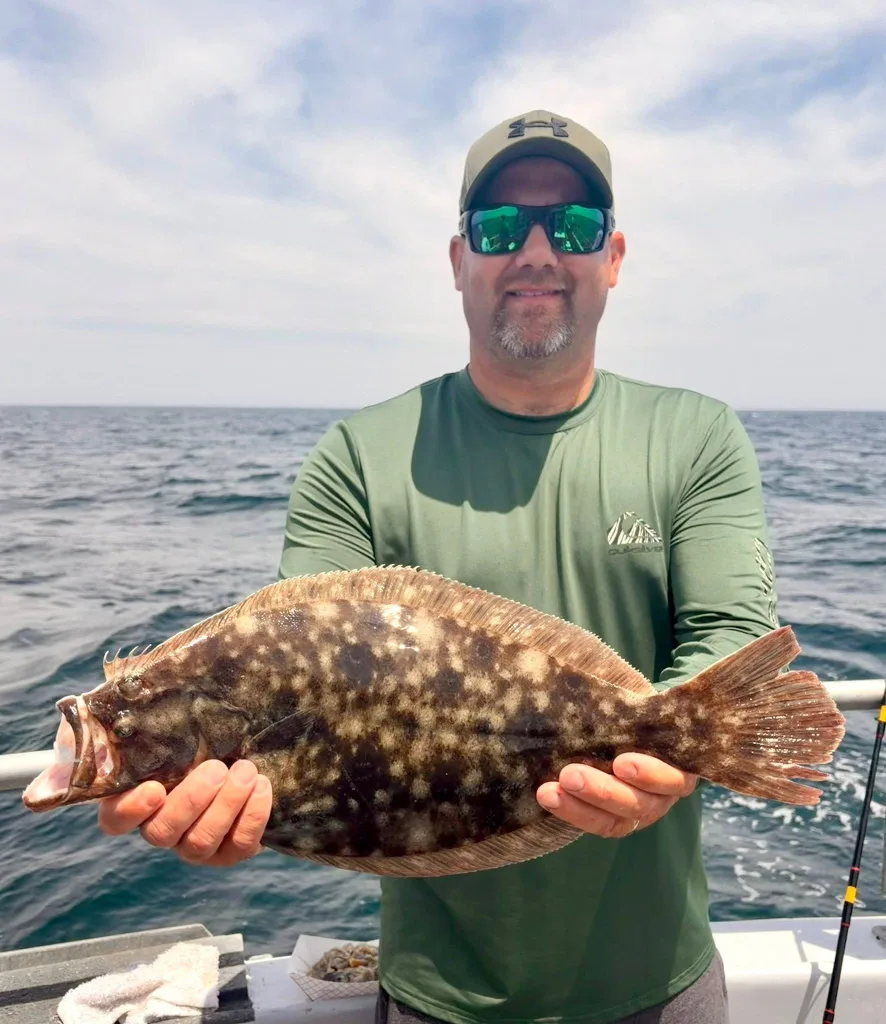
Captain Monty Hawkins of Morning Star Fishing out of West Ocean City reported a better black sea bass bite for their trips this week, despite some on-and-off action on the reef sites. On Friday the 26th, the skipper noted that “sea bass were oddly cooperative”, which led to some fast-paced fishing and nice-sized keepers before they had to bounce around to find new life. What started as a dedicated sea bass trip wound up being a great day for flounder (fluke). At first, anglers around the rail were reeling in throwbacks, but those bites from short fish quickly turned into a good deal of keepers and, eventually, some very respectable fluke that measured well above the minimum keeper size; one angler on board even caught his limit. Saturday, the captain reported, brought a hit-or-miss bite from a mix of sea bass and flounder, and when the sea bass were biting, the keepers they landed were of high quality. Throughout the day, they had sea bass at some spots and flounder at others, with the occasional quiet drop. By moving often to find better activity, the group put together a nice mixed bag and wound up with plenty of meat for the table. Their next outing on the Tuesday the 30th yielded a good sea bass bite all around; as the skipper put it, they “put on a show”. While flounder were mostly missing in action that day, several anglers were into double digits. The Morning Star will continue to sail for sea bass (with flounder in the mix) whenever conditions allow, so call 443-235-5577 to reserve your spot on the rail and head to their website for more trip information.
Maryland DNR Fishing Report
Maryland DNR Fishing Report is written and compiled by Keith Lockwood, fisheries biologist with the Maryland Department of Natural Resources. Read the full DNR report here.
This weekend marks the 250th anniversary of the United States and family gatherings, vacations, and fishing with family and friends will be a large part of the celebration. July 4 is a license-free fishing day throughout Maryland, so if you have a friend or relative who doesn’t currently fish, take them out with you.
Middle Bay
The Bay Bridge continues to attract anglers and for a good reason – there are fish there. Striped bass are attracted to the bridge pier bases and the rock piles. The 30-foot edge on the east side of the bridge is a favorite location to live line spot or drift soft crab baits or cut bait back to the pier bases.
Hopefully because of drought conditions and the lower amounts of nutrient runoff, we will not see prominent dead zones this summer. Anglers should be aware that it can happen in some areas and striped bass and other fish will have to move to often shallower waters for relief at the cost of warmer water temperatures which puts them at risk when additional stress occurs, such as catch and release by anglers. Once water temperatures exceed 80 degrees and air temperatures are hot, survival rates for striped bass caught and taken out of the water are not good. Ethical anglers should limit their fishing during these times, do not remove fish from the water that are to be released, and limit catch-and-release fishing.
Most anglers in the middle Bay who are fishing during the day are focusing on channel edges of 30 feet or more. The steeper channel edges off Kent Island and south of Bloody Point to Stone Rock, the Clay Banks, and below the mouth of the Choptank and Thomas Point are good places to explore for striped bass. Depth finders are an important tool to locate striped bass suspended off the bottom along these channel edges.
Water temperatures in the middle Bay are generally around 79 degrees this week and most likely will top 80 degrees by the end of the week. Salinity values remain high due to the lack of rain and make it more comfortable for bluefish to move in. Trolling Drone spoons and surge tube lures are a good way to target them. You can catch them by jigging or casting to breaking fish with soft plastic jigs and paddletails and they will zoom in on live spot, but the bluefish extract a price with their sharp teeth on soft plastics and live spot. Cownose rays have been pesky neighbors to anyone fishing in the Bay; when they swarm through an area, they can snag lines and churn up shallow waters.
The striped bass shallow water fishery is moving to an early morning and late evening fishing opportunity due to warm water conditions and intense sun. Casting poppers, Zara Spooks and similar topwater lures is a great way to fish over grass and enjoy the excitement of surface strikes. Paddletails and jerkbaits offer alternatives.
Fishing for a mix of spot and croaker in the middle Bay offers some fun fishing. Many of the spot are large enough to eat and a fair portion of the croakers manage to sneak over the 9-inch minimum. Most hardbottom and shallow waters will hold spot and croaker. A few locations include Whitehall Bay, Holland Point, Eastern Bay, Bar Neck Point, inside of Blank Walnut Point, and the mouth of the Little Choptank.
Lower Bay
As water temperatures elevate, anglers are finding increased opportunities for striped bass fishing along channel edges in 30 feet of water or more. There are still shallow-water fishing opportunities for striped bass, but they tend to be limited to the early morning and late evening hours.
The 30-foot steep channel edges of the lower Potomac River near St. Georges Island, Piney Point and Cornfield Point, Cedar Point and Cove Point, and in the Patuxent River below the Route 4 Bridge are good locations to look for striped bass. Live-lining spot and jigging with soft plastics are popular ways to fish these locations. There is also action on the eastern side of the Bay near the HS Buoy and the Target Ship area.
Anglers are seeing increased numbers of bluefish this week, which for many are a welcomed sight and offer additional fishing opportunities. At times anglers are encountering breaking fish, at other times they can be caught while chumming for cobia, jigging, or trolling. If you do encounter breaking fish, sometimes large red drum, striped bass and cobia can be found holding close to the bottom attracted by the action above.
Large red drum are providing catch-and-release fishing for anglers near the mouth of the Potomac River, the Middle Grounds and near the Target Ship. Schools of red drum can be spotted by breaking fish action, slicks and by depth finders. Most anglers are jigging with large soft plastics with good success. Others are fishing with soft crab baits or trolling with large chrome spoons. Trolling is an option for anglers in the lower Bay and spreads can contain Drone spoons for bluefish, surgical tube lures for cobia, and chrome spoons for large red drum.
Anglers have been chumming for cobia near the Target Ship, Smith Point, and Point Lookout. Most are drifting live eels into the back of their chum slicks. While waiting for a cobia, drifting cut baits can provide some entertainment with bluefish and perhaps a striped bass. Most of the cobia being caught are falling a little short of the 43-inch minimum. When conditions are calm, sight fishing and casting soft plastic jigs or live eels to cobia are an option.
White perch can be found in the tidal rivers and creeks, sometimes mixed in with the spot and croaker. The shoreline areas are places where fishing with spin-jigs, small spinnerbaits can account for some fun light tackle fishing. Chartreuse Clouser flies with some crystal flash in them is an exciting way to fly fish for white perch in the evenings along shorelines.
Atlantic Ocean and Coastal Bays
The summer season is here at Ocean City, and the beaches and waterways will be crowded with vacationers so be careful out there when fishing. The beaches of Assateague will offer some space for those with overland beach permits. Anglers are catching and releasing some impressive large red drum when fishing large baits of cut mullet or menhaden. Anglers report that the head of the menhaden stands up the best with clearnose skates nibbling at baits. Sandbar and black tip sharks are also part of the mix. Bluefish are being caught in the surf and finger mullet on a finger mullet rig is a popular choice. Kingfish are available for those fishing small baits of bloodworms or artificial alternatives. A few spot and croaker are also reported in the surf. Casting jigs with a strip of squid is a good way to keep busy and catch flounder.
In the inlet during the early morning and late evening, striped bass and bluefish are being caught by casting bucktails and soft plastic jigs. Striped bass can also be found at the bridge piers of the Verrazano and Route 90 bridges during the morning and evening hours. At night drifting bait is also working well. Sheepshead are being caught on sand fleas along the jetty rocks and pier structure. Flounder are always available in the inlet. Drifting for flounder in the back bay channels near the inlet is where the flounder are but can be a hazardous place to fish, so be careful and don’t take for granted an approaching boat sees you.
Fishing for black sea bass has been good at the offshore wreck and reef sites. Limit catches are few and far between, but most anglers can bring home a nice catch of black sea bass. Triggerfish and flounder are part of the mix. Anglers are also specifically targeting flounder on some of the humps and near reef sites and catching some impressive flounder.

Anglers heading out to the offshore canyons are welcoming the arrival of a nice run of yellowfin tuna. Some of the boats have caught limits but most every angler is bringing home at least one or two hefty yellowfins. Deep drop fishing is providing golden and blueline tilefish. Anglers and boat captains are reminded that they must report tilefish catches electronically. The NOAA website contains the information anglers and boat captains need. A few bluefin tuna have also been reported.
Maryland DNR Fishing Report is written and compiled by Keith Lockwood, fisheries biologist with the Maryland Department of Natural Resources. Read the full DNR report here.