
Maryland and Chesapeake Bay Fishing Report
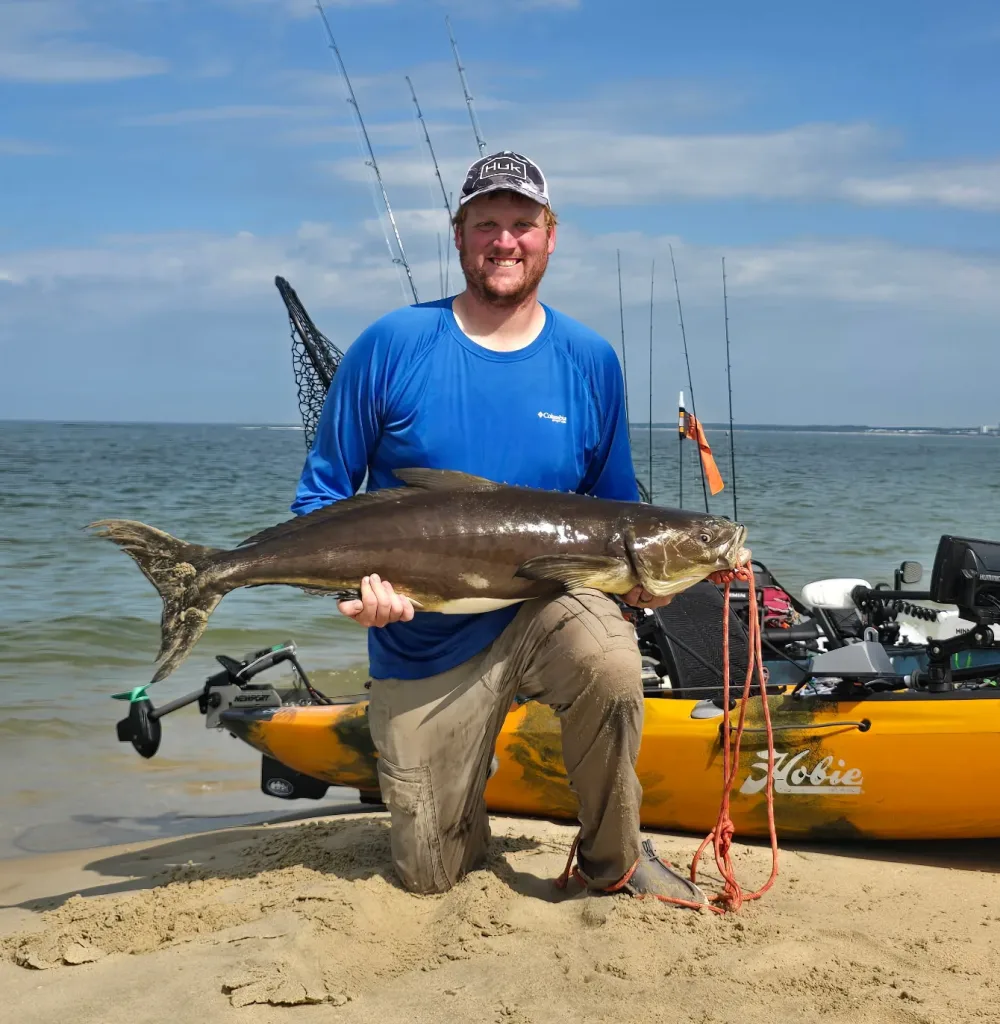
Captain Jamie Clough of Eastern Shore Light Tackle Charters reported that he hasn’t been out since Saturday due to the wind and wet weather, but their last few trips saw great fishing for bluefish with red drum mixed in. The drum, he surmised, were probably attracted to the commotion of frenzied bluefish feeds and began eating the smaller bluefish, which were blitzing beneath scattered flocks of birds. It was not the first time the skipper has seen large drum chasing other gamefish—he’s encountered them blitzing on bluefish and Spanish mackerel in the Bay before. They caught a majority of their fish on 5-inch Z-Man paddletails and large pencil poppers with a single rear inline hook to minimize damage and quickly, safely release the drum and toothy blues. An 8-inch wire leader attached to the topwater plugs virtually eliminated break-offs when larger blues engulfed the lure. The red drum were a nice surprise after large schools moved out of the area last week, but there’s no telling whether they will stick around following this storm. Captain Jamie and Captain Mike Gardner will continue to run trips for striped bass and bluefish (while they’re around) the rest of this fall. To book a charter, head to the ES Light Tackle Charters Facebook page for trip rates and contact info, and inquire about their upcoming availability.
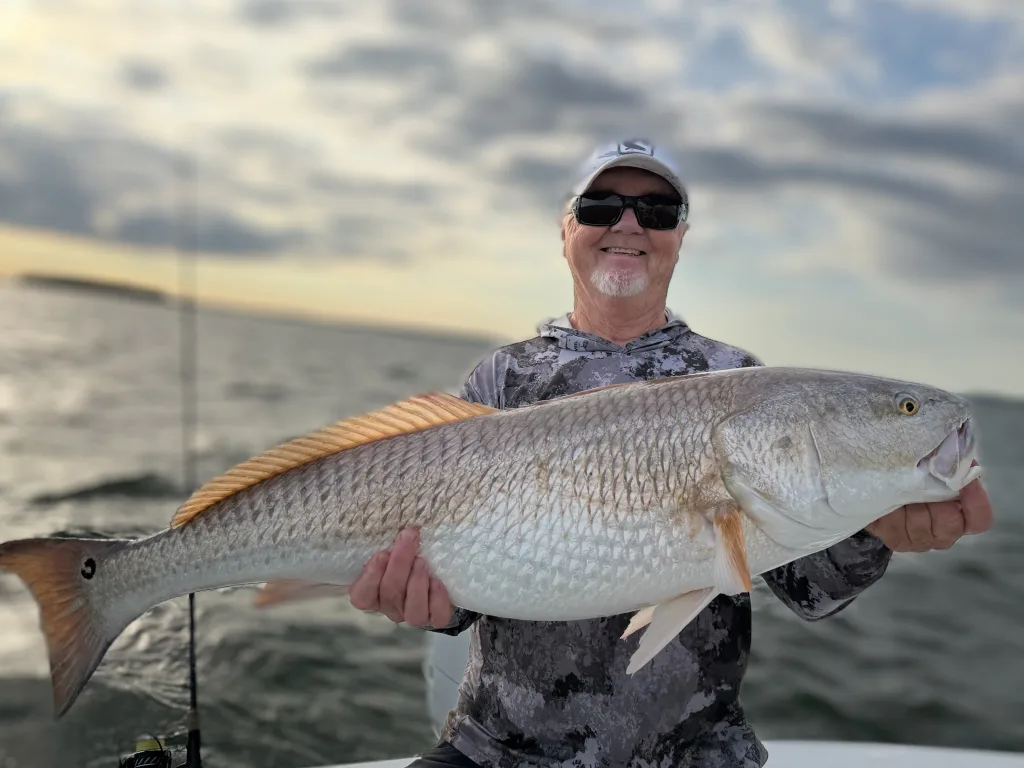
From Ocean City, Taylor Bakke of Always Bent Fishing OC said the local surf has been gnarly this week with 35 mph winds and big seas between 8 and 16 feet! As a result, there hasn’t been much fishing going on. Boats were tied to the dock for the better part of the week, and shore fishermen targeting sheepshead from the rocks haven’t been out either considering how hazardous the jetties are in nor’easter conditions. Before the blow, flounder and sheepshead were still the most popular targets in town, with bluefish a close runner up. The striper bite, he added, is getting better at night, but not many guys are fishing lately. He anticipates the bite to pick up again as sea and weather conditions settle. The only major change since last week, Bakke noted, is big red drum are showing up in the surf consistently on Assateague Island for the guys with OSV access who are spending time soaking baits. That might change following the nor’easter’s passing, but there will be plenty of good fall run action to fall back on as temperatures continue to drop. Check out the Always Bent YouTube Channel and Instagram page to stay in the loop with the local fishing scene, from inshore bites to offshore tournament coverage and more.
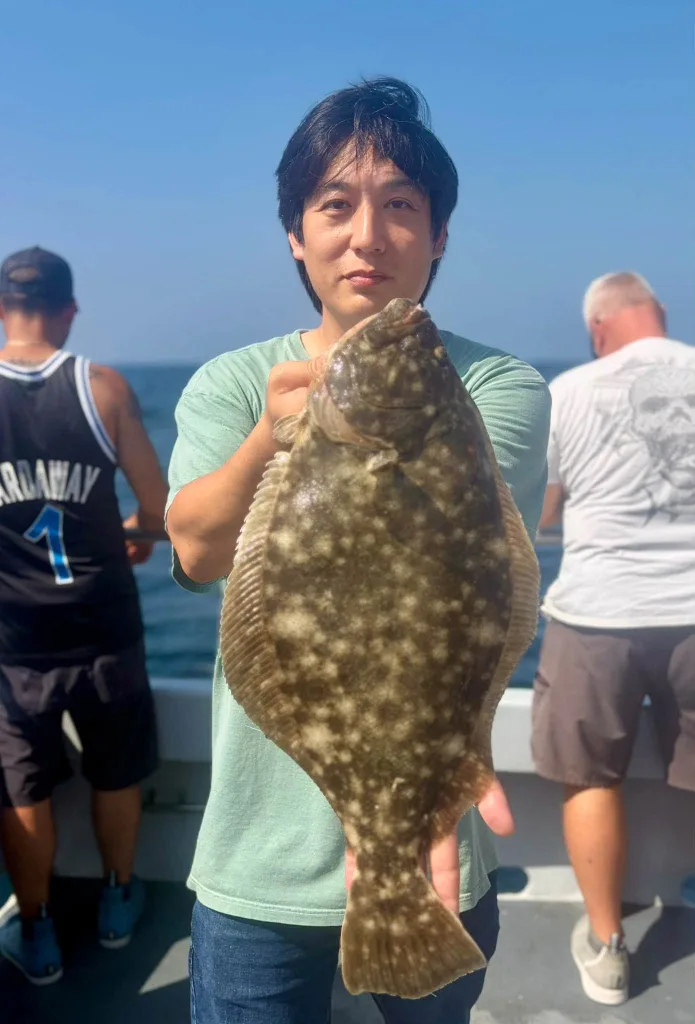
Captain Monty Hawkins of Morning Star Fishing out of West Ocean City hasn’t been out bottom fishing since last Friday the 18th due to the nor’easter. Anglers on the rail caught a few keeper sea bass to start the day, but flounder stole the show. Throughout the trip, the skipper marked plenty of keeper sea bass but short fluke were jumping on hooks before the sea bass could chew—which is funny, because it is usually the other way around with short sea bass beating keeper fluke to baits. The group picked away at short fluke to net a decent haul of keepers, and before day’s end, they managed to bring a few extra bigger sea bass over the rail and into the pale. How the fluke and sea bass bites will rebound after this storm remains to be seen. The Morning Star will continue to fish for fluke until late October, and sea bass until the season ends in December. Call 443-235-5577 to reserve your spot on the rail and head to their website for more trip information.
Maryland DNR Fishing Report
Maryland DNR Fishing Report is written and compiled by Keith Lockwood, fisheries biologist with the Maryland Department of Natural Resources. Read the full DNR report here.
Middle Bay
This weather we’re experiencing is putting a damper on fishing this week and when it is all over, anglers may find that bluefish have left the region. Bay water temperatures continue to fall and are now below 75 degrees. Spot, croaker and speckled trout will most likely hang on for another week or so, but they will eventually head south also.
Fishing for striped bass has been good lately, with most of the action occurring in the shallower portions of the bay during the morning and evening hours. This is a great time to fish the morning hours before Daylight Savings ends Nov. 1. Casting poppers is one of the most popular ways to fish the shallower waters; paddletails in pearl or white are also an excellent choice. Anglers are also enjoying catching small speckled trout, hopefully they’ll return next year at a larger size.
Spot are still available and anglers are taking advantage of them still being present and live lining along various channel edges. The Bay Bridge piers and rock piles are a good location for drifting live spot to the pier bases and submerged rocks, and channel edges are also holding striped bass. The channel edge locations vary but some of the traditional locations with good reputations are Thomas Point, Buoy 83 to the False Channel and Hackett’s Point. The 30-foot depth mark tends to be the sweet spot for finding striped bass suspended off the bottom.
White perch can be tough to locate, but once found anglers can enjoy some action. Deep water docks and piers, the older the better, offer structure and food sources for white perch so they are a good place to target with live grass shrimp, peeler crab, or small minnows. During the morning and evening, casting small spin-jigs and spinnerbaits along promising shorelines with structure is a good way to target larger white perch.
Lower Bay
The chilly stormy weather will make it tough to fish, but conditions are bound to improve by the weekend. Bluefish are still being found in the lower Bay, but this weather may start to push them south. At present the largest bluefish are being found in the main portion of the Bay, and the deeper waters along the eastern side of the shipping channel tend to offer some of the better fishing. Smaller bluefish are being found in the shallower waters of the Bay, the tidal rivers, and Tangier Sound. The larger bluefish are being caught mostly by trolling surge tube lures behind planers, the smaller ones by casting a variety of lures or trolling small spoons.
Anglers are enjoying good fishing in the shallower waters of the Bay and lower sections of the tidal rivers. The weather will make it tough to be on the water for today, but conditions should improve by the weekend. Casting paddletails and a mix of other lures along shorelines has proven to be a good way to catch a mix of striped bass, small bluefish and speckled trout, also known as spotted trout.
Live-lining spot continues to be a popular method to fish for striped bass this week. If conditions calm down, the 30-foot depths of several popular channel edges will be good places to start the search for striped bass: the steep channel edge from St. Georges Island to Piney Point, the channel edge off St. Clements, and the channel edges in the lower Patuxent, Cedar Point, and Cove Point.
Fishing for spot and croaker continues to be good in most areas of the lower Bay and excellent in the lower Patuxent River. Anglers are also seeing a mix of kingfish and small speckled trout. Bloodworms are a very precious and expensive commodity so many anglers are using artificial bloodworm baits or lug worms, or mixing pieces of nightcrawler worms in bloodworm juice when they cut up their bloodworms.
The large red drum continue to entertain anglers with some exciting catch-and-release action this week. They are being found schooled up at times feeding on small menhaden, either on the surface or deep below. Diving gulls often mark the surface action; slicks are a telltale sign of action below. Casting large soft plastic jigs is the most popular way to fish for them.
Blue catfish are becoming more active as water temperatures cool. The fall months are a great time to find them venturing out of the deeper channels to nearby shoal areas. The tidal Potomac, Patuxent, Nanticoke, and Wicomico rivers are excellent places to fish for blue catfish. A simple one hook bottom rig of a sliding sinker and circle hook or a traditional J-style hook is all that is needed. A variety of cut fish baits, scented chicken or other scented baits work well.
Atlantic Ocean and Coastal Bays
The surf, coastal bays, and offshore waters are feeling the effects of rain and wind from the Nor’easter off the coast. It will take some time for conditions to calm down in the ocean and for water clarity to improve in the back bay areas. Hopefully those conditions will improve by the weekend.
Last weekend surf anglers were catching kingfish, spot and small pompano. Dogfish, cownose rays, and sandbar sharks were pestering those fishing with larger cut baits. This current blow may be just what is needed to start the annual southward migration of large red drum along Maryland’s beaches.
When conditions improve in the inlet and Route 50 bridge area, anglers should still be able to find large sheepshead by fishing live sand fleas close to the rocks, bulkheads, and bridge piers. Hopefully water clarity will improve quickly, and anglers can target flounder, croaker and speckled trout in the inlet and channels leading towards the inlet. The East Channel has been a popular location to drift for flounder and croaker.
Outside the Ocean City Inlet, fishing for large flounder on the shoals and wreck and reef sites should continue. The only limiting factor will be rough seas. The same goes for boats headed out to the canyons. Catch-and-release fishing for white marlin should continue and deep drop fishing for blueline tilefish offers the opportunity to bring fish back to the docks.
Maryland DNR Fishing Report is written and compiled by Keith Lockwood, fisheries biologist with the Maryland Department of Natural Resources. Read the full DNR report here.