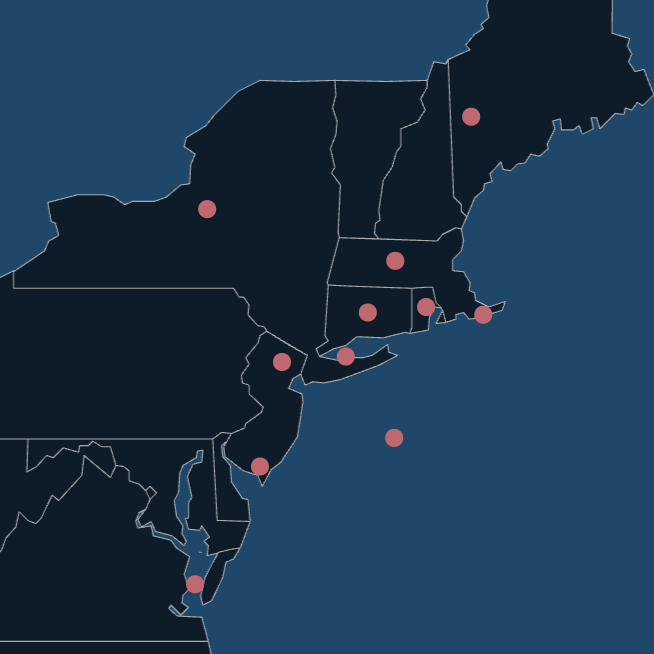

Maryland and Chesapeake Bay Fishing Report
Captain Jamie Clough of Eastern Shore Light Tackle Charters reported that the striped bass bite is wide open, with loads of fish moving out of the rivers hot on the tails of peanut and adult bunker schools. As the bass move into the open bay, they will occasionally push piles of bait to the surface, but the skipper said they are finding most of their fish hugging channel edges and hanging deep. They’re marking vast, densely-packed schools of bass and setting up to jig over them. Jig weights constantly vary depending on how deep they are finding fish, but the top-producing bait has been the 8-inch Z-Man StreakZ XL, which is a fine presentation when the bass are feeding on bunker. The bite will continue to improve as schools of larger migratory fish return to the bay and collide with these piles of resident fish, so they will be sailing for striper whenever conditions allow. To book a trip, head to the ES Light Tackle Charters Facebook page for rates and contact info, and inquire about their upcoming availability for striped bass charters.

On The Water columnist Tim Hesford, at Anglers Sport Center in Annapolis, reported: “Cooler weather this past week has finally brought water temps down to the 60-degree mark in some parts of the middle and upper Bay. As a result, we are starting to see a more pronounced transition to typical November patterns. Bunker pods and schoolies that were staged near the mouths of smaller creeks and rivers last week are shifting out into open water. Anglers are finding success by chasing bird shows and jigging or trolling around channel ledges. White perch are still being found on structure in deeper water and the yellow perch bite remains strong in some of the Eastern Shore rivers. “
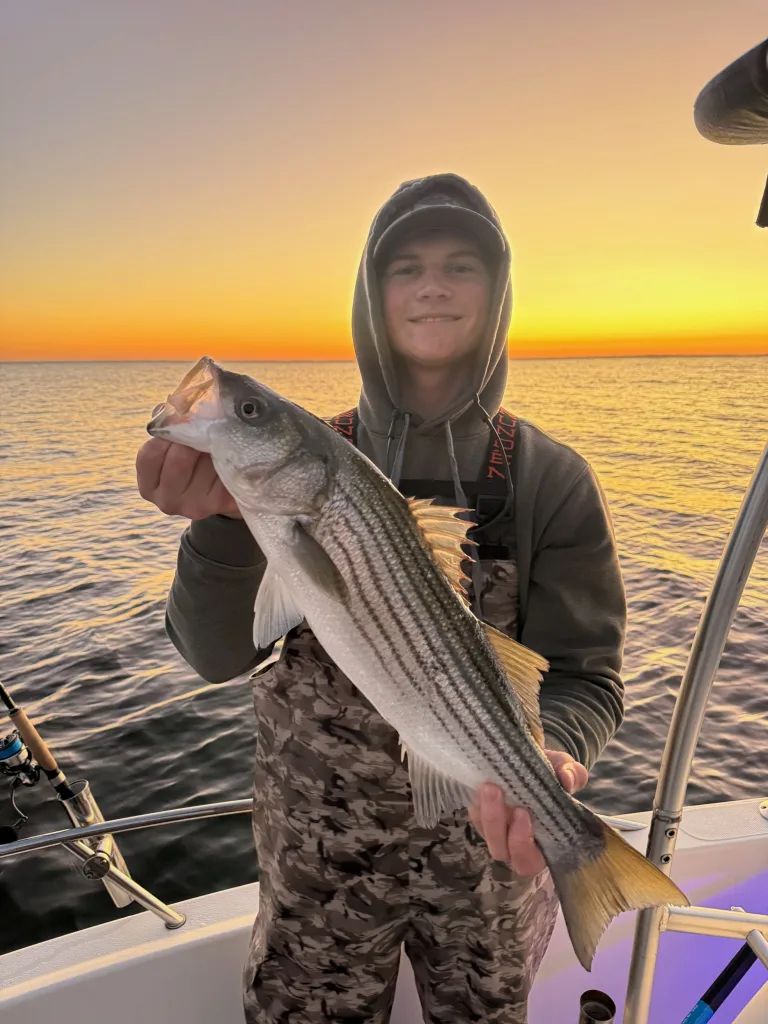
From Ocean City, Taylor Bakke of Always Bent Fishing OC said he is starting to see more slot-sized and over-slot stripers showing up around the inlet and nearby bridges, while a few boats that have hit the ocean this week are finding schools of migratory bass—just not a ton of them. There is a whole lot of bunker up north off New Jersey, and as they move south, the striped bass (and bluefin tuna) will follow. There are no signs of local bluefin just yet, but they are within range, and a couple crews have run up the coast to hunt for them, including the Exit Strategy out of Ocean City. They came home with a nice rec-size fish this week after making the trek up toward Jersey.
When it comes to bottom fishing, Bakke added, the tautog bite inside the inlet is getting better and better. They are being caught off the wrecks, too, but there are keeper-size fish available inshore, which is a nice option for shore and/or kayak anglers when seas are too rough to sail. Sea bass fishing, on the other hand, has been good but not great on the wrecks lately, and there are still a few flounder in the mix for those heading further offshore. Check out the Always Bent YouTube Channel and Instagram page to stay in the loop with the local fishing scene, from inshore bites to offshore tournament coverage and more.
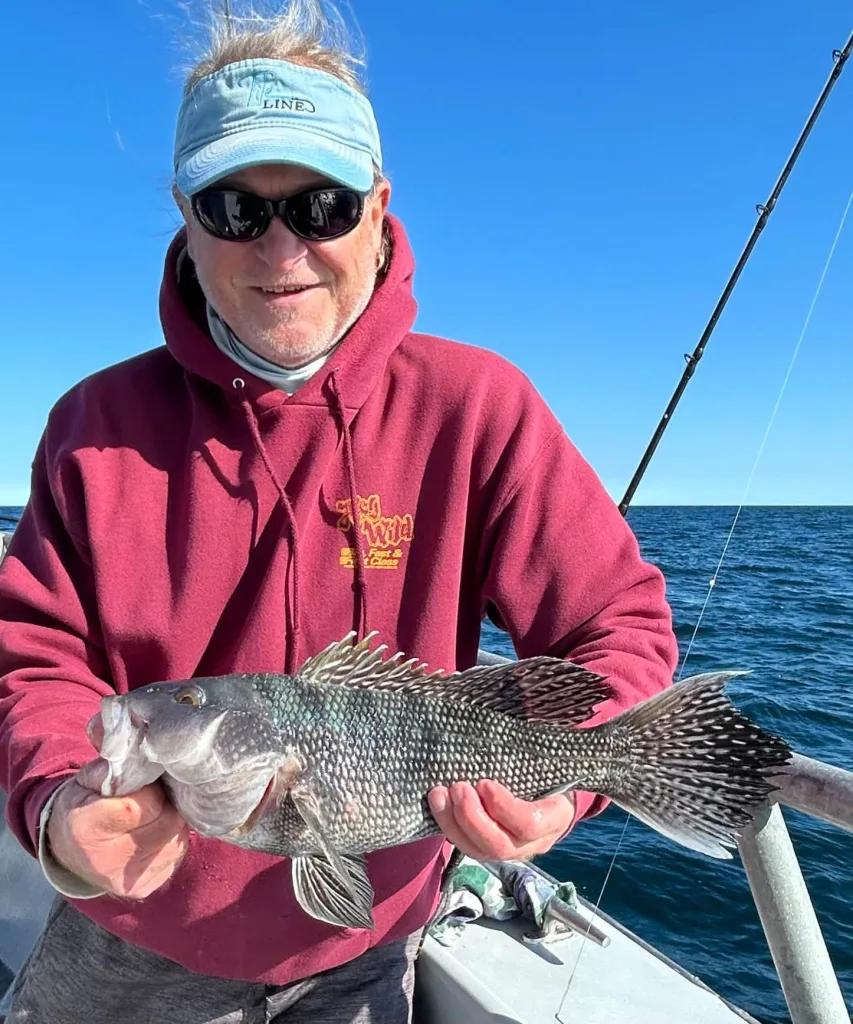
Captain Monty Hawkins of Morning Star Fishing out of West Ocean City made it out to the sea bass grounds on Wednesday and at their first spot, the skipper marked a pile of sea bass that all but disappeared. Upon moving, they set up over a school of sea bass 20 feet thick and enjoyed a steady pick of keeper-size fish with some larger specimens mixed in. The Morning Star will continue to fish for sea bass (when conditions allow) until the season ends in December. Call 443-235-5577 to reserve your spot on the rail and head to their website for more trip information.
Maryland DNR Fishing Report
Maryland DNR Fishing Report is written and compiled by Keith Lockwood, fisheries biologist with the Maryland Department of Natural Resources. Read the full DNR report here.
Middle Bay
The Bay Bridge piers and rock piles continue to draw striped bass anglers this week. There are striped bass holding there and they will respond to live or cut baits drifted back to the pier bases during a running tide. Working the pier bases by casting soft plastic jigs or bucktails is always a fun way to fish the bridge piers and rock piles during the morning and evening hours and tides.
Striped bass anglers in the middle Bay continue to enjoy good to excellent shallow water fishing this week. The Eastern Bay area along with the lower Miles, Choptank, Little Choptank, and Severn rivers are just a few locations where the action is happening. Casting poppers or paddletails during the morning and evening hours offers a lot of fun fishing. Be sure to check that the tide is running. The Tide Finder link on DNR’s website is a good tool to keep track of the tides.
Anglers are reporting breaking fish and diving gulls in Eastern Bay, the False Channel area, and scattered locations throughout the middle Bay. Baitfish are moving out of the tidal rivers but at a slower pace due to water temperatures in the tidal rivers hovering around 60 degrees. Salinity values are relatively high this month, which is good for striped bass catch-and-release recovery. Casting soft plastic or metal jigs into the mayhem is always an exciting time. Slicks and seagulls resting on the water may indicate you were a little late for the party, but a careful eye on a depth finder can reveal fish holding deep. This is when vertical jigging comes into its own.
Some anglers are still able to find the last spot, and they are a valuable resource if live-lining is on your mind. Small white perch and small live eels offer good alternatives. The Bay Bridge Piers, the Kent Narrows, and wherever striped bass can be found suspended along channel edges are all good places to send that live bait down to where the fish are holding. Trolling with umbrella rigs or tandem-rigged bucktails and sassy shads behind heavy inline weights is another way to get to where striped bass are holding deep.
Now that white perch are schooling up in the lower sections of the region’s creeks, usually near the mouths and in deeper water, this is a good opportunity to catch them. They will show up on a depth finder, often hovering over some lump or oyster reef in 20 feet or more of water. The water temperatures at that depth will usually be 5 to 7 degrees warmer than surface temperatures.
Small 2-inch Minnow Grub Gulp baits are popular on a jig head just heavy enough to get to the bottom. In windy or strong currents, they can be fished on a dropper rig with plenty of weight to hold bottom. Bottom rigs and Sabiki rigs tipped with grass shrimp or pieces of bloodworm will work well, especially in waters deeper than 25 feet. Anglers are reminded that store-bought Sabiki rigs must only have two hooks.
Lower Bay
Fishing for striped bass in the lower Bay is the main event this week and should continue through the rest of November. Anglers fishing in the morning and evening hours are catching them in relatively shallow waters in the lower sections of the tidal rivers and along the shores of the Bay. Casting poppers or paddletails are the most popular lures being used.
There are plenty of striped bass to be found in the deeper waters of the channels leading out of the tidal rivers and out in the Bay. Baitfish in the form of bay anchovies and juvenile menhaden are exiting the tidal rivers and running into waiting striped bass. When the striped bass push bait to the surface, it can be a feeding frenzy with seagulls and anglers being part of the action. Casting into the action with soft plastic or metal jigs is an exciting way to fish as is jigging underneath the surface action. Anglers should be on the lookout for slicks and gulls resting on the surface. These clues might lead you to striped bass holding deep and waiting for the next school of bait to be swept along by currents.
The lower Potomac River from Ragged Point and Piney Point south to Point Lookout is worth a look, as is the Patuxent River below the Route 4 Bridge. The Hoopers Island cuts, the mouth of the Nanticoke River and Tangier Sound all have their own striped bass action going on as well.
Trolling is an option for many anglers, especially on charter boats. Trolling umbrella rigs and tandem-rigged bucktails and swimshads behind heavy inline weights is standard procedure. It is a good way to cover a lot of water along channel edges in the bay and a good way to enjoy the comfort of an enclosed cabin when it is chilly or windy.
Blue catfish are always in play, and this week is no different. The Potomac, Patuxent and Nanticoke rivers all have large populations of hungry blue catfish waiting for anglers. Water temperatures are just about perfect for blue catfish to have an appetite for anything that smells like food to come their way. The fillets are mild and freeze well, once trimmed of all the red meat and silver skin.
Atlantic Ocean and Coastal Bays
Anglers fishing in the inlet area and the Route 90 and Verrazano bridges are having fun catching striped bass on soft plastic jigs and paddletails. Most of the fish being caught are being released since they fail to meet the 28-inch minimum, but there are some slot size fish being caught.
Fishing for tautog near the inlet jetties, Route 50 Bridge piers, and inlet bulkheads is good this week. Live sand fleas and pieces of green crab are popular baits.
The boats ferrying anglers out to the wreck and reef sites have been finding black sea bass for their anglers this week. Limit catches are not always possible, but everyone is catching fish. Black sea bass fishing is expected to improve in the next couple of weeks. Tautog are also being caught on the inshore and offshore wreck and reef sites by anglers who target them. A few large flounder are also being caught now and then, but most have moved farther offshore.
When the sea conditions permit, anglers headed out to the canyons are fishing for swordfish and tilefish in the depths of the canyons. Offshore anglers are anticipating the fall run of bluefin tuna.
Maryland DNR Fishing Report is written and compiled by Keith Lockwood, fisheries biologist with the Maryland Department of Natural Resources. Read the full DNR report here.