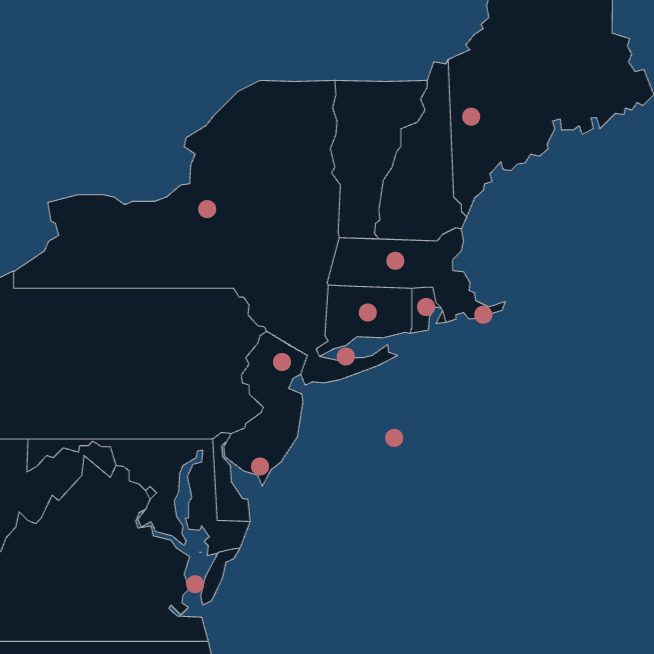


Standing in the morning sunshine, I could tell it was going to be hot. We had received little rain over the previous weeks in southeastern Connecticut, and all around were the telltale signs of a dry summer day. Crickets chirped in the tall grass, an unseen cicada hummed a lazy refrain, and a cat, collarless and brazen, lazed in the inviting shade of an overflowing dumpster.
I was new to this spot, a place I’d found from the comfort of my cubicle through Google Maps. From overhead, it showed a small dirt lot at the edge of some forgotten soccer fields and a path that snaked through the woods to a surprisingly long and winding body of water – the Quinebaug River.

I had been living in the area only since May, so most of my fishing took place after dark along the rocky coastline in pursuit of striped bass. As a result, my knowledge of the available freshwater fishing was close to nothing, but it was the Fourth of July, and a friend and I decided to skip out on the beaches and barbecues for something a little less crowded.
Standing at the water’s edge, I was struck by how different this river was compared with any other I had encountered before. Growing up in Boston and spending summers in Vermont, I was used to the deep, sheer banks of the Connecticut and the Charles. The Quinebaug was gentle and sloping, joined in the middle by large swaths of gravely bottom, punctuated by the occasional boulder or downed tree. I realized that any fish here would adhere to the same rules as their lake- and pond-dwelling brethren, meaning structure was the name of the game.
With that in mind, I placed my first cast upstream, allowing the current to sweep my small soft-plastic swimbait rigged on a 1/8-ounce jighead toward a cluster of submerged rocks at the center of the river. I timed the retrieve carefully so that my lure would pass just above a small pool formed on the back side of the largest boulder. Just as it moved into the open water, I felt a sharp tap but missed the connection. On the second cast, I sent the swimbait upstream again, but paused my retrieve at the crest of the boulder and let the swimbait sink into the pool. The second tap came, and I was on.
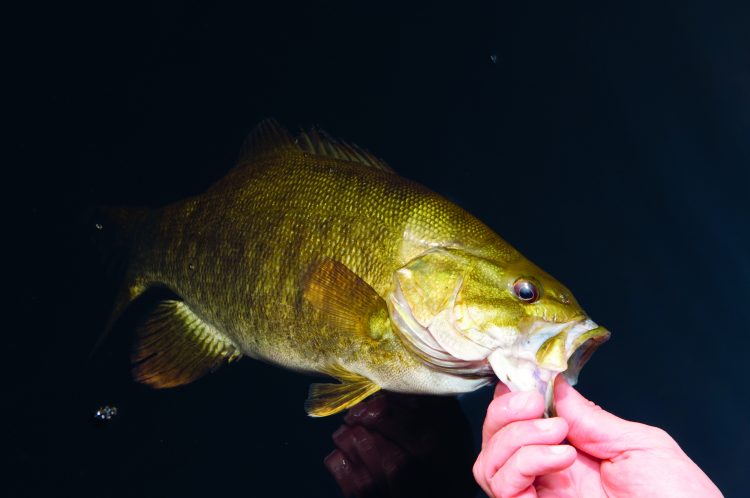
The fish was small but beautiful, a scrappy little smallmouth that couldn’t have been more than 8 inches long with a deep-bronze hue down its side. I released it gently, and to my surprise, it shot out of my hand upriver with the same energy as if it hadn’t been caught at all. We continued hiking upriver, staying out of the growing heat and pulling in hard-fighting, high-jumping smallmouth and largemouth bass on what seemed like every cast.
As dusk began to fall, my friend and I sat on the bank far away from where we started, enjoying two lukewarm beers in exhausted contentment. We had each caught more than 15 bass that afternoon, the best among them being around 2 pounds; still, it seemed the river had more to offer.
I returned on many occasions that summer, sometimes with a spinning rod, sometimes with a fly rod, but each visit had the miraculous quality of feeling new. That’s the beauty of river fishing. Each section has a different pool, a different current, a different feel, and every cast on the Quinebaug offers the possibility of hooking into a fish in an unforgettable place.
The Quinebaug offers numerous seasonal opportunities to fish, boat, or hike along its 69-mile course from southern Massachusetts to the Thames River in Connecticut. In the spring, the Connecticut Department of Energy & Environmental Protection stocks rainbow and brown trout in areas easily accessible by car. Target the trout with small spoons, spinners, or soft-plastic grubs on jigheads. If you want to hit the water with a fly rod, bring a 4- or 5-weight to handle the increased springtime flows and an array of flies, from Wooly Buggers and streamers to bead-head nymphs. These will fool the trout and, as the water warms, pick up any willing bass, perch, and bluegills.

In the summer, you can wade the river as I did, or kayak (or canoe) its deeper stretches, which have been known to hold bigger bass. Launch areas are numerous throughout the Quinebaug’s course and you can paddle for miles without having to portage. Typical largemouth and smallmouth lures work but be sure to downsize your offerings. The fish in the river tend to be smaller, and any larger fish won’t hesitate to take a smaller presentation. I landed a 3-pound smallmouth one afternoon in a pool no bigger than a bathtub on a miniature Ned rig after wasting half the morning casting a ½-ounce Bitsy Bug jig with a crawdad trailer. The second I made the switch to a smaller presentation, I couldn’t keep the fish away.
Above all else, keep moving. Exploring every bend and cove of the Quinebaug will not only increase your chances of staying tight to the fish but will offer you the chance to see some beautiful and untouched stretches of New England wilderness.
so glad to see you in print! congrats! are you still writing for work? still in CT? i thought your mom had mentioned you were thinking NYC for a while with your girlfriend. would love to hear about your path – and your streams! cheers, john.
I too just started to fish Connecticut rivers. Living in R.I. as far as freshwater we don’t have much so i started fishing Connecticut rivers and they are great! This year i will be fishing saltwater there as well.
Tight lines.
This article made my morning! I fished the corner bar up near westville dam and I’ve caught some Scrappy smallmouth and largemouth as well as some pickerel and perch. I’m looking to start going down the cornerbaug into Connecticut to fish some of the water down there. Any recommendations on good spots in the northern section of the Quinebaug in Connecticut?