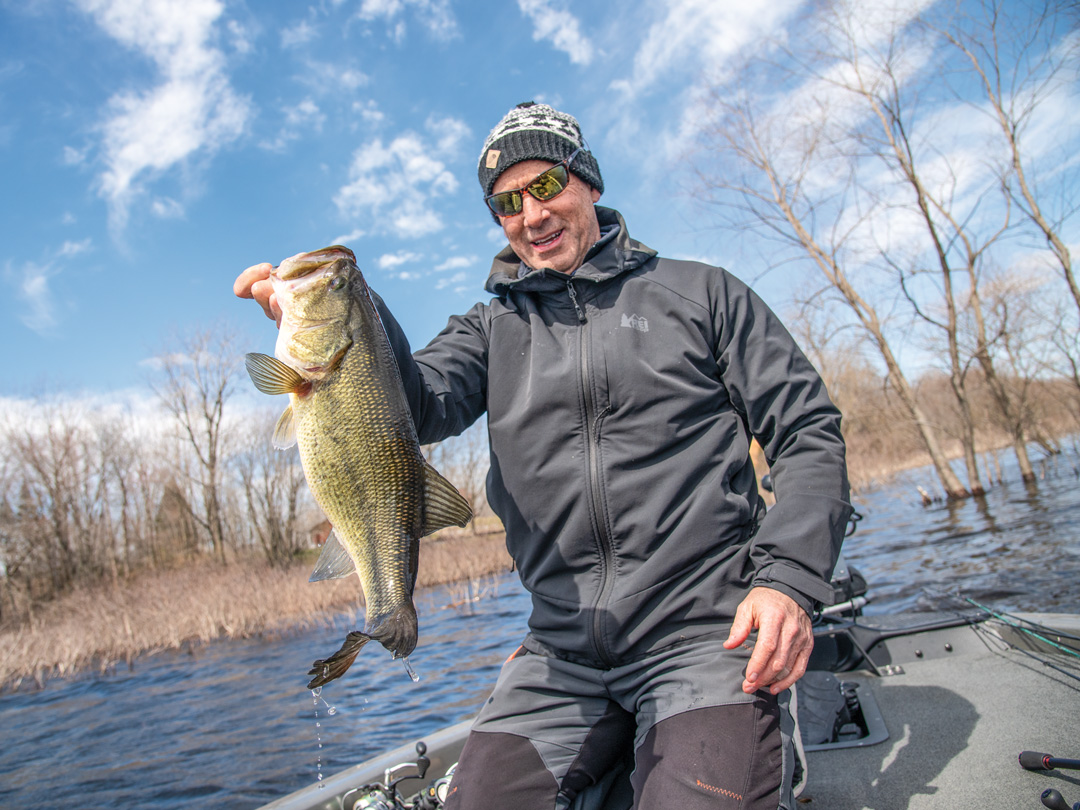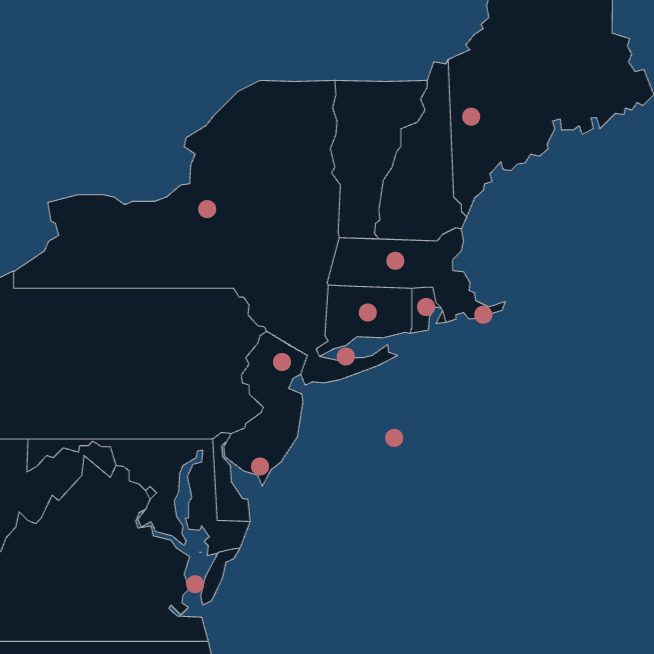

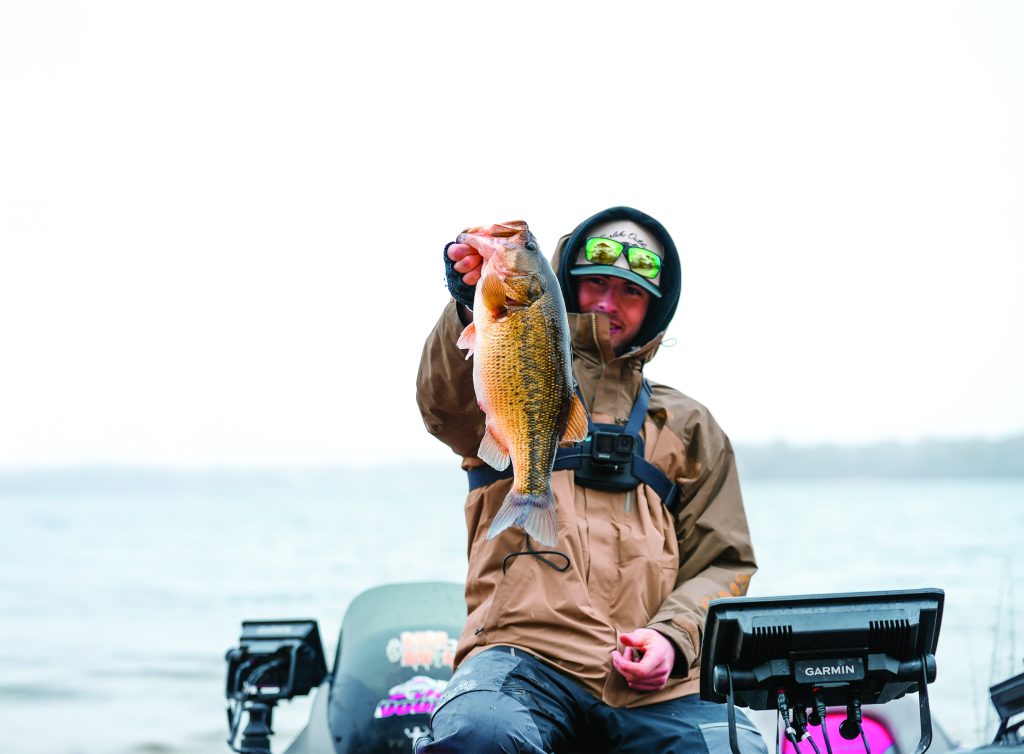
As autumn gives way to winter in the Northeast, bass begin a distinct transition in their seasonal patterns. The once-shallow ambush predators of late summer and fall move toward deeper water, following schools of perch, herring, and alewives into wintering areas. Water temperatures drop into the 40s, vegetation thins, and bass become more lethargic, conserving energy while still needing to feed. For anglers, this transition period can be one of the toughest times of year, but also may be one of the most rewarding if you have the right tool in your arsenal. Enter the blade bait: a compact slab of metal that perfectly imitates the frantic vibration of a wounded baitfish, making it irresistible to bass in cold water.
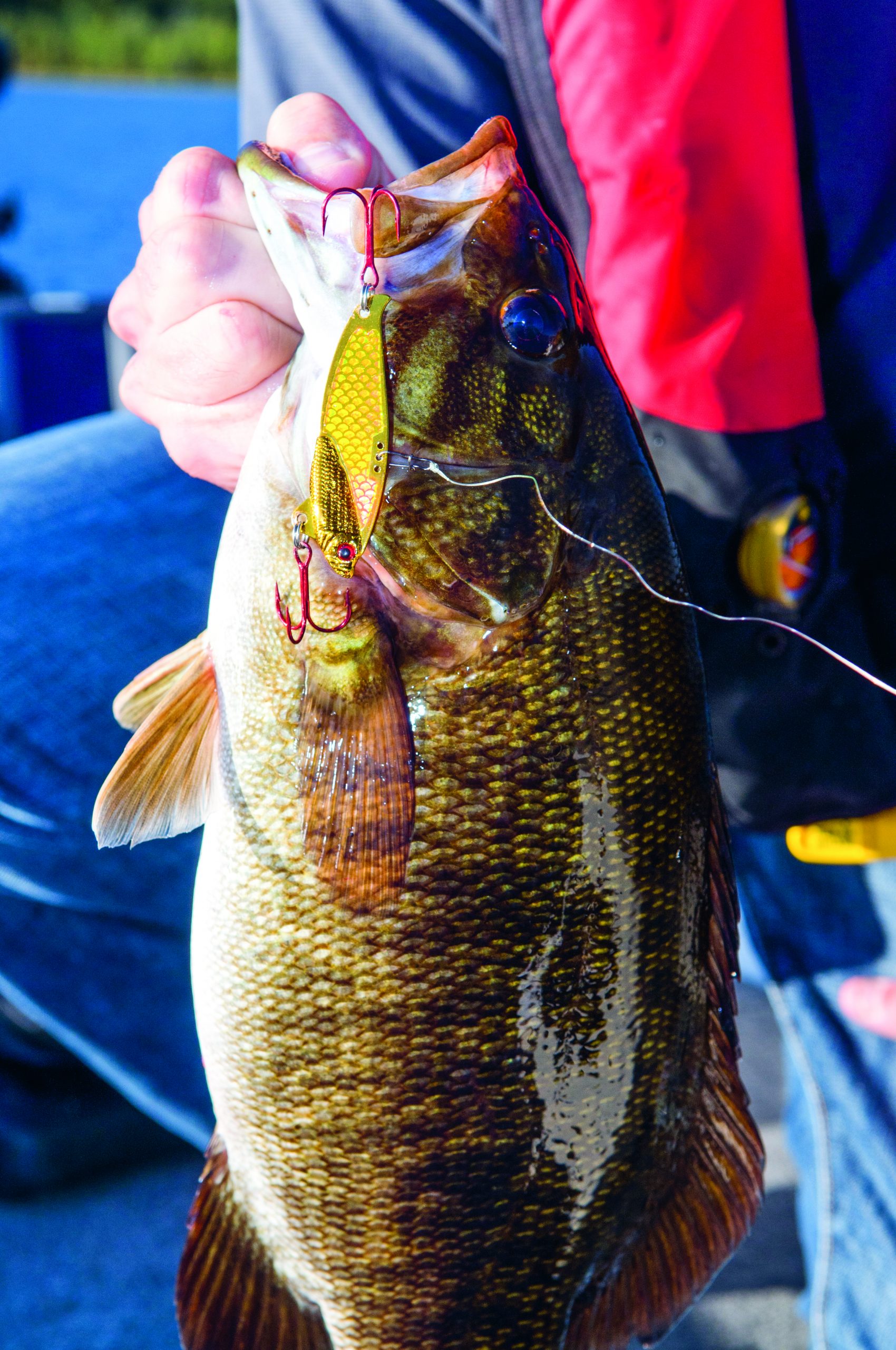
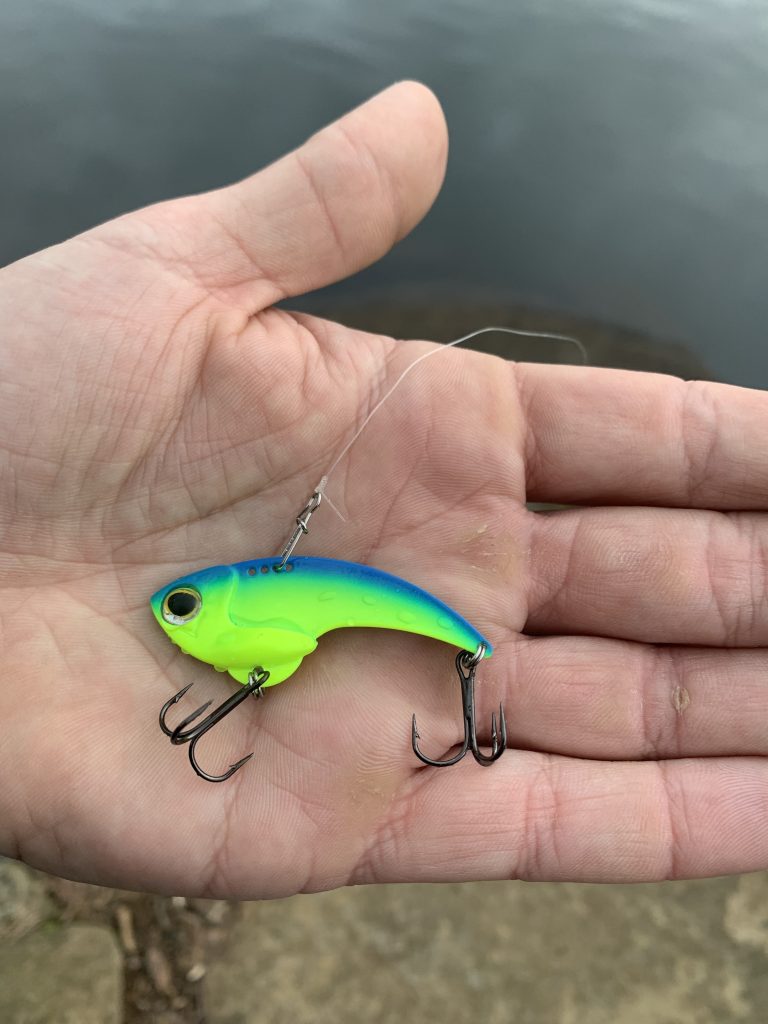
The beauty of the blade bait lies in its simplicity. This small, dense lure gets down quickly to deeper zones where bass winter. Once on the bottom, a quick lift of the rod sends the lure pulsing and vibrating like a dying baitfish. That “flash-and-vibration” combination is a dead ringer for a distressed shad, perch, or shiner, which is exactly what bass are programmed to key in on this time of year. In frigid water, fish aren’t looking for a long chase; instead, they want an easy meal. A blade bait appears to be exactly that, an injured baitfish struggling near bottom, almost begging to be eaten.
Where to Fish Blade Baits
Location is everything with winter bass fishing, and blade baits shine in specific areas. In most Northeast lakes, target offshore structure where bass school tightly as the water cools.

Offshore Humps: Submerged humps surrounded by deeper water are prime real estate. Bass often set up around these features, pinning baitfish against the structure. Position yourself so you can cast across the hump and work your blade bait down the breaks.
Deep Holes and Basins: Many northern lakes have depressions or bowls that hold baitfish schools during the cold months. A blade bait allows you to quickly probe these depths, keeping your lure in the strike zone longer.
Channel Edges: Where creek channels or river arms swing close to main lake flats, bass stage along the edges. Casting a blade bait here lets you hop your lure down the drop-off where big fish often sit.
Points and Secondary Points: Long, tapering points that reach into deeper water often act like highways for bass moving in and out of wintering areas. Working a blade bait slowly down these slopes can be extremely productive.
By focusing on structure that naturally corrals baitfish, you increase your odds of intersecting winter bass schools.
Choosing a Blade
When it comes to blade baits, choosing a color is often a matter of water clarity and forage type. The metallic flash is already built into the lure, but subtle differences can make a substantial impact.
Silver/Nickel: A universal match for shad, herring, and alewives. Best for clear water and sunny days where flash is essential.
Gold: Excellent in stained water or low-light conditions. The warmer flash stands out better than silver when visibility drops.
White or Pearl: When bass are feeding on lighter-colored baitfish, these hues mimic them quite well.
Chartreuse Accents: A splash of chartreuse on the belly or sides can be just enough to make your bait stand out, especially in dingy water.
Many anglers keep a small selection of both silver and gold blade baits on hand to adjust to the conditions.
Blade Bait Retrieves
While the blade bait looks simple, the retrieve is everything. Unlike crankbaits or spinnerbaits, which rely on a steady pull, blade baits demand finesse.
Lift and Drop: Cast out, let the bait sink to bottom, then lift your rod tip 6 to 12 inches. You will feel the lure vibrate as it rises. Let it fall back on a semi-slack line so it flutters naturally down. Most bites occur on the drop.
Short Hops: In colder water, smaller movements are often better. Quick little hops keep the bait in front of bass longer and imitate a barely alive baitfish.
Vertical Jigging: When bass are directly beneath the boat, drop the blade bait down and yo-yo it vertically. This can be deadly when fish are tightly schooled in deep holes.
The key is to maintain bottom contact and stay in the strike zone. Subtlety wins the day in icy water.
Made for the Northeast: The Binsky Blade
While many brands make excellent blade baits, the ½-ounce Binsky from Fish Sense Lures in New Jersey has earned a reputation as a favorite among Northeast anglers. Its compact profile gets down fast, and the vibration it puts out is tight and consistent, perfect for cold water. The Binsky comes in a variety of colors, from natural baitfish patterns to brighter options, and its balance makes it easy to feel every thump on the lift. The ½-ounce size hits the sweet spot for probing 15 to 30 feet of water, which is often the range where winter bass hold.
Fishing in early winter can test your patience, but it also rewards anglers who adapt. As bass move deeper and concerntrate on easy meals, a blade bait shines as one of the most effective tools you can throw. Its ability to imitate wounded baitfish, get down quickly to deep structure, and trigger strikes on a subtle lift-and-drop retrieve make it a cold-water staple.
Whether you’re working offshore humps, probing deep holes, or yo-yoing along channel edges, the blade bait deserves a permanent spot in your tackle box this season. Tie on a ½-ounce Binsky, feel that crisp vibration on the lift, and get ready. The next thump you feel could be the fish of the season.
READ MORE