
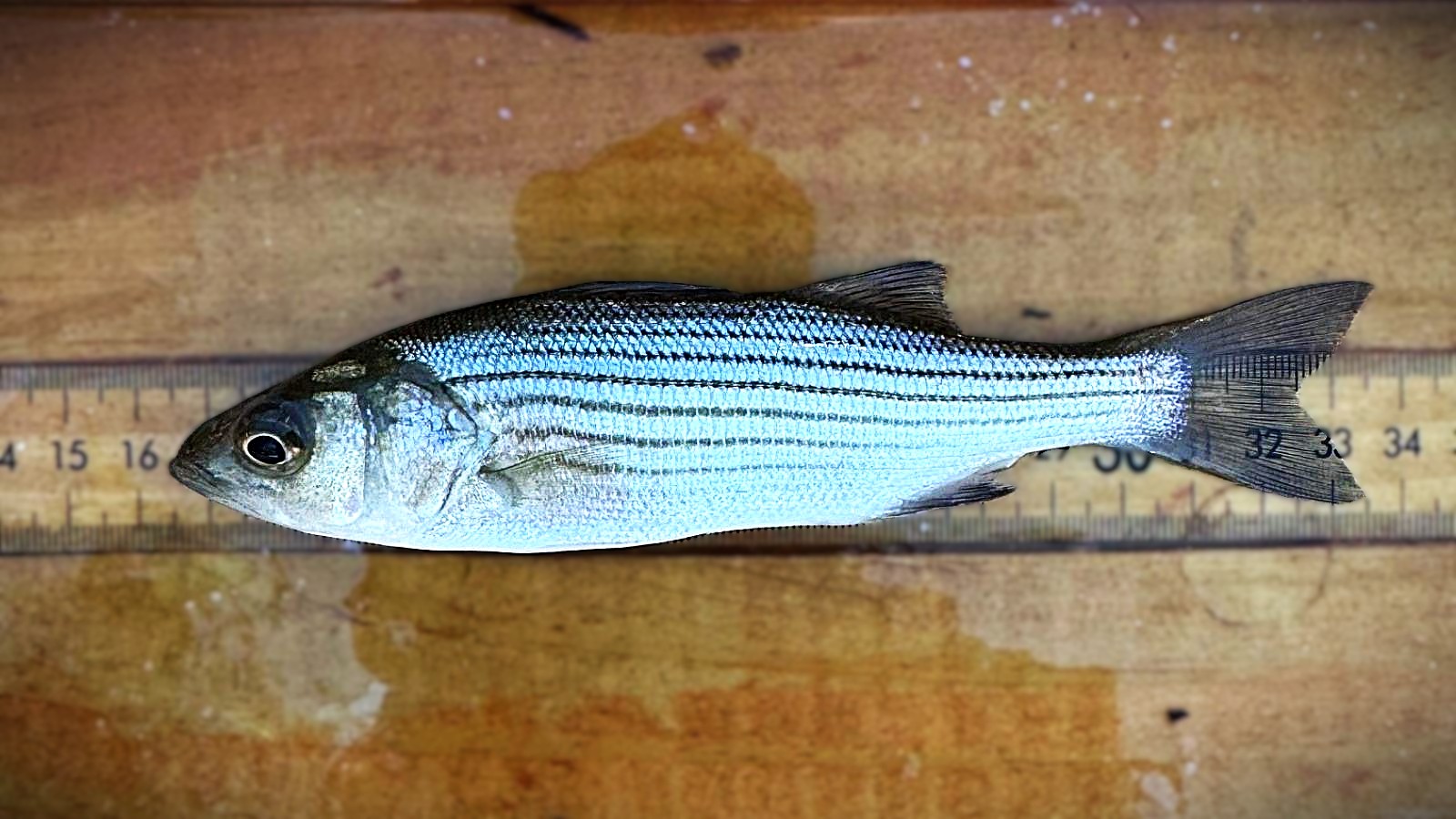
For the third straight year, striped bass reproduction in the Hudson River has fallen well below average, reinforcing concerns that the East Coast’s most important striper nursery is failing to produce strong year classes. While anglers may not feel the effects immediately, fisheries managers warn that these weak year classes could translate into fewer catchable striped bass beginning around 2030, with long-term implications for the coastal fishery.
The New York State Department of Environmental Conservation (DEC) released its latest update on the Hudson River’s Atlantic striped bass Juvenile Abundance Index (JAI) this week, confirming another year of poor juvenile production. In response to continued poor recruitment, DEC helped initiate a new striped bass working group through the Atlantic States Marine Fisheries Commission (ASMFC).
“For the third straight year, DEC’s annual juvenile striped bass survey in the Hudson River documented poor striped bass reproduction, heightening concerns about future abundance and long-term management implications for this critical resource,” said DEC Commissioner Lefton. “The most recent findings confirm that it is more important than ever that DEC continue to engage with the interstate management process and take a leadership role in responsibly managing the striped bass population over the next decade.”
Another Below-Average Year in the Hudson
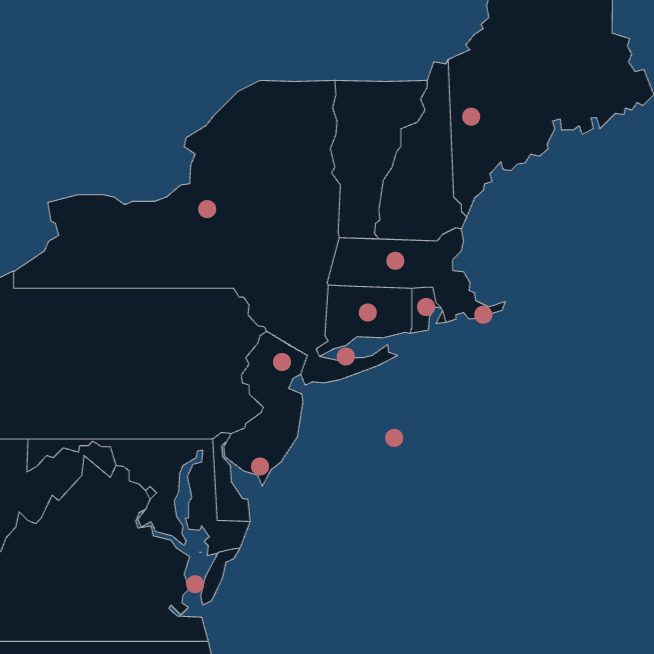
DEC’s 2025 Hudson River young-of-year index came in at 8.27 fish per haul, a value below the long-term average and below the 25th percentile for the third consecutive year. The index estimates annual striped bass reproduction in the river and is derived from biweekly beach seine surveys conducted from July through November at 13 sites in the lower Hudson River.
These surveys target juvenile striped bass at their spawning and nursery grounds and are considered one of the most important early indicators of future stock health. While year-to-year variability is expected, consecutive poor results are a red flag for fishery managers.
A Coastwide Warning Sign
The Hudson River isn’t the only system showing trouble. Consistently poor striped bass reproduction in the Chesapeake Bay over the past seven years, combined with the Hudson’s recent struggles, points to a significant coastwide issue. Together, the Hudson River and Chesapeake Bay account for roughly 90 percent of the Atlantic striped bass population.

Because it takes several years for striped bass to recruit into the recreational and commercial fisheries, the impacts of poor juvenile production are delayed. Managers now warn that these weak year classes could lead to a noticeable decline in catchable striped bass starting in the early 2030s.
Reproduction of migratory fish like striped bass is naturally variable and influenced by environmental conditions such as freshwater flow, water temperature, and salinity. However, it remains unclear what is driving the persistent pattern of poor reproduction seen in recent years across multiple spawning systems.
Planning Ahead for Tough Decisions
The next full striped bass stock assessment is scheduled for 2027, with management changes expected to follow beginning in 2028. Rather than waiting for those results, DEC proposed forming a striped bass working group now to help managers prepare for difficult decisions ahead.
The working group will consider potential updates to the Striped Bass Interstate Fishery Management Plan, including its goals, objectives, and long-term management approach. The stated aim is to prepare fishery managers to adapt to a smaller coastal population in the 2030s while maintaining access to striped bass and preserving the fishery’s cultural, recreational, and economic value.
The working group was formally established during the ASMFC Winter Meeting in Arlington, Virginia.
For Northeast anglers, the message is becoming increasingly clear: the warning signs from the nursery rivers are stacking up. What happens next, both environmentally and at the management table, will play a major role in shaping the striped bass fishery for the next generation.
sounds very scientific. are they still using 2015 data????
And now the fishery managers warning us about long term impacts to the coastal stock because of these poor spawn. Are they the same fisheries managers refusing to take meaningful action to conserve the fish we have left to give us a better chance at good spawns?
I hope that they don’t ban stripe bass fishing for a year. Try having commercial fisherman not catch any for a year and trickle down to the recreational fisherman. Personally I have no idea what else anyone can do.
I would have to agree, keeping a commercial market open while simultaneously complaining about lower numbers of fish is like complaining about not having enough money to pay your bills while ordering food on Uber eats…