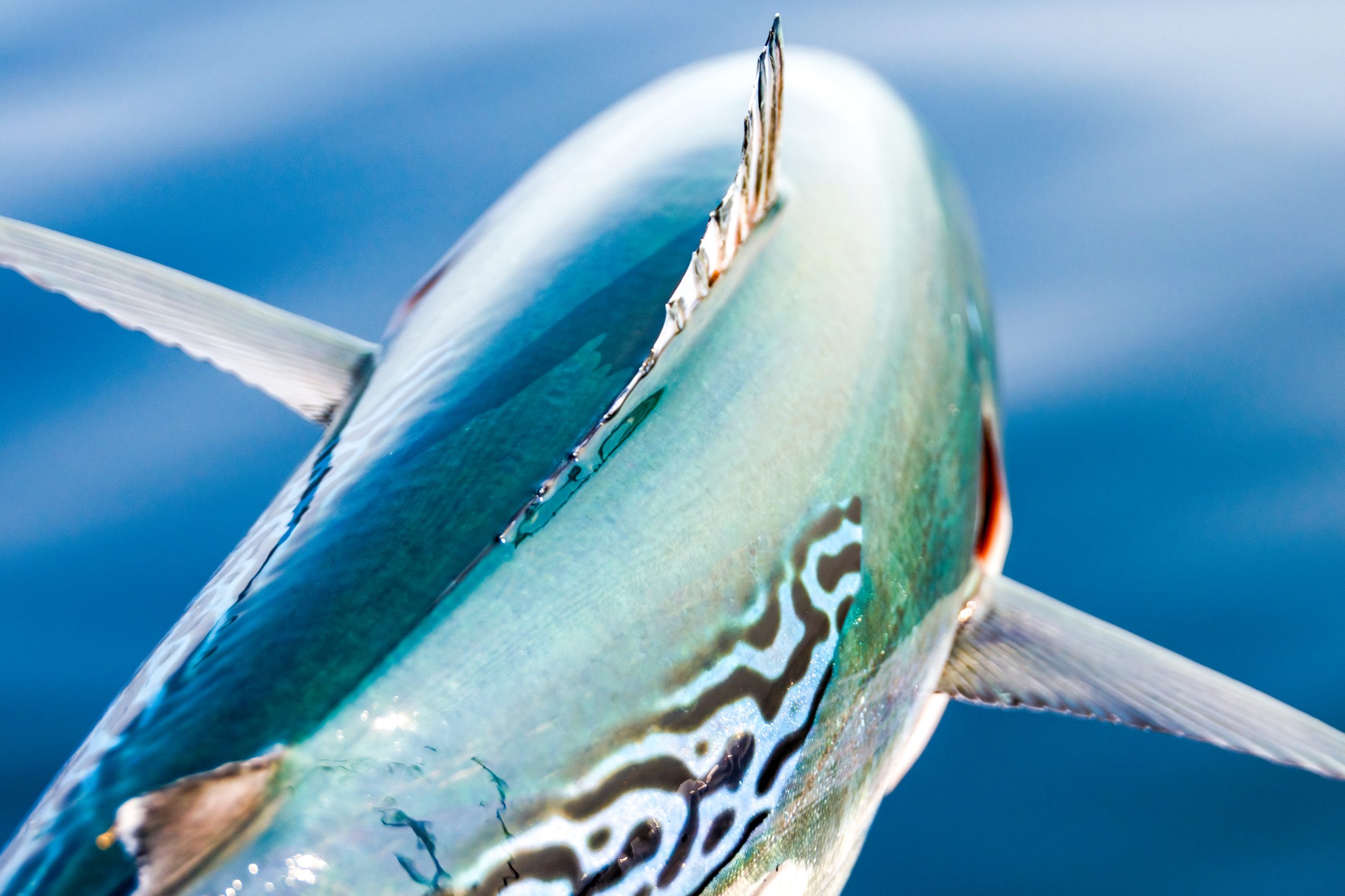

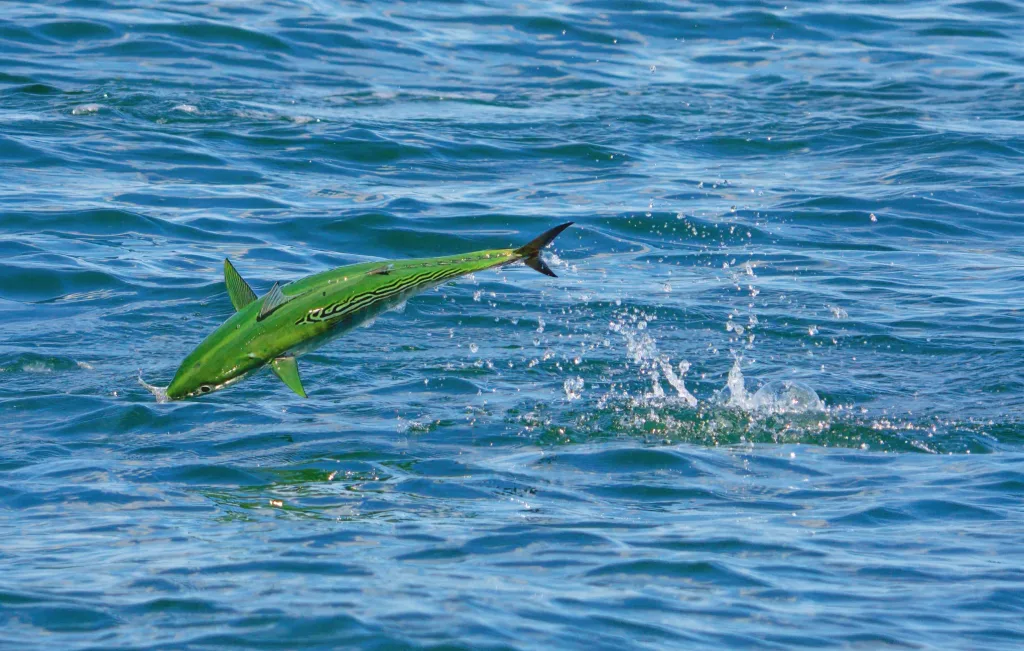
When the leaves start turning and pumpkin spice is on the Dunkin menu, you know it’s that sacred time in New England! The bass are running, the tog are biting, but in my opinion, the most addictive inshore bite in the fall months is the false albacore. Chasing albies can be one of the most frustrating yet rewarding experiences while inshore fishing in the Northeast. Add a kayak to the equation and both those factors go up significantly. Pound for pound, they are one of the hardest fighting fish we have and the short time they inhabit our waters, adds to their mystique. I target albies all over, but my home waters are the Long Island Sound, particularly the Eastern Connecticut side of the sound. Some years we have phenomenal runs that last months; other years the albies are in and out or don’t show at all. This uncertainty is usually what sparks the “albie fever” and the madness of spending countless hours and tanks of gas chasing these speed demons.
Finding False Albacore in Long Island Sound
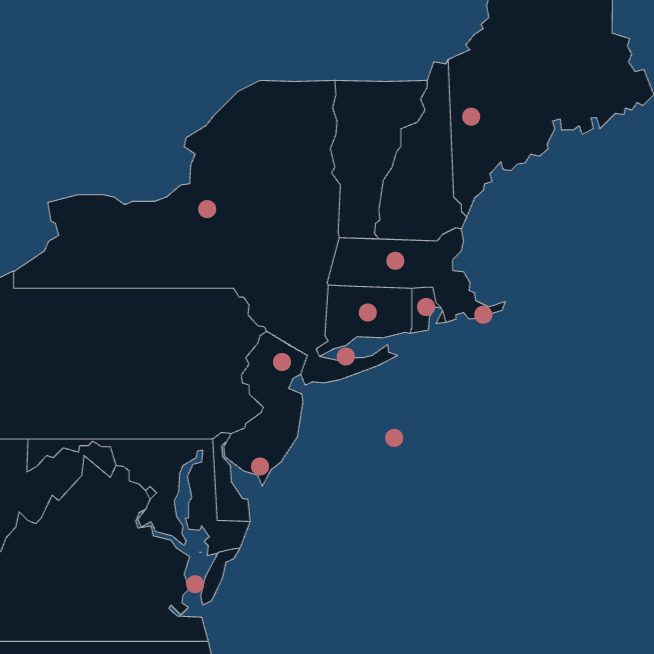
Usually fish will filter in from Rhode Island, so when they reach Western RI, a heavy tide or current can bring them in any day. I will drive from spot to spot with binoculars, searching for signs of life. Since I don’t have the luxury of running around on the kayak, choosing the right location makes my chances of encountering them go way up. These fish are constantly on the move, so you can’t bank on anything being certain. When choosing a location for launching the kayak, I like to pick a spot where you have structure or current concentrating bait and bringing it to the surface.
False albacore are pelagic fish so they don’t relate to structure like tautog or striped bass, but they will use structure and current to their advantage. There will always be the popular areas like Fishers Island, Millstone, and The Race but a lot of that water isn’t accessible by kayak, so you want to choose easy access, key areas. I focus on launches near River/Creek mouths, Bays, Points, and Reefs which all have current or structure positioning bait.
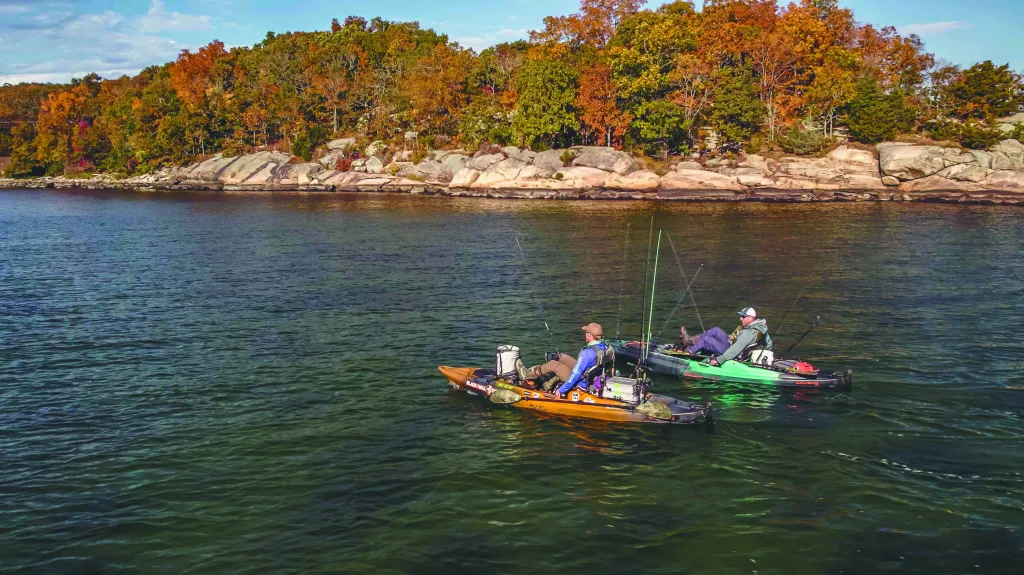
I try to focus my trips around an incoming tide since that current is pushing fish and bait into the Sound. When the fish are already in the area, I choose where to launch based on what the current is doing. During a heavy outgoing tide, I go with a river and creek mouth where hordes of bait are being flushed out and swept with the current. On a heavy incoming, I like to hit bays and beaches since all the bait is being pushed up shallow.
No matter which tide you’re targeting, you want to see an abundance of baitfish. The past few years there has been a lot of tiny “rain bait,” baitfish that are so small they look like rain drops when they jump. Peanut bunker and bay anchovies are also common albie forage in the sound, and often result in a much less picky fish since the bait is larger.
Birds are also very helpful for determining whether fish are in the area. If you pull up to your area, mark bait, and see a bunch of herring gulls hanging out, it’s a good idea to stick around for a bit.
For targeting albies, it’s not nearly as important to wake up early as with other species. A good friend of mine always says albies are “business hours fish,” meaning they show up at 9 a.m. and clock out at 5 p.m. I almost always start the day fishing for bass or tautog, and once I start seeing signs of albies, switch gears.
Tips & Techniques for Kayak Albies
If you’re new to targeting albies in a kayak, the experience can be overwhelming, but once you learn the ins and outs, it can be some of the most fun you’ve ever had. There are a few different scenarios that I have personally noticed pop up most often when targeting albies. Sometimes they will be in tight uniform groups precisely picking bait off the surface, sometimes they will aimlessly work their way down a shoreline, popping up every so often, and sometimes there will be football fields of fish violently slashing on top.
When albies are feeding in tight groups at the surface, it’s common to cast directly into the school multiple times without getting a bite. You may sit there and wonder how it’s even possible, given the apparent aggressiveness of the albies. However, if you sit back and watch the way albies feed when they are in tight pods skimming bait, it is all direction driven. The fish will come up in a V shape and work as a pod to corral and “sip” bait off the top. When making your cast you want to lead them on and cast where they’re going, not where they are. This approach will present your bait in a much more natural way rather than ripping it through the feed at an awkward angle.
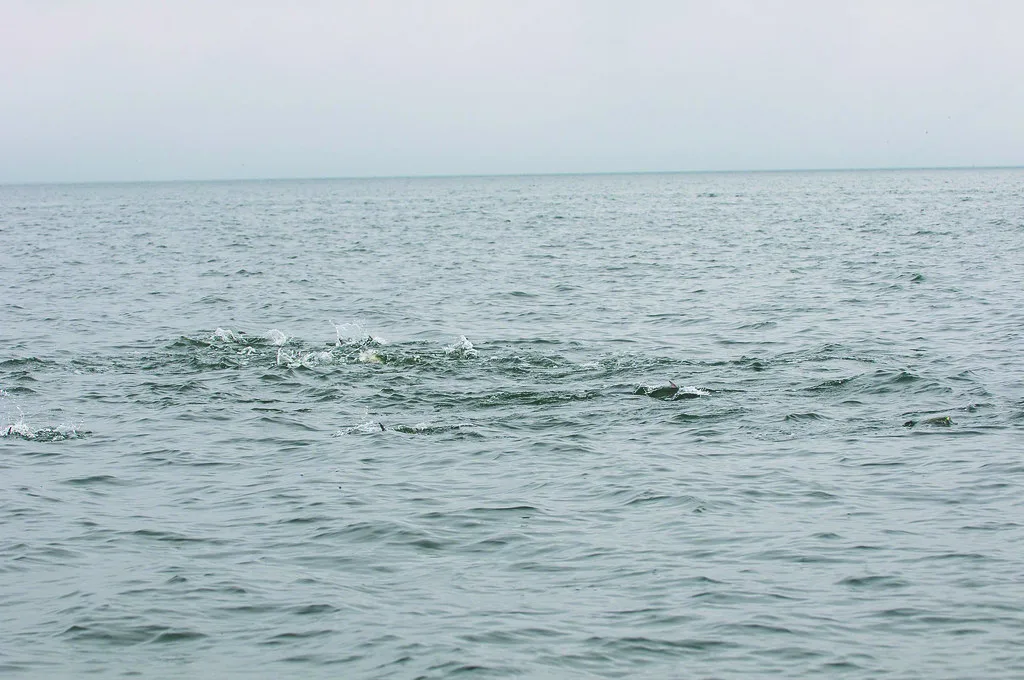
When the fish are feeding this way, they can be very finicky, so I conserve casts and focus on presenting the bait properly. It’s a good idea to stay ready and have a finger on the line or be ready to position yourself quickly to get the right cast. This is prime time to cast an Albie Snax. If you get that perfect cast just in front of the pod and slowly retrieve it, you’re almost certain to get an eat.
The full-blown, madhouse blitzes will usually attract larger crowds. The bites are often a lot easier to come by, but fish are moving much faster so it can get frustrating getting in position to cast while dodging boats and other kayaks.

When albies are in large numbers in a vast area, they will almost always break up into smaller pods and feed in a circular motion that kind of looks like a bunch of bombs are being dropped at random. This is where a casting, epoxy-style jig like the EXO Jig is going to shine. Since the fish are spread out in a vast area, continually casting in different directions will effectively cover water and eventually get your lure in front of a feeding fish. You will see boats ripping around chasing small pods, but the best option is to stay put for twenty to thirty minutes, and if the majority of fish start moving away, then start making your way over. I can’t tell you how many times I’ve been on great feeds when a bunch of boats pulled up and killed the bite for an hour. Sometimes, the minute the last boat moves on, the fish start feeding again.
Often, albies will show themselves on the surface in short intervals and most guys will only cast when they can visually see them. One thing that has worked like a charm for me when the fish aren’t showing themselves but you know are in the area, is dropping an EXO Jig to the bottom and reeling it up at a semi-fast pace and just repeating. I’ve hooked more albies than I can count with that technique and sometimes that can be the ticket on picky fish.
When the albies are first starting to make their way into the area, they will be on “cruise control” moving down the shoreline without feeding heavily. This is by far the toughest scenario to target them on the kayak. You will see a few fish popping up every so often, and then no signs of life for hours afterwards. On these days, I usually go target other species, but if I’m dead set on landing an albie there are a few tricks to trigger a bite.
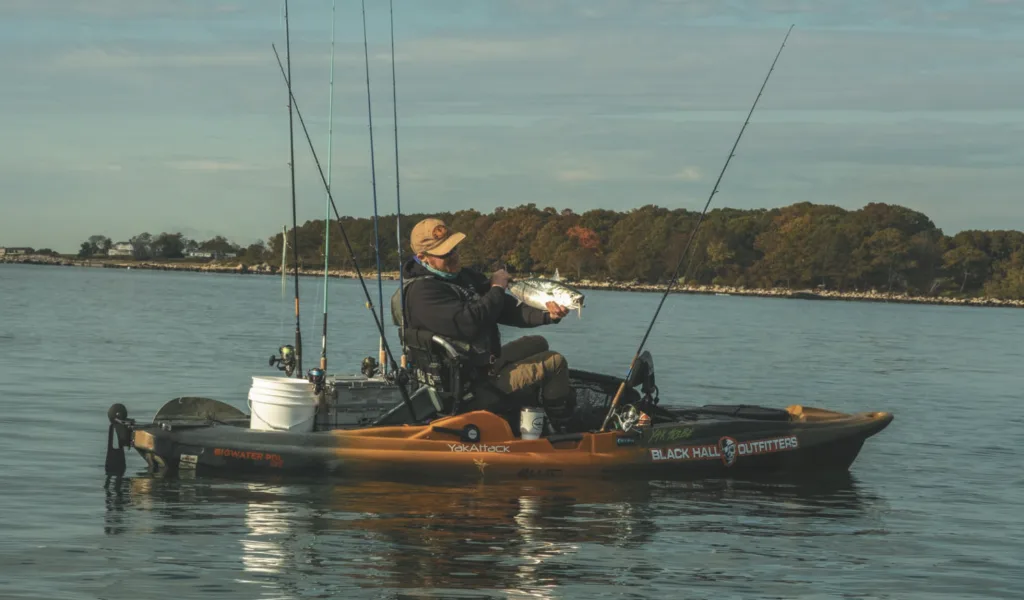
Instead of chasing the fish, I target slick lines or current lines. You will see the white foamy line building a little ways off the shore. It’s usually loaded with trash and grass, but it also acts as a highway for bait and fish. I will position my kayak up-current, and ride the slick line back while casting. This approach can be effective in all scenarios, but works especially well when the fish are on the move and not focused on feeding.
False Albacore Baits
When choosing gear for albies I keep it pretty simple. If you’re just going out with one tackle box and a few rods there are two categories of lures that I never leave home without during albie season. First is a casting jig of some sort and second would be a weightless or lightly weighted soft plastic.
Casting Jigs
The Game On Lures EXO Jig is my go-to casting jig. They sling a mile, are extremely durable and come with great hardware out of the package. The ¾-ounce electric chicken especially seems to get bit, even in the toughest conditions. Other colors worth having in the box would be silver, gold, chartreuse, and pink. I used either the ¾- or 1-ounce size to match the hatch since most of the forage is smaller. There are times when the 1.5-ounce will play, however.
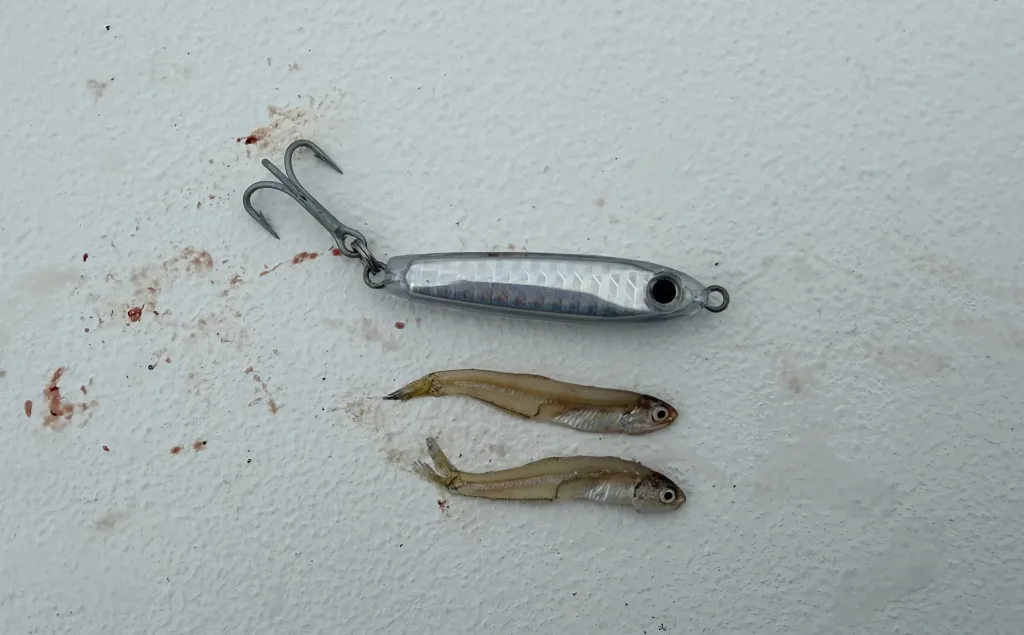
Conditions and forage have a lot to do with what colors I start with. Most of the time, I start with the electric chicken, but if they won’t commit I adjust from there. If it’s cloudy and choppy I will tie on something bright like chartreuse. If it’s bright and slick, I will throw a more natural pattern like silver or gold. When a hooked albie spits up its stomach contents, you can see exactly what they’re feeding on and adjust accordingly.
You can be extremely versatile with retrieves but the most effective retrieve is burning along on top with the occasional rod pop to make the bait break the surface. If that retrieve isn’t proving effective, I switch over to a slower, sub-surface retrieve.
Soft Plastics
The other lure I always have on hand is a weightless or light-weighted soft plastic. It really is tough to beat an Albie Snax in this category. It always seems to get bit in tough conditions. For colors, I only use white and amber. Same as choosing a jig color, I like to look at conditions. If it’s overcast, I’m throwing white. Sunny, I’m throwing amber. I will use a 4/0 hook and rig it straight through the belly. A simple jerkbait style retrieve always proves effective but just a slow straight retrieve will also trigger bites on tough fish.
Sometimes when the albies seem impossible to catch I will break out tricks like a cork-and-fly rig or tie a light leader tipped with a fly behind my EXO jig, but I would say 98% of the time I either have an EXO Jig or Albie Snax tied on.
The Author’s Albie Gear
Kayak: Old Town Sportsman PDL 120
Rod: Game On Carbon Black Inshore – 7’ Medium-Heavy, Fast (CB720MHFS)
Reel: Shimano Stradic FM 3000 (or 4000)
Line & Leader: 15 lb. Sufix 832 Braid / 15 lb. Seaguar Blue Label Fluorocarbon
Baits: Game On EXO Jig & Albie Snax
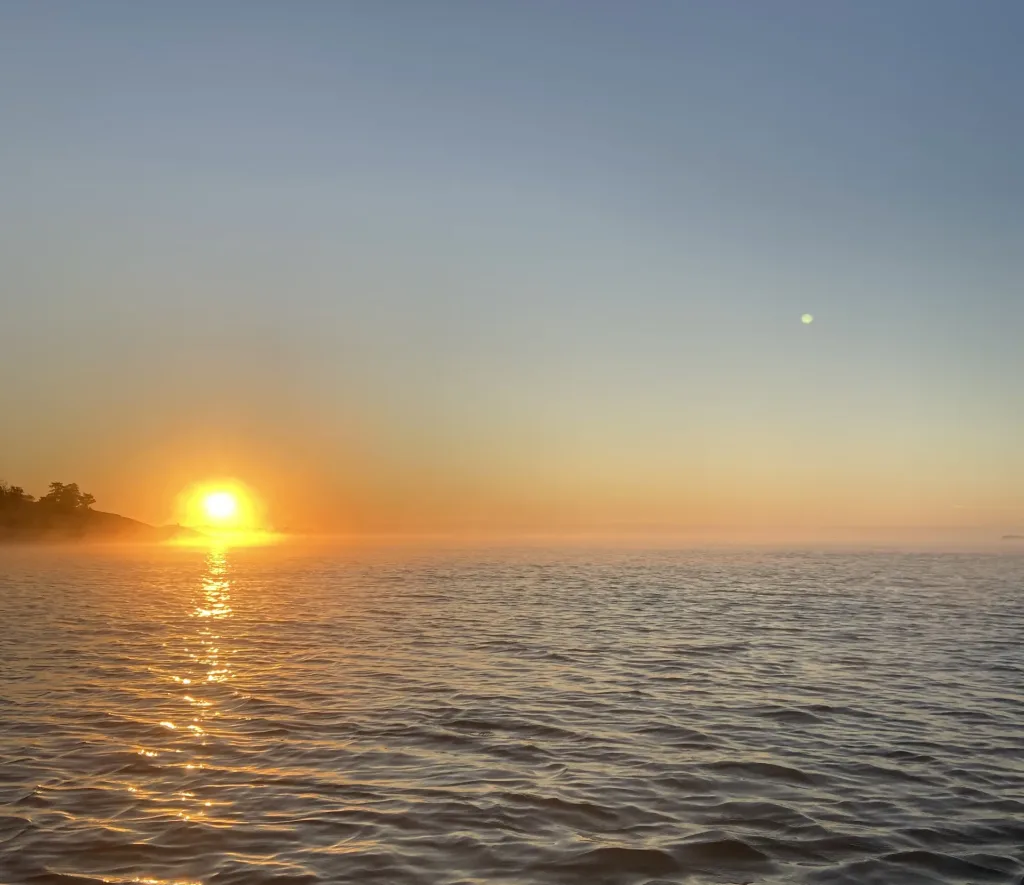
Some of my fondest memories out on the kayak are those crisp October mornings rolling up to my first tog spot, enjoying my coffee, dropping a few crabs, and sharing laughs with friends, only to be interrupted by schools of hungry and violent albies invading the area. What started as a tog trip, ends up with hours of screaming drags, kayaks covered in regurgitated baitfish, and smiling anglers. The fall run in eastern Long Island Sound is a magical time and shows off what an incredible fishery we have here in this little nook of the planet.
READ MORE