
by Karen Moore Dourdeville & Robert Prescott | MassAudubon Wellfleet Bay Wildlife Sanctuary

Of the four species of sea turtles found in our waters, three species are “endangered” and one is “threatened,” so every sighting is important. Leatherbacks are the easiest to see and to identify, mostly due to their large size, slate gray or black color, and dorsal ridges. Sightings of leatherbacks represent over 50% of the reports in the hotline database. The other species are smaller and harder to see. Reports of them, however, are especially important as we try to learn more about how these turtles use our waters as critical feeding habitats. Loggerheads appear brown/ orange, but Kemp’s Ridleys and greens are very difficult to tell apart at sea, even though Kemp’s Ridleys are more gray than brown. We appreciate any reports of sea turtles, no matter how little detail is seen. Thanks to all who have contributed sightings, and pass on the word to your friends and fellow boaters. For those who have yet to sight their first sea turtle, here’s hoping this will be the year, (and make sure to report it).
Leatherback (Dermochelys coriacea)
Leatherbacks are the largest sea turtles in the world and are the species most commonly seen in southern New England waters. They can reach lengths of 8 feet, weigh up to 1500 pounds, and are slate gray/black. A leatherback is readily identified by its large size and the dorsal ridges which run along the carapace (upper shell). Fishermen and boaters often report seeing a leather- back’s large head, which can resemble a seal’s head from a distance, lifted above the surface. Leatherbacks have the ability to generate their own heat, allowing them to swim in much colder water than other sea turtles. Entanglement in conch, fish and lobster gear is a threat to leatherbacks, and can prevent them from getting to the surface to breathe. They feed primarily on jellyfish, but have been known to ingest plastic trash, which can be fatal. Leatherbacks and fishermen sometimes show up simultaneously at “hotspots.” Such a hotspot occurred in 2010 on Lucas Shoal in Vineyard Sound, Massachusetts, where fishermen were catching fluke and leatherbacks were eating jellyfish.

Loggerhead (Caretta caretta)
Loggerhead sea turtles are dark brown to reddish brown in color, sometimes described as the color of a wet paper grocery bag. Most loggerheads seen in southern New England waters are juveniles, ranging in length from 15 to 36 inches and weighing from 25 to 100 pounds. They feed on invertebrates such as hermit and spider crabs,
mussels, moon snails and whelks.

Kemp’s Ridley (Lepidochelys kempi)
Kemp’s Ridleys are the smallest and most endangered of all sea turtles in the world. Only
juveniles have been reported in southern New England waters, where they range in length
from 12 to 15 inches and weigh approximately 5 pounds. They are dark gray, resembling the color of wet cement. They eat mainly crabs, but may also eat fish, jellyfish and mollusks. Kemp’s Ridleys are the most common species to become cold-stunned in the late fall/early winter and wash up on Cape Cod’s north beaches.

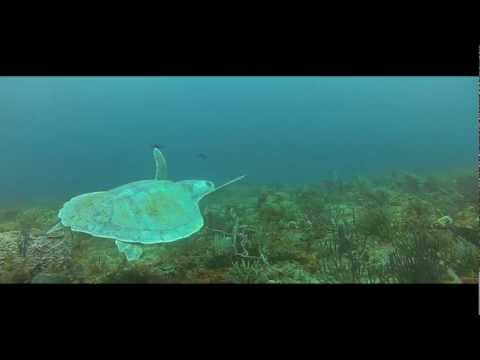
Green Turtle (Chelonia mydas)
Green sea turtles are not green, but rather are brown or mud-colored with a mottled carapace. Their name is derived from the color of their fat, which historically was used in turtle soup, rendering the soup green. Only juveniles, ranging from 12 to 20 inches long and weighing about 10 pounds, have been found in New England waters. In New England waters, stranded young green turtles have been found to be mostly herbivorous, feeding primarily on sea grasses and algae.
When you see a sea turtle, please report it to the MassAudubon Sea Turtle Sighting Hotline by either calling a toll-free phone number (1-888-SEA-TURT) or going online to www.seaturtlesightings.org. Provide details about the turtle sighting, including date, location (GPS when available), time, approximate size, color and any other observations. Photos can be very helpful for species confirmation. Each reporter is given the option to request a call from a hotline staff member to discuss the sighting or to answer questions about sea turtles. Many reporters take advantage of this option, and we on the staff always enjoy talking about sea turtles and hearing fishermen’s stories.
[…] The Four Species of Sea Turtle You’ll Most Likely See in New England […]
[…] any lobster pots, buoys, weed lines, sargassum, partially submerged pilings, floating timber, dead sea turtles, or anything else that serves as a source of structure where a food chain can develop. Mahi use […]
I was saddened yesterday to come upon,
what I strongly suspect was a leatherback
turtle half buried in the sand at Charlestown State Beach in Rhode Island.
It looked to have been there several days.
I didn’t notice the cause of death but hope it was natural.