
While everyone was shopping early Black Friday deals and dusting off their best turkey and oyster stuffing recipes, the International Commission for the Conservation of Atlantic Tunas (ICCAT) met in Seville on November 24th, 2025 and agreed on new catch limits and conservation measures that will shape Atlantic tuna and shark fisheries from 2026 through 2028. Here’s what Northeast anglers need to know.
Bluefin Tuna Quotas Going Up
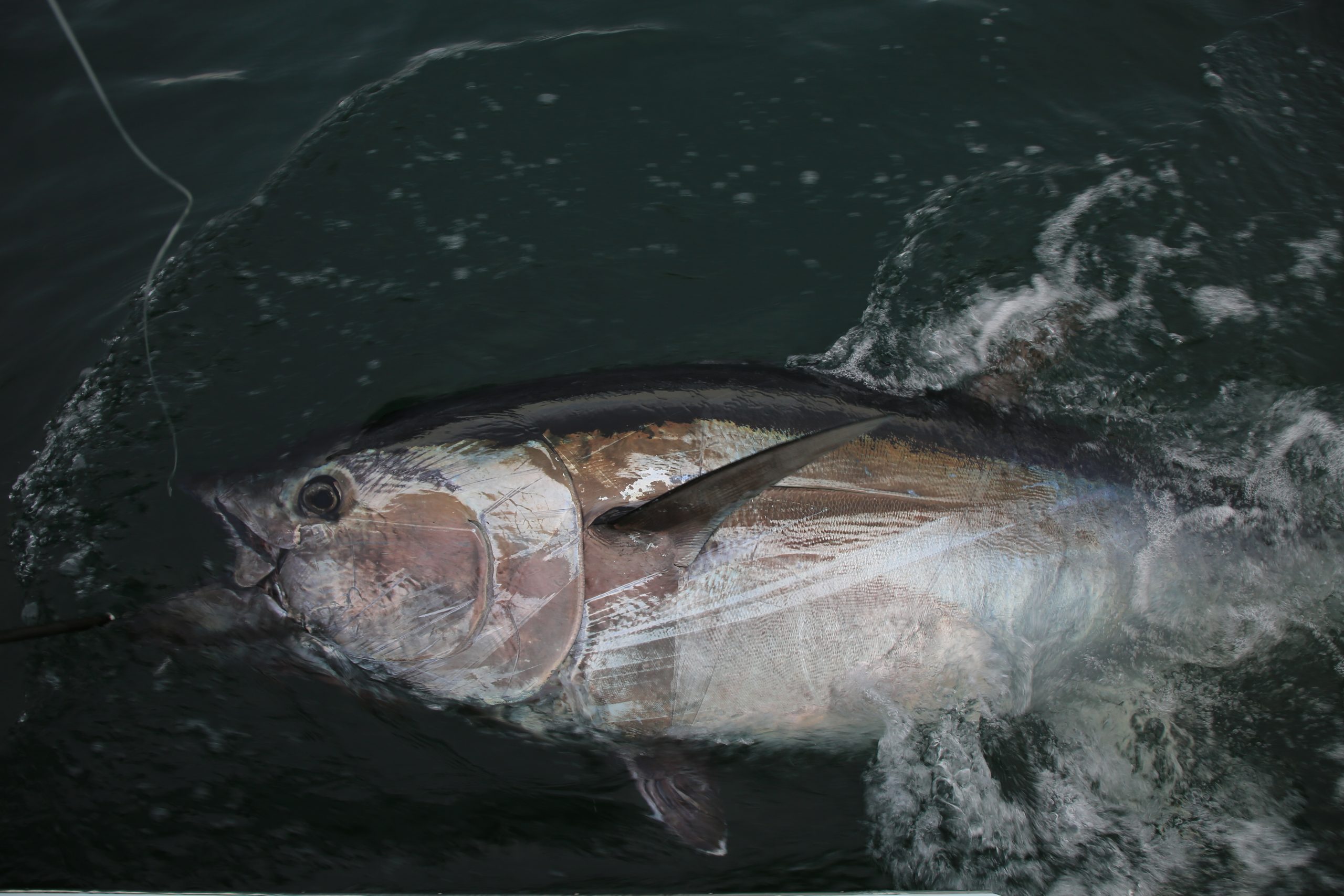
ICCAT manages Atlantic bluefin tuna through two main stocks: western (including U.S. and Canadian waters) and eastern/Mediterranean. For 2026–2028, ICCAT approved higher Total Allowable Catches (TACs):
- Western Atlantic bluefin: TAC set at 3,081.6 metric tons — a 13% increase.
- Eastern Atlantic & Mediterranean bluefin: TAC set at 48,403 metric tons — a 19.3% increase.
These increases don’t change U.S. recreational limits on their own, but they give domestic managers more room when they update allocations. NOAA Fisheries will determine how these international TACs translate into category shares, seasons, and retention limits for U.S. anglers.
New Rules for Western Atlantic Skipjack
For the first time, ICCAT adopted a formal management procedure for western Atlantic skipjack:
- Skipjack TAC: fixed at 30,844 metric tons for 2026–2028.
This affects large-scale commercial fisheries more than recreational anglers, but it shapes how NOAA manages mixed-tuna fisheries moving forward.
Stronger Shark Protections
ICCAT also passed new rules aimed at reducing shark mortality:
- South Atlantic shortfin mako: A strict 1,000-ton mortality cap across all ICCAT countries.
- Basking shark and great white shark: Complete no-retention rules — no keeping, no landing, no transshipping. Any accidental catches must be released immediately.
For Northeast anglers, this reinforces existing U.S. rules: great whites and basking sharks are already fully protected, and shortfin mako retention remains tightly restricted.
Monitoring, Compliance, and High-Seas Measures
ICCAT strengthened enforcement tools, including:
- Tougher port State measures aimed at stopping IUU (illegal, unreported, unregulated) fishing.
- An expanded authorized vessels list for boats 20m and larger.
- A resolution preparing ICCAT for the upcoming BBNJ high-seas treaty.
What This Means for Northeast Anglers
- Bluefin quotas are increasing internationally: This gives NOAA more room when adjusting U.S. bluefin allocations for 2026–2028. Any future changes to recreational limits will come through NOAA rulemaking.
- Skipjack management stabilizes: A fixed TAC helps NOAA plan mixed-tuna regulations, but it won’t impact recreational tuna fishing in the Northeast in any immediate way.
- Shark rules stay strict: Great whites and basking sharks remain fully protected, and mako retention will continue to be extremely limited as the U.S. stays under the international mortality cap.
- More oversight on commercial fleets: Strengthened port inspections and vessel-tracking measures mainly impact the commercial sector, but they support the long-term health of the species Northeast anglers target.