
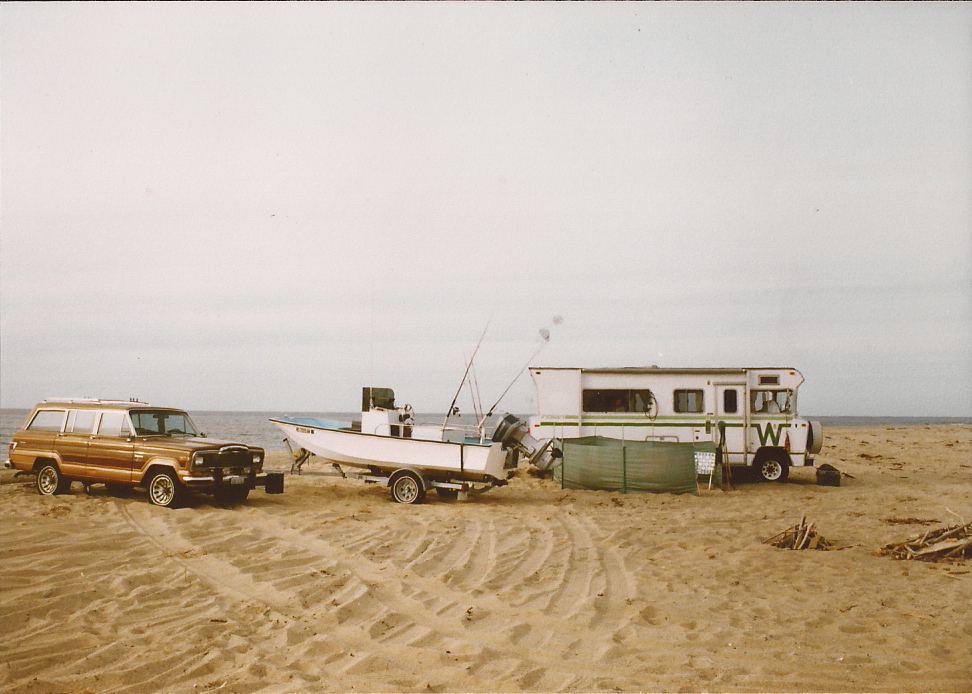
As a long-time Cape Cod surf fisherman and former ORV permit holder, I’ve watched our beaches for decades. Massachusetts has delivered impressive results for piping plover recovery. In 2025 we recorded a new record of 1,247 breeding pairs, and the New England recovery unit has far exceeded its 625-pair target for years.
Yet seasonal closures from April through August continue at Cape Cod National Seashore, while other regions still fall short. This rigid approach has created a disproportionate burden on Barnstable County and its fishing community.
ORV permit sales tell the story. They peaked at 6,164 total permits in 2005 but fell to just 3,431 in 2024, a 44% decline. Annual permits sold only 56% of the available cap last year, and permit revenue has dropped for three straight years. These numbers reflect fewer long-stay campers, surf fishermen, and small-boat anglers who once spent entire summers on our beaches.
The impact hits both recreational and small-scale commercial rod & reel fishermen who target striped bass, bluefish, flounder (fluke), and other species from the shore or by launching small boats from the same restricted areas. In Massachusetts, recreational striped bass fishing generates the vast majority of the economic value and jobs associated with the species, while small-scale commercial harvest adds important local activity. The loss of season-long access has meant missed revenue for bait shops, tackle stores, restaurants, motels, and other small businesses that relied on these traditional visitors.
Barnstable County generated approximately $2.8 billion in direct visitor spending in FY2024, supporting 1 in 5 jobs in the regional economy and contributing $251.5 million in combined local and state tax revenue, one of the highest figures among Massachusetts counties. While overall tourism has grown through day-trippers and short-stay visitors, the restrictions have shifted the mix away from the high-value, long-stay fishermen and campers who once provided consistent seasonal revenue.

This outcome also conflicts with the original intent of the Cape Cod National Seashore. Public Law 87-126, signed in 1961, explicitly permits traditional hunting and fishing on Seashore lands after consultation with Massachusetts officials. Many of us feel the current restrictions have overridden that legislative promise.
Adding to the concern are persistent “No Data” designations for multiple remote and private islands, including Nomans Land Island NWR and several sites in the Elizabeth Islands chain. These locations often receive only a single limited survey per year due to access restrictions, private ownership, or safety concerns. Improved monitoring, including boat- or helicopter-based methods during available staff visits, would provide a more complete range-wide picture.
We support strong piping plover recovery. What we’re asking for is a smarter, fairer plan: recognize New England’s success, direct more intensive resources (predator control, habitat work, and monitoring) to lagging areas, and update the 1996 recovery criteria to reflect current realities. A science-based review that incorporates socioeconomic impacts and shared responsibility across the entire Atlantic Coast would benefit both the birds and the fishermen who have carried this burden for decades.
The people of Barnstable County, its recreational and small-scale commercial fishermen, and the many tourists from across the U.S. and Canada deserve a balanced approach. It’s time to recognize success where it has occurred and share the responsibility more equitably.
Jason Richer