
Originally Published in the May 2007 Issue of On The Water Magazine, when raking for sand eels was already becoming one of fishing’s lost arts.
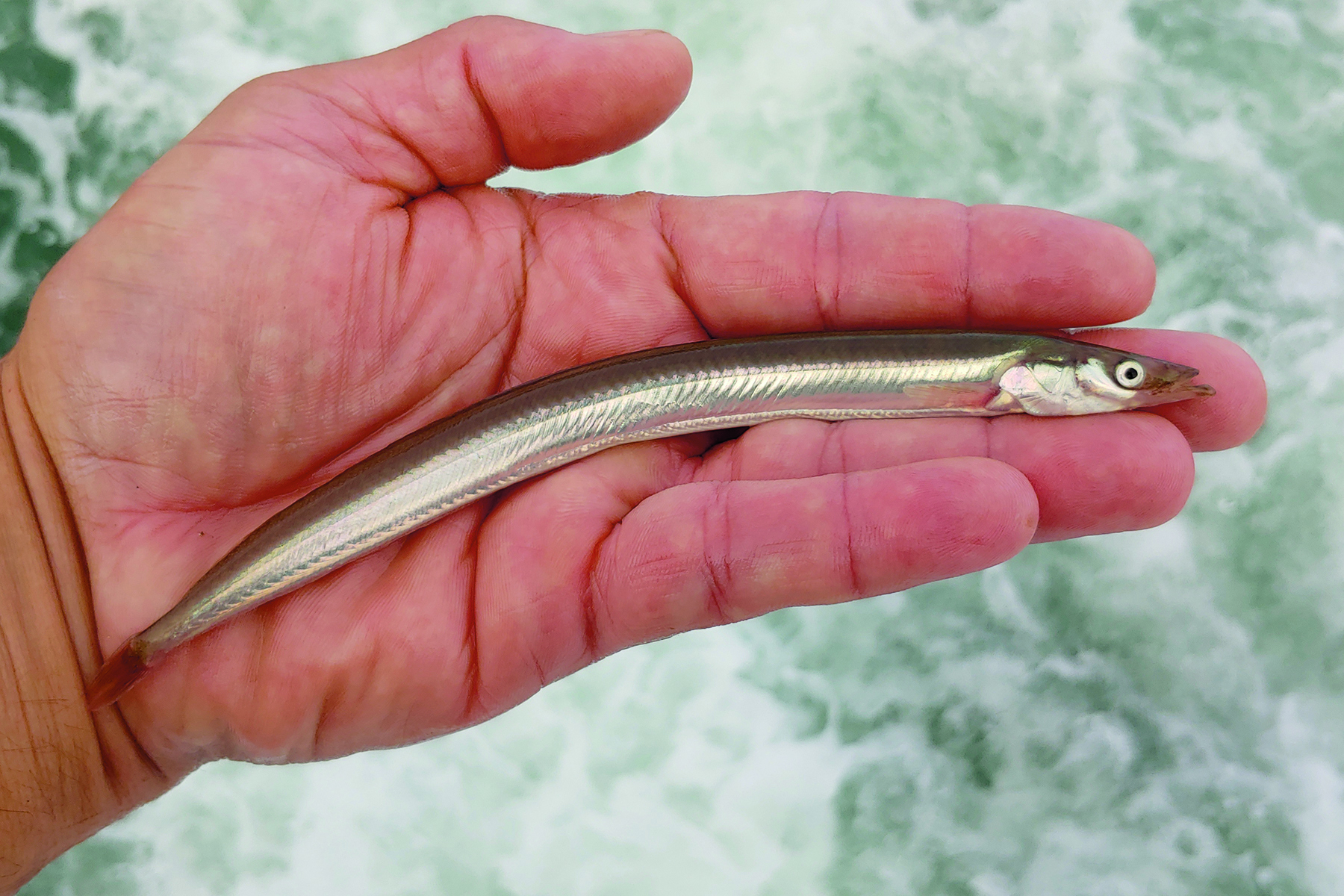
Recently I was reading a story by a well-known writer who spoke about digging for sand eels. Anyone who has taken the time to obtain sand eels for bait knows that the process is generally called raking for sand eels. This terminology comes from the tool we use, and that is the sand eel rake. Raking to obtain these delectable offerings has been practiced in the shallow waters of Cape Cod for decades, and they are a prime bait for stripers, bluefish, fluke, and cod. On Outer Cape Cod, they are just about the only bait that is used. It is true that there are several other ways to obtain these silver devils. One is by net and another is to employ the use of a boat, which we refer to as power raking, but in this article we will only be addressing the use of a sand eel rake.
The Sand Eel Rake and Other Gear
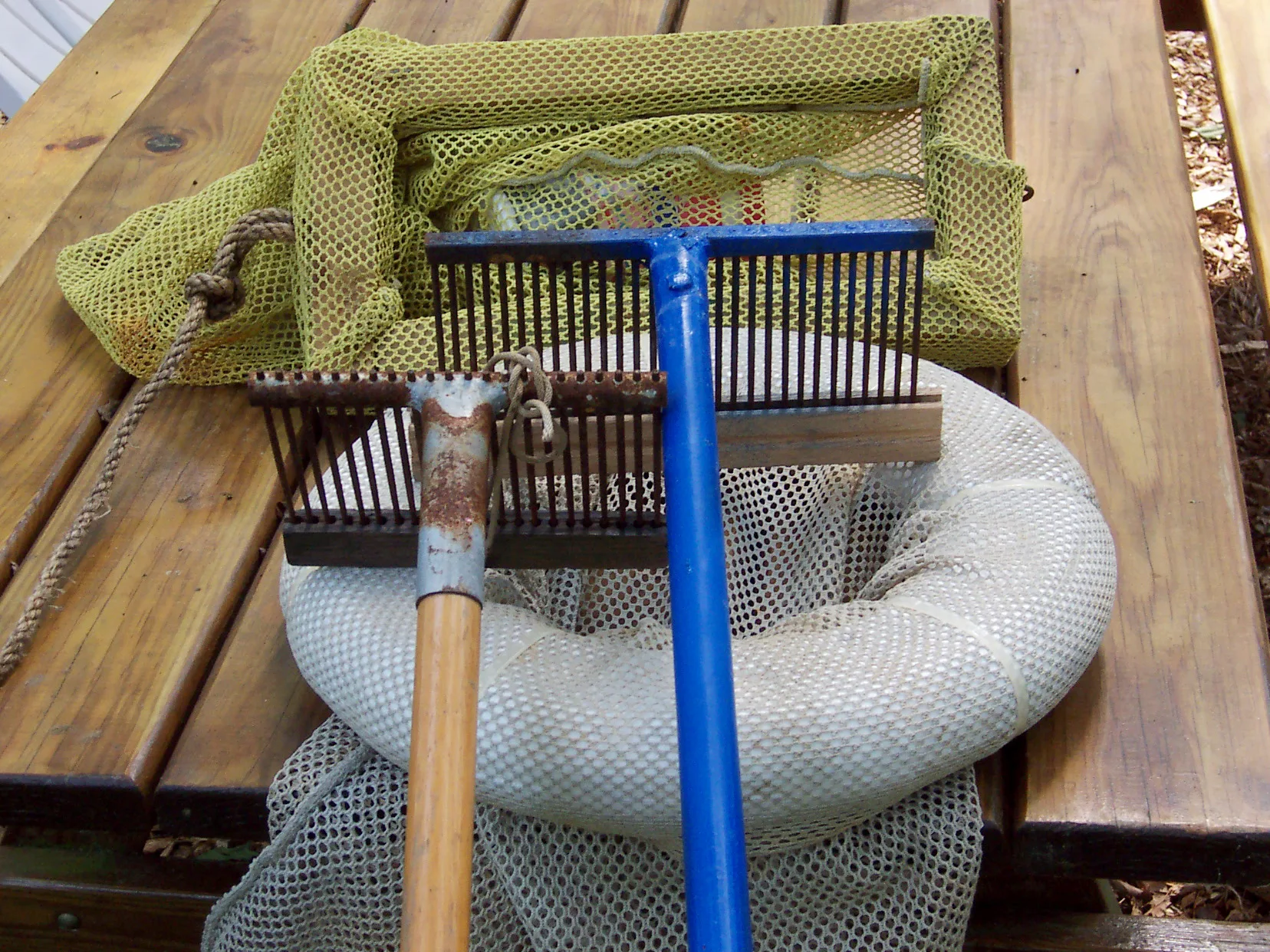
The method most beach fishermen use is to rake the sand eels out of their burrows in the sand. Many years ago, a sand eel rake was invented that consisted of ice picks that were spot-welded into a metal head and attached to a wooden handle. The picks were spaced about 1/4 inch apart across the head, which was 8 to 10 inches long. The picks were 6 inches long, and the wood handle measured 6 feet. The head was attached to the handle in such a way that there was a slight inward angle to the tines. Before long, a few Cape fishermen began selling them to tackle shops, primarily on the Upper Cape.
Unfortunately, a few years ago the last local supplier of rakes went out of business, and the supply of commercially built rakes vanished. This became a serious problem for the beach fishermen who enjoyed raking for bait. I spoke with a good friend of mine, Maggie Ribb of Ribb Rakes, and asked her to look into filling the void by adding them to her line of quality clam rakes that are well known in the New England area. At the urging of tackle shops, myself and other fishermen, Maggie decided to get into the business of making sand eel rakes.
Over years of using rakes, I determined that some things needed to be modified to improve the quality and ease of use. The original ice picks did not hold up and needed to be replaced often. Maggie found a quality pick made in Germany. These steel picks were well tempered and would not break as often as a standard ice pick. The angle at which the picks should be attached to the handle also needed to be changed. It was only a matter of several degrees more to position the picks so they not only would penetrate the sand better but would also be more efficient at capturing sand eels. The wood handle that she employed for her clam rakes would work fine for the sand eel rake; it was only a matter of changing the way the handle was attached to the head to get the optimum angle, allowing for better penetration while raking. Penetration can be critical when the sand eels burrow deeper into the sandy bottom.
I specifically requested she make a custom version with a wider head and a longer handle. Airplane-grade round aluminum was chosen for the longer 8-foot handle. The width of the head was increased to 14 inches. For the first time, I had a rake that worked much better when weather conditions were adverse. Maggie made me a fine rake, and I’m sure it will last for years.

During normal low tides and pleasant weather conditions, a 6-foot rake will work fine. It is during those times when it’s raw and cold or the water does not recede enough that a longer handle makes a difference. When the water is turbulent and surging, you will appreciate the longer handle. Without a question, wood is kinder to your hands while raking, but cork tape can be placed over the metal handle to cover the first three feet where you will place your hands as you rake. This provides a better grip and helps keep your hands from getting cold. Raking for sand eels is a skill one develops over a period of time, and each time you rake you become more proficient.
In spring and fall, you should use waders and a pullover rain top over your waders. A wide, quick-disconnect belt is needed to secure the rain top and prevent water from coming in. Placing duct tape over the wrist portion of the rain top will provide another measure of protection, or Velcro strips can be used.
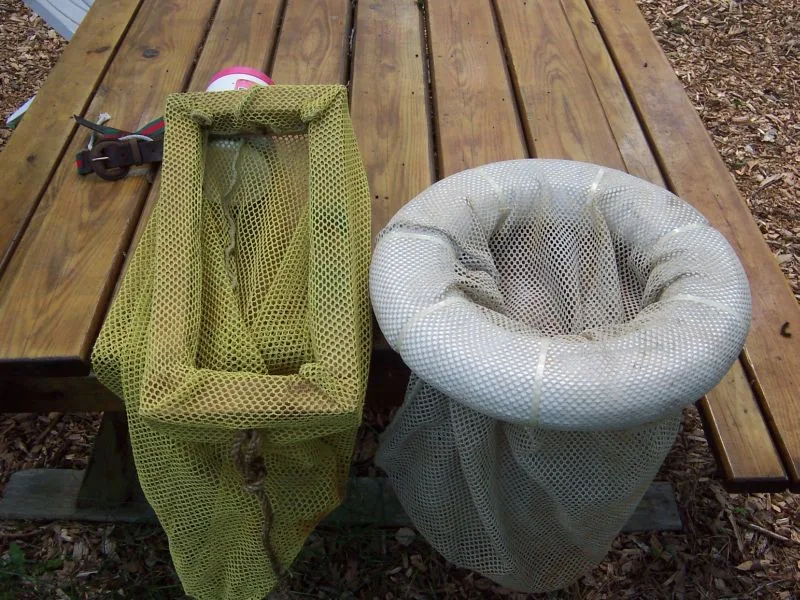
Now that we have ourselves ready to go and the water is low enough to start raking, we need a container in which to place the eels. Cut the top third off a 5-gallon bucket and attach a fine mesh hoop net to it; the bucket will then be hung around your neck as you rake. The bucket will be in the water but not totally submerged. You can also attach the net to a Styrofoam ring. The netting must be fine enough to keep the sand eels from escaping once you place them in the net. If you are fishing by yourself, attach a rope to your belt and tie the other end to the floating ring. If two are involved in the operation, it is much easier, as one can rake while the other holds the ring.
The Raking Process
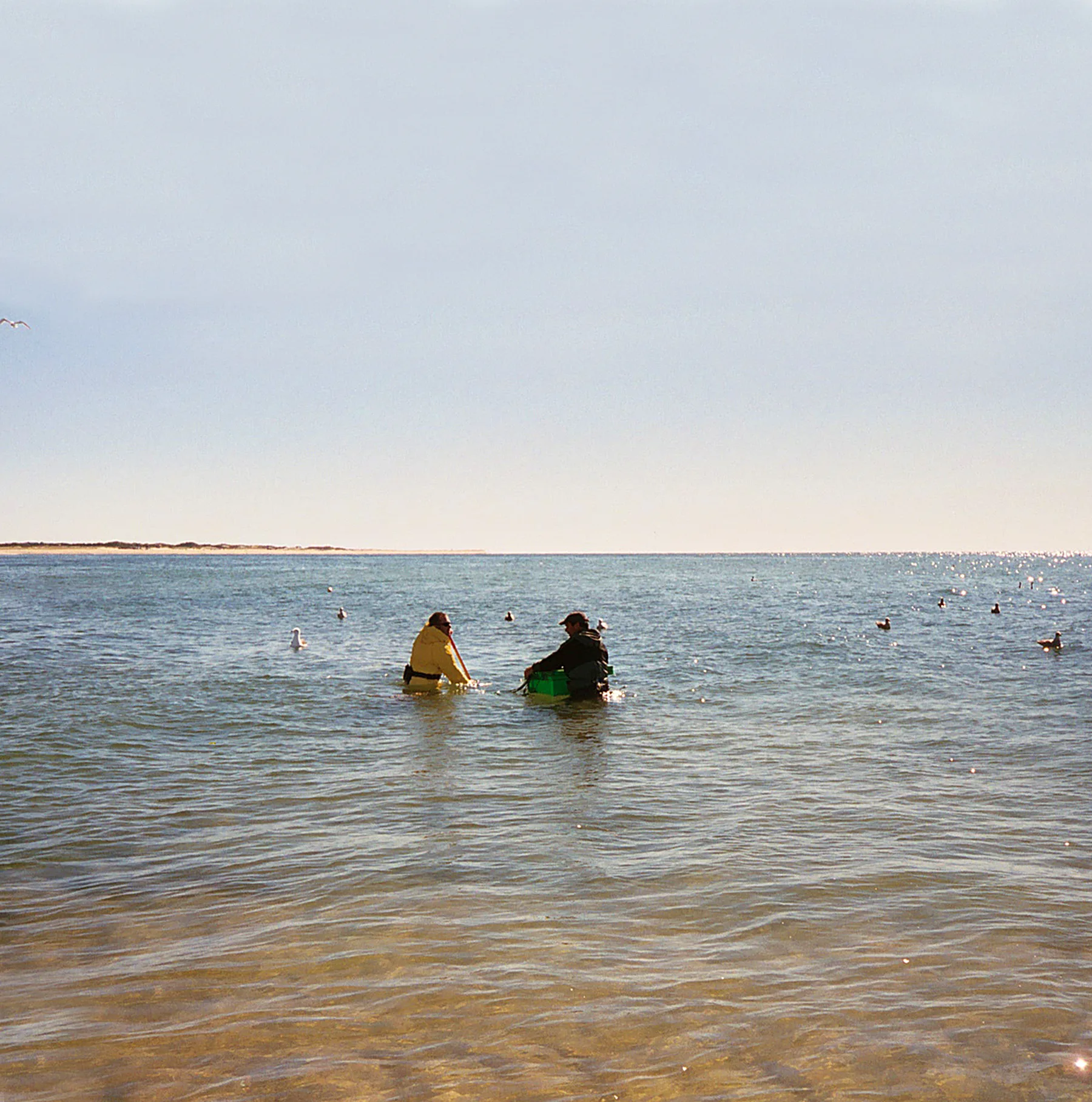
The most common motion used to rake sand eels is very similar to raking leaves. The main difference is you will be placing more pressure on the downward motion to allow the tines to go deeper into the sandy bottom. There will be times when the sand eels will be found near the surface of the sand and other times they will be deeper. You can rake or scratch an area several times to get the tines deeper each time. You will learn to feel the sand eels as they are being pierced or getting jammed between the tines. When it’s time to unload your catch, always turn the rake so the tines are facing up. When you get the tines above the water, with one motion, simply turn the tines down into the container and remove the sand eels that do not fall out.
Another method that works well, especially when using a rake with a longer handle, is to brace the upper portion of the handle against your shoulder and use both hands to apply downward pressure as you walk backwards. I suggest you start off in skinny water before venturing out into deeper places. I never attempt to rake in water above my waist, unless I am only wearing a bathing suit. Surging water can upend you, and a rogue wave is always a possibility. Waders full of water are uncomfortable at best and dangerous at worst.
Finding Sand Eels
Not every beach on the Outer Cape will hold sand eels all summer. Normally they will be found swimming in large schools along the shore, especially at night. It is during those times that one can employ a seine net, which is another whole topic in itself. I only mention it as a possibility that you might want to be prepared for, but of course you’d need two people to operate the seine. Some of Cape Cod’s outer beaches will have sand eels for a while, then they might move to another location. You should have a plan for where to go if one spot does not produce. When you do find the sand eels, you should be able to rake enough fish to last through several tide changes before raking again.
Some of the better places to rake up a good batch of sand eels include the Pamet River both inside and outside, along the beachfront at Corn Hill in Truro, as well as at Ryder and Fisher beaches. The area to the left of the Provincetown jetty that goes out to Wood End can be a very productive place, especially at night, but you should have a buddy and watch out for the strong current that comes out from the right side of the jetty. As the water drops, you have an opportunity to walk for a long way in waist-deep water to locate a good spot.
Another area in Provincetown is Hatches Harbor. You can reach it by walking from Herring Cove Beach, or if you have an over-sand permit, it can accessed by driving the beach from the Ranger Station at Race Point. Keep in mind that you can also find sand eels at several locations close to the Race Point Lighthouse, and generally speaking, you can get an indication of how good the scratching is by how many you observe raking.
Coast Guard Beach also offers some limited raking on the bars at dead low tide. Sand eels can also be raked at Nauset Beach and the Brewster Flats. You can rake during the daylight hours, but my son David and I prefer the low tides when it’s dark. The sand eels congregate under the cover of darkness, and we spend less time raking and more time fishing for the big momma bass.
One added benefit during the fall is raking up sea worms among the sand eels and watching Minke whales feeding on the sand eels only a few feet away. The unexpected crash from a bluefish or bass as it chases the bait you miss while raking can also be an exciting event.
One last item of importance is to make sure you have something to cover the tines after you are through raking. It will help to keep the tines sharp and also prevent you from sticking yourself when not using the rake.
Caring for the Bait
Now that you have spent all this time raking, it is just as important to spend time taking measures to keep your bait in prime condition, which is nice and firm. Your sand eels should be washed in fresh salt water and prepared according to how and when they will be used. Separate the larger and smaller ones, then dry them on paper towels and place them in quart-size Ziploc freezer bags. Only place enough in the bags so they can be laid flat. Once they are bagged, place them on top of ice in layers and place ice packs on top, making sure the eels remain flat inside the bag and both sides are in contact with the cold material. They will remain sandwiched in the cooler until we start to use them, one bag at a time.
There is one other method that we use at times if we are in a rush. You should have a container with some depth and one that is insulated. Using clean wet sand, layer the sand eels and sand until it is full. This works best if the tines have not penetrated all the sand eels. We have kept them several days in this fashion and in some cases they are still alive. The container should have some drain holes on the bottom. Place frozen water bottles on top.
If you want to freeze some to take home or use several days down the road, I suggest that you use the method Gary Kenny of Cape Cod Charlie’s tackle shop uses. Place the sand eels in a saltwater slush that is made by freezing some salt water and placing it in a container of fresh salt water, or use frozen water bottles instead of the frozen salt water. This will chill the sand eels, and once chilled you can place them in a colander to drip dry. Use a plastic bag and place each eel in lengthwise, no more than a pound at a time. Roll the bag tight, squeezing out all the air. Use tape to secure the bag, and then place it in the freezer. Always layer the bags as you freeze them. Never place an unfrozen bag on top of another until it is frozen. When you go to use them after they have been thawed out, you will be amazed at the quality of your bait.
If you buy frozen sand eels at a tackle shop, make sure that they are not just thrown into the bag and the package does not look like it has any dark spots of blood. In most cases that means you are getting bait that was not properly cared for or was frozen after it was starting to decay.
Should you get hungry after a good night of raking, sand eels make for great eating. Simply cook them up like smelt and season to your own taste.
While my experience with raking sand eels is primarily along the beaches of Cape Cod, they are also found in other places like the beaches of the Massachusetts South Shore and along the South County beaches in Rhode Island. Although it’s pretty rare to see anyone raking sand eels in those places, you can be sure the stripers feed on these creatures, so maybe you should give raking a try. However, be sure to check with local authorities regarding raking for bait because in some places you might need a permit.
If you have never raked sand eels, it can add another adventure to your fishing experiences.
The best rakes are Ribbs.Mine will be onboard the truck for the Fall run into November.Ptwn raking will dredge up monster seaworms.
Maggie stopped making the rakes years ago.Now you may find one at a yard sale.Make sure the handle is ash and had red paint on the end of the handle.
Since the Pamet was dredged years ago it’s dangerous out near the mouth.
Any idea of any good spots to rake for sand eels along the bays of the Jersey Shore? I’m usually fishing in Ocean and Monmouth Counties, along the Barnegat Bay.
I want to load up in some eels for this fall striper run. Building an eel take will be a challenge, but one that i want to try.