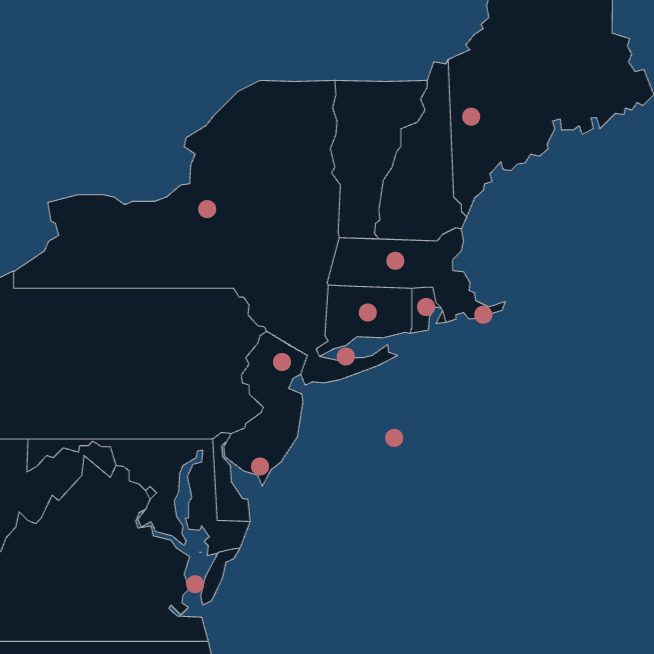

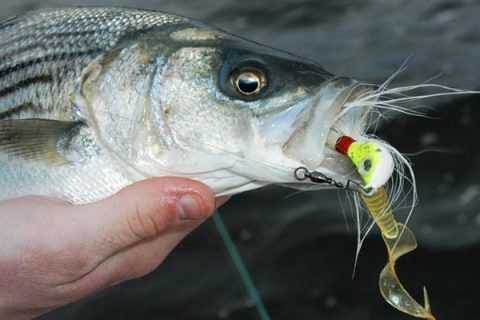
A baby boom has once again shifted the striper population in favor of the little guys, creating great opportunities for light-tackle anglers.
After a long period of poor recruitment—a term describing the number of spawned fish that survive to join the fishery—through the 1970s and 1980s, boom years in 1993, 1996, and 2001 led to a surge in schoolie striper numbers and a high-quality bass fishery we’ve enjoyed for the past two decades. After a concerning string of average and sub-par spawns in the 2000s, above-average recruitment in 2011 and 2015 led to an increase in the number of juvenile stripers available to anglers.

The Maryland Department of Natural Resources records the annual striped bass juvenile index—a measure of striped bass spawning success in Chesapeake Bay—by sampling 22 sites in four major spawning systems from July through September. Fish samples are collected with two sweeps of a 100-foot beach seine, and the juvenile indices are calculated as the average catch of young-of-year fish per sample.

While big bass are known to cruise the open ocean and haunt deep structure with heavy currents where they can feed on adult bunker, mackerel, and herring, schoolie stripers tend to stay inshore to feed on smaller baitfish and crustaceans.
Harbors
These are loaded with pilings, docks, seawalls, jetties, and other structure that attract baitfish, grass shrimp, and other prey items small stripers like to feed on.


Estuaries
These are nurseries for a wide range of striper prey items including menhaden, silversides, and mummichogs. Lush eelgrass beds and marsh grass are signs of a healthy estuary and good indicators of the presence of baitfish and striped bass.
Rivers
They warm early in the spring as they deliver shallow sun-warmed water from inland areas, so they are often among the first locations to attract migrating striped bass. Rivers that offer deep water also can hold overwintering striped bass.
Catch Them First
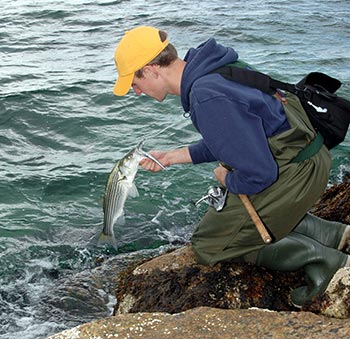
Schoolie stripers lead the charge when migratory stripers return in the springtime. Catching the first “fresh” schoolie, covered in sea lice, is a rite of springtime.
Fishermen scale down their tackle and welcome the small stripers at river mouths, on south-facing beaches, and over back-bay mud flats.
Catch Them Last
The smaller stripers linger the longest in northern waters in the fall, waiting to move south until it’s so cold you can see your breath. Fishermen who aren’t quite ready to end their striper season can work the beaches or bays in November and December for one last sight of stripes before winter sets in.
Catch Them All Year
Not all schoolies finish their journey south. Some cut it short by spending the cold months deep in the backwaters or in freshwater rivers. These “holdover” fish make striper fishing a year-round affair, and help keep cabin fever at bay for striper nuts throughout the Northeast.
Crush The Barbs
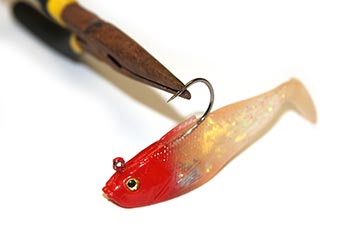
Show the schoolies love by crushing the barbs on your hooks. A barbless hook will do less damage to the fish, ensuring it lives long enough to reach keeper size. Keep the line tight and you won’t reduce your landing percentage.
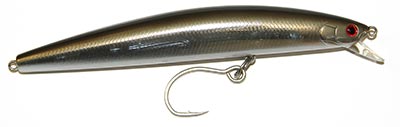
Switch to Singles
Swapping out the stock treble hooks that come on plugs with inline single hooks will have a minimal effect on the number of fish you hook while greatly limiting the damage done. On plugs with multiple hooks, removing the tail hook and leaving only the belly hook is also an option.
Keep ‘Em Wet
When it comes to caring for the future of the striper population, fishermen can learn from trout fishermen who preach “keep ‘em wet” when photographing and releasing their catch. Not only is it better for the fish, it makes for some killer photo ops.
School stripers will regularly swim into shallow backwaters and bays where fishermen can sight-cast to them. Sight-fishing for stripers can be challenging—with errant casts, big movements, and even loud noises sending fish fleeing for deep water—but seeing the fish react to your presentation will give you a new appreciation for how stripers hunt.
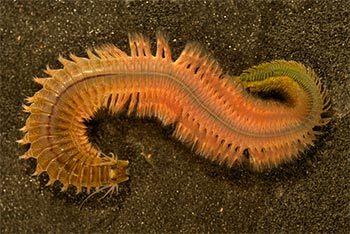
Worm “Hatches”
In the springtime, when warm afternoons bring swarms of cinder worms to the surface to spawn, schoolie stripers congregate in big numbers to sip them off the surface. When they take one of the worms, the schoolies leave small rings on the surface, much like rising trout. Fishermen cast worm-imitating flies and soft-plastic baits to tempt the hungry stripers.
Sand Flats
Packs of schoolies patrol sand flats in big bays on the coast of Cape Cod, Long Island, and Maine. Fishermen can stalk these shallow-water stripers by foot or in shallow-draft boats, casting small jigs or flies that imitate crabs or small baitfish.
Shadow Lines
Around lit bridges and piers, stripers will stalk the shadow lines, picking off baitfish attracted to the lights. Look for the dark backside of a striper to appear almost stationary in the current, its nose right at the edge of the shadow, and drift a soft plastic or minnow plug into the dark water for a violent response.
Any specific areas in the Cape cod regions to target for schooling now?
*schoolies
Only holdover fish on the Cape right now – look to tidal creeks/estuaries that reach all the way up into fresh/brackish waters and you might find some.
I would check the north shore around Scorton Creek to Gray’s Beach area. Some of those places have stripers that stay all winter long.
Ryan at mfcc,has caught and released a few holdover strippers for the month of march.Check out the website at mfcc .com.Seek and ye shall find.Night time is the right time.
Thanks to the author for including details about safe release. This is an often glossed over subject that will be critical to getting the fishery back to what it was.