

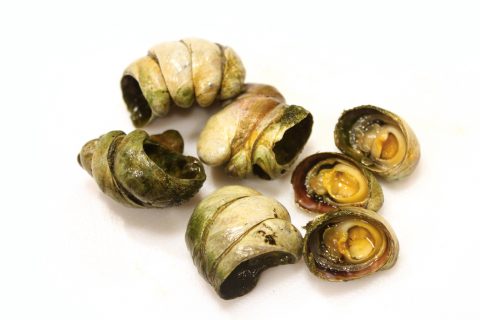
I’ve had the chance to dine on just about every edible sea creature our local waters provide. Some I didn’t try a second time—the oyster toadfish, the pin-bone-laden conger eel, and the skate I filleted incorectly all come to mind. But along the way, I’ve managed to find a few hidden gems. What follows is a collection of recipes featuring obscure local seafood that you should try in 2024.
Sweet Meats
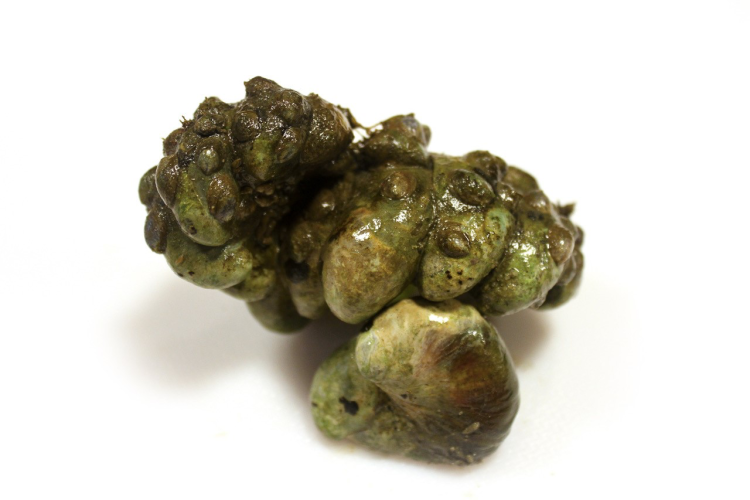
I’m sure you’ve seen them. Slipper shells are common throughout the Northeast on almost every rocky shoreline and in every back bay. Most people know what they are, but few, it seems, have dared to eat them.
About ten years ago, I was enlightened to the slipper shell’s culinary value. It was a pleasant summer day, and I was heading into one of the local salt ponds to pick a peck of quahogs. As I entered the water, I was greeted by an old clammer on his way out, toting his day’s catch. I peered into his basket, as I always do, and much to my surprise, it was not loaded with clams. Instead, it was filled to the top with big clumps of slipper shells.
I couldn’t resist asking. “What do you do with those things?”
He was an old Portuguese man with a very thick accent. “Shveet meads! Chowdha!”
The chowder part I could comprehend, but the “shveet meads” left me scratching my head. The old man smiled, gave me an exuberant thumbs up, and went on his way. Perhaps he was speaking Portuguese, or maybe he was just plain crazy? “Shveet meads?” What the heck?
A few weeks later, I ran into the local shellfish constable, Chuck Martinsen. He is one of the saltiest people I know and is a true authority on all things clammy. “Hey, Chuck, you ever eat slipper shells?” I asked.
Chuck paused, looked back at me, and said, “They are one of the best-tasting things you can find around here. They make a killer chowder, though it’s a lot of work picking the meat out. We call ‘em sweet meats.”
Slipper Shell Prep
Sweet meats, as it turns out, are indeed a lot of work to prepare. I came home with about two quarts of them. It took me about 20 minutes to pry them apart and scrub them. I then steamed them for about four minutes and proceeded to spend the next half hour prying the meats out of the shells with the tip of a clam knife. When all was said and done, I was left with a little more than a cup of sweet meats.
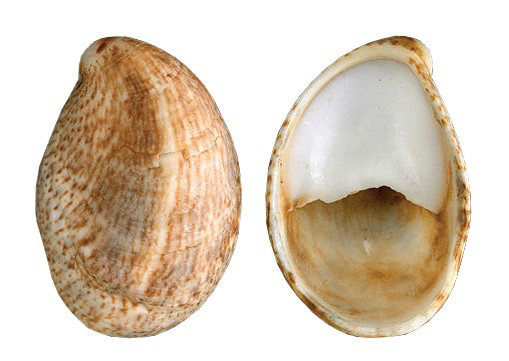
My first test was to eat them straight up, as is. Despite their rather unpleasant appearance, they were indeed quite sweet, delicate, and tasty. The meat from the foot is the best. It is sweet, like a steamer, but even more so, yet it’s more tender than a steamer. The meat from the tail section is far more tender, less sweet, and has more of a briny flavor. All in all, the closest thing I can compare it to is a mussel, but the slipper shell meat is a bit chewier and sweeter.
Next, I tried prying them out of their shells with a toothpick and dipping them into melted butter. Mmm…
There is little information online about eating these little gastropods. I did find a handful of articles where people mentioned dining on them, but, surprisingly, my searching unearthed only a single recipe. Not surprisingly, the recipe came from my predecessor, Dave “Pops” Masch, a man well versed in eating oddities from the sea. In an interview with NPR, Dave recounted his prior dealings consuming slipper shells.
I must say, the meat is indeed sweet, similar in flavor to a steamer clam, but even sweeter and more tender. Though I have yet to make a sweet-meat chowder, I often add then into a cioppino. I have grown quite fond of the following recipe, which you should try.

Recipe: Sweet Meat Treats
This is a simple recipe for a quick appetizer I whipped up based on clam pizza (something else you need to try).
- Fresh bread, sliced, cut into bite-sized pieces
- 2/3 cup sweet meats, chopped
- 2/3 cup grated Parmesan cheese
- Dried oregano
- Dried basil
- Olive oil
- Balsamic vinegar
Arrange the bread on a baking sheet. Top each piece with a spoonful of chopped sweet meats. Sprinkle on a bit of dried oregano and basil, then a spoonful of Parmesan cheese. Drizzle with olive oil. Bake at 375 degrees for about 10 minutes, until they just start to brown on top. Arrange on a platter. Drizzle with a bit of olive oil and a “smidge” of balsamic vinegar.
In NY, they are sold as “Montauk Escargot” … and yes, they are delicious.