
World Famous Stan Gibbs’ Fishing Lures
Born and raised in Massachusetts, Stan Gibbs was a true Cape Codder and a legend as both a fishermen and a lure maker. At 89 years old, Stan passed away after living a life full of doing what he loved.

Stan was a true outdoorsman; a hunter, a trapper, a master fisherman, a legend. His image as an angler is as close to myth as any image of a person who actually lived can be, among the community of anglers who frequent the Cape Cod Canal nine months out of the year, every year. Maybe this is due to his physical appearance. After all, he was a giant in size. His tall, slender frame and large hands matched the even larger smile that rarely seemed to leave his face. Most people who knew him, including myself, believed him to bear a striking resemblance to Ted Williams. The substance behind the legend of Stan Gibbs, however, is something more than this.

Stan was born in Easton, Massachusetts, but soon moved a short distance down the road to Sagamore, alongside the Cape Cod Canal. Living here, Stan was able to walk out of his workshop—a shed in his backyard—and head down the steep bank to this famous fishing spot. This allowed him to test out whichever lure he was working on at that moment first hand, in whichever condition he desired.
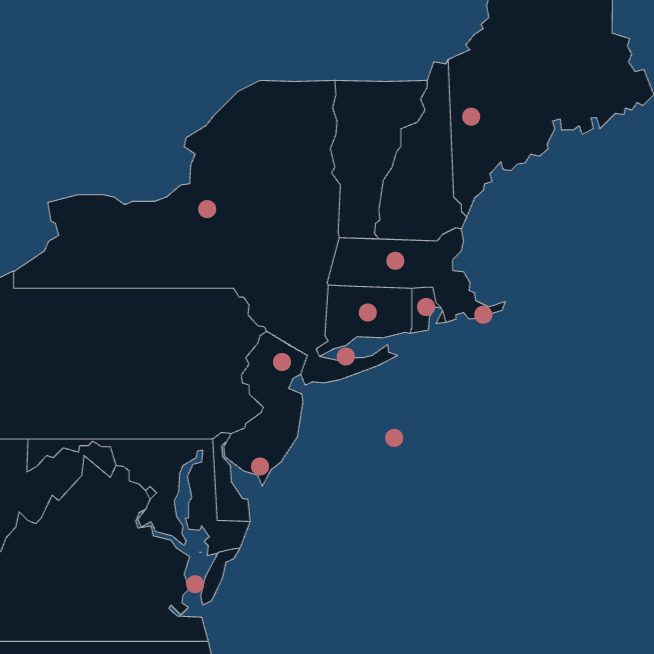
The Cape Cod Canal, opened in 1916, is a man-made waterway that traverses the narrow arm of Cape Cod, connecting the waters of Buzzards Bay and those south of Boston. The canal, or the “Big Ditch,” as the locals call it, was constructed to allow ships to travel straight through Cape Cod, instead of having to go around it, cutting their travel time when steaming from port to port along the northern Atlantic coastline. The canal however, was quickly recognized as one of the prime fishing spots in all of New England. It was along this canal, and across the miles and miles of shoreline and beaches that make up Cape Cod, that Stan Gibbs made his home, and honed his craft as both an angler and a lure maker.


Today’s anglers fish the famous canal by the location of telephone poles and their numbers. For example, one might say, “Pole 257 was the hot location last night.” They may also reference the mainland side, Cape side, or dictate the location of fishing action as being either on the “east or west end.” Fishing on the canal definitely has a community feel, one that was bolstered around Stan Gibbs and the lure designs that he innovated; these same designs that continue to pull fish out of the canal to this day.

Living on the canal gave Stan a definitive advantage in his fishing knowledge, and subsequently, his lure making. Stan began his lure venture in 1946, calling it, of course, “Stan Gibbs Lures.” The first plug that he created was a heavy popper, which allowed the angler a further cast as compared to conventional poppers. This stemmed from canal anglers’ need to get the lure “out there,” where the stripers usually feed in the Canal. The heavy weight of the lure became a key feature in all of Gibbs’ lures. The popper used a simple design thatfeatured reddish brown screw eyes made of ash. Later, he began to add decal eyes to his lures. Stan also experimented with fresh water lures as small as 5/16 of an ounce, and lures as large as 5 1/4 ounces. These larger pencil poppers—or “canal busters”—were designed for the specific conditions of fishing the Cape Cod Canal, but were even used by anglers as far out as California.

The dynamic and successful lures that Stan created made him a revered figure, and a game-changer in the fishing industry. He and his son made many lures that people today still copy, such as the “darter,” the “needlefish,” and the pencil poppers. Stan was well ahead of his time in the design and painting of his lures.

Later in life, Stan drifted from his craft of lure making, and began carving wooden sculptures of birds and fish. Striped bass and bluefish were the most common ones created, though the rare bonito carving was the largest and most breathtaking. Stan made only a limited number of these each year, to which he added his name, the number made, and the date completed. I consider these pieces as true works of art created by a master craftsman, and a hidden treasure for any collector.

Many of the iconic lures that Stan created are still fished today by anglers not just in the canal, but across the country. While the company has been sold a number of times over the years, Stan Gibb’s Lures has currently found its home in Rhode Island, and are still hand made to this day. Though Stan Gibbs has passed, he lives on in every “Stan Gibbs Lure” that is cast out into the Cape Cod Canal, and will continue to for years to come.
More from The Striper Scrapbook
I used to buy lures at Stan’s shed in the early 70’s, mainly seconds at a great price.
He asked me to go fresh water fishing with him and I didn’t go because it was the opening day of school and I was a dedicated teacher. I have regretted that decision ever since
Stan Gibbs made a Polaris Popper that looked like the popper you’ve shown. That was back in the 60’s. That was my favorite lure. It was a killer lure………
He is my great grandfather and I now live with his son. Boom!!!!!!!!
i have a brother stan gibbs,not as famous,would like to buy lures with his name on them
stan gibbs lures caught me more striped bass than any other lure in my box in the 1970’s western LI Sound. Mitchell 306 spinning reel with 12 lb test line on it. The water was terrible in those days and it was hard to get a bass to rise. His blue and white popper with the red front and eyes was a great lure. Made of wood it would get all beat up from the bluefish. Wish I had the chance to meet him like some of those in the comments here. He gave and did a lot to promote the sport fishing industry.
Born in the early 70’s I was a lucky kid to be able to hang out in the plug making shed with Stan’s son John, and my father Ray. John and my father would fish the outer beaches of cape cod as I sat in between them in my dad’s f250 with a Race Point sticker and a Nauset Beach sticker stuck on the window triangular cigarette window. That was a lot of beach to cover back then, which is mostly inaccessible to vehicles today. Glad I had those great surf fishing experiences which gave me the talent to outfish most grown men by the time I was a young teen. John would make custom double loaded needle fish for the Block for my dad’s November excursions which yielded many cows and fishing stories for my ears only. In those days 50 pound fish we more common for the talented hard working surf fishermen, but not all carried the horse shoe. I recall asking my dad how he did at the Block when he returned home for Thanksgiving dinner. He told me he caught (5) 49 pound bass the night before, and got scrubbed off from another fish well over 60. Most guys would say they caught five 50 pounders that night, but not the heavy hitters. They lied about there spots, but not about the fish.