
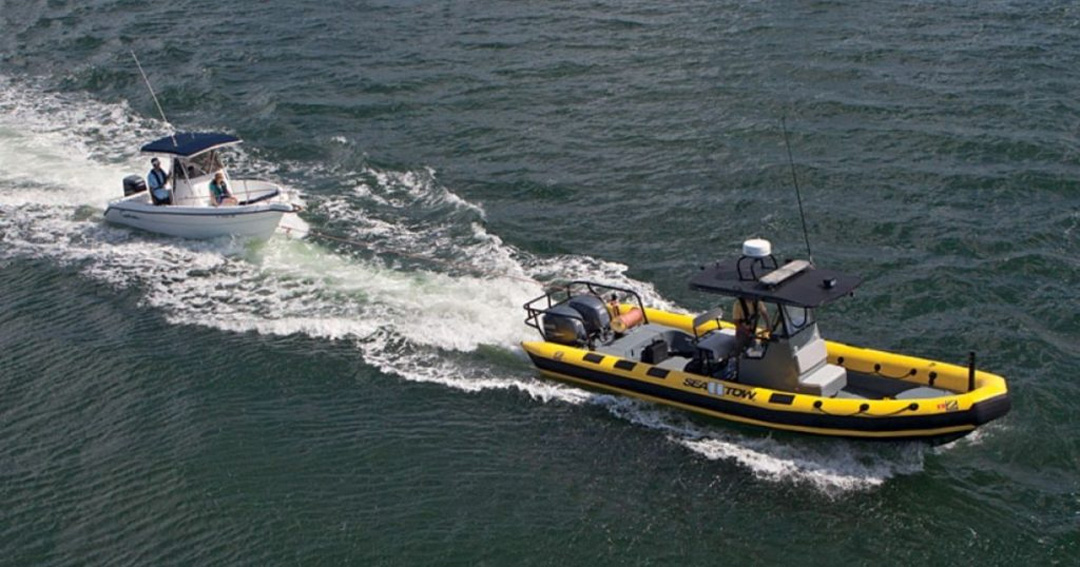
Maybe it’s mid-April, maybe it’s the first week of May. The water’s still cold, but fish are around. You heard a few rumors of stripers showing up in your favorite early-season spots. The boat ramp is active, but not summer-crowded. It feels like you’re getting in early.
And then, your engine won’t start.
Or the electronics don’t turn on. Or the trailer lights aren’t working. Or the boat starts… but sputters after ten minutes.
It happens every spring, and it’s almost always for the same reasons.
Spring boating prep isn’t only about checking boxes; it’s about avoiding the handful of problems that can cost you your first real shot at catching fish and starting your season.
Here are the seven problems that get boat owners every year, and how to make sure they don’t get you.
1. The Dead Battery
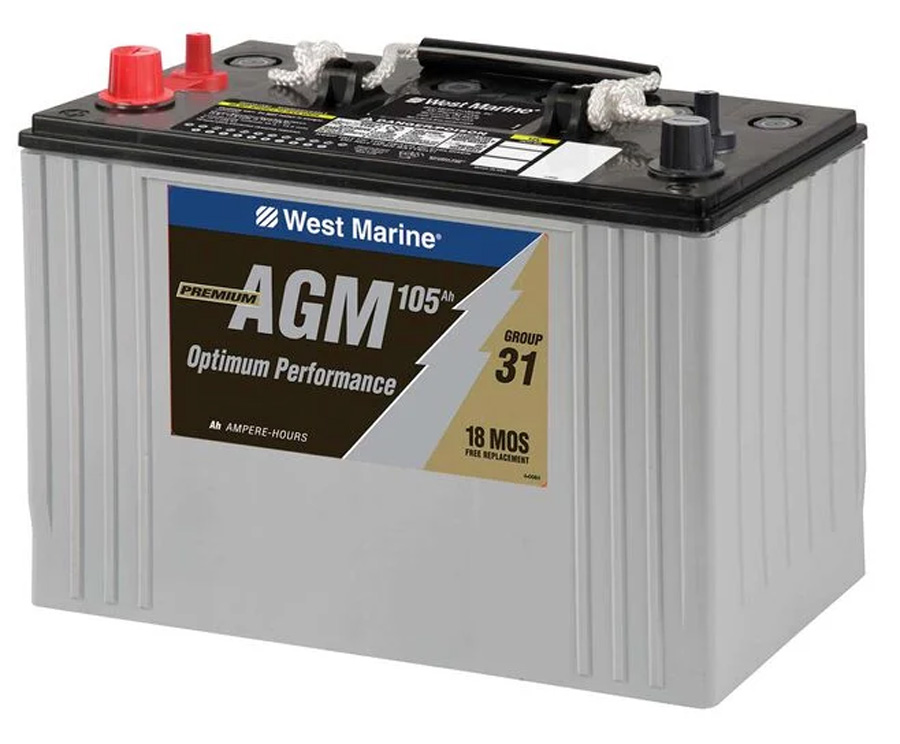
You turn the key. Click.
Batteries that sat all winter, especially if they weren’t properly maintained, are the number one trip-killer in early spring. Even if they “worked fine last fall,” cold weather and inactivity can take their toll.
How to avoid it:
- Charge and test batteries before the season
- Clean terminals and check connections
- If there’s any doubt, replace it.

2. Fuel System Problems
The boat starts. You idle out. Everything seems fine.
Then you bring it up on plane, and it sputters, surges, or dies.
Old fuel, ethanol breakdown, and water in the system can clog filters or disrupt flow after sitting all winter. This is one of the most frustrating early-season failures.
How to avoid it:
- Replace your fuel filter/water separator
- Inspect fuel lines for cracks or softness
- If fuel sat untreated, consider running it down or replacing it

3. The Bilge Pump That Doesn’t Work
You don’t think about your bilge pump until you really need it.
Spring means rain, spray, and sometimes unexpected leaks. If your bilge pump isn’t working, you won’t know until water starts collecting where it shouldn’t.
How to avoid it:
- Manually test the bilge pump before launch
- Check float switch operation
- Inspect wiring and connections
4. Trailer Problems That Stop You Before You Start
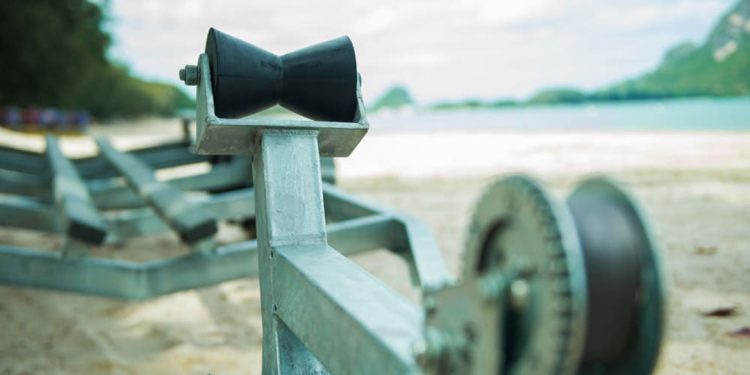
Flat tire. Frozen bearings. No lights.
Trailer issues don’t get as much attention as engines, but they’re just as likely to ruin your first trip, and they’ll do it before the boat even hits the water.
How to avoid it:
- Check tire pressure and condition
- Inspect and grease wheel bearings
- Test lights and wiring
5. Electronics That “Worked Last Fall”
Your chartplotter, VHF, or fishfinder powered down fine in October.
Now it won’t turn on.
Corrosion, loose connections, and battery issues often show up in electronics first, and without them, finding bait or navigating early-season conditions gets a lot harder.
How to avoid it:
- Power everything up before your first trip
- Check wiring and fuse connections
- Update charts/software if needed
6. Expired or Missing Safety Gear
It’s easy to overlook safety equipment in the offseason.
Expired flares, discharged fire extinguishers, and missing PFDs can turn a quick check by the Coast Guard into the end of your day.
How to avoid it:
- Check expiration dates on flares and extinguishers
- Make sure required safety gear is onboard and accessible
- Replace anything questionable

7. The Drain Plug (Yes, Seriously)
Every spring, someone forgets it.
It’s simple. It’s obvious. And it still happens.
How to avoid it:
- Install the drain plug before you leave home
- Or make it part of a launch checklist you follow every time
