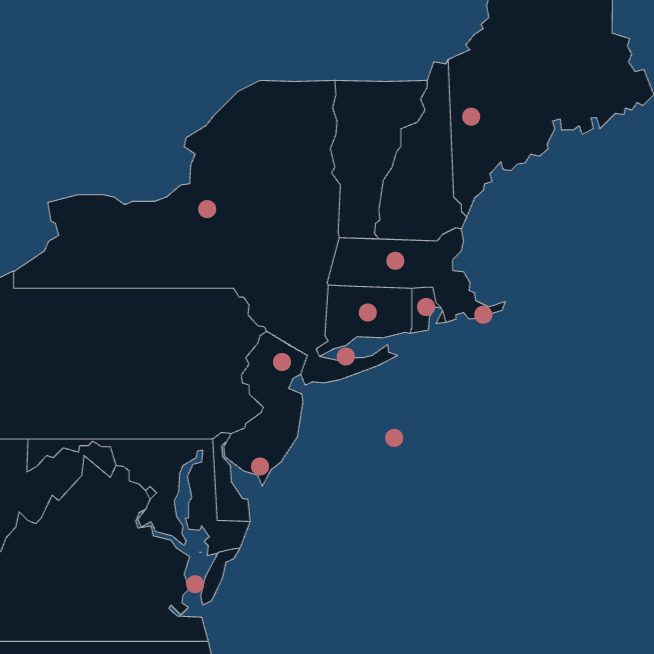


Based on reports from other anglers and my own fishing excursions from last year, the prognosis bodes well for successful angling adventures in both Vermont and New Hampshire during 2026. Ahead of writing this, I reviewed my 2025 angling notes and spoke with a field of experts from both states in order to produce the following forecast.
New Hampshire
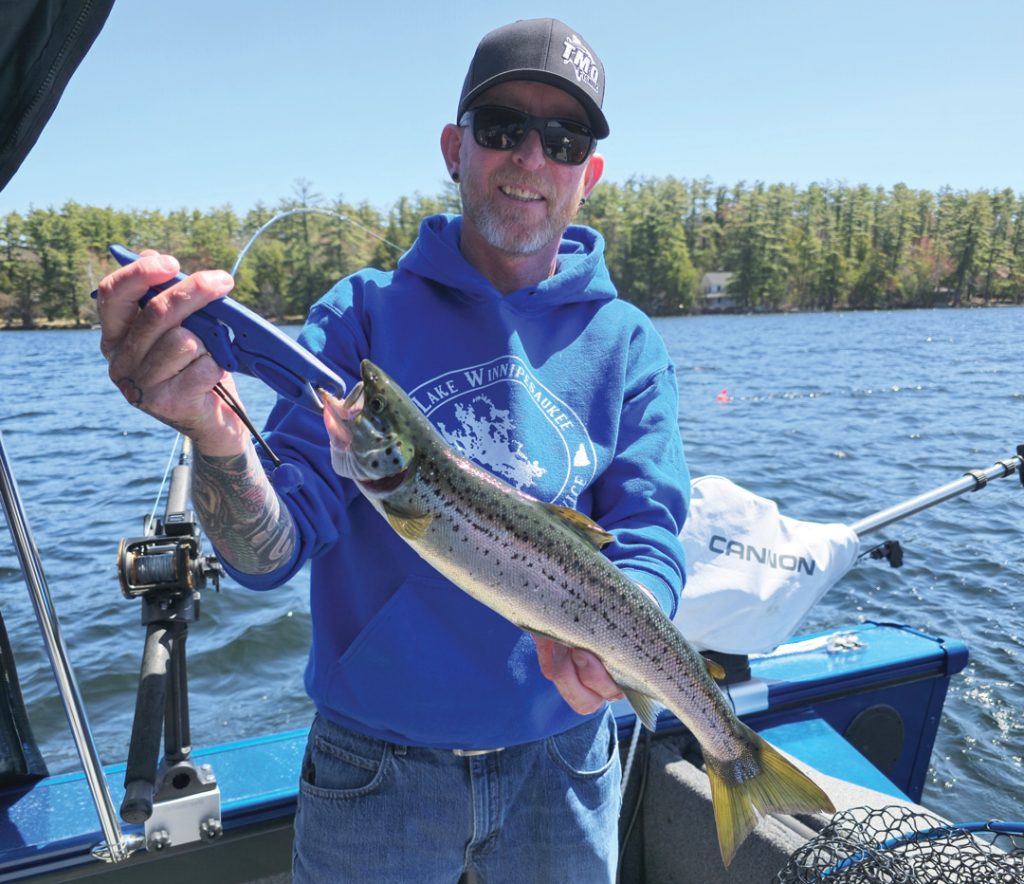
Tim Moore (pictured below) is a skilled multi-species angler and the owner of Tim Moore Outdoors/Lake Winnipesaukee Fishing Guide Service. He has been a licensed fishing guide since 2006, offers year-round trips, and has fished New Hampshire waters for over 40 years.
Jamie Doughty is an accomplished bass tournament angler, president of the NH Last Cast Bass Club, and has been the NH B.A.S.S. Conservation Director for the past 18 years.
Vermont
Shawn Good and Jud Kratzer are well-seasoned state fish biologists with decades of experience managing Vermont’s sport fish species. They are excellent anglers, chasing all that Vermont has to offer throughout the year.
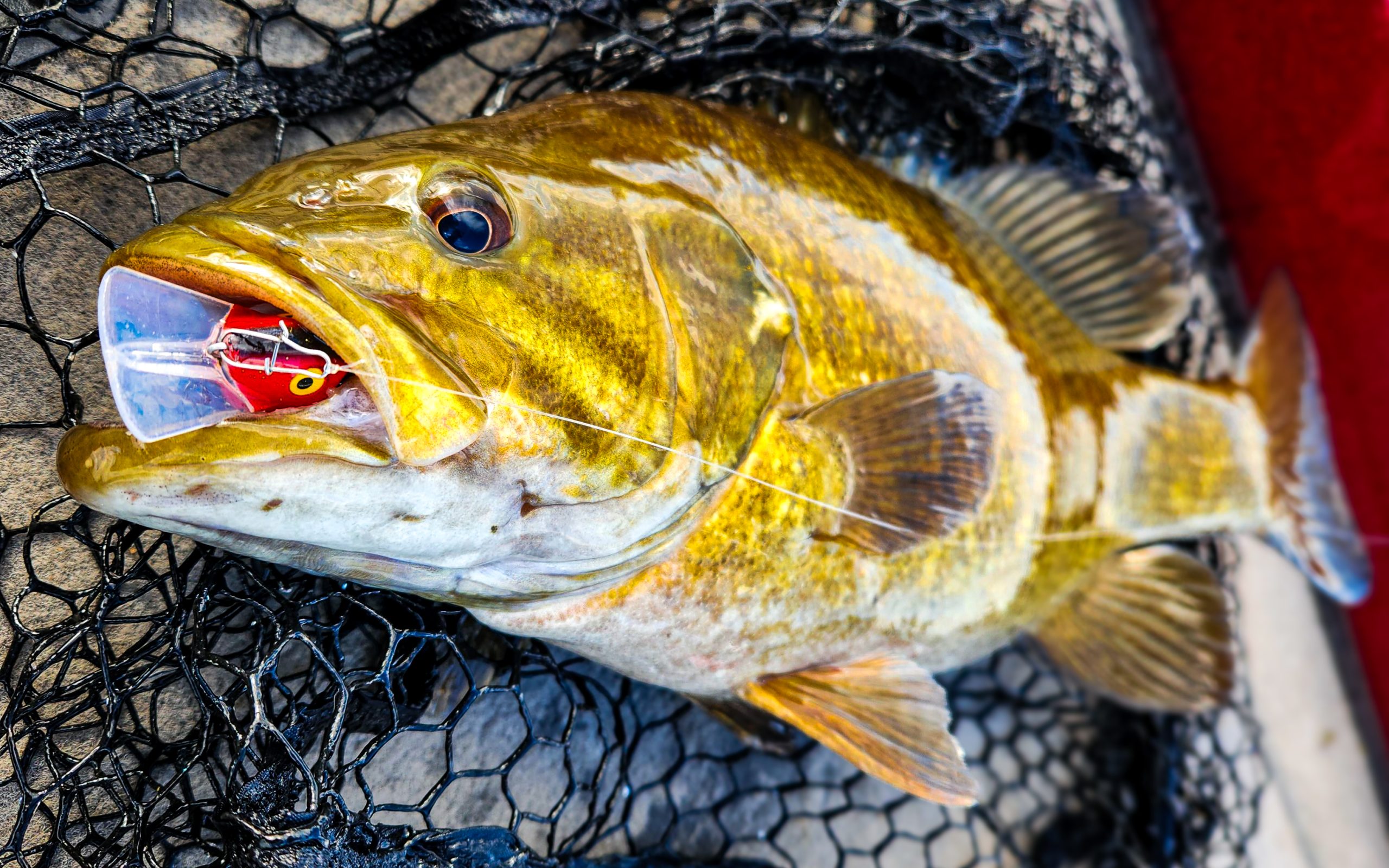
Jimmy Kennedy (pictured below) is a chef, caterer, and well-established bass tournament angler.
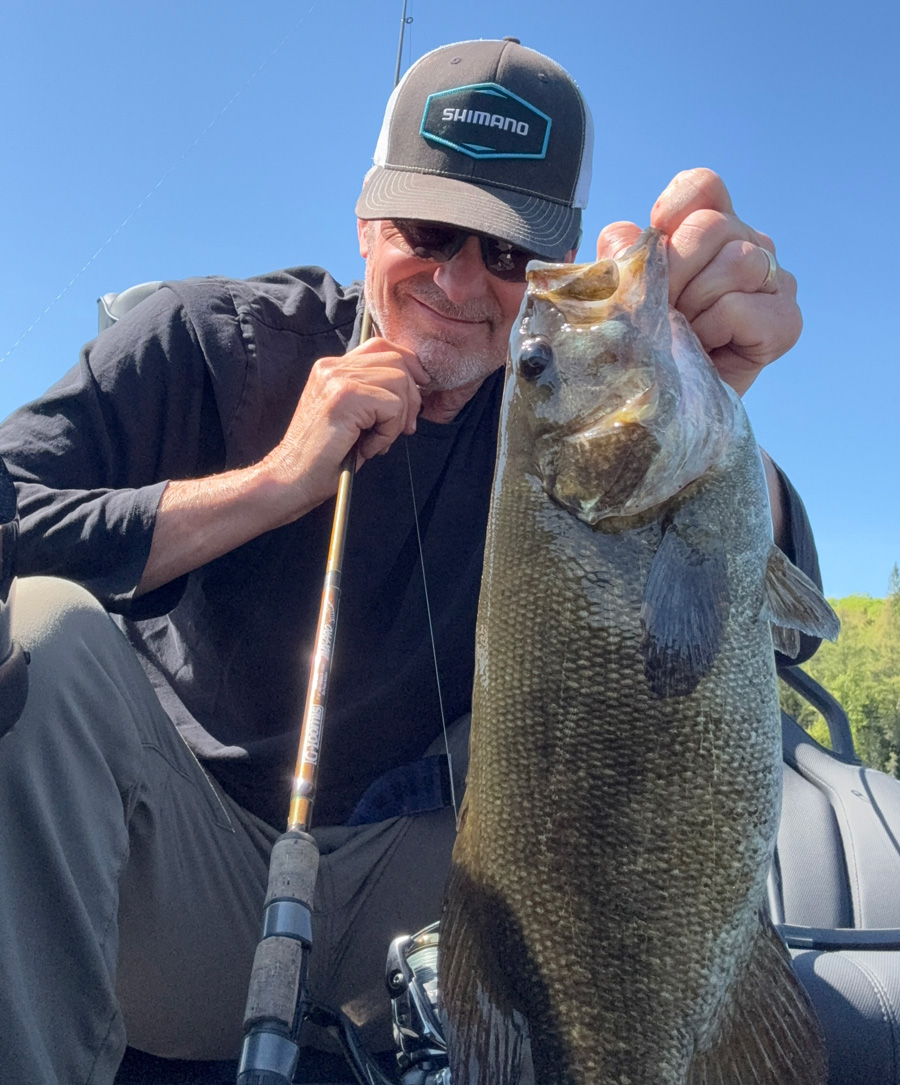
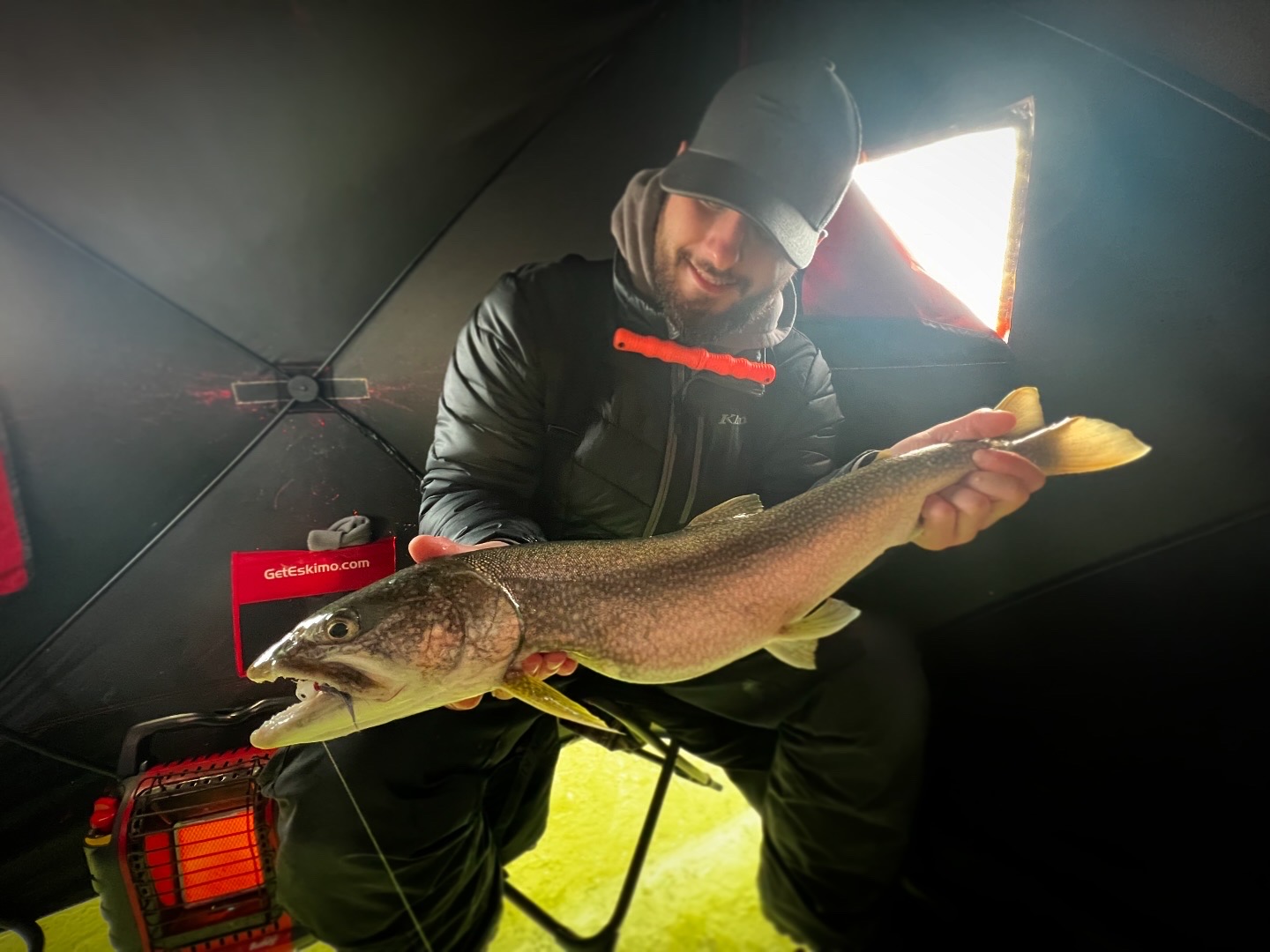
Roy Gangloff (pictured at top of page) has been fishing for a multitude of species over the past 40-plus years and is an active yearly participant in the Vermont Fish and Wildlife Department’s Master Angler Program. Despite living in southeastern Vermont, Roy spends an inordinate amount of time fishing Lake Champlain.
New Hampshire Fishing Forecast
My angling diary from 2025 is filled with notes on successful walleye, panfish, and bass trips. A boat retrofit project limited my time to fish farther than the southwestern New Hampshire area; however, it resulted in a completely new and more efficient fishing experience thanks to Norsk Lithium batteries, a Minn Kota Ultrex trolling motor with a remote and Spot-Lock, Humminbird XPLORE fishfinder, and a Mega Live 2 unit.
Panfish, particularly big black crappie and bluegill, were in abundance in the Connecticut River and many lakes and ponds I fished in 2025. From past experience elsewhere in the state, I know populations throughout the state will be in good shape in 2026 as well. While New England anglers focus on panfish through the ice, and to a lesser degree during the spring spawn, these fish go relatively untouched the rest of the year. You should change that in 2026, as trolling crankbaits and jigs during summer for all panfish species and vertically jigging for black crappie in deep basins in the fall are fun and productive ways to fish.

Small crankbaits such as the Bandit 100, Norman Deep Tiny N, Northland Tackle Rumble Bug 4, and the Bill Lewis Gnat all work well. While I have exclusively used small crappie jigs with plastic trailers in the past when jigging fall crappie, don’t be afraid to give them a different look as I did last fall. A particularly windy day caused frustration; while the fish showed up perfectly on my XPLORE unit with Mega Live 2, I was unable to get the small jigs to the needed depth before the wind blew the bait past them. Luckily, I had two new minnow-type hard baits on board from Berkley that were heavy enough to withstand the wind: the Finisher and the Ripfish. Even though the crappies were keyed in on eating aquatic insects, they didn’t hesitate to crush those two lures. They now have a permanent spot on my boat, and I am going to experiment with them this year for other species such as walleye, bass, and lake trout.
Doughty provided a great list of locations and tips for catching largemouth and smallmouth bass in 2026. “In early spring when every bass angler is anxious to get on the water, I have good luck on rivers and smaller ponds because they heat up faster. I like the Nashua River for both species and do well slowly retrieving square-bill crankbaits and fishing Senkos and spinnerbaits. Highland Lake or Wester down in Franklin are also great early-season spots and I rely on dropshots and spinnerbaits there,” Doughty relayed. Later in spring, he hits Newfound, Winnisquam, and Opechee in the Lakes Region.
During summer and fall, he said, “I love Balch Lake and Crystal Lake in Gilmanton for both species where I use Ned rigs, dropshots, and Carolina rigs for smallmouth and assorted plastics for largemouth. Balch Lake is like two completely different fisheries. The lower section has shallow stumps and lily pads while the upper section has rocky shorelines and deeper water.”
Moore experienced very consistent catch rates for landlocked salmon and some very large rainbow trout (3 to 5 pounds) in Lake Winnipesaukee during 2025. “Most of the salmon we caught were 2- and 3-year-olds that were still in abundance when the season closed, so I am optimistic that 2026 will be a great year for larger fish,” he said.
“Lake trout in Winnipesaukee are generally skinny right now, perhaps due to low harvest rates and large numbers of fish as well as a new aquatic invasive species, the spiny water flea. New Hampshire Fish and Game is proposing rules to increase the bag limit and decrease the size limit of lakers, so I’m hopeful they will have positive impacts down the road,” Moore continued.
Vermont Fishing Forecast
Large and smallmouth bass are on everyone’s mind as Vermont anglers anticipate the 2026 season, especially on Lake Champlain. While Good and Gangloff reported tough fishing conditions on southern Champlain in 2025 due to low water levels and changes in water clarity and vegetation growth, they are hopeful that good snowfall and spring runoff will get water levels back to normal in 2026.
Despite that low water, fishing for Lake Champlain’s black bass species continues to be fantastic. “Even though the lake is receiving more fishing pressure than a decade or so ago, it just gets better and better. The smallmouth fishery is healthy and heavy, while largemouth fishing has been great, with bigger bass caught year after year,” Kennedy stated.
Gangloff also had an excellent year bass fishing. “Just about anything works on Champlain, so fish how you like to and you’ll do well. I love rattlebaits and crankbaits before aquatic vegetation starts to come up, and then I use chatterbaits, swim jigs, and spinnerbaits while mixing in jigs when fish are holding tight to cover,” he said. Gangloff also reported the late pre-spawn topwater bite can be fantastic. When he really needs some fish, he turns to a Z-Man TRD or Finesse TRD on a weedless Z-Man Finesse jig.
Another common theme from the experts was that bass anglers shouldn’t focus only on Champlain. “Bass fishing in inland lakes and small ponds continues to produce a lot of high-quality bass across the state. These smaller waters are often overlooked, though in recent years, they have routinely put out bass in the 5- to 7-pound range,” advised Good. Gangloff suggested Dunmore, Hortonia, and Iroquois lakes as alternatives to Champlain while Kennedy offered up waters such as Bomoseen, where he predicts the next state-record largemouth will come from, and Lake Morey, Lake Fairlee, and Moore Dam Reservoir on the upper Connecticut River. “There are also plenty of small bass ponds in Rutland and Addison Counties that are perfect for kayaks. I love Sunrise Lake (Benson) and Hunt’s Pond (Sudbury). Also, Half Moon State Park offers a great opportunity for a combo camping and fishing trip,” reported Gangloff.
Suggested bass tactics from Kennedy include twitching a minnow if you are using forward-facing sonar or throwing chatterbaits and dragging football jigs with a craw or Ned-type trailer. “I also do well drop-shotting small minnow baits, the new fuzzy-dice baits, or a small wacky-rigged Senko. Lately, I’ve been fishing big swimbaits up to 12 inches that are not only a blast to fish, but also result in some huge bass of both species,” advised Kennedy.
Panfish angling in the Green Mountain State should be top notch in 2026 and recent regulation changes will only help. “It is no longer legal to buy or sell crappies in Vermont and we now have a limit on panfish species outside of Lake Champlain,” stated Kratzer. Good continued, “In theory, the rule changes should make panfish angling better across the state by increasing the size of fish in heavily pressured waters where high numbers of the largest individuals were being harvested and sold commercially in the past.” Kennedy was also a proponent of the regulation changes. Based on 2025, Gangloff predicts a great panfish season in 2026, especially on the Vermont setbacks of the Connecticut River.
Switching to trout, both Good and Gangloff extolled the fine lake trout fishery in Champlain for both numbers and size, while Kratzer said, “Winter angler surveys on the Northeast Kingdom’s significant lake trout lakes show that laker catch rates and average sizes are increasing.”
Kratzer is also optimistic about wild brook trout fishing in 2026. “Through the last few years of drought and flooding, brook trout fishing remains strong in the Kingdom, and I expect that to continue. We have done a lot of strategic wood additions in streams, which has helped stabilize and improve our brook trout populations,” he said. He also reported pond populations are thriving, with sampling from Jobs Pond showing the highest catch rates since 2007 and an abundance of trout in Noyes Pond.
There were plenty of good reports on stocked trout as well. Gangloff said, “Spring trout fishing continues to get better each year due to new regulations, along with good stocking practices and management. For larger fish, I look to waters managed under the Trophy Trout Program. Otter Creek (Danby), East Creek (Rutland), Black River (Cavendish), and Lake Raponda (Wilmington) have all produced big trout for me.”
“Over the last few years, we’ve started stocking larger trout in several Northeast lakes to improve trout survival and provide better fishing. I know from experience that the fishing is good in May and Martins ponds. Other ponds receiving these larger trout include Center, Ewell, Forest, Harvey’s, Joe’s, Kettle, Newark, Osmore, and Zack Woods,” said Kratzer.
Vermont has also been testing out some fall trout-stocking opportunities with trophy-size fish. Good relayed that Knapp ponds 1 and 2, Lake Paran, and Lake Shaftsbury get these fish to provide late-fall fishing that extends into ice-fishing opportunities. “In the fall of 2025, we expanded this to include a Trophy Trout River, the East Creek in Rutland,” said Good.
The walleye fishery in Lake Champlain is exciting times, and according to Good, “Our decades-long efforts to improve the intensive walleye rearing at the Ed Weed Fish Culture Station and fingerling stocking is paying dividends now.” Good had numerous reports last summer from anglers catching walleye while bass fishing south of the Crown Point Bridge, something that has been unheard of for a long time. “Up in the main lake and northern portions, anglers have been doing very well casting stickbaits and trolling diving Rapalas at dusk on traditional walleye structure such as points, reefs, and shoals. Walleye anglers have been happy,” said Good. I echo that statement wholeheartedly after experiencing Champlain’s walleye fishery for the first time last fall. I can’t wait to go back.
Both Vermont biologists had a word of caution about the drastic increase in the use of forward-facing sonar for targeting fish in deep water such as crappies, walleye, lake trout, and lake whitefish. “Anglers should enjoy the technology but use it responsibly. Hauling fish up from deep water can result in barotrauma in species that cannot “burp” [out air] like salmonids can,” said Kratzer. I have seen signs of barotrauma (bulging eyes, inability to return below the surface, stomach protruding from the mouth, etc.) in crappie caught as shallow as 20 feet. If you see these signs in fish caught from depth, harvest them if they are legal. Once you reach your limit or catch what you will eat, move shallow to fish for the same species or another species. Easy to say, harder to do, but wise harvest is more important now than ever.
READ MORE