
Early Winter Striped Bass
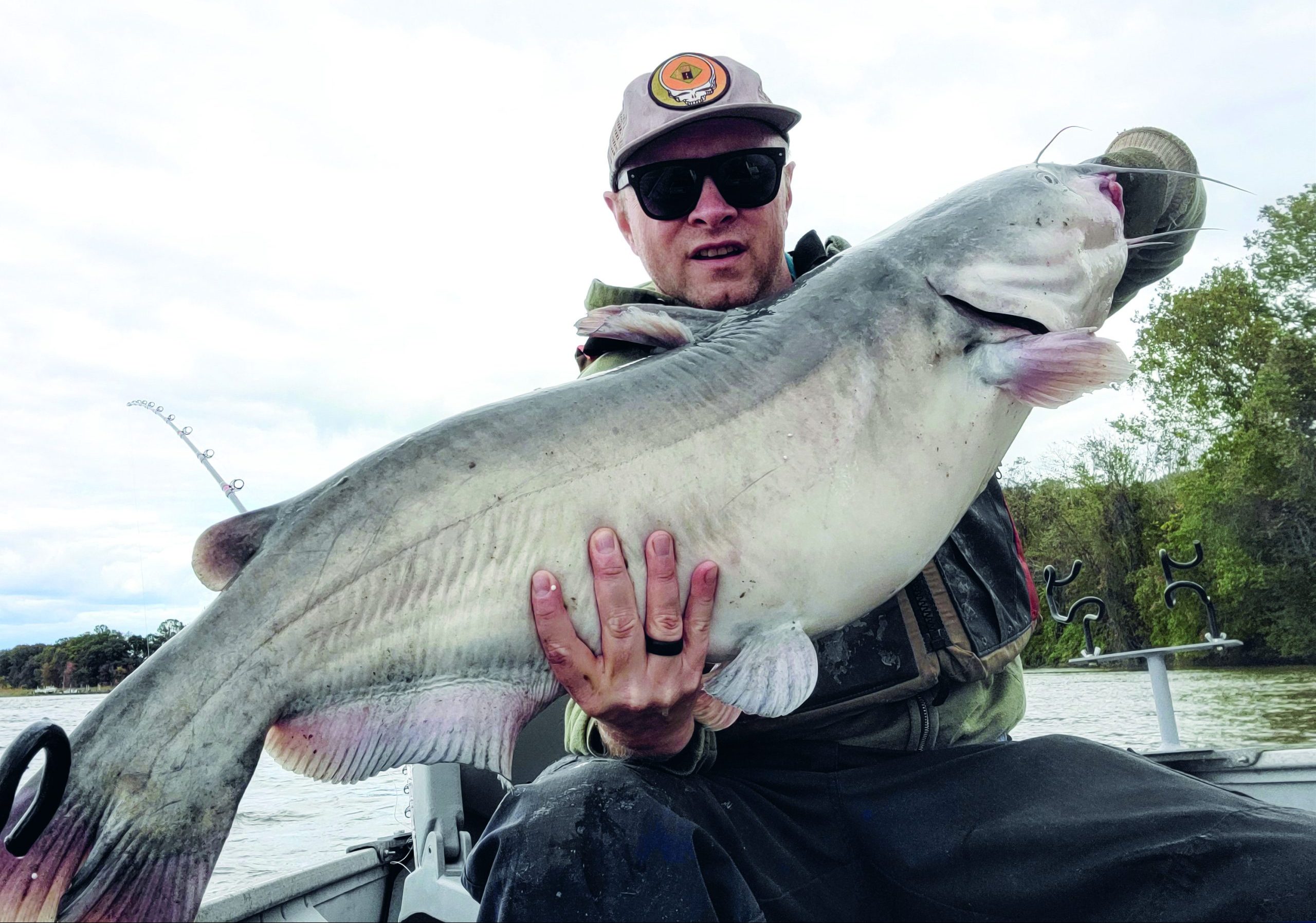
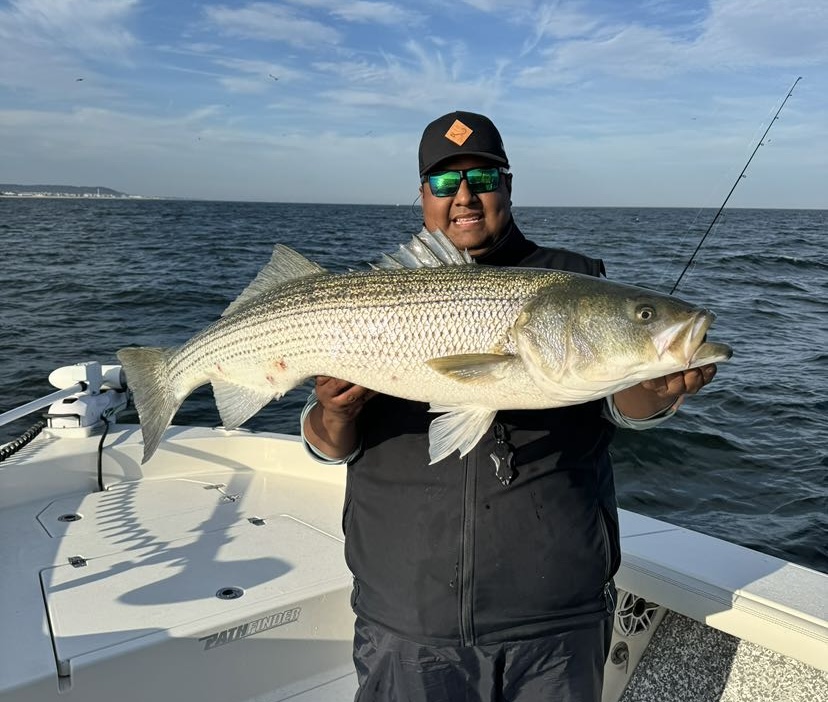
Everyone in the Chesapeake region eagerly awaits the return of migratory striped bass in late fall. For most anglers, their return brings some of the best opportunities to catch a trophy. Over the past two years, we have seen a resurgence of migratory fish appearing in the middle to upper parts of the Chesapeake Bay, extending our fishing season and heightening excitement.
Best Time to Fish
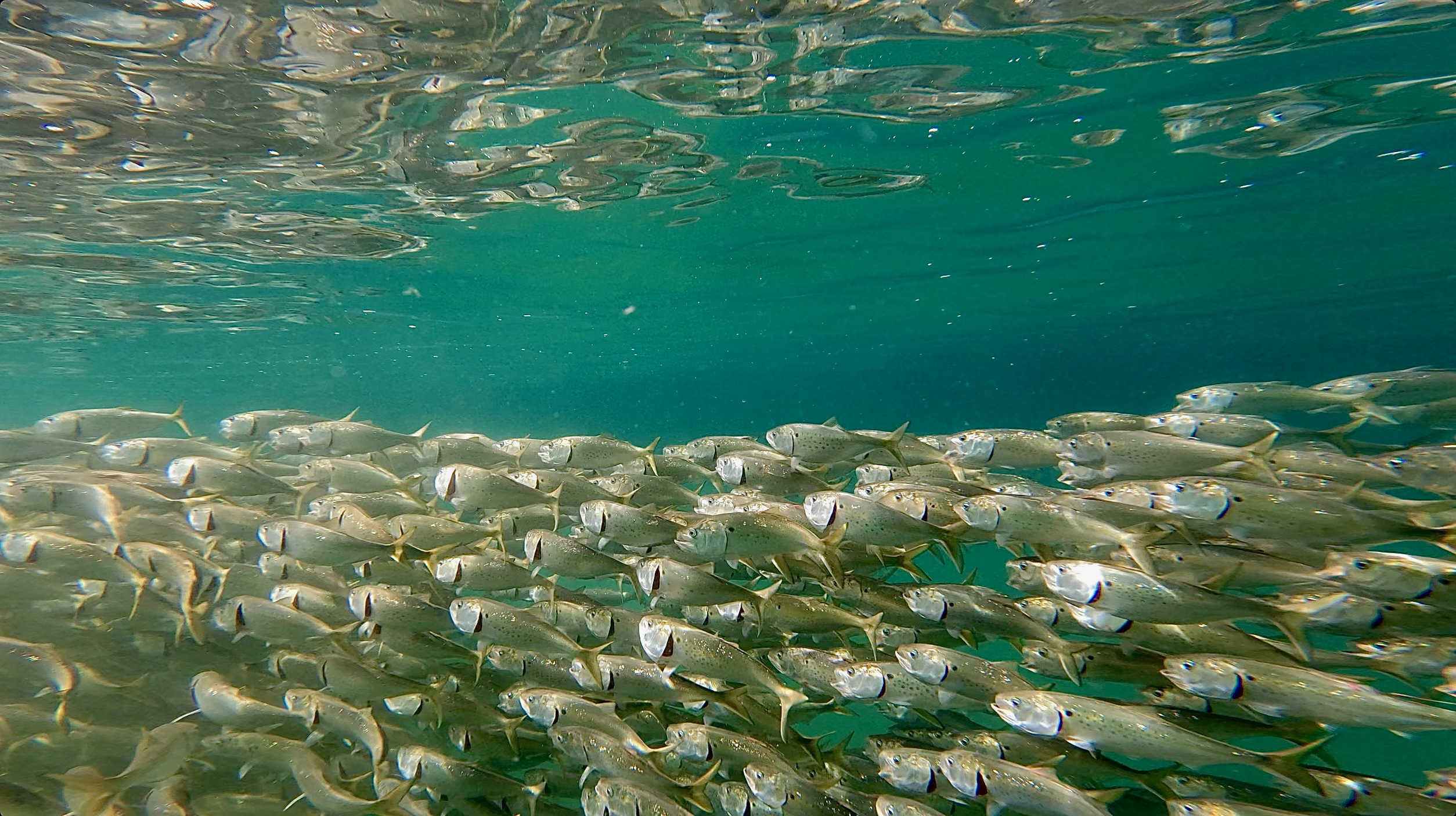
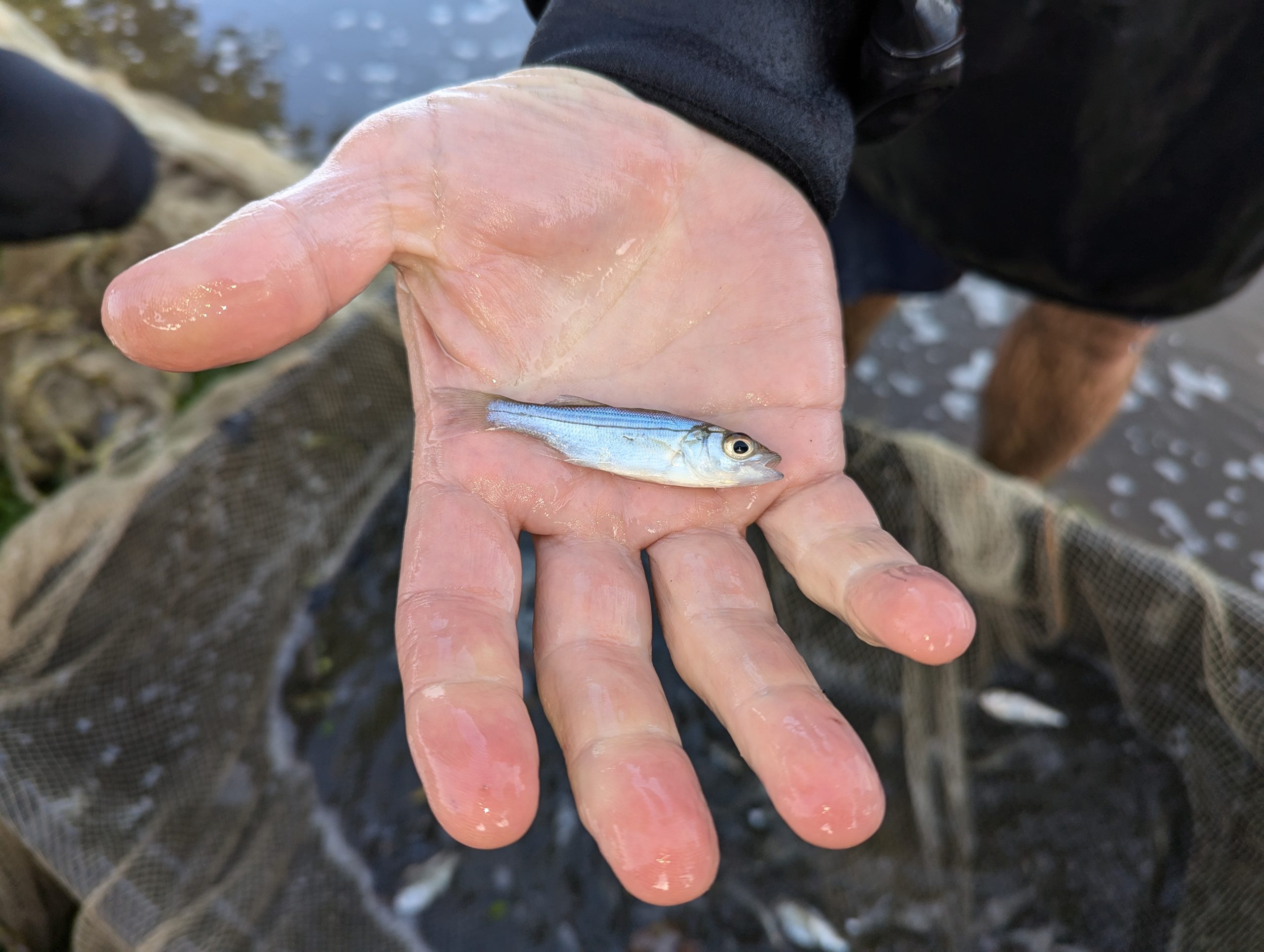
Late November to December has become the prime time to target striped bass in the region. One reason could be the abundance of bait, including peanut bunker, adult bunker, and silversides, that remain in the area for an extended period, beginning in early November. Overall, this makes everyone happy since the quantity and quality of fish are good during this time of year, and their forage is plentiful.
Locations
Once migratory fish enter the Chesapeake, they tend to split into a few pockets throughout the Bay area. Some concentrate in the southern part, from the Chesapeake Bay Bridge Tunnel to just north of Cape Charles, while others move north to the mouth of the Potomac River. Recently, they have been spotted as far north as Chesapeake Beach in the upper middle section of the Bay. The bulk of the fish will hold around channel edges, as this is where most of the baitfish congregate.
Around Cape Charles, one of the most common areas to find big striped bass chasing bait is the Cherrystone Channel and the Latimer Shoals, located just south of Cape Charles, between Kiptopeke State Park and the Chesapeake Bay Bridge Tunnel. Moving north, the mouth of the Rappahannock River serves as an excellent holding area for striped bass, as it has a good amount of bait and can be productive throughout the winter season. The mouth of the Potomac River is another classic area where striped bass can be found in significant numbers, as many of these fish spawn in the Potomac River during the spring run and stage here for most of the winter.
In the past two seasons, we have seen a significant northward movement of migratory striped bass into places that hadn’t experienced a good run in years, from the Patuxent River to just south of Annapolis, around the mouth of Eastern Bay. The abundance of bait in the middle to upper Bay has reached record highs, contributing to the consistent presence of fish in these areas over the past two years. Much of the bait consists of adult bunker and peanut bunker, so the old saying, “find the bait, find the fish,” couldn’t be more accurate during this time of year, as most striped bass are found around or just behind the bait pods. The mouth of the Choptank River to just south of Chesapeake Beach has also become one of the hot spots in the middle to upper Bay.
Time Frame
In early November, most of the fish in our region are still residents that stay in the area and overwinter. Right around Thanksgiving, small amounts of migratory fish start to show up; Cape Charles is the southernmost point that tends to receive the first wave of striped bass. Then, a week or so later, some of the fish will stage on the north side of Cape Charles and begin to move further north. By the first week of December, a significant number of fish will have arrived in the Rappahannock and Potomac River areas, where they will stage for weeks to come.
For the past couple of years, around the second week of December, some big striped bass have shown up chasing bunker schools between Cove Point and Breezy Point. This bite usually lasts from the second week of December to the end of February. However, a couple of variables can shorten the season, such as sub-freezing temperatures and the number and intensity of winter storms. When water temperatures drop below 40 degrees, striped bass activity will slow down. They will not feed as aggressively, and when they do, it’s a short bite window, which makes it difficult to catch them.
Tackle and Lures
Fishing during the winter is quite different than most of the year. We switch from using light, ¼- to 3/4-ounce lures to 1- to 3-ounce lures, so having the right gear for each technique—especially deep jigging—is crucial to landing those bigger migratory fish.
When it comes to reels, we step up in size since we require more cranking power and will be using heavier line. A compact 4000- to 5000-size spinning reel is recommended, but keep in mind that not every manufacturer uses the same sizing. Therefore, ensure you don’t get an unnecessarily large reel. If you’re using a baitcaster, a 200- to 300-size reel works perfectly. The recommended line strength for either of these reels is 20- to 30-pound test braid, paired with a 20- to 30-pound test fluorocarbon leader.
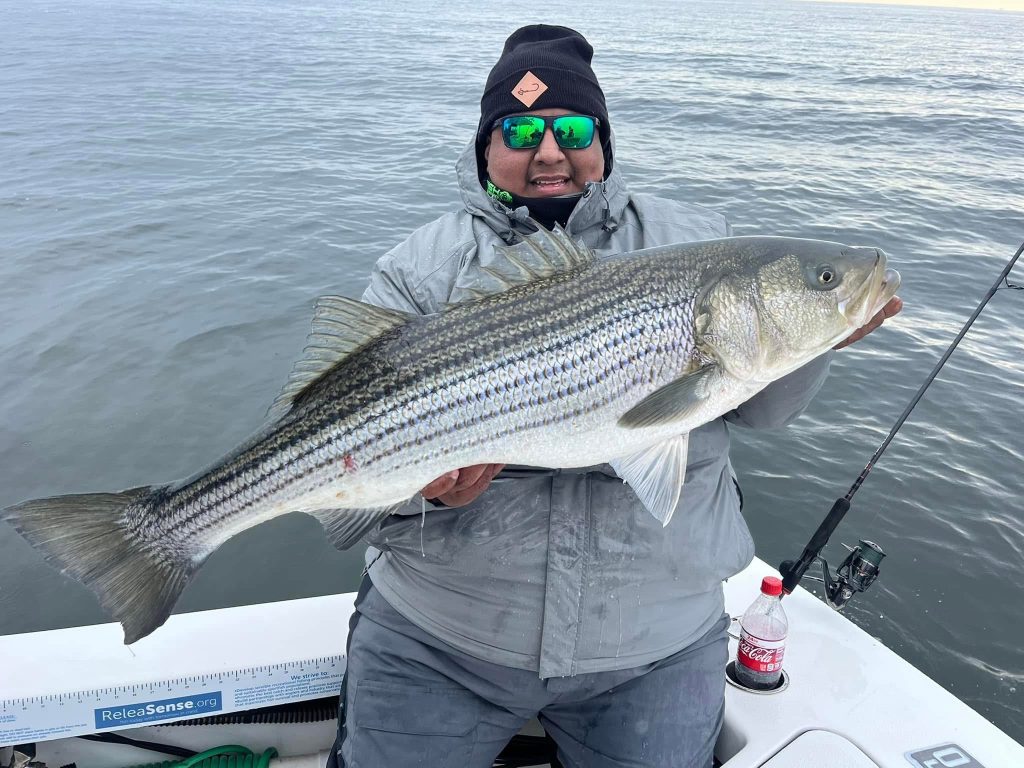
Choosing a rod is crucial; aim for a 7-foot medium-heavy power rod with a fast or extra-fast taper. A sensitive blank is essential when jigging metals or plastics. This time of year, you’ll want to use a rod rated for 1- to 4-ounce lures, so it can handle the larger, heavier baits used to reach big bass in deep water.
Flutter spoons have been popular options for suspended fish in recent years, with 7- to 9-inch spoons preferred for their size relative to bunker. Large, 6- to 8-inch soft-plastic paddletails, paired with 1- to 2-ounce jigheads, work well for both jigging and casting into schools of bunker. Straight-tail plastics of the same size are also must-haves, as they generate less resistance and swim or sink quickly through the water column. Last but not least, always keep a few topwater plugs in your tackle tray; it’s not uncommon to find striped bass feeding on the surface, even during the winter months.
READ MORE