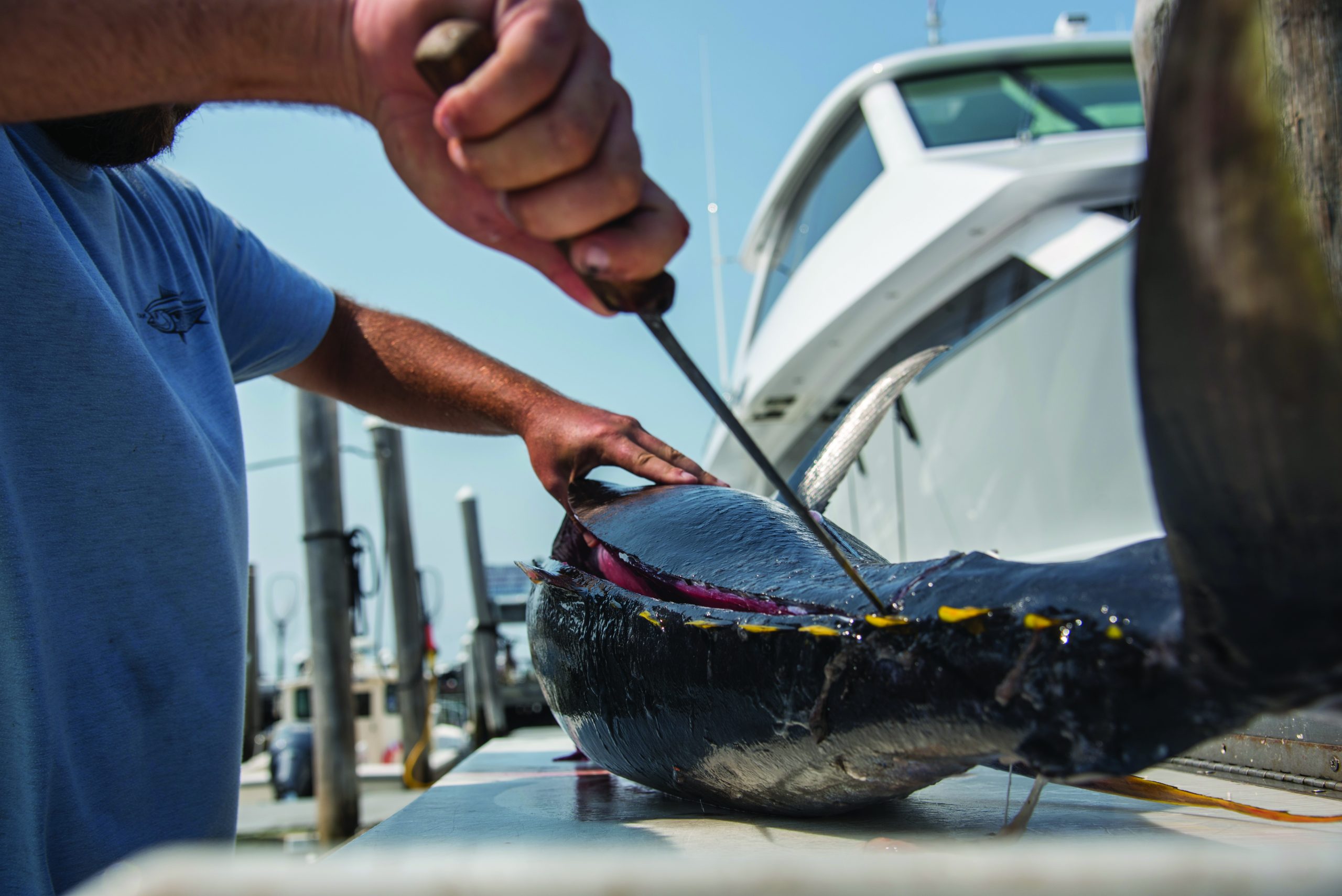

Aside from wind knots and tangled rigs, few things in fishing are as frustrating as filleting with a neglected knife.
We’ve all been there. Your crew returns to the dock after a bountiful bottom fishing trip, and it’s your turn to fillet the catch of the day while the others scrub the deck and rinse the gear. With a fish box full of fluke, sea bass and scup, you’ve got your work cut out for you. Spirits are high until your buddy passes off the fillet knife that permanently resides on his boat. It is unsheathed, revealing patches of dry blood and rust. The blade looks like it has been through battle. Still, you persist with the task at hand only to wind up with a mound of tattered fillets and a gnarly gash on your knuckle—a mess that could have been avoided had the knife been cleaned and cared for.
A sharp fillet knife is much safer than a dull one and if properly maintained, it should cut through fish like a hot knife through butter. To reduce the likelihood of an accident and ensure a smooth, clean cut on every keeper in the cooler, follow these simple steps to keep your fillet knife as good as new.
1. Clean it by Hand
After each use, clean your knife of all blood, slime, and scales by hand. This will minimize residue buildup, which can lead to cross-contamination and dull the blade over time. Do not put your fillet knife in the dishwasher. Prolonged exposure to hot water and harsh dish detergents can create corrosion, even on stainless blades, and the water jets may knock the blade around and dull or nick the edge.
2. Dry It Off
A dry knife is a rust-free knife, which is sharper and sturdier than a knife left in a damp boat or backpack.
3. Hone, then Sharpen
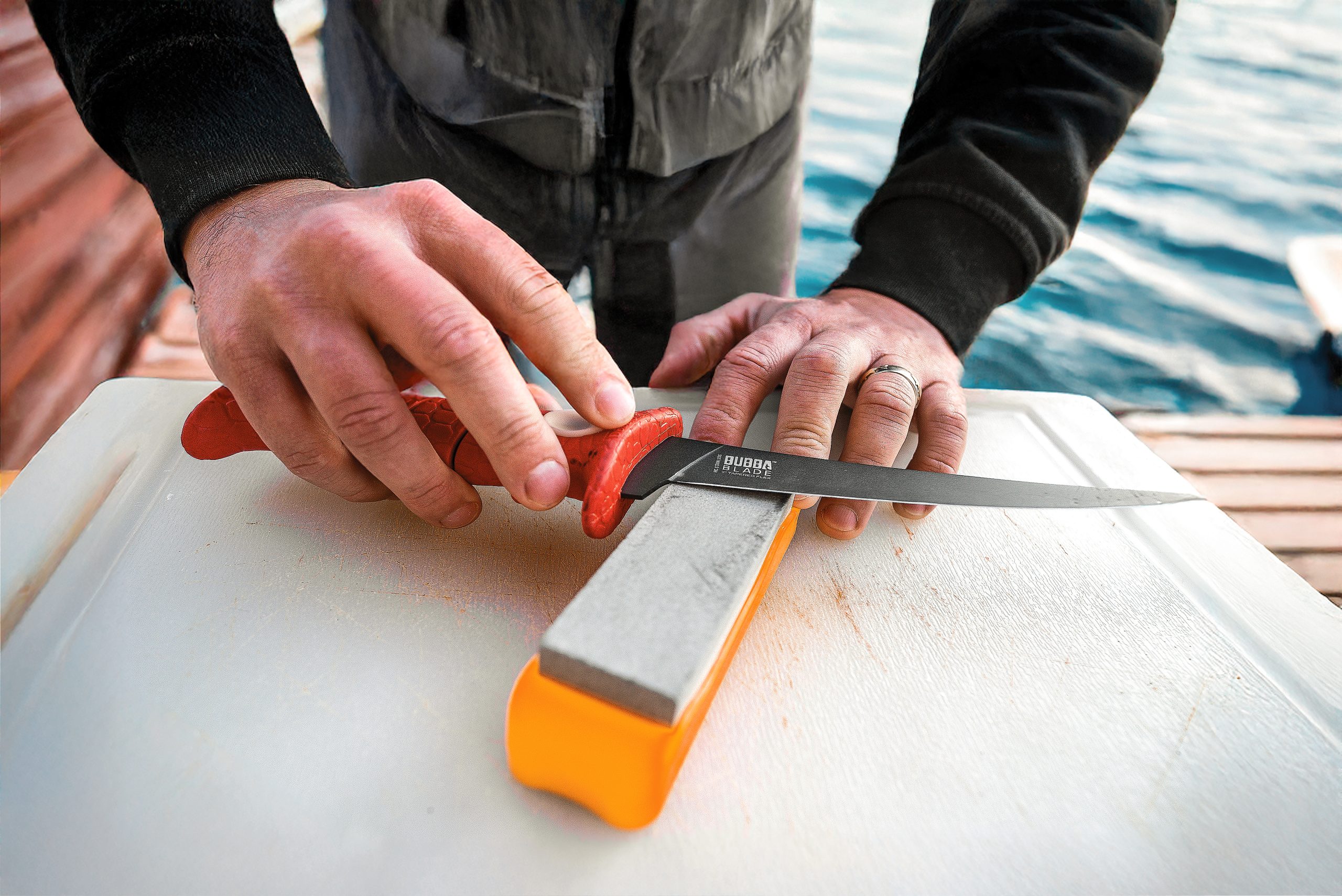
After every few uses, hone the blade with a ceramic sharpening rod, which realigns the edge without removing metal. However, when the knife feels like it’s dragging through the fish, it’s time to sharpen the blade, which removes metal to create a new edge. Regular honing with occasional sharpening will better maintain a knife.
The sharper the knife, the cleaner the cut and the more meat you retain on each fillet. A sharp blade cuts with precision, requires less force and, in turn, reduces the likelihood of injury.
4. Oil the Blade
Apply a thin layer of vegetable oil to the blade to shield it from moisture, which prevents corrosion and rusting when your knife is in long-term storage during the off-season.
5. Keep It Sheathed
Almost every knife comes with a sheath, making it safer to carry and stow away in the kitchen or on the boat. It also keeps the blade from contacting other hard tools or objects, which can chip or dull the blade over time.
READ MORE