If there’s one bait that defines serious bass fishermen, it’s the skirted jig. From flipping and pitching into thick cover to dragging across rocky structure, the jig flat-out catches fish. Not just any fish, but the biggest ones in the lake. While most anglers know enough to tie on a jig and hop it a few times, few truly master how to retrieve it. The difference between a decent day and a legendary day of jig fishing often comes down to the subtle details of how you work that bait.
Over the years, I’ve come to realize that fine-tuning your jig retrieve is about more than cadence—it’s about understanding what the fish want, what your jig is doing underwater, and how to make it act like a living, breathing meal. Let’s break down how to turn your jig game from average to elite.
Know What You’re Imitating
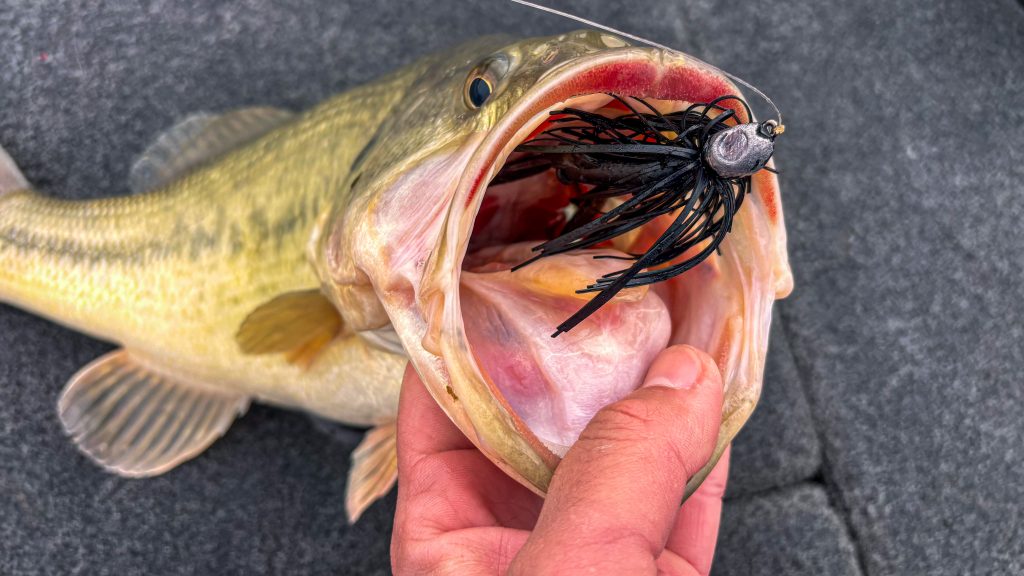
Before you even make a cast, know what your jig represents. Most of the time, a skirted jig mimics crawfish or bluegill, both of which move differently. A crawfish scoots and pauses along the bottom, while a bluegill or shad might swim or glide.
If the lake is full of crawfish, work your jig like one. Let it hit bottom, then make short hops or subtle drags, keeping constant bottom contact. Craws don’t sprint across the lake, they scoot, stop, and flick their tails defensively. If bluegill or perch are the main forage, you’ll want a smoother retrieve with steady swimming action and fewer pauses.
Matching your retrieve to the forage is the first step in fine-tuning your presentation.
Experiment with Fall Rate and Skirt Flair
A lot of anglers overlook the impact of fall rate on a jig’s action and effectiveness. The speed that your jig falls through the water column can completely change how fish react to it. Heavier jigs with compact trailers fall fast and trigger reaction strikes from aggressive fish, especially in colder or dirtier water. Lighter jigs with bulky trailers fall slowly, giving bass more time to inspect, which is perfect for clear water or pressured fish.
You can also trim the skirt and trailer to adjust your jig’s sink rate. When I want a quicker drop, I’ll cut a little off the skirt and downsize the trailer. But if I’m fishing pressured water or want a slower, more natural descent, I’ll leave the skirt long and choose a trailer with more flap or bulk.

These minor changes can transform how your jig moves, and how fish perceive and react to it.
The Importance of Line Watching and Feel
Fine-tuning your retrieve isn’t just about how you move the jig, it’s about how you interpret what’s happening on the other end of your line. Many jig bites never feel like bites. Sometimes it’s just your line jumping, going slack when it shouldn’t, or feeling a little “mushy.”
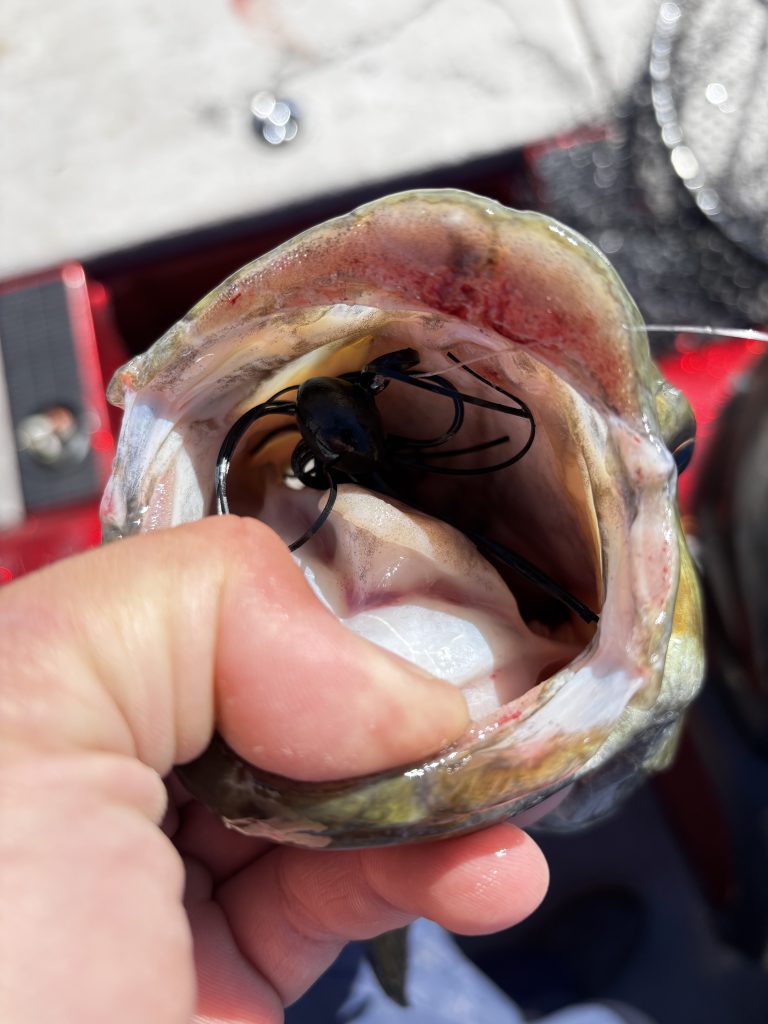
Train yourself to keep constant tension without pulling the bait unnaturally. That means engaging your reel slowly as the jig falls to maintain contact without restricting its natural movement. Most of my jig fish come on the initial drop, so if you’re not paying attention, you’ll miss half your bites before the bait even hits bottom.
Adjusting Retrieve to Conditions
Every situation demands a different jig retrieve. Here’s how I break it down:
Cold Water (Below 50°F): Bass are sluggish. I use a slow drag and deadstick retrieve. Move the jig a few inches, then pause for several seconds. Sometimes, I’ll let it sit still for up to 20 seconds before moving it again. Those subtle shakes while it’s sitting often trigger bites.
Warm Water (60°F and Up): Bass get more aggressive, so I’ll hop or swim the jig. A steady, rhythmic lift-drop-lift-drop cadence mimics a fleeing craw or baitfish.
Post-Front Conditions: When pressure is high, less is more. I opt for subtle movements like short hops, gentle shakes, and long pauses.
Windy or Stained Water: A faster retrieve with stronger jig action helps bass locate the bait.
You’re not changing the bait, you’re adapting the personality of your retrieve to what the fish are feeling that day.
Don’t Be Robotic, Add Life!
Bass are predators that key in on vulnerable movements, so a jig worked too perfectly can look unnatural. Instead of repeating the same cadence every cast, mix it up. Pop it hard once, drag it a few feet, shake it slightly, or let it fall and rest.
One trick I use often is “stroking” the jig. This involves ripping it off the bottom with a hard upward motion and letting it crash back down. It mimics a startled baitfish and triggers aggressive reaction bites. Another trick is subtle rod-tip shaking while the jig sits still, which makes the skirt pulse and flare like a defensive craw.

The key to success is variation with purpose. Don’t just move it randomly, think about what type of forage your jig represents underwater and how that forage behaves.
Pay Attention to What Gets Bit
When you do get a bite, analyze how it happened. Did the fish hit it on the fall, after a pause, during a hop, or while swimming it back? Each clue tells you what kind of retrieve the fish want that day.
If I notice two or three fish biting while the jig’s sitting still, I’ll start letting it rest longer between movements. If the bites are coming right after a sharp hop, I’ll make that aggressive action the focus.
Patterning the bite through retrieve adjustments is what separates an average jig angler from one who consistently loads the boat.
—
A jig retrieve is part science and part instinct. The best jig fishermen aren’t just working a bait, they’re communicating with the fish through every cast. Every shake, hop, and pause tells a story underwater, and the more you pay attention to how bass respond, the sharper your instincts become.
So next time you’re out, don’t just throw your jig and hope. Experiment with fall rate, cadence, pauses, trailer styles, and skirt length. Watch your line like a hawk and let the fish tell you what they want. Once you master that dance, you’ll realize why the jig truly is the king of big bass baits and why every retrieve matters.

READ MORE