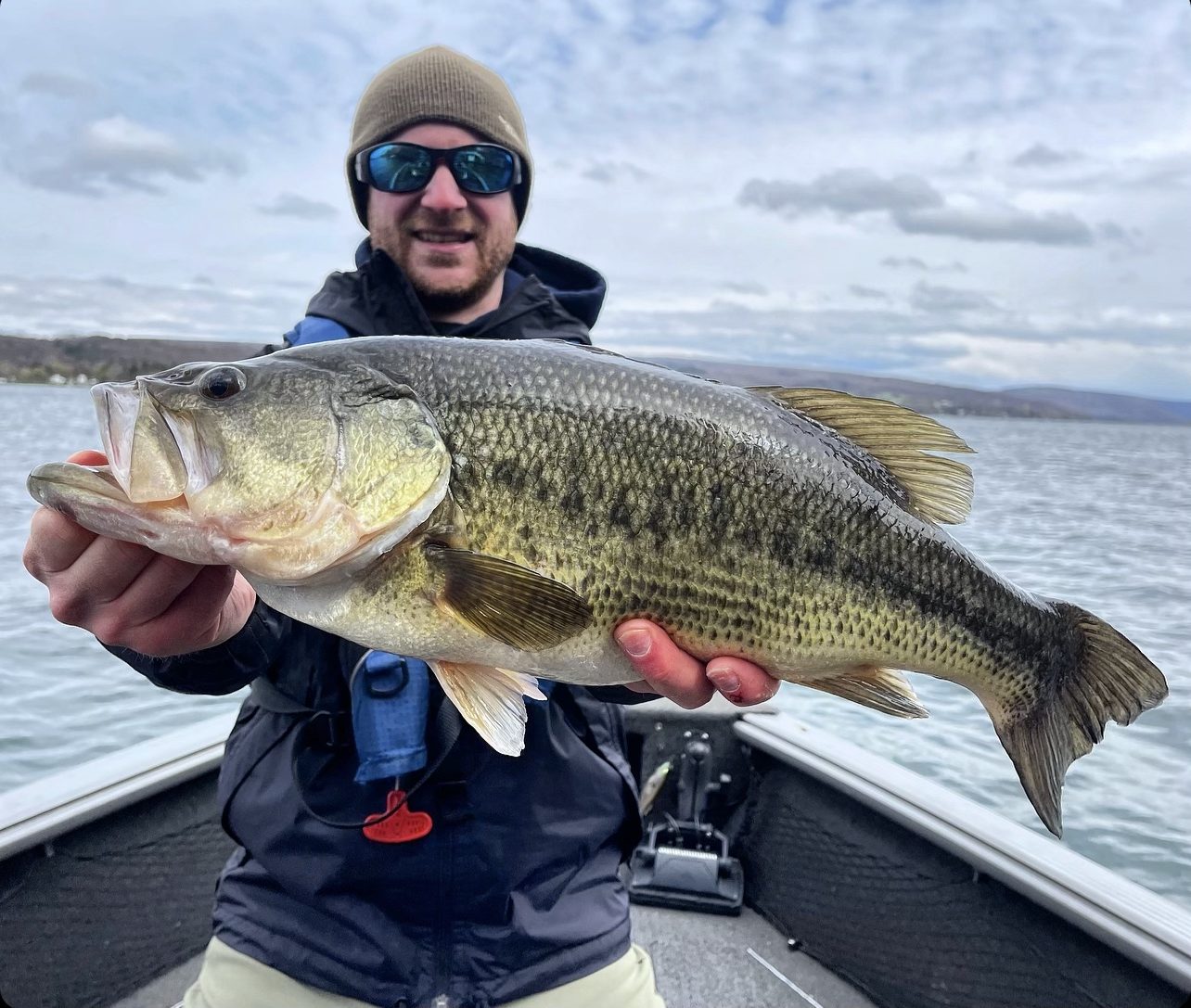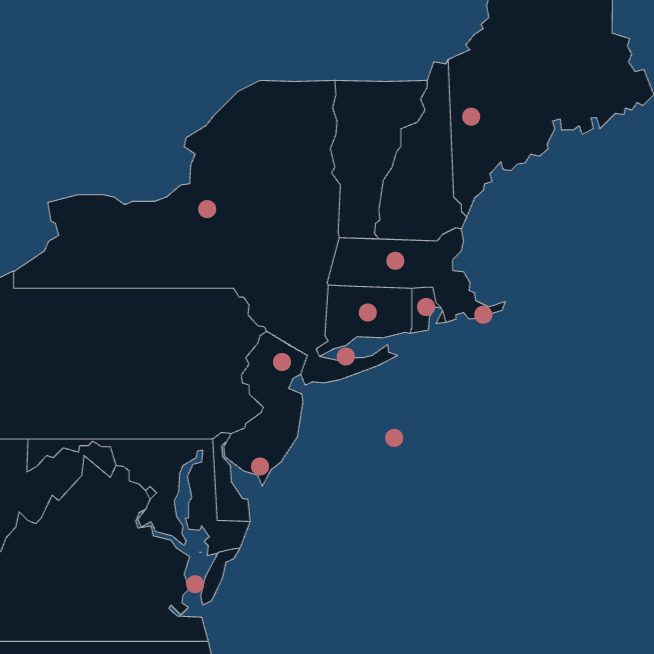

For years, Onondaga Lake sat at the center of one of the worst environmental stories in the Northeast. Mention the name to a fisherman in the 1980s or 90s, and you’d get a shrug, a laugh, or a look of disbelief. The lake was known for chemical pollution, sewage overload, and a reputation so bad that many anglers didn’t even consider it a real fishery. It was a place you drove past on your way to Oneida, Cayuga, or the 1000 Islands. It was certainly not a place where you launched a boat.
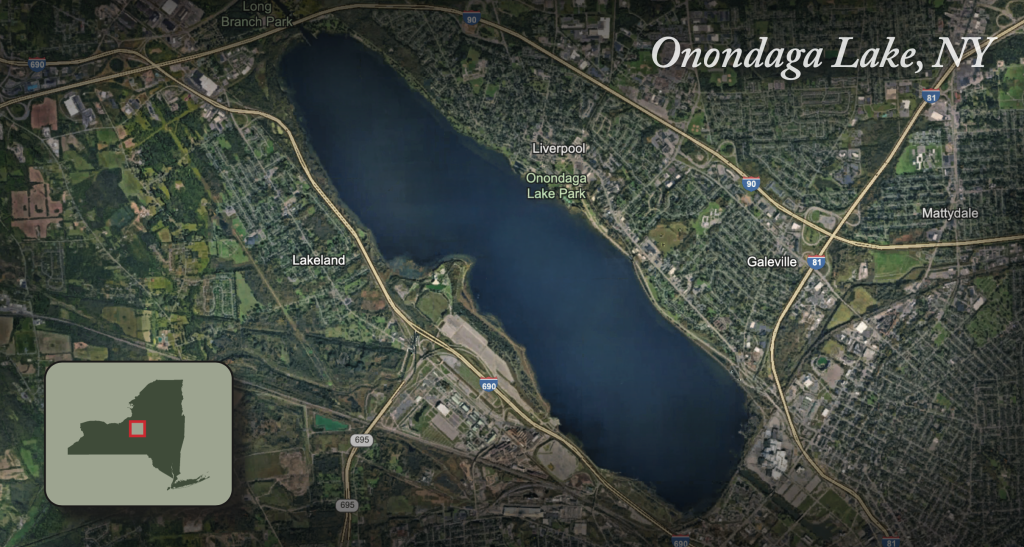
But today? Ask bass anglers from central New York, and they’ll tell you that Onondaga Lake has become one of the best comeback stories in American freshwater fishing. What was once considered a dead zone is now producing quality largemouth and smallmouth bass, consistent tournament weights, and the kind of habitat diversity that gives anglers options no matter the season.
From the perspective of a bass fisherman, the restoration of Onondaga Lake didn’t just clean up a body of water, it created an entirely new fishery. And for those of us who watched it evolve, the transformation is nothing short of remarkable.
A Troubled Past That Few Thought Would Change
To understand how impressive the fishing is today, you’ve got to remember how bad things had become. Beginning in the late 1800s and continuing for the next century, industrial chemicals, mercury, ammonia, and untreated human waste were dumped into the lake. The chemicals made the lake hazardous to swim in or eat fish from, while the untreated waste caused algae blooms that lowered the lake’s oxygen levels. In many areas, there was very little underwater vegetation, very few forage species, and very limited structure to support a healthy predator–prey balance. Fishing was banned on Onondaga from 1970 to 1986, and the lake was declared a federal Superfund site in 1994.
Starting in the late 1990s, and accelerating through the 2000s and 2010s, the cleanup effort began through the New York Department of Environmental Conservation, the Environmental Protection Agency, and Honeywell, the company legally responsible for much of the pollution. Wastewater treatment improvements, shoreline reconstruction, dredging of contaminated bottom, and wetland projects slowly improved the highly polluted lake.
Cleaner Water, Better Fishing
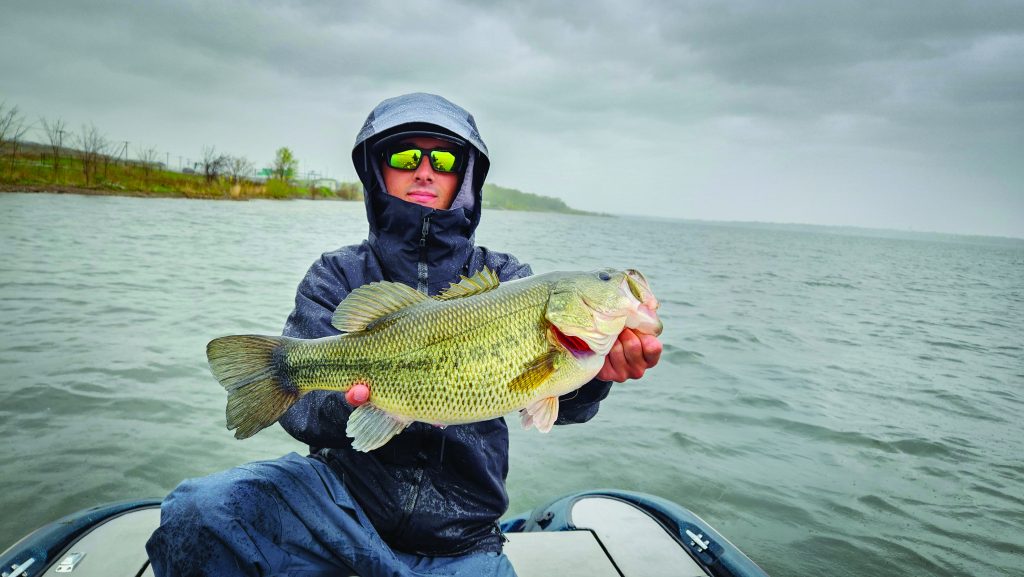
Cleaner water didn’t just improve the look of Onondaga Lake; it changed the biology of the entire system. As water quality improved and sunlight penetrated deeper, submerged vegetation returned. Milfoil, coontail, and various pondweed species began growing again throughout the limnetic zone of the lake.
Today, these weedbeds are some of the most productive areas on the lake, especially in late spring and summer when largemouth bass bury themselves in the thick stuff while hunting for bluegill and young perch.
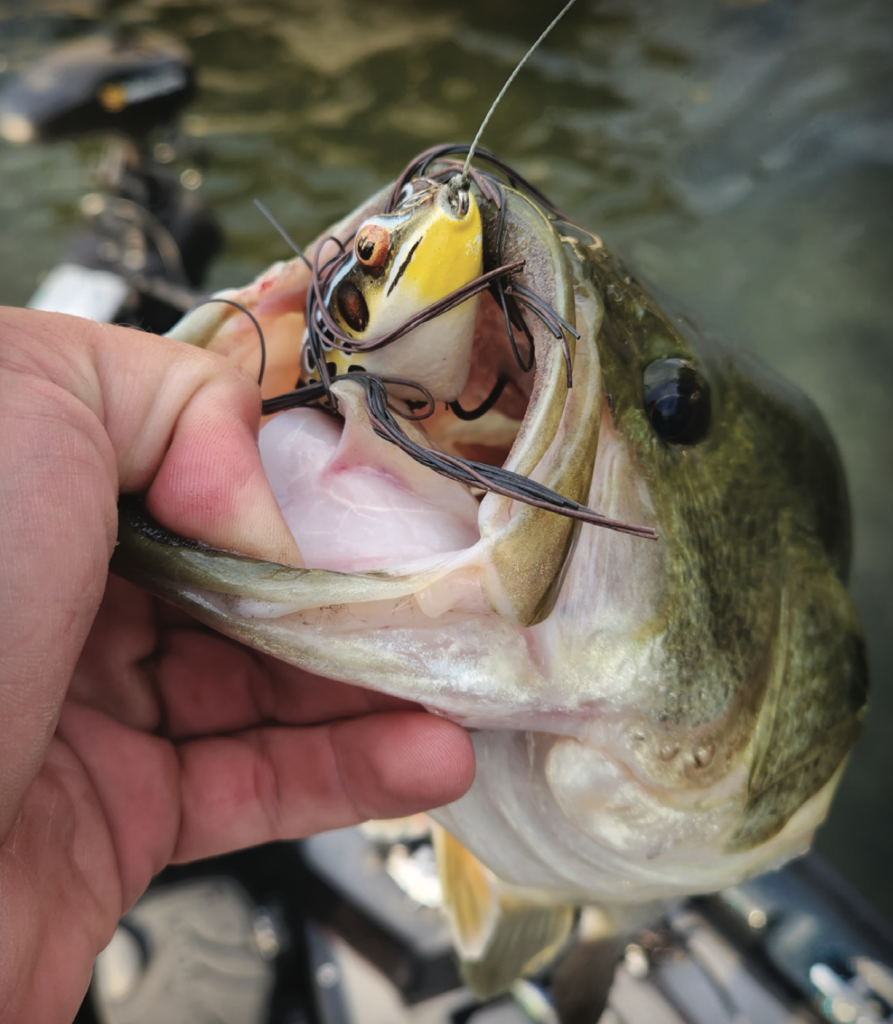
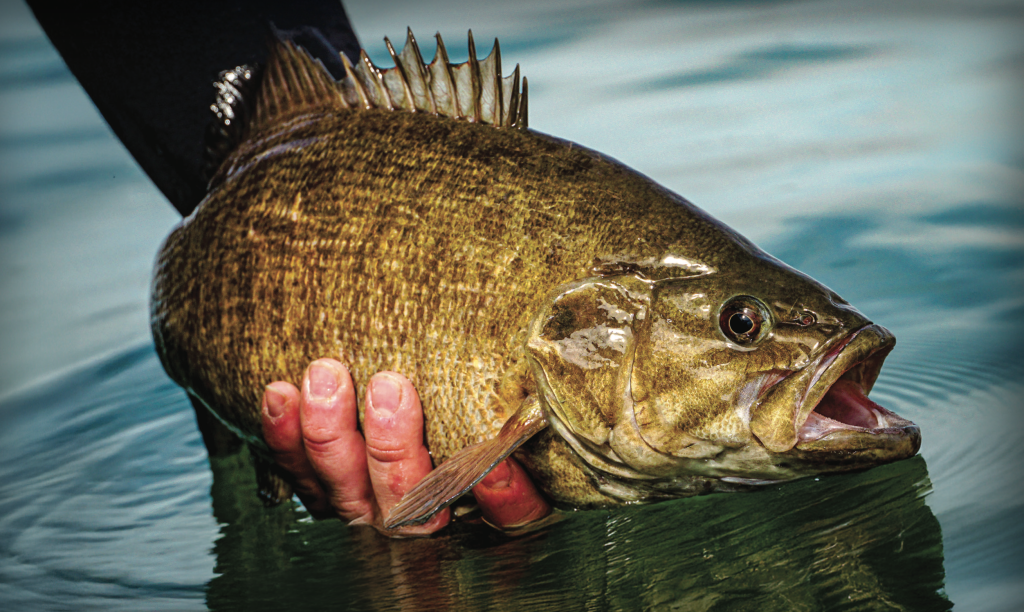
Restoring dissolved oxygen levels changed the game for smallmouth bass as well. Better oxygen at mid-lake depths opened up new summer habitat and stabilized baitfish populations. Where smallmouth once had limited space to roam, they can now school up on drop-offs, gravel stretches, and open-water humps chasing alewives, gizzard shad, and juvenile yellow perch.
Forage Explosion
As the lake recovered, the number and diversity of forage species climbed dramatically. Bluegill and pumpkinseed populations surged as vegetation returned. Yellow perch, which were historically present but inconsistent, became one of the main drivers of bass growth, especially for Onondaga’s smallmouth. Even open-water baitfish saw a resurgence. Alewives, especially, have fueled fast growth rates for smallmouth that now regularly crack the 4-pound class.
With prey available in every section of the lake and across every depth range, bass growth accelerated, and tournament bags started reflecting it.

Rebuilding the Lake for Fish
The restoration wasn’t just about cleaning the water, though. Much of it focused specifically on rebuilding fish habitat.
Shoreline Regrading and Naturalization
Rocky shorelines, stabilized plantings, and reconstructed ledges created spawning and feeding zones ideal for both species of bass. The north and west shores now have long stretches of bass-friendly structure where there used to be barren mud or rubble. It gives the bass something to cling to and relate to throughout every season.
Wetland Restoration
New and expanded wetlands added nursery habitat for juvenile perch, bluegill, and bass. The increase in young forage fish is one of the reasons the lake now grows larger predators.
These wetland areas also created a place where vegetation could flourish. Floating, emergent, and submergent plants survive in this nutrient-rich environment, creating great habitat for juvenile fish species.
Improved Tributary Mouths
Nine Mile and Onondaga creeks transformed from silt-laden, low-oxygen zones to dynamic transition areas. These zones are now springtime hotbeds for pre-spawn activity. Put simply, the lake now fishes like a natural bass factory.
What It’s Like Fishing Onondaga Today
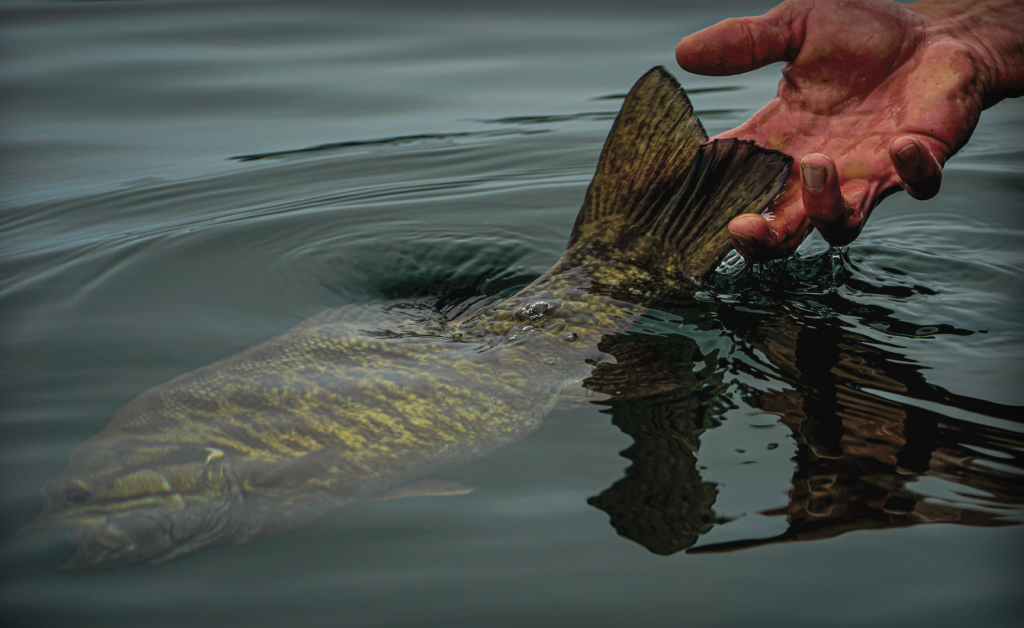
As someone who spends a lot of time on central New York waters, I can tell you that Onondaga Lake is no longer an afterthought. It’s a legitimate bass fishery capable of holding its own against Oneida, Cayuga, and other regional big bass favorites. Whether it’s pre-spawn, summer, or fall, the lake fishes well across the entire open-water season. Even through the ice in the middle of a harsh NY winter, the lake produces quality fish.
Largemouth in the 3- to 4-pound range are now common catches, with plenty of five-plus-pounders mixed in. The weedlines and structure-oriented banks provide year-round action for big bucketmouths. Many of these productive areas can be reached from boat or by walking the shore.
Points, rocky transitions, and mid-lake contours hold big schools of smallmouth bass. It’s not rare to catch 15 to 20 fish a day in the early summer or fall, and they’re thick, healthy fish. Areas like the mouth of the Seneca River can be a true smallmouth hot spot during the right time of year.
Local groups now regularly schedule tournaments on the lake, which is a concept that would have been unthinkable decades ago. Every Wednesday night, Salt City Bassmasters runs a weeknight working-man tournament trail throughout the summer. Winning bags around 18 to 22 pounds are not uncommon, and smallmouth-only and more mixed bags in the fall can be just as competitive.
A Model for Urban Lake Recovery
What makes Onondaga so impressive is not just the fishing—it’s the setting. This is an urban lake surrounded by highways, businesses, and neighborhoods. The fact that a fishery of this quality can exist where it does is proof of what long-term environmental commitment can accomplish.
However, the comeback isn’t finished. Habitat work remains ongoing, and continued monitoring ensures contamination levels remain low. But the ecosystem is stable, and the fishery is thriving. If the current trajectory continues over the next decade, Onondaga Lake may become one of the premier urban bass fisheries in the entire Northeast, a status that, years ago, no one would have believed possible.
Onondaga Lake is one of the greatest restoration success stories in American fishing, and its bass fishery is living proof of what happens when a lake is given a second chance.
READ MORE