
In the Northeast, June is the month that bass anglers look forward to the least. This is the time of year when bass are toughest to catch—the post-spawn funk. As a guide and bass fishing nut, I despise the entire month.
Every bass fisherman looks forward to the spawn. It’s predictable, visual, and loaded with aggressive fish. But once the beds empty out and the chaos settles, reality sets in. The bass are in a funk, and getting them to bite can be like pulling teeth. It’s one of the most frustrating periods of the season, but if you understand what’s happening and where the bass have gone, it can become one of the most rewarding.
Understanding the Post-Spawn Funk
After the spawn, bass are physically drained. Females slide off to deeper water to rest, feed, and recoup energy from the spawning process. Males stick around longer, guarding fry and staying shallow, but they’re defensive rather than aggressive.
This creates a weird dynamic: fish are present, but they aren’t feeding like they were during the pre-spawn. Their priorities shift to recovery and protection rather than chasing every bait that comes by.
The Mood Shift
Post-spawn bass are notorious for being finicky. Their metabolisms haven’t fully ramped back up, and they are selective about what they eat. You will notice follows, short strikes, and fish nosing your bait. These are signs that fish are present; you just need to adjust your presentation.
Two key changes happen after spawning—bass become less willing to chase and prefer easier meals. This is where patience separates good anglers from great ones. Put down the power fishing sticks and pick up finesse presentations to get these stressed fish to eat.
Finesse Baits for Post-Spawn Bass
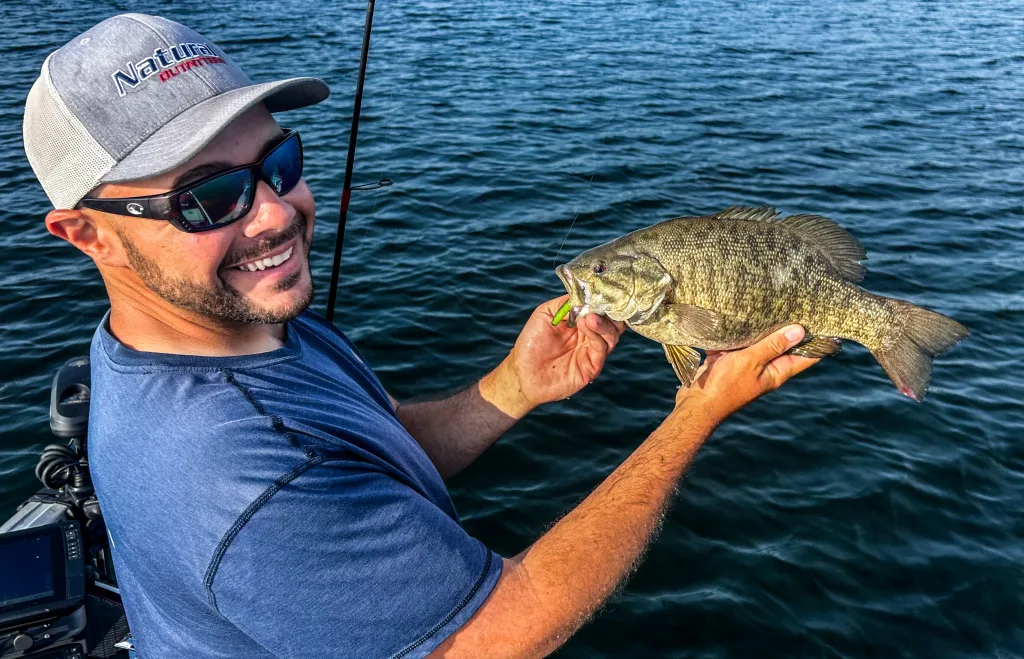
If there is one rule for post-spawn fishing, it’s to slow down. Even if you think you’re going too slow down the bank, slow down some more! This is not the time to burn spinnerbaits or cover water at lightning speed. Instead, focus on baits that stay in the strike zone longer. Some of the most effective options include weightless stick worms and fluke-style baits, wacky rigs, Ned rigs, light Texas rigs, and small finesse jigs. At times, even a slowly-twitched topwater will do the trick.
These baits fall slowly, look natural, and don’t require bass to expend much energy to chase. A weightless worm skipped under a dock or allowed to sink next to a piece of cover can trigger bites from fish that won’t move more than a foot to eat.
Often, the bite feels like nothing more than added weight or a slight tick, which requires anglers to stay mentally locked in.
My Top Post-Spawn Bass Baits
For both largemouth and smallmouth across the Northeast, the following lures have proven to be effective during the toughest time of year.
The Zara spook, Super Spook, or Super Spook Jr. is a great search bait and has excellent drawing power during low-light periods to call in bass.

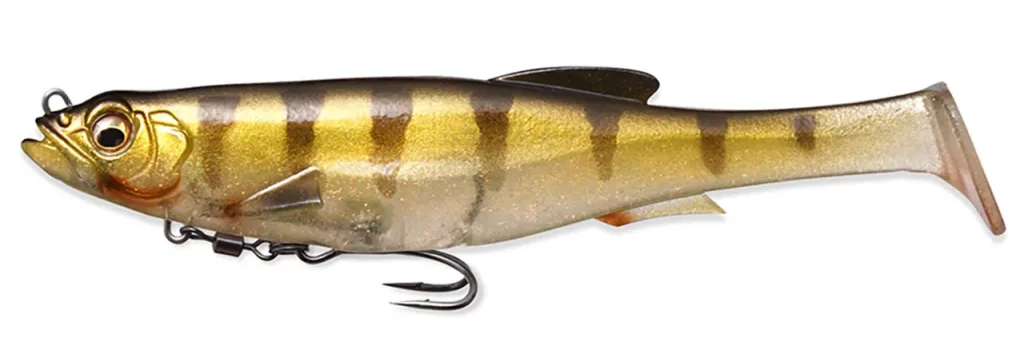
Known for being a big fish bait, the Magdraft has one of the best swimming actions in the soft swimbait market. Its impressive tail- kicking action and enticing swimming speed draws strikes from bass around shallow cover. The 6- and 8-inch versions are perfect for our big northern bass.

During the post-spawn period, I always have a weightless Super Fluke tied on when fishing shallow cover, especially around docks. I fish it just like a weightless soft stick bait, but I believe the minnow-style design triggers more strikes.

A Neko bait has a much faster fall rate than a normal wacky-rigged stick bait, and the quivering fat tail of the Neko Fat Worm triggers strikes from females in shallow water—especially those that hide under docks. Skipping it way back beneath a dock and letting it soak will get some big bites.
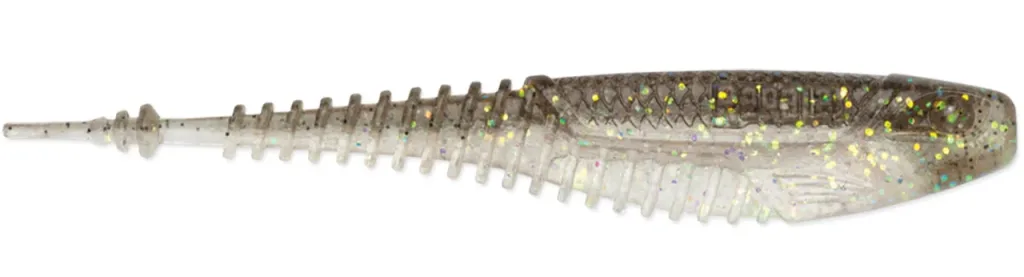
Rapala Crush City Freeloader (6.25 inch)




The biggest version of the Freeloader draws strikes from inactive females suspended over deeper water. Don’t shake or move it—just hang it above their heads.
Don’t Overlook Topwater or Big Baits
It sounds counterintuitive, but the post-spawn can produce incredible topwater and big bait action. Early mornings and late evenings are prime bite windows, especially around fry-guarding males, shallow cover near spawning areas, and calm, protected pockets and coves.
Big baits like glide baits and large pre-rigged, harness-style swimbaits make up most of what I use during the post-spawn period. I want a bait that has drawing power and catches the attention of these fish.
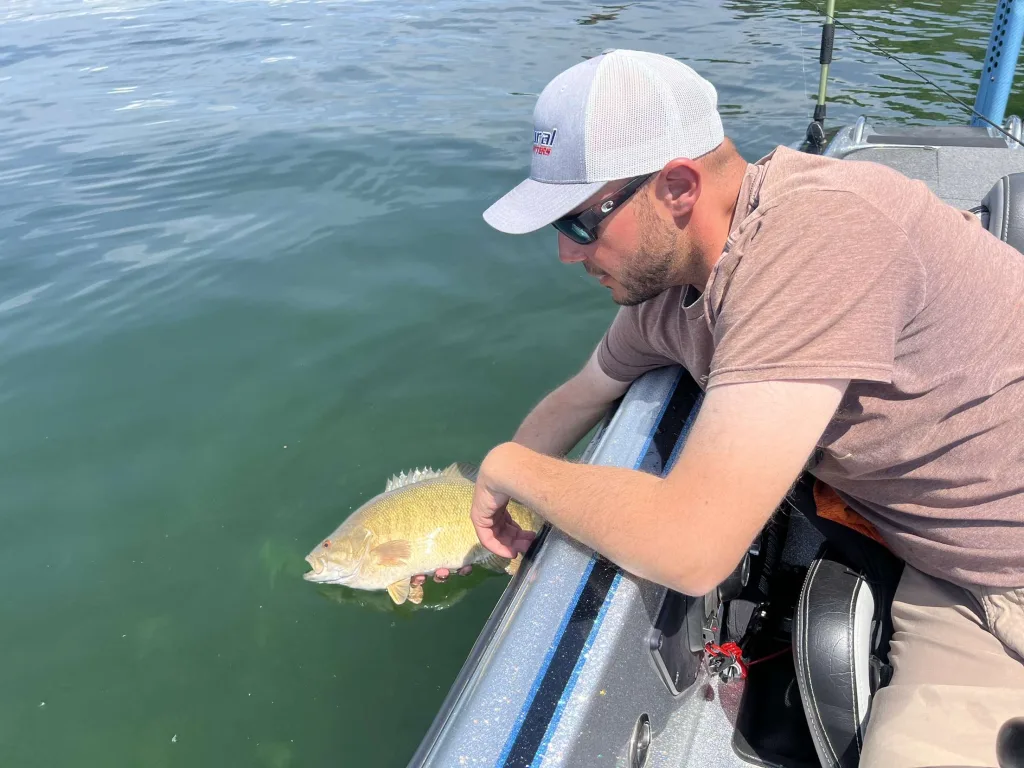
Bass guarding fry are extremely territorial. They might ignore a jig or worm, but they’ll crush a topwater or glide bait that threatens their offspring. It’s not an all-day deal, but when the bite is on, it’s one of the most exciting ways to catch post-spawn fish.
Fishing Around Fry
One of the most common post-spawn patterns is the targeting of fry-guarding fish. Often, you’ll see small clouds of baby bass near the surface, usually around the old bed, with a male keeping watch nearby. These fish aren’t feeding—they’re defending, so you’re not imitating food; you’re triggering a defensive response.
Finding Post-Spawn Bass
The biggest mistake anglers make is assuming bass leave their spawning areas entirely. Most of them don’t actually leave, they just reposition themselves. Post-spawn bass tend to move to structure or cover adjacent to spawning areas. Think of it as a short retreat rather than a migration. Key areas include:
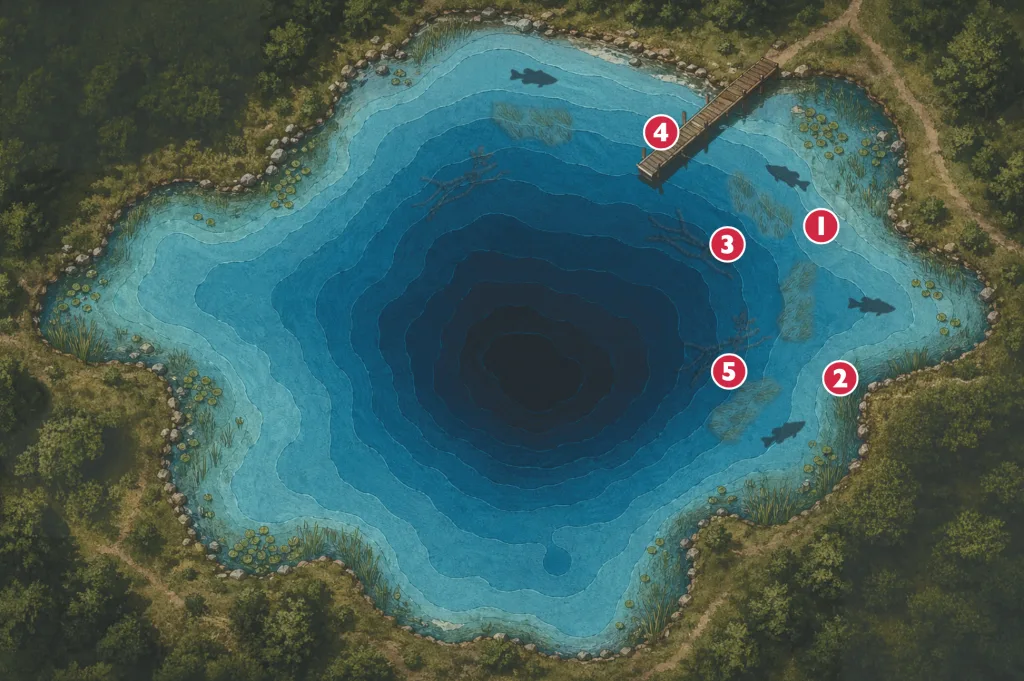
- First drop-offs outside spawning flats
- Secondary points
- Isolated grass clumps just beyond bedding zones
- Docks with deep water access
- Brush piles near spawning pockets
These are recovery zones. Bass—especially males—want quick access back to spawning areas, but they also want slightly deeper, more stable water where they can rest. If you’re fishing in a lake that you know well, don’t run all over the place looking for new water. Instead, back off just a little from where they were spawning and fish methodically. Cover every square inch of water close to those spawning areas—spots you may have overlooked in the past. They might not seem obvious, but these low-key areas will hold fish.
Fish Deeper for the Females
While males linger closer to shore with their fry, bigger females—the fish everyone really wants to catch—are already transitioning out of shallow areas. They are usually found on the first break into deeper water, suspended near schooling baitfish, or around offshore structure.
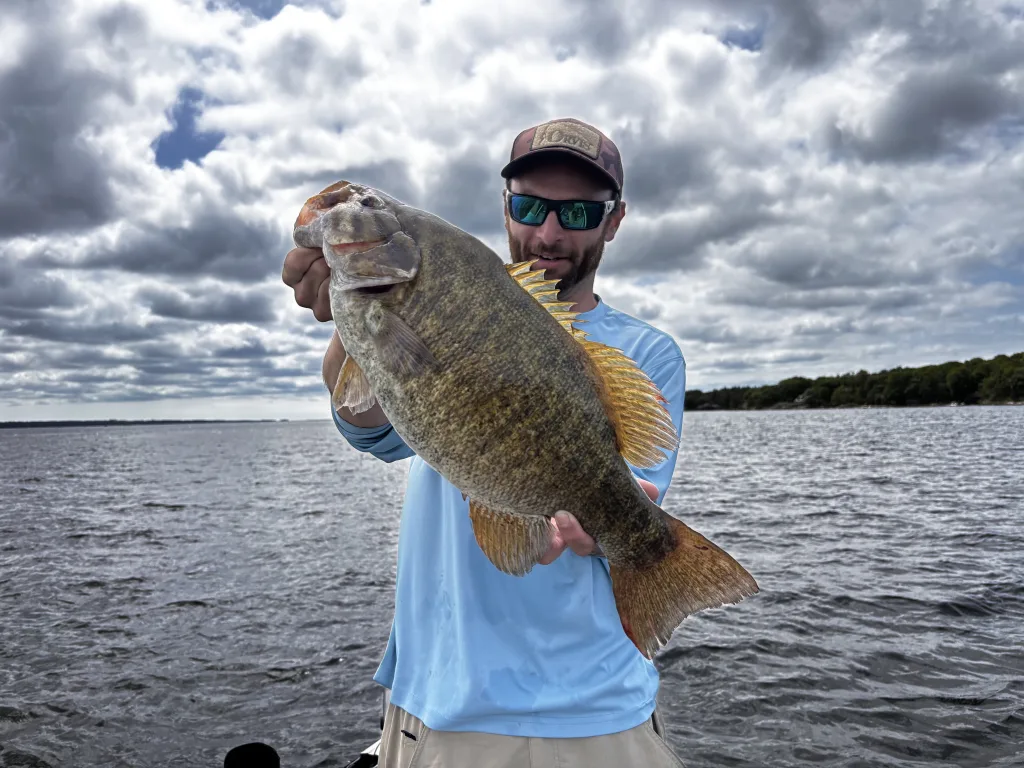
This is when moving baits come back into play—but there is a twist. Instead of power fishing, think of controlled and precise presentations. Remember, these fish aren’t looking to chase, but if presented right, certain baits can truly excel. Try working swimbaits slowly across the first deep break, casting larger jighead and minnow combinations for suspended fish, or dragging football jigs along bottom transitions. Electronics can be a huge advantage here. If you can locate bait, there’s a good chance recovering females won’t be far away. I use my Garmin LiveScope heavily during the post-spawn to look for subtle differences on the bottom where bigger females could be searching for schools of perch, bluegills, and alewives.
Adjusting Your Expectations
The post-spawn is a “thinking angler’s” season. Instead of running and gunning, focus on analyzing subtle movements, dialing in precise locations, and making repeated casts to key targets. If you embrace that challenge, post-spawn fishing becomes a rewarding puzzle rather than a frustrating slump.
READ MORE