
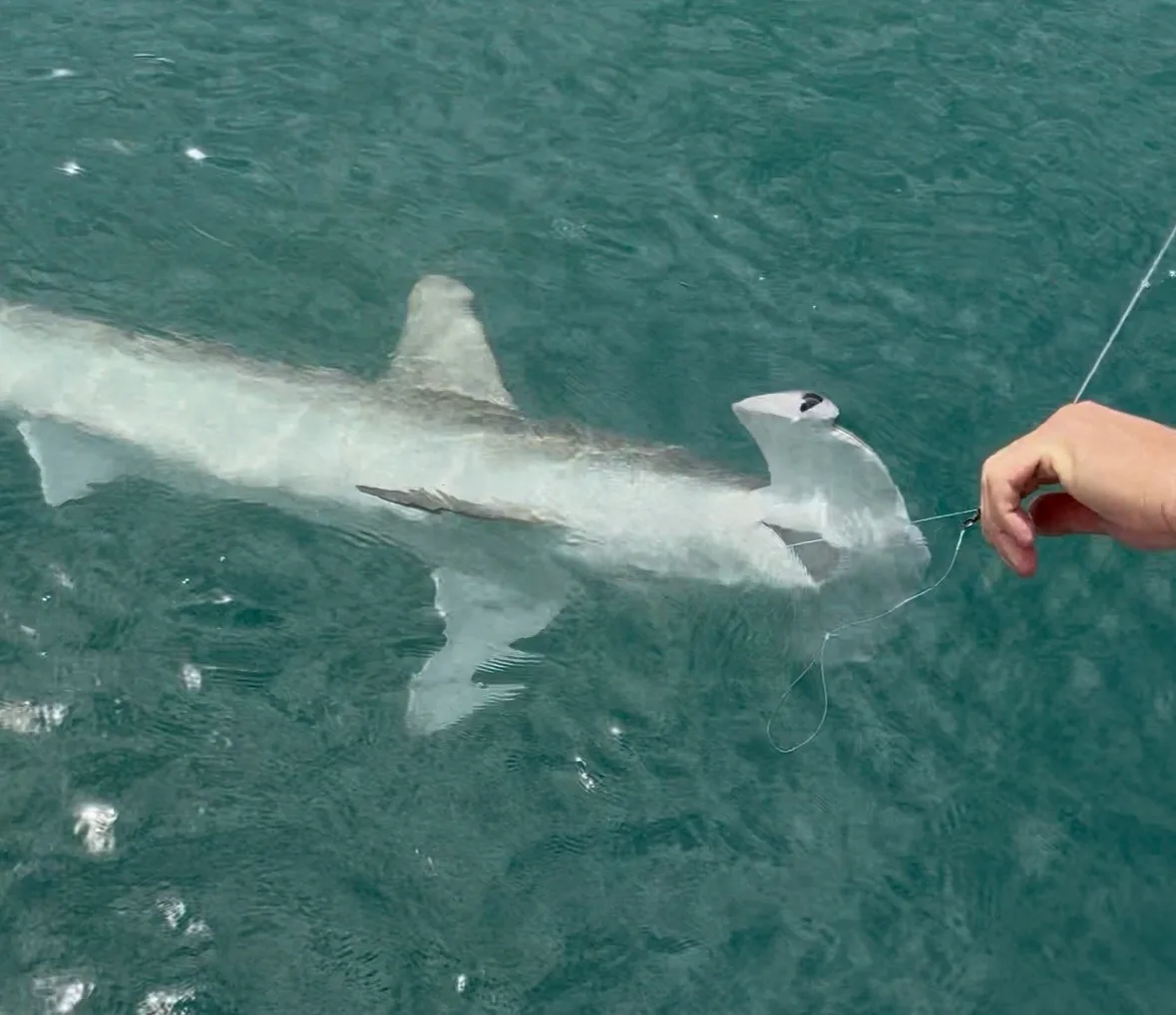
For a few weeks now, anglers on the eastern South Shore of Long Island have enjoyed excellent striped bass fishing. While Montauk remains a hotbed of early summer striper action, good fishing has continued a few dozen miles west as pods of Atlantic menhaden (or bunker) are finally showing up inshore after missing in action for much of the spring migration. On Sunday, June 28, angler Kyle Hublitz and his sons Finn and Luke, headed out of Westhampton on their Pursuit 326 DC, Lagosta, to close out the weekend catching some stripers. They were stunned when one of their live bunker was taken by a hammerhead shark off Moriches Inlet.
View this post on Instagram
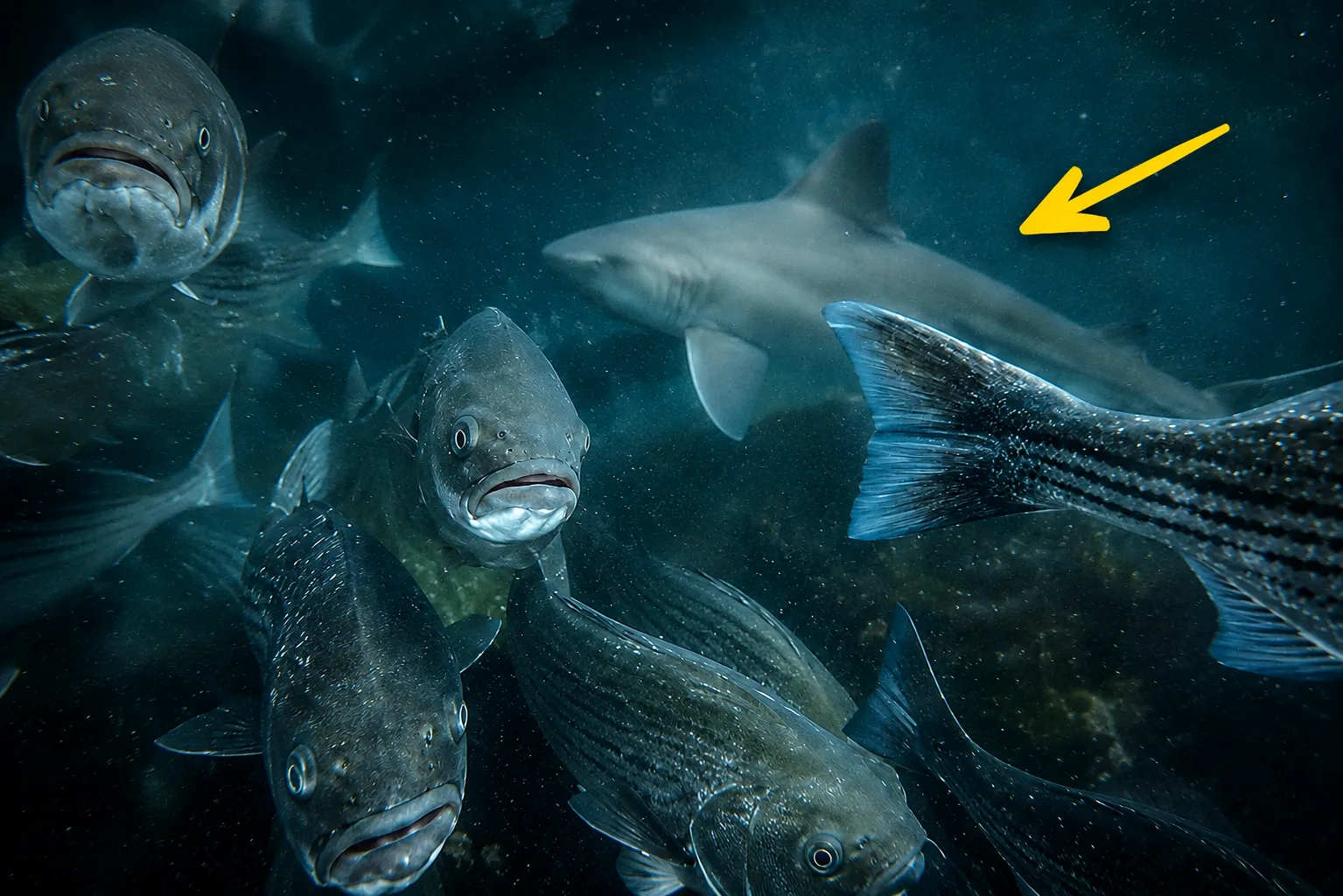
Summer fishermen are well aware that sharks are part of the program when live-lining bunker off Long Island’s South Shore. As water temperatures rise and bunker move inshore, sandbar and thresher sharks often corral the schools and intercept baits intended for striped bass. In fact, Hublitz and his sons had already hooked and lost a large thresher on their bass gear that day. But a hammerhead shark encounter is rather rare. Like many “exotic” southern fish species that visit the Northeast each summer, hammerheads ride the Gulf Stream up the coast following concentrations of baitfish, like menhaden, or seeking more temperate inshore waters. Drone photographers and videographers occasionally spot them off Long Island’s beaches, but not in large numbers. So, naturally, when another shark took their bait, the father-son trio expected this was their redemption shot at a thresher.
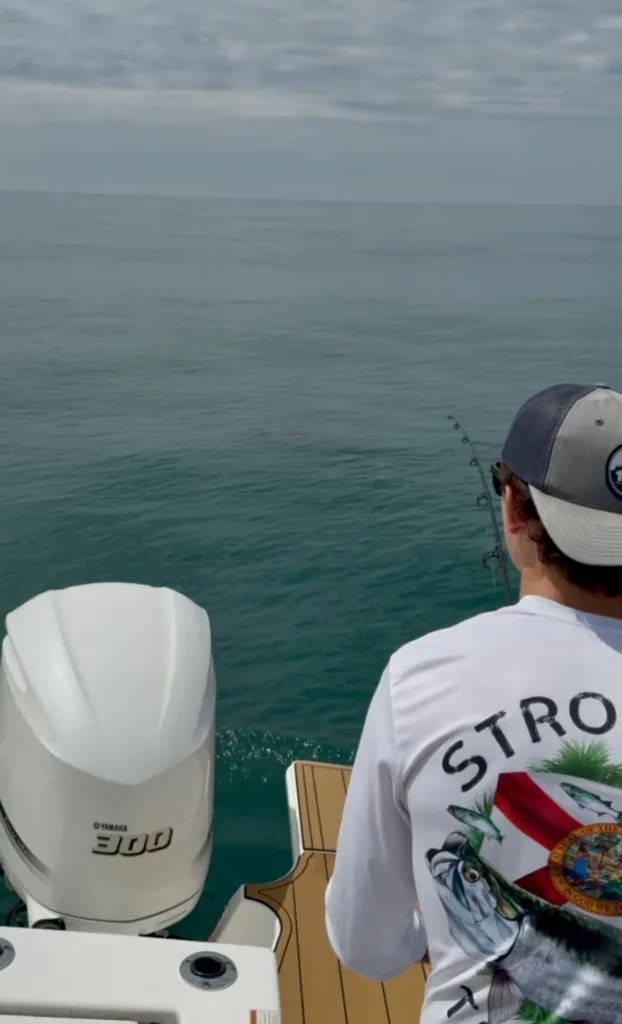
Still equipped with only bass tackle, they played the shark carefully for 25 minutes before getting it close enough to ID the culprit. “My oldest, Finn, hooked and fought the fish before passing off the rod to his younger brother, Luke, who brought it boat side. We had to back down on it for most of the fight,” said Hublitz. “No wire leader. We were just lucky the circle hook caught the corner of its mouth and that the monofilament leader didn’t chafe.”
Upon bringing the fish boat side, Hublitz reached for the leader, cut it as close to the hook as possible, and the shark was on its way. Had the three-man crew expected to tangle with hammerheads and threshers on this Sunday afternoon striper trip, I’m sure they would’ve tried to safely maneuver the hook from its toothy maw. “I was surprised,” Hublitz added. “I thought hammerheads preferred much warmer water.” For the most part, they do. But during the warmest months of the year, the Northeast hosts three different species of hammerheads.
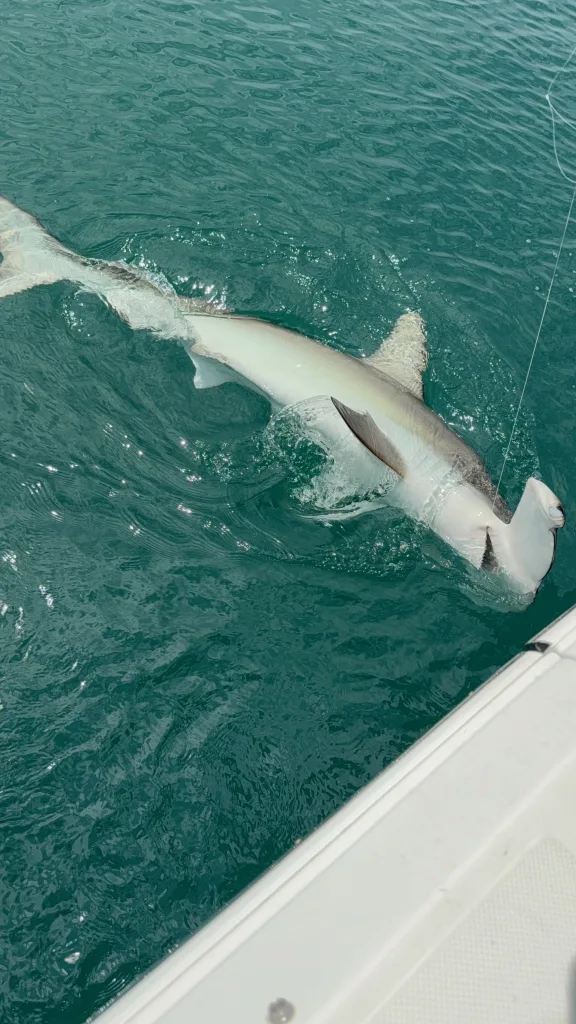
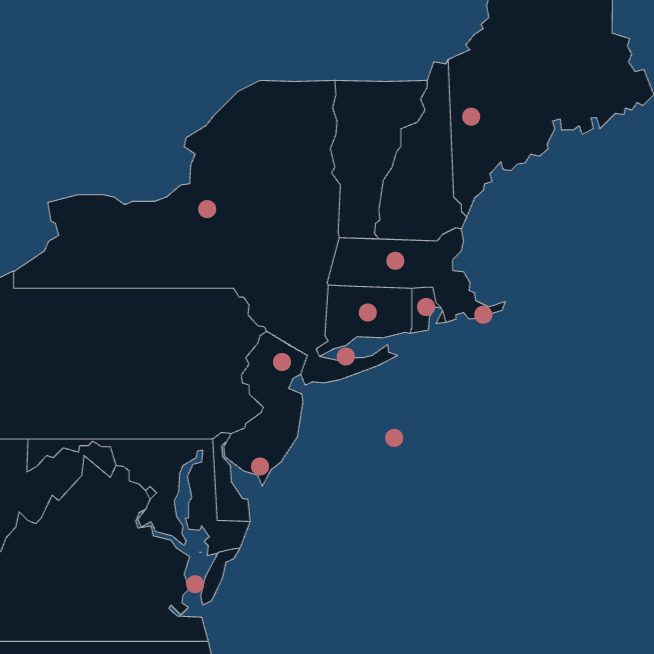
Hammerhead sharks are highly migratory and inhabit temperate and tropical inshore and offshore waters. Great hammerheads—the largest of those found in the western Atlantic—prefer to live in warmer, tropical conditions, but according the Virginia Institute of Marine Science (VIMS), their northern range extends as far north as New York during the summer months. However, anglers are more likely to encounter smooth or scalloped hammerheads, both of which are known to take up summer residence off southern Long Island. According to a species status assessment of smooth hammerheads by the New York State DEC, “In the western North Atlantic, juvenile smooth hammerheads have shown consistent use of coastal areas in the New York Bight during the summer months and travel south to the coastal areas off Cape Hatteras, North Carolina, during the winter months.” It’s difficult to tell in the video and photos, but the shark that Hublitz and his sons encountered was likely a scalloped hammerhead. VIMS notes that scalloped hammerheads tend to dwell anywhere from the surf zone to the Gulf Stream, while smooth hammerheads reside from coastal areas to depths of 600 feet.
Because of the nomadic lifestyles of smooth and scalloped hammerheads—which often dive between 80 and 800 meters—they can tolerate a vast range of temperatures. It may be surprising to hook one within sight of New York sand, but with water temps off Moriches Inlet hovering near 70 degrees as the July 4th holiday weekend approaches, hammerheads are perfectly comfortable in their temporary home off Long Island.
READ MORE