The 2026 migratory bass season started off with a bang! If you followed the On The Water striper migration reports, this year’s “schoolies” were legal and over-slot fish mixed in with the occasional 40-inch and over fish.
One night in mid-May, I was working a channel with a mix of fish sizes—the bass were mostly in the mid-30-inch range with a couple fish just over 40 inches. The bite was steady throughout the tide and began to slow as the tide slacked out. Slack tide almost always means that the smaller fish settle down and give the bigger fish a chance to feed, it also means tighter feeding lanes.
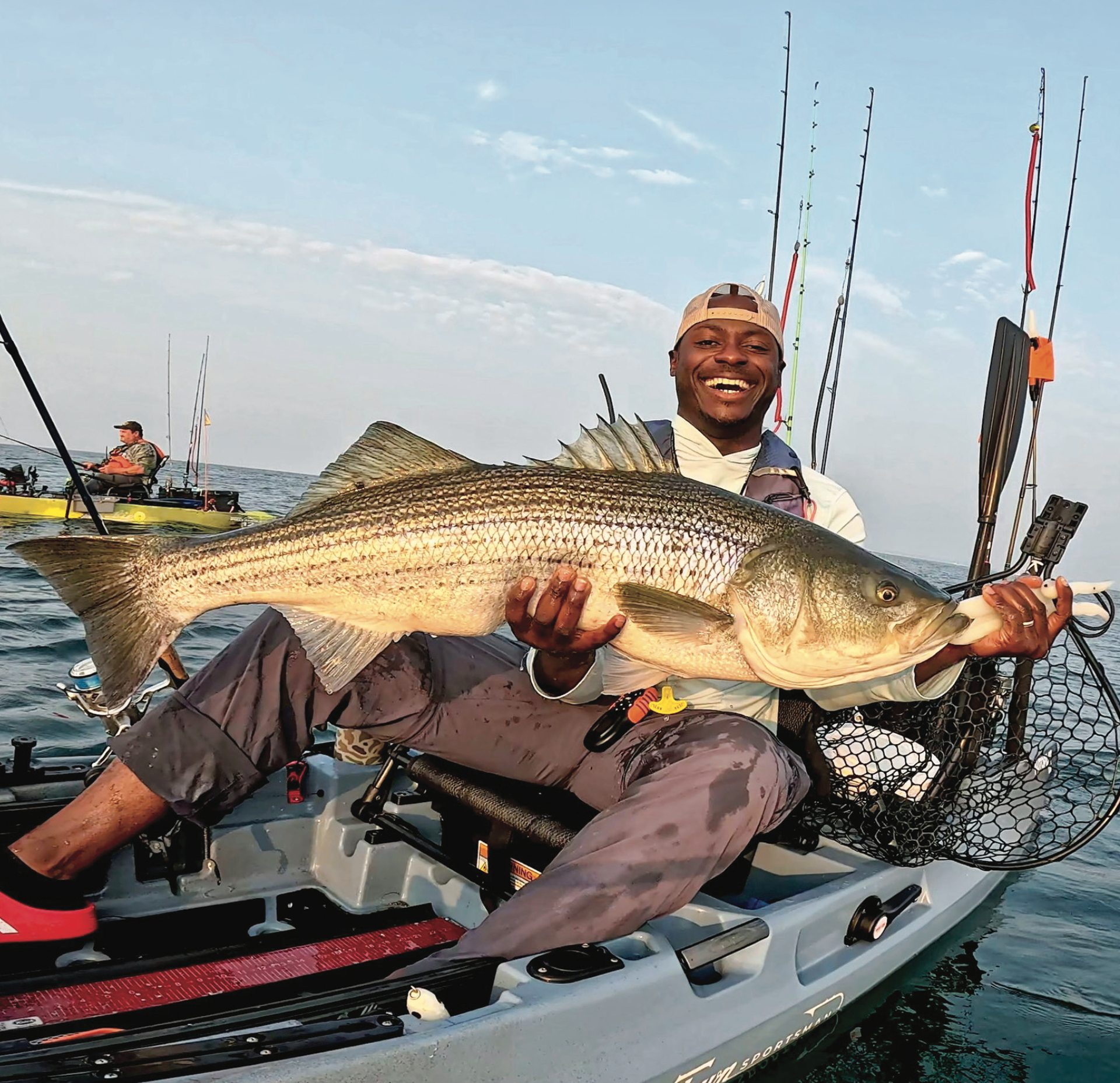
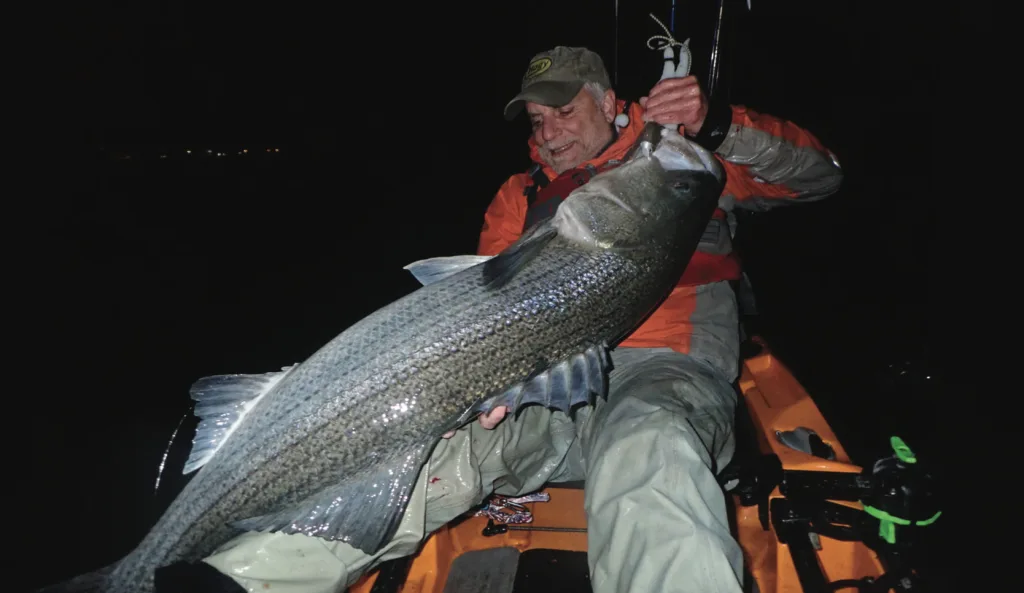
There was one spot in the channel that always has current movement all the way until the water starts pushing back in. I worked that small seam with a 13-inch Hogy Jigging Eel and dropped what felt like a decent size fish. A couple minutes later, I got the bite I was looking for, and after several solid headshakes, I was towed down the channel by what felt like a very large fish. When I final got the fish to roll up at the side of the kayak, it was obvious that this was much larger than the others, the fish completely covered the 48-inch tape measure on my paddle. At over 50 inches it was the largest striper I have caught in a few years.
There’s no question that the fishery is changing, there are more big fish around and fewer small fish to intercept our baits before the big ones have an opportunity to eat. With the population changes, the fish seem to be more concentrated, some areas are fishless while other areas are teeming with fish. Judging by the pictures that I’ve seen on social media, this has been a year of personal bests for many anglers.
This month’s column is about taking advantage of the abundance of larger fish. Whether you are fishing for a personal best or competing in the Striper Cup, these are the techniques that will consistently put you on above-average fish.
If I had to pick the best times to find large fish, I would choose times within an hour and a half of slack tide, especially at night. My largest fish have mostly been caught at the bottom of the outgoing tide in areas near current channels, especially around choke points where the last of the current continues all the way until the incoming tide blocks it. Shallow flats around the high tide have been another consistent producer, especially in areas with lower current like beach fronts. The patterns for both bites are often similar, small fish stop biting and hits get few and far between, other anglers often leave, but those who are targeting larger fish, keep working. Working through the slack tide with big baits is a common tactic employed by big fish anglers.
Of course, fishing is more than just picking tides and spots, it is about taking advantage of opportunities as they present themselves. You must be your own coach and adjust your game plan to identify opportunities to adapt and find large fish. In recent years, bunker have shown up in many spots that they have not been for years, and local hotspots have come and gone as schools of bunker and bass collide. I make sure that my tackle crate is adequately stocked to take advantage of situational opportunities.
One of the great things about fishing in New England is that there are so many different places to fish—the sandy beaches of Cape Cod, the huge tides of Boston Harbor, the rocky shorelines of Maine. Wherever you go, these are some of the tactics that will put the biggest fish in your kayak:
Drifting Bunker
Whether you call them bunker or pogies, these are a classic big fish bait, and bunker schools are famous for attracting the biggest bass around. Bunker can be a great daytime fishery because you can find fish actively feeding and feeds are easy to spot from a distance. Kayak techniques include drifting with live bunker around bunker schools or trolling a live bunker in an area where the bass are chasing them. If you find an unmolested school of bunker, get a bait and move to the nearest inshore rockpile to tempt the bass that aren’t actively chasing bait.
Pitching Mackerel
Mackerel are most common around Boston and points north, if you can find them, they are killer for pulling bass out of the rocks during the daytime. Best techniques are to either cast them close to the rocks and let them swim or troll them along rocky edges. Mackerel are usually most easily caught at sunrise on a Sabiki rig. If you have a livewell that you can load up with, it is a good way to ensure a solid morning of fishing.
Trolling Eels
Is there a more classic bait for big bass than eels? If you are a nighttime angler, it is tough to beat trolling live eels. Kayaks move at the perfect speed for eel fishing and if you are pedaling you can hold the rod and tease fish that are bumping the bait and turn those thumps into solid eats. Don’t rule out fishing eels as you would a lure, casting them around structure with a slow retrieve can produce amazing results, often the slap of the bait on the water draws the attention of big bass.
Tube and Worm Rig
This popular crossover between bait and lure fishing was a classic boat technique before kayak fishermen discovered they that had the perfect platform for these unique rigs. They produce more fish when you use sea worms than any of the sea worm substitutes. Tube-and-worm fishing is all trolling, but they are really good at getting fish with lockjaw to bite. Tube and worm is less popular than it was 20 years ago, but it is a legendary tactic for big bass. The key to big fish is dialing in the speed, usually between 1.5 and 2 miles per hour and keeping a fresh worm on the hook.
Casting or Trolling Big Plugs
Casting plugs can be a workout from a kayak, but the large profile is irresistible to bigger bass. Trolling big plugs is very effective because you can cover water and hit the maximum number of spots. You can troll a plug around current lines and if you find a strong enough current, you can make a plug slide along a rip line while keeping your kayak away from the fish so you don’t spook them. I prefer to cast big plugs over boulderfields. There is something about the way a large bass eats a big plug on the swim that keeps you coming back for more.
Spoons – Jigging, Casting, Trolling
Large flutter spoons have become very popular in recent years. They are another versatile lure for casting and trolling. The most obvious place to fish them is around bunker schools, but don’t just think of them as a tool to use when bunker are present—they are great around deeper channels where you can both jig and swim them.
Glidebaits
These two-piece swimbaits are taking the striper world by storm. Part of their popularity is that they work well and part is that they have come on the scene at just the right time. With so many large bass around, the fishing situation is perfect for big glides. You will need to select baits that run at appropriate depth for the water you are fishing, but there are so many choices that you can use them for everything from flats to deep channels.
Soft Plastics
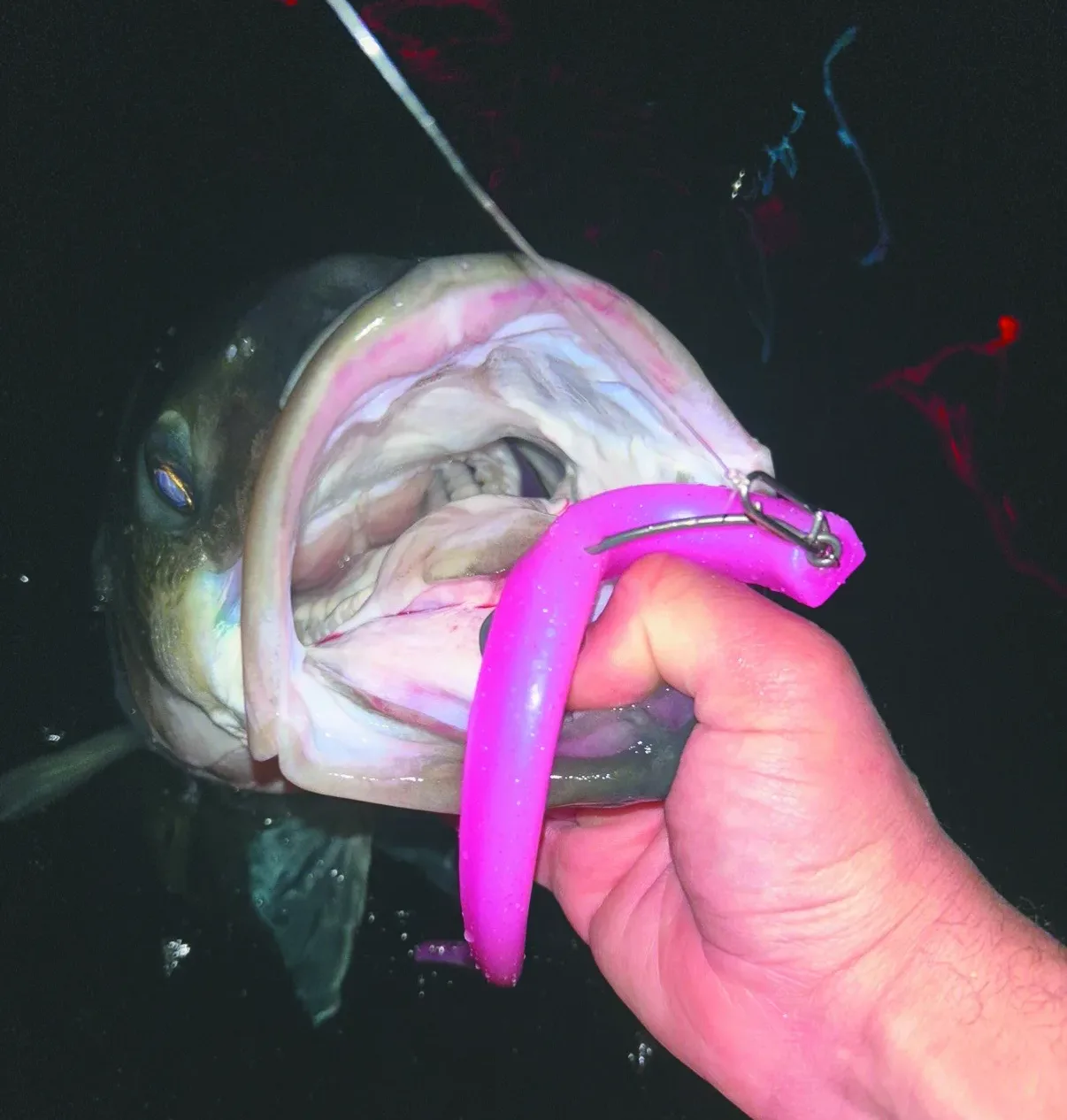
If you are a regular reader of this column, you know about my infatuation with big plastics. They are a single hook presentation that you can work anywhere in the water column from top to bottom. For large fish, focus on big baits. Consistently fishing baits at least 12 inches long will put giants in the kayak. Every one of my top ten fish came on a big plastic.
With an abundance of over-slot size fish, it is important to use good release practices. It is easy to take great care of fish in the kayak. Use fish grippers and keep the fish in the water, only lifting it out for a quick photo. Good fish handling is the best way to ensure that you will see that fish again next season!
READ MORE