Raise your hand if this sounds familiar: You’re fishing with a buddy and start having a debate. No, not about sports, politics, or the best on-the-water snack (it’s fried chicken, by the way), but instead about the most effective technique to catch whatever fish you’re after. I’ve had this debate countless times, both with other anglers and with myself. But consider this: Is it really worth debating what the most effective techniques are when we know they’re usually the most boring?
Here, I will solve the debate for you with a simple plug-and-play answer. Whatever fish species you’re discussing, the most effective method for targeting them is probably trolling, fishing live bait, or soaking a chunk of (insert local forage here). Happy? No, I didn’t think so, because only sadomasochistic freaks gain pleasure from trolling. The point is that effectiveness doesn’t always equate to enjoyment.
With that in mind, I took a different approach to this debate. Instead of focusing solely on how effective a technique is, let’s talk about how fun it is. Which technique brings you the most joy when catching fish? What method really highlights the best aspects of a certain species? These aren’t necessarily the best methods, but they’re absolutely some of the most fun, and they’re guaranteed to get your blood pumping. One final note, though. These techniques don’t have to be the most effective, but they do need to be effective. So, however much fun you might have targeting bull redfish with a Tenkara rod and two-pound test, that does not qualify for this list.
Red Drum
Classically effective method: Soaking bait, jigging
Most fun method: Topwater
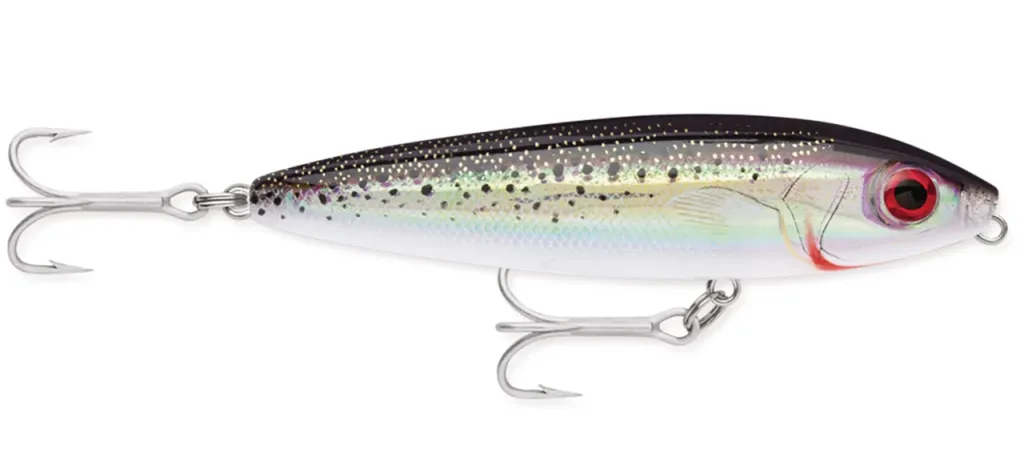
Lure: Rapala Saltwater Skitter Walk
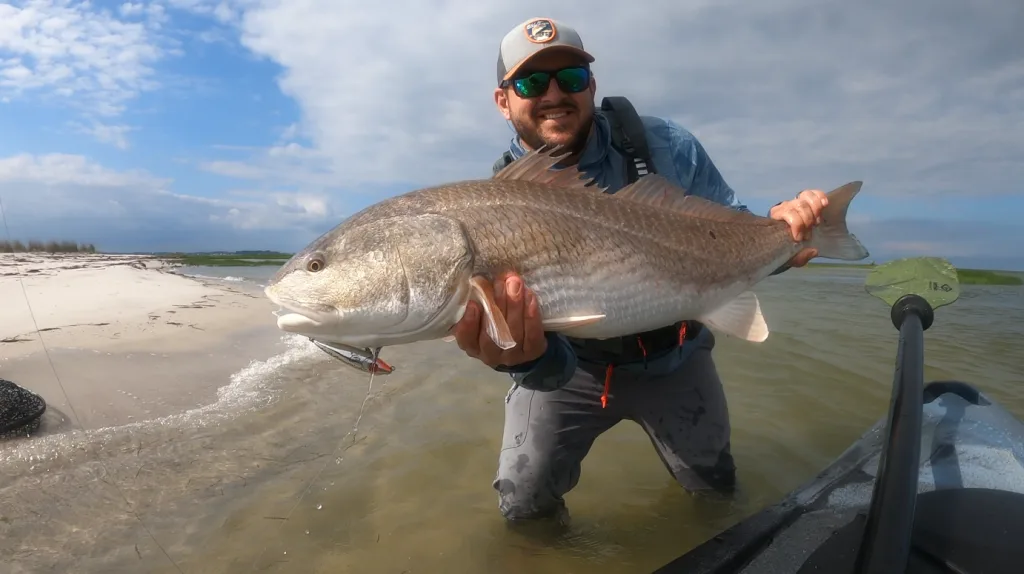
All right, let’s acknowledge right off the bat that topwater would probably be valid for just about every species on this list. It’s the best, period. That said, redfish take the crown when it comes to topwater fishing in the Chesapeake. For starters, they’ll eat it practically all day, every day, which can’t be said of many other species. Secondly, the position of a redfish’s mouth on the underside of its head means that when they come up to the surface to eat, they basically throw their whole skull out of the water to get the plug. This results in some of the most earth-shattering blow-ups known to man, often a few times in a row since they frequently miss the plug on the first strike. When it comes to redfish, I’ve often said I’d rather catch one on topwater than 10 on a jig, and I’ll stand by that.
Speckled Trout

Classically effective method: Jerkbait or plastic jig
Most fun method: Glidebaits
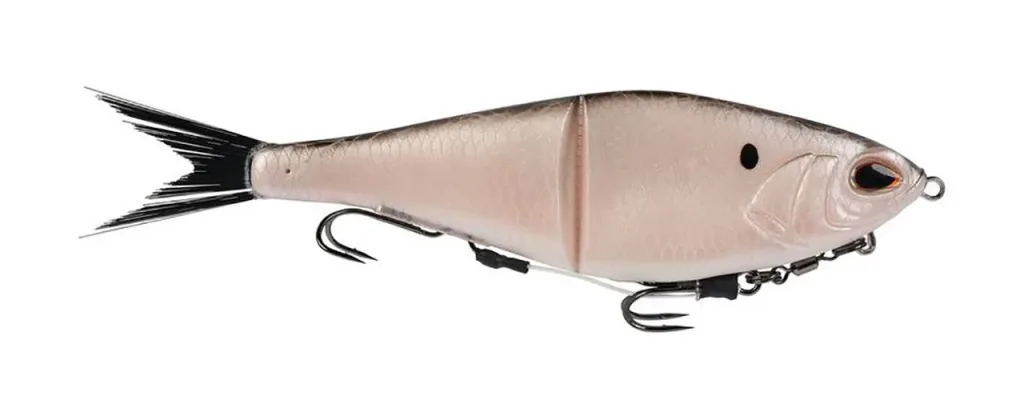
Lure: Berkley PowerBait Chop Block 6
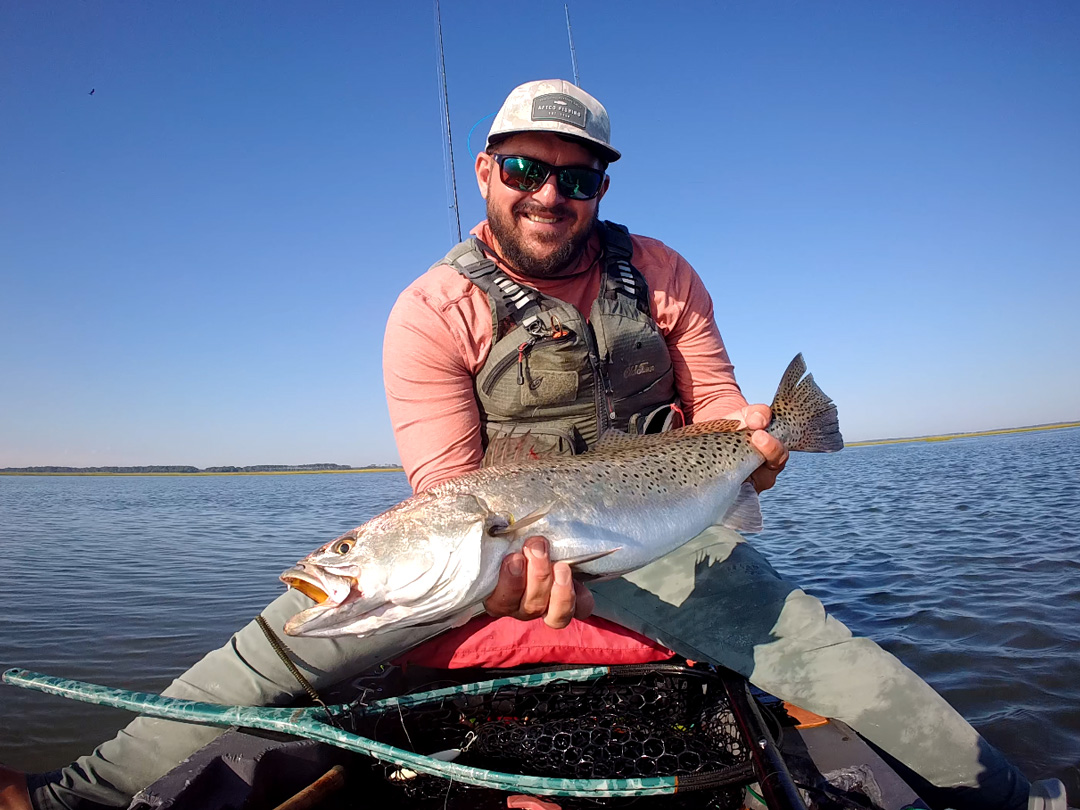
I know, I know … you’re probably sick of hearing about glidebaits. They’ve become the lure du jour for many freshwater bass and salty striper anglers, but hear me out. While bass and many other species love a glidebait, the way that speckled trout prefer to feed makes throwing a glide at them exceptionally fun. Trout are ambush hunters, lurking in grass or potholes and waiting to strike from below. Working a shallow-running glidebait just below the surface is a perfect way to trigger their feeding instinct, and it can result in some of the most breathtaking visual eats you’ll ever see. Big trout especially love to key in on large bait, and when they launch up from the depths to T-bone a glide at the surface, the toilet flush could suck down a bowling ball.
Cobia
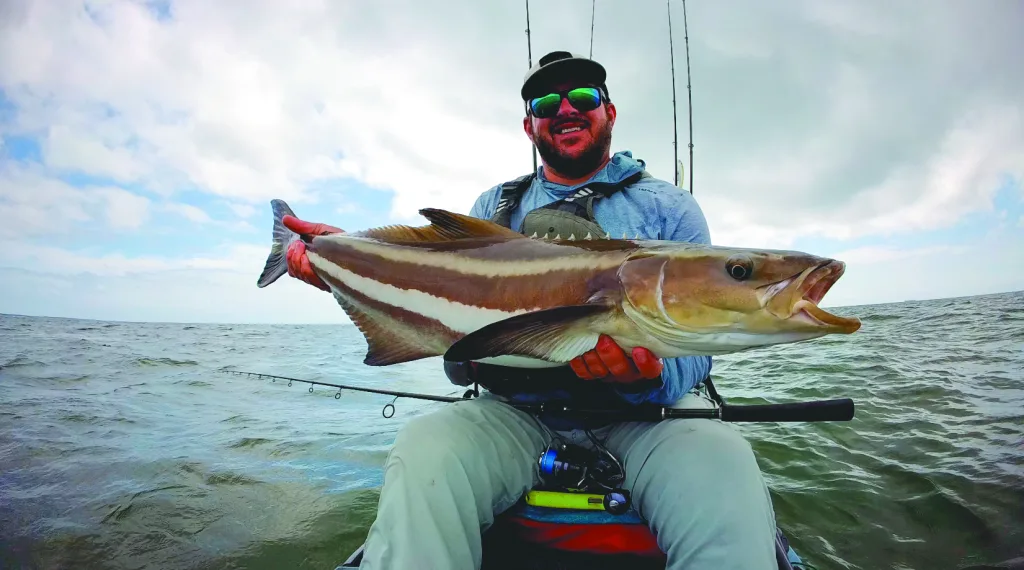
Classically effective method: Throwing jigs or live eels
Most fun method: Twitchbaits
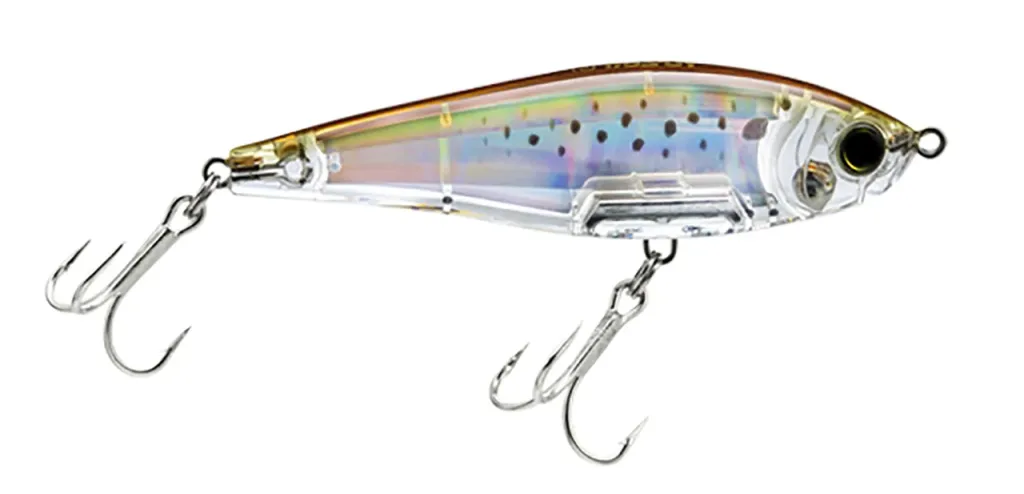
Lure: Yo-Zuri 3D Inshore Twitchbait
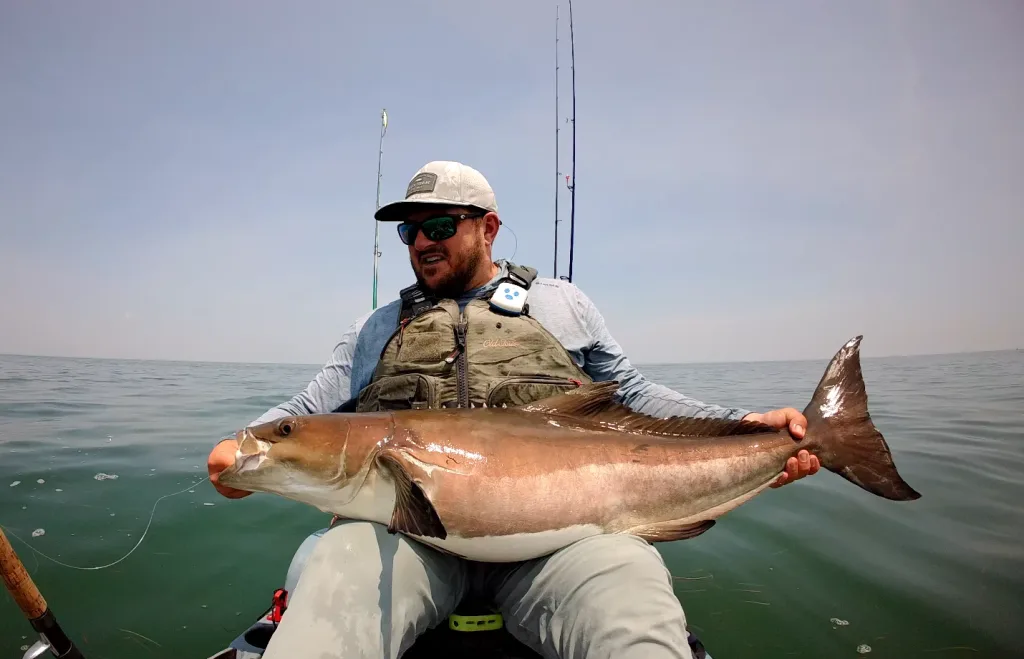
This is one of my favorites. Not only is throwing a twitchbait at cobia a blast, it can also be the most effective method at certain times. By the end of summer, cobia in the Chesapeake have probably seen every form of jig and live-bait presentation under the sun. Combined with the influx of bunker schools, many cobia are already fat and happy, and reluctant to chase down a jig or other traditional plastic. This is when a twitchbait really shines because it can be worked just below the surface to stay in the strike zone longer while perfectly imitating a struggling bunker leaving the school. It combines the epic visual nature of cobia fishing with the addictive thump of a twitchbait strike, making for the ultimate blend of sight-fishing fun.
Striped Bass
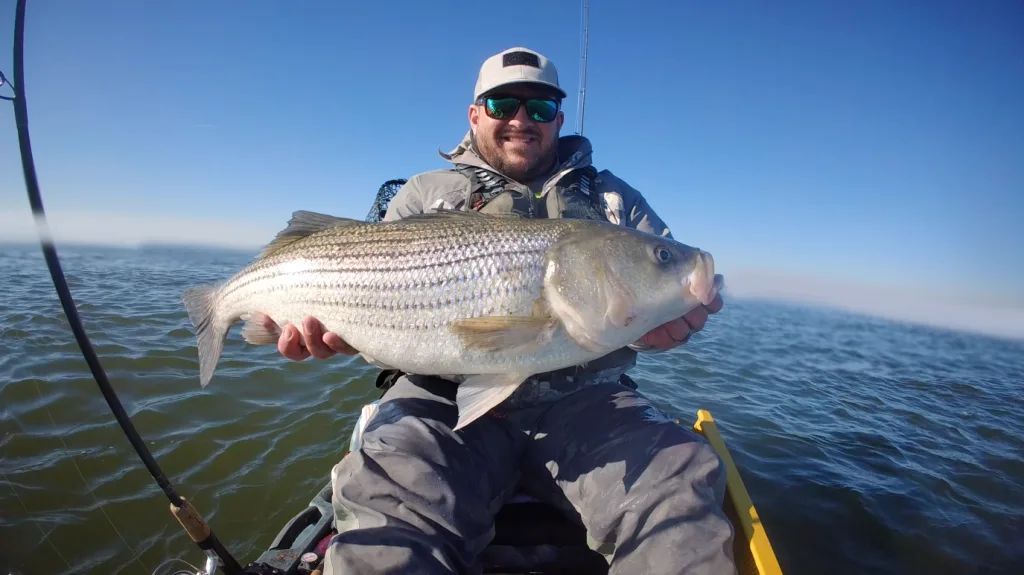
Classically effective method: Plugs, jigs, trolling
Most fun method: Blade baits
Lure: Nomad Vertrex
This is one I’ve borrowed from our freshwater friends in landlocked states. In the winter, many fish hang low and deep waiting for temperatures to warm before they become more active. A popular method of targeting fish like this, usually walleye or lake trout, is to slow jig a blade bait just off the bottom. It’s a perfect method for ice fishing, but do you know what else it’s perfect for? Dropping directly into big schools of striped bass that rip the rod out of your hands. The vertical jigging trend has begun to catch on in mainstream striper fishing, with lures like the Nomad Vertrex being essentially a beefed-up blade bait. Still, I prefer a classic blade bait like the Silver Buddy or Heddon Sonar (with upgraded hooks) because it cuts straight to the bottom and has a pulsing vibration that no fish can miss. This method is a particularly enjoyable way to enhance your experience with schoolie stripers, which can otherwise get tiresome. Light-tackle jigging with a blade bait in a deep backwater creek loaded with schoolie stripers is about as fun as fishing gets, and if you don’t agree, then you’ve never done it.

Summer Flounder (Fluke)
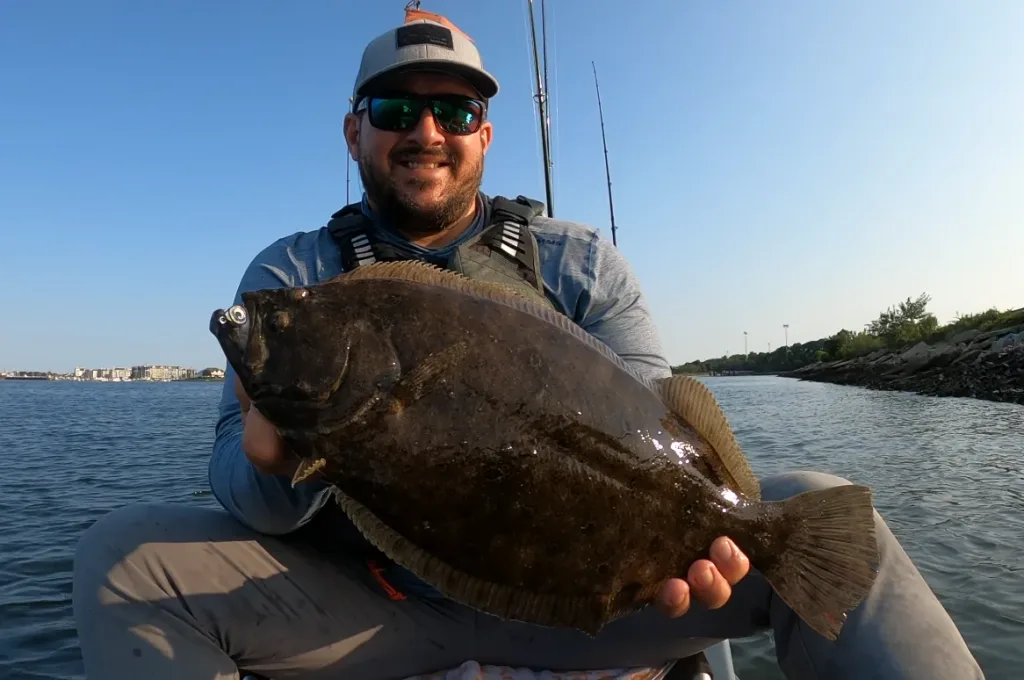
Classically effective method: Heavy jigging deep, soaking bait
Most fun method: Shallow-water finesse fishing
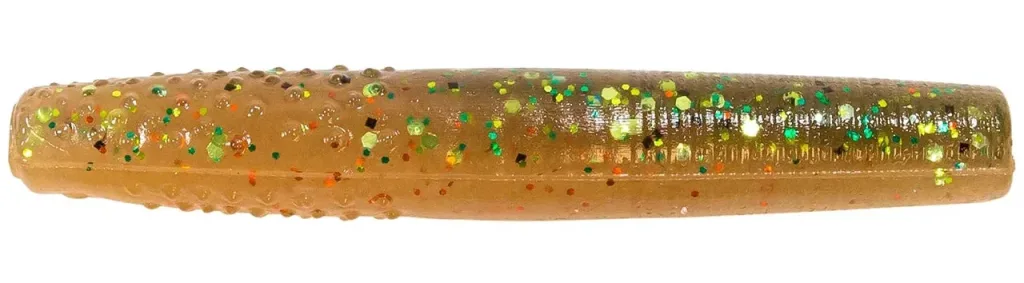
Lure: Z-Man Finesse TRD Ned Rig
Another trendy new tactic that is trendy for a reason: finesse fishing for flounder. While the old-school, party-boat method of bottom-bouncing heavy jigs over structure is undeniably effective, the heavy gear required to do it properly can really take the steam out of smaller fish, making the fight less than exhilarating. Fluke rarely get the credit they deserve as fighters, but if you start focusing on shallow water and targeting them with light gear, you’ll be shocked at just how well they brawl. Finesse methods like Ned rigging and drop-shotting have become especially popular, and for good reason. Big flounder can move into surprisingly shallow water in the summer, making light lures a great method to use. Working a small Ned presentation or micro-swimbait on a tungsten jighead around sandy drop-offs can result in a thump that’s downright addictive, followed by a fight that rivals any shallow-water flats fish.
There you have it, five fun ways to target five of the Chesapeake Bay’s most popular species. This list could go on forever, as almost everyone has a method they prefer for certain gamefish. These happen to be my five favorites, but I encourage you to use whatever technique brings you joy on the water. Recreational fishing is supposed to be recreational, right? In other words, we do this for fun, so let’s have fun doing it.
» Follow Kevin Patrick Hughes on Instagram @smallcraftadvisoryfishing
READ MORE